1837-1898
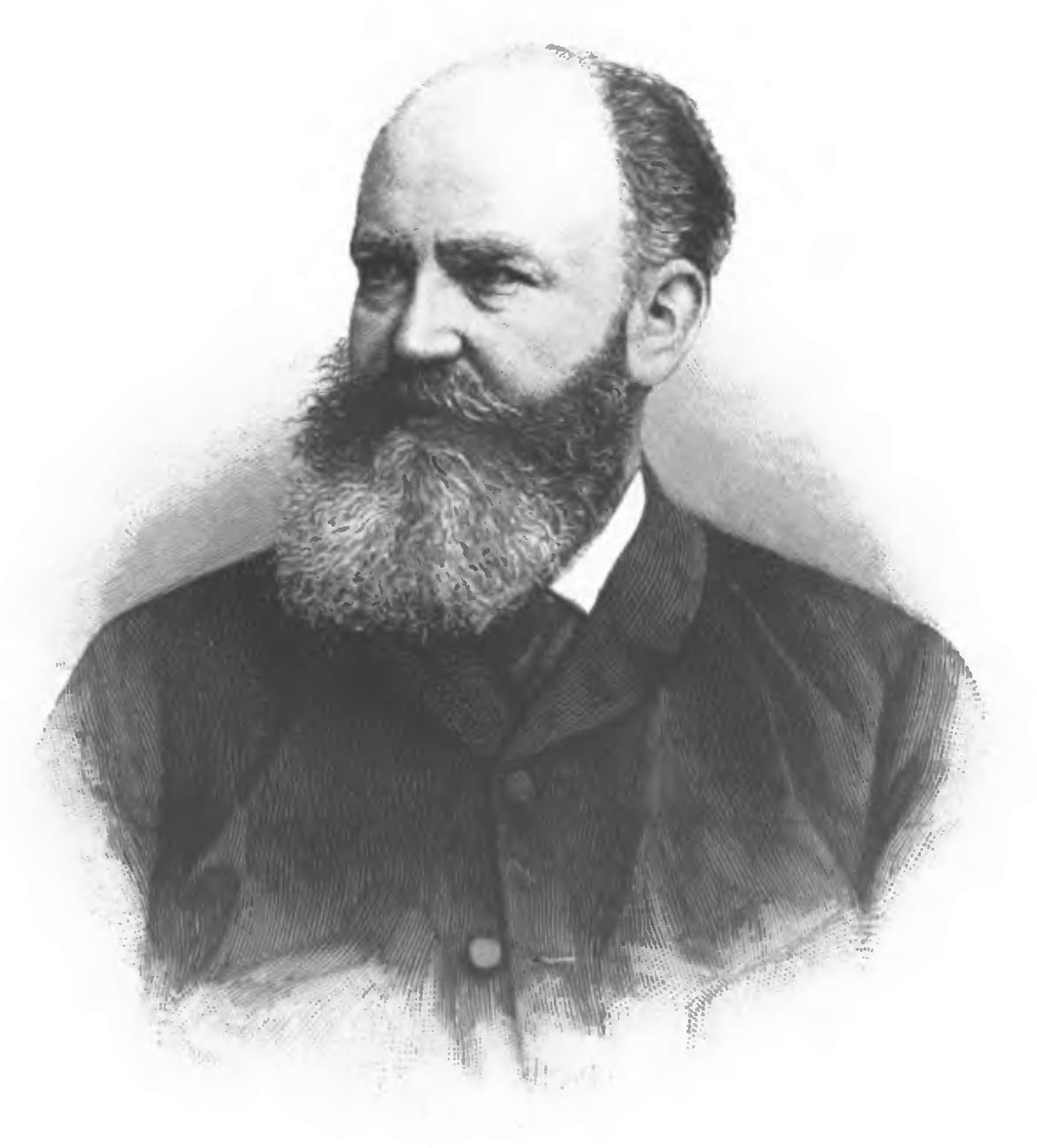
Georg Moritz Ebers (1 March 1837 – 7 August 1898) was a German Egyptologist and novelist. He is best known for his purchase of the Ebers Papyrus, one of the oldest Egyptian medical documents in the wo...
1887
Georg Ebers
Georg Ebers
Georg Ebers
1898
Georg Ebers
Georg Ebers
1893
Georg Ebers

1882
Georg Ebers
1897
Georg Ebers
1895
Georg Ebers
1880
Georg Ebers

1898
Georg Ebers
1898
Georg Ebers
Georg Ebers
1880
Georg Ebers
1895
Georg Ebers
Georg Ebers
Georg Ebers
1876
Georg Ebers
Georg Ebers
Georg Ebers
1876
Georg Ebers
1837
Georg Ebers
1888
Georg Ebers
Georg Ebers

Georg Ebers
Georg Ebers
Georg Ebers
Georg Ebers
Georg Ebers
1876
Georg Ebers
Georg Ebers
1878
Georg Ebers
1876
Georg Ebers
Georg Ebers
Georg Ebers
Georg Ebers
Georg Ebers
Georg Ebers
Georg Ebers
Georg Ebers
Georg Ebers
Georg Ebers
Georg Ebers
Georg Ebers
1898
Georg Ebers
1876
Georg Ebers
Georg Ebers
Georg Ebers
Georg Ebers
Georg Ebers
Georg Ebers

Georg Ebers
Georg Ebers
Georg Ebers
1898
Georg Ebers

Georg Ebers
1898
Georg Ebers
Georg Ebers

Georg Ebers
1871
Georg Ebers
Georg Ebers
Georg Ebers
1895
Georg Ebers
Georg Ebers
1898
Georg Ebers
Georg Ebers
Georg Ebers
Georg Ebers
1894
Georg Ebers
1876
Georg Ebers
Georg Ebers
1895
Georg Ebers
Georg Ebers
1837
Georg Ebers
Georg Ebers
1878
Georg Ebers
1837
Georg Ebers
1898
Georg Ebers
Georg Ebers
Georg Ebers
Georg Ebers
1898
Georg Ebers
1895
Georg Ebers
1892
Georg Ebers

Georg Ebers
1897
Georg Ebers
Georg Ebers
Georg Ebers
Georg Ebers
Georg Ebers
Georg Ebers
1915
Georg Ebers
Georg Ebers
Georg Ebers
Georg Ebers
Georg Ebers
Georg Ebers
Georg Ebers
Georg Ebers
Georg Ebers
Georg Ebers
Georg Ebers
Georg Ebers
Georg Ebers
1837
Georg Ebers
1895
Georg Ebers
Georg Ebers
1898
Georg Ebers
Georg Ebers
Georg Ebers
1895
Georg Ebers
1888
Georg Ebers
Georg Ebers
Georg Ebers
1837
Georg Ebers
Georg Ebers
1837
Georg Ebers
Georg Ebers
Georg Ebers
Georg Ebers
Georg Ebers
Georg Ebers
Georg Ebers
1876
Georg Ebers
1876
Georg Ebers
1837
Georg Ebers
1864
Georg Ebers
Georg Ebers
1895
Georg Ebers
Georg Ebers
Georg Ebers
1898
Georg Ebers
Georg Ebers
Georg Ebers
1893
Georg Ebers
Georg Ebers
Georg Ebers
Georg Ebers
Georg Ebers
Georg Ebers
Georg Ebers
1837
Georg Ebers
1876
Georg Ebers
1880
Georg Ebers
Georg Ebers
Georg Ebers
Georg Ebers
Georg Ebers
1876
Georg Ebers
Georg Ebers
1895
Georg Ebers
Georg Ebers
1876
Georg Ebers
1898
Georg Ebers
Georg Ebers
Georg Ebers
Georg Ebers
Georg Ebers

1895
Georg Ebers
Georg Ebers
1837
Georg Ebers
1890
Georg Ebers
Georg Ebers

1883
Georg Ebers
Georg Ebers
Georg Ebers
1878
Georg Ebers
Georg Ebers
Translated by Mary J. (Mary Joanna) Safford
A historical novel likely written during the late 19th century. The story continues the biblical narrative around the figure of Joshua, exploring themes of struggle, faith, and the complex interplay between the Egyptians and the Hebrews as they confront their shared history. Central to this volume are characters like Hosea (who is later known as Joshua) and various Egyptian figures, including Pharaoh and the high-priest Rui, as they navigate the turbulent end of Hebrew slavery and the search for liberation. The opening portion of the book introduces a tense atmosphere in which Hosea is called into the royal audience chamber amid a time of mourning following the death of the king's son due to plague. Here, the dynamics of power and duty emerge, as Hosea wrestles with the desire to be free from military service while facing the demands of the king and the desires of the queen to reconcile with the fleeing Hebrews led by Moses. As Hosea reluctantly accepts the role of mediator between his people and Pharaoh, he contemplates the heavy burden of leadership, the impending freedom of the Israelites, and the expectations of love and duty placed upon him, setting the stage for dramatic conflicts and choices that lie ahead in the narrative.
Georg Ebers
Georg Ebers
Georg Ebers
Georg Ebers
Georg Ebers
Georg Ebers
Georg Ebers
Georg Ebers
Georg Ebers
Georg Ebers
Georg Ebers
Georg Ebers
Georg Ebers
Georg Ebers

Georg Ebers