The Emperor — Volume 04
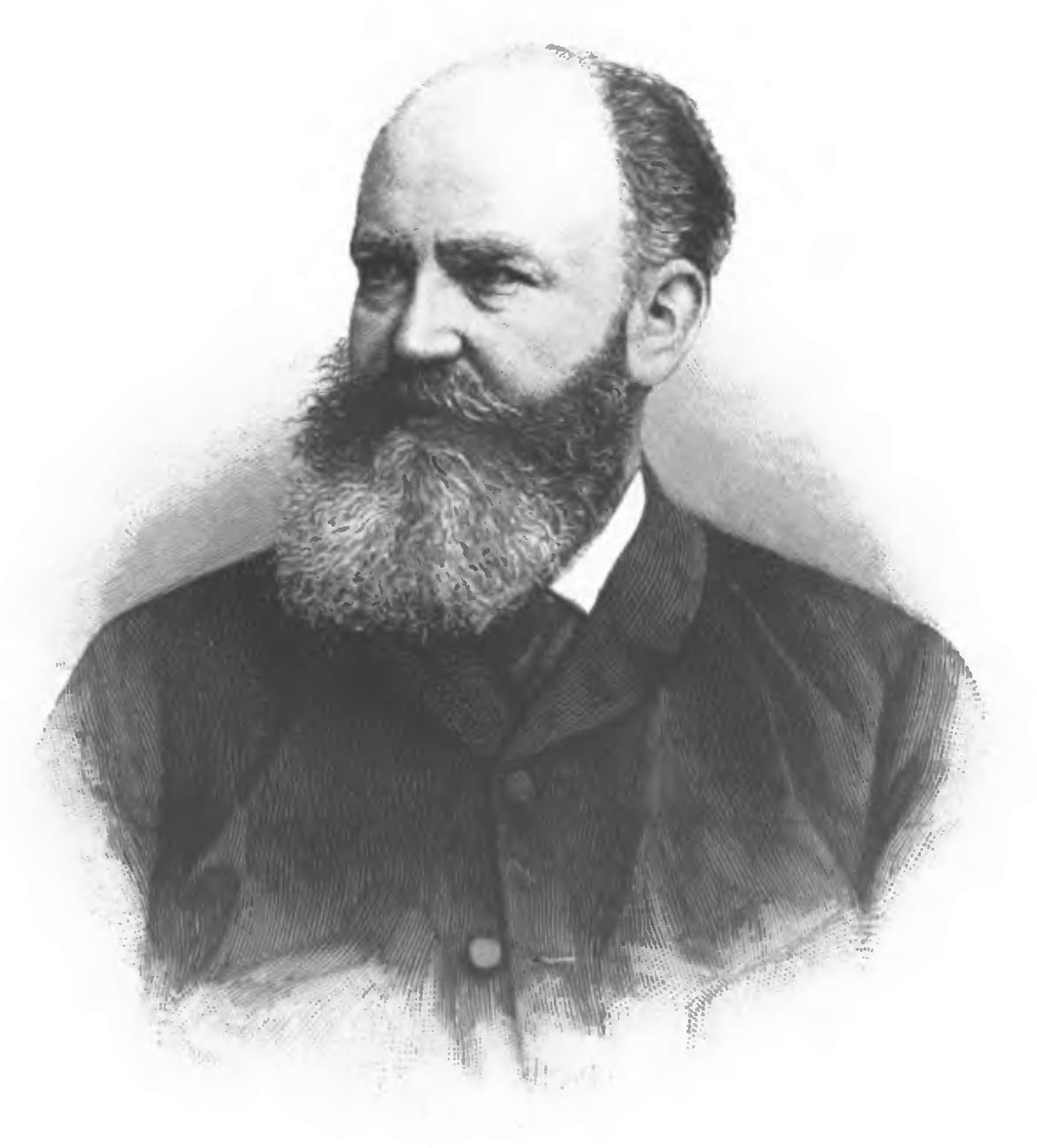
A historical novel written in the late 19th century. As part of a series, this volume continues to explore the intricacies of life in the Roman Empire, particularly through the lens of its characters who intersect with the divine and human experiences of the time. It delves into the social structures, relationships, and philosophical influences that shaped the era. In this volume, the narrative follows several key characters, including the Emperor Hadrian and his beloved Antinous. We see a poignant exploration of themes such as duty, love, and the human condition through characters like Mastor, a body-slave who grapples with the emotional weight of his servitude and the shifting perspective on life offered by the Christians he encounters. The story also introduces Selene and her sister, who face struggles of their own within the context of poverty and labor at a papyrus factory. As Selene's health deteriorates due to an injury, the narrative unfolds her resilience and the compassionate bonds formed among the women workers. Through this intricate tapestry, Ebers provides rich character development and a deeply woven social commentary reflective of the historical period.
Editions
Link to this book
Add a free, dofollow link to Lex on your blog, forum, syllabus, or reading list.

<a href="https://lex-books.com/book/the-emperor-volume-04-9d517339-7bfe-455e-a548-d31bad8b9ddf"><img src="https://lex-books.com/badges/read-on-lex.svg" alt="Read The Emperor — Volume 04 by Georg Ebers free on Lex" width="160" height="40"></a>[](https://lex-books.com/book/the-emperor-volume-04-9d517339-7bfe-455e-a548-d31bad8b9ddf)[url=https://lex-books.com/book/the-emperor-volume-04-9d517339-7bfe-455e-a548-d31bad8b9ddf][img]https://lex-books.com/badges/read-on-lex.svg[/img][/url]Read The Emperor — Volume 04 by Georg Ebers free on Lex: https://lex-books.com/book/the-emperor-volume-04-9d517339-7bfe-455e-a548-d31bad8b9ddfCite this book
Reading this edition for a paper or guide? Copy a citation.
Ebers, Georg. The Emperor — Volume 04. Lex, lex-books.com/book/the-emperor-volume-04-9d517339-7bfe-455e-a548-d31bad8b9ddf.Ebers, G. (n.d.). The Emperor — Volume 04. Lex. https://lex-books.com/book/the-emperor-volume-04-9d517339-7bfe-455e-a548-d31bad8b9ddfEbers, Georg. The Emperor — Volume 04. Lex. https://lex-books.com/book/the-emperor-volume-04-9d517339-7bfe-455e-a548-d31bad8b9ddf.