1837-1898
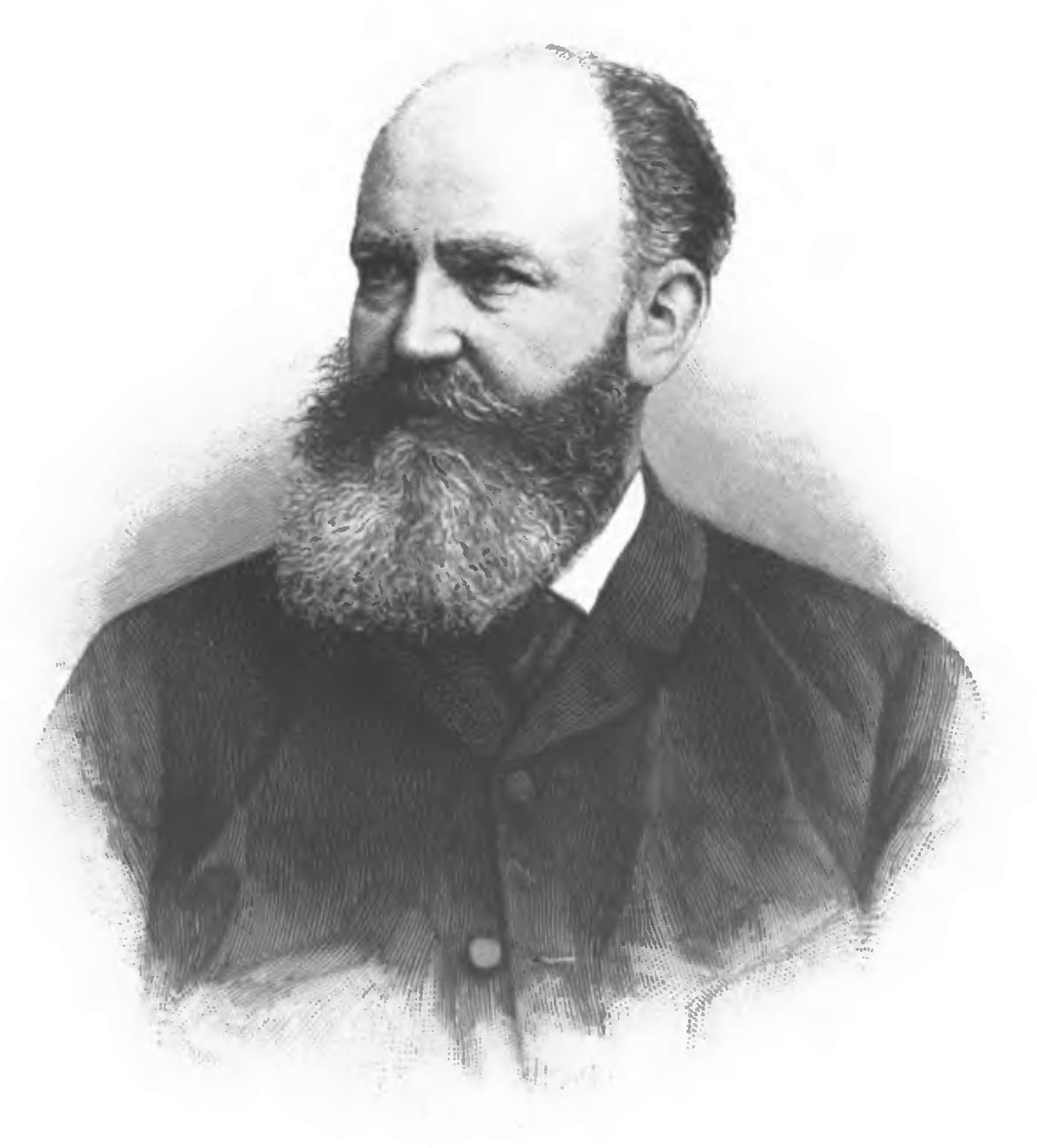
Georg Moritz Ebers (1 March 1837 – 7 August 1898) was a German Egyptologist and novelist. He is best known for his purchase of the Ebers Papyrus, one of the oldest Egyptian medical documents in the wo...
1887
Georg Ebers
Georg Ebers
Georg Ebers
1898
Georg Ebers
Georg Ebers
1893
Georg Ebers

1882
Georg Ebers
1897
Georg Ebers
1895
Georg Ebers
1880
Georg Ebers

1898
Georg Ebers
1898
Georg Ebers
Georg Ebers
1880
Georg Ebers
1895
Georg Ebers
Georg Ebers
Georg Ebers
Georg Ebers
1876
Georg Ebers
Georg Ebers
1876
Georg Ebers
1837
Georg Ebers
1888
Georg Ebers
Georg Ebers

Georg Ebers
Georg Ebers
Georg Ebers
Georg Ebers
Georg Ebers
1876
Georg Ebers
Georg Ebers
1878
Georg Ebers
1876
Georg Ebers
Georg Ebers
Georg Ebers
Georg Ebers
Georg Ebers
Georg Ebers
Georg Ebers
Georg Ebers
Georg Ebers
Georg Ebers
Georg Ebers
Georg Ebers
1898
Georg Ebers
1876
Georg Ebers
Georg Ebers
Georg Ebers
Georg Ebers
Georg Ebers

Georg Ebers
Georg Ebers
Georg Ebers
1898
Georg Ebers

Georg Ebers
1898
Georg Ebers

Georg Ebers
1871
Georg Ebers
Georg Ebers
Georg Ebers
Georg Ebers
1895
Georg Ebers
Georg Ebers
Georg Ebers
1898
Georg Ebers
Georg Ebers
Georg Ebers
1894
Georg Ebers
1895
Georg Ebers
Georg Ebers
1876
Georg Ebers
Georg Ebers
1837
Georg Ebers
1878
Georg Ebers
1837
Georg Ebers
Georg Ebers
1898
Georg Ebers
Georg Ebers
Georg Ebers
Georg Ebers
1898
Georg Ebers
1892
Georg Ebers
1895
Georg Ebers

1897
Georg Ebers
Georg Ebers
Georg Ebers
Georg Ebers
Georg Ebers
Georg Ebers
Georg Ebers
1915
Georg Ebers
Georg Ebers
Georg Ebers
Georg Ebers
Georg Ebers
Georg Ebers
Georg Ebers
Georg Ebers
Georg Ebers
Georg Ebers
Georg Ebers
Georg Ebers
Georg Ebers
1895
Georg Ebers
1837
Georg Ebers
1898
Georg Ebers
Georg Ebers
Georg Ebers
Georg Ebers
1888
Georg Ebers
1895
Georg Ebers
Georg Ebers
Georg Ebers
1837
Georg Ebers
Georg Ebers
1837
Georg Ebers
Georg Ebers
Georg Ebers
Georg Ebers
Georg Ebers
Georg Ebers
Georg Ebers
1876
Georg Ebers
1876
Georg Ebers
Georg Ebers
1837
Georg Ebers
1864
Georg Ebers
Georg Ebers
1895
Georg Ebers
Georg Ebers
Georg Ebers
1898
Georg Ebers
Georg Ebers
Georg Ebers
1893
Georg Ebers
Georg Ebers
Georg Ebers
Georg Ebers
Georg Ebers
Georg Ebers
Georg Ebers
1837
Georg Ebers
1876
Georg Ebers
1880
Georg Ebers
Georg Ebers
Georg Ebers
Georg Ebers
Georg Ebers
1876
Georg Ebers
Georg Ebers
1895
Georg Ebers
1876
Georg Ebers
Georg Ebers
1898
Georg Ebers
Georg Ebers
Georg Ebers
Georg Ebers
Georg Ebers

1895
Georg Ebers
Georg Ebers
1837
Georg Ebers
1890
Georg Ebers
Georg Ebers

1883
Georg Ebers
Georg Ebers
Georg Ebers
1878
Georg Ebers
Georg Ebers
Translated by Mary J. (Mary Joanna) Safford
A historical novel written during the late 19th century. The book primarily follows the life of Cleopatra, the last active ruler of the Ptolemaic Kingdom of Egypt, as she navigates personal and political upheavals, especially her complicated relationship with Mark Antony. Through dramatic dialogues and rich historical context, Ebers delves into the struggles, aspirations, and emotional depth of Cleopatra as she faces the realities of love, power, and impending doom. The opening of ''Cleopatra'' immerses readers in a moment of reflection and preparation for the titular character. Cleopatra grapples with existential weight as she contemplates her decisions and the fate of her love, Mark Antony. She engages in serious discussions with her loyal confidants, showcasing her resolve and strength amid political threats and personal anxieties. The narrative portrays her interactions with both allies and adversaries, setting the stage for the emotional climax of her story. As tensions rise around her, Cleopatra is depicted as a formidable leader, torn between her aspirations and the looming specter of betrayal and loss, heightened by her anticipation of an impending reunion with Antony, which promises to be a pivotal moment in her fate.
Georg Ebers
Jane Austen
Mark Twain

Joseph Conrad
George Gissing
Jean Paul
Gilbert Parker
Benjamin, Earl of Beaconsfield Disraeli


George Manville Fenn
S. Levett Yeats