The Philosophy of Fine Art, volume 4 (of 4)
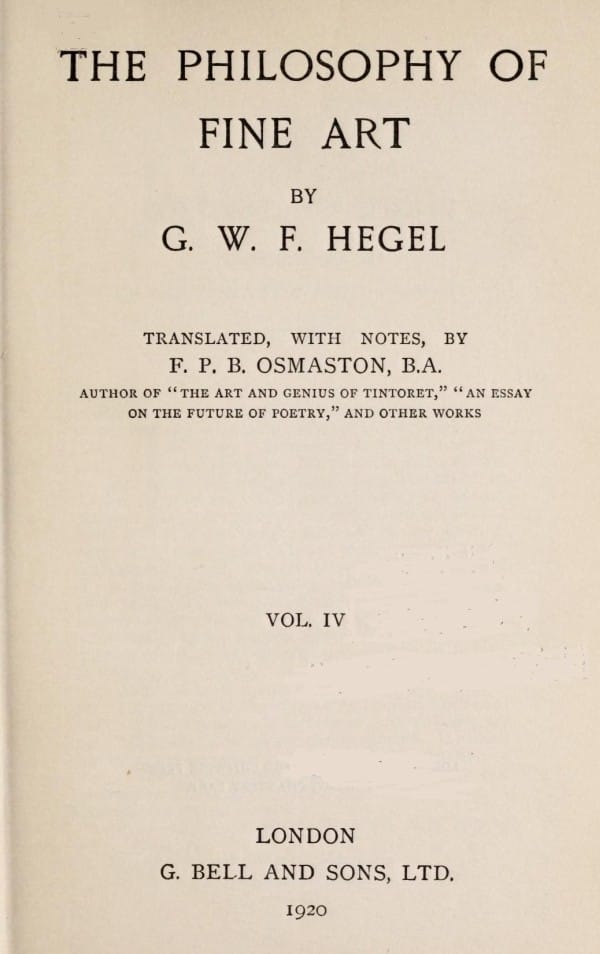
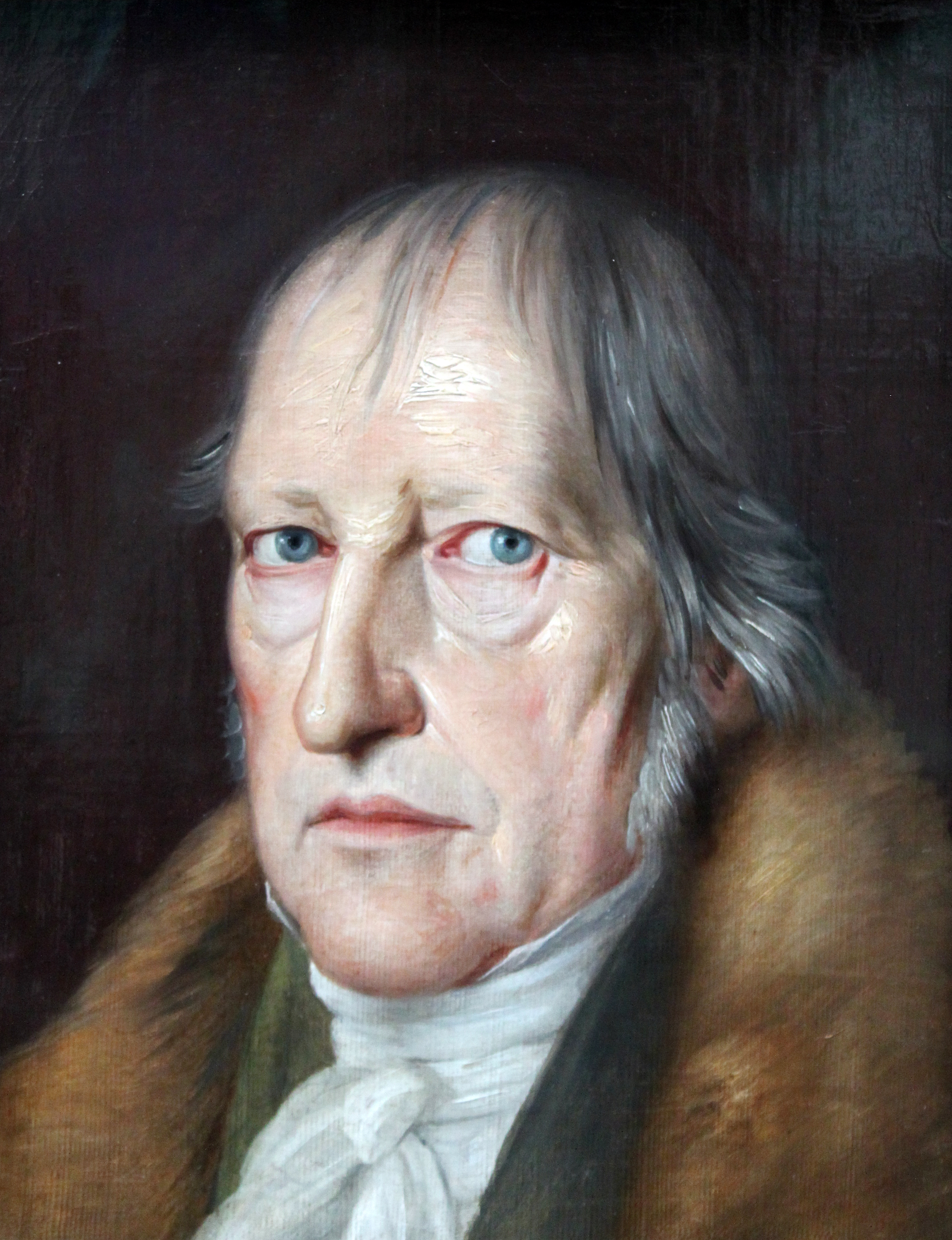
Hegel's Lectures on Aesthetics represent one of the most ambitious attempts ever made to understand art as a form of absolute knowledge. In this final volume, he reaches his radical conclusion: poetry is the highest and most universal art. Unlike architecture, sculpture, painting, or music, which remain bound to sensuous materials, poetry operates through language itself, the medium of thought. It can present ideas in their full conceptual richness while still remaining art. Here Hegel traces poetry's unique power: it can unfold narratives historically, explore the inner life of consciousness, and engage with every dimension of human experience. Yet this very freedom signals art's historical dissolution. Poetry becomes the bridge by which art passes into religion and philosophical thought. For Hegel, art's purpose was always to make Spirit visible to itself, and in poetry, Spirit ultimately outgrows its artistic skin.
Editions
Link to this book
Add a free, dofollow link to Lex on your blog, forum, syllabus, or reading list.

<a href="https://lex-books.com/book/the-philosophy-of-fine-art-volume-4-of-4-15bf6a8d-9264-4a90-b6e0-b52f2ba69752"><img src="https://lex-books.com/badges/read-on-lex.svg" alt="Read The Philosophy of Fine Art, volume 4 (of 4) by Georg Wilhelm Friedrich Hegel free on Lex" width="160" height="40"></a>[](https://lex-books.com/book/the-philosophy-of-fine-art-volume-4-of-4-15bf6a8d-9264-4a90-b6e0-b52f2ba69752)[url=https://lex-books.com/book/the-philosophy-of-fine-art-volume-4-of-4-15bf6a8d-9264-4a90-b6e0-b52f2ba69752][img]https://lex-books.com/badges/read-on-lex.svg[/img][/url]Read The Philosophy of Fine Art, volume 4 (of 4) by Georg Wilhelm Friedrich Hegel free on Lex: https://lex-books.com/book/the-philosophy-of-fine-art-volume-4-of-4-15bf6a8d-9264-4a90-b6e0-b52f2ba69752Cite this book
Reading this edition for a paper or guide? Copy a citation.
Hegel, Georg Wilhelm Friedrich. The Philosophy of Fine Art, volume 4 (of 4). Lex, lex-books.com/book/the-philosophy-of-fine-art-volume-4-of-4-15bf6a8d-9264-4a90-b6e0-b52f2ba69752.Hegel, G. W. F. (n.d.). The Philosophy of Fine Art, volume 4 (of 4). Lex. https://lex-books.com/book/the-philosophy-of-fine-art-volume-4-of-4-15bf6a8d-9264-4a90-b6e0-b52f2ba69752Hegel, Georg Wilhelm Friedrich. The Philosophy of Fine Art, volume 4 (of 4). Lex. https://lex-books.com/book/the-philosophy-of-fine-art-volume-4-of-4-15bf6a8d-9264-4a90-b6e0-b52f2ba69752.