Hegel's Philosophy of Mind
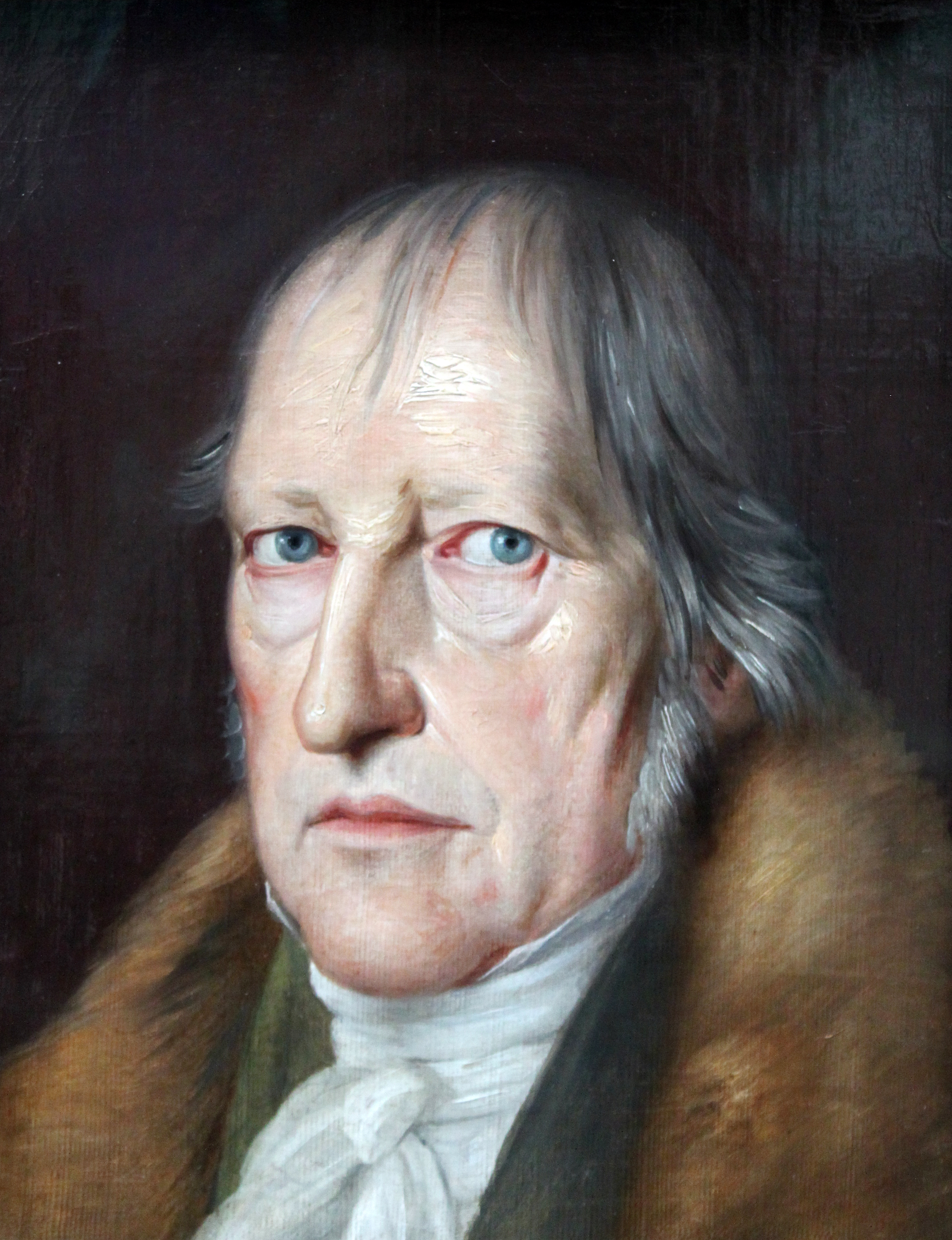
Hegel's Philosophy of Mind is not a book you read so much as a mental crucible you enter. Here, Hegel completes his grand architectural system by turning inward, toward the structure of consciousness itself. The mind, in Hegel's vision, is not a static container but a living process: it moves through stages of increasing self-awareness, from immediate sensation to the heights of absolute knowledge, transforming everything it touches in the process. What emerges is a radical claim: that the individual mind and the universal Spirit (Geist) are not opposites but moments in a single, necessary development. Ethics, art, religion, philosophy, and the state all become expressions of this unfolding. Wallace's translation captures the density of Hegel's prose while preserving its architectural clarity. This is demanding, essential work for anyone who wants to understand how we got from Kant to Marx to contemporary continental philosophy. The Philosophy of Mind is where Hegel reveals the machinery behind his entire system.
Editions
X-Ray
“Die Wahrheit des Seins ist Wesen””
— Georg Wilhelm Friedrich Hegel
“finality to no dogmatic rest, but carries out Kant's description of an Age of Criticism, in which nothing, however majestic””
— Georg Wilhelm Friedrich Hegel
“In this way the one Soul may develop or evolve or express an innumerable variety of ideas: for in response to whatever it meets, the living and active Soul ideates, or gives rise to a representation. Thus,””
— Georg Wilhelm Friedrich Hegel
Link to this book
Add a free, dofollow link to Lex on your blog, forum, syllabus, or reading list.

<a href="https://lex-books.com/book/hegel-s-philosophy-of-mind-8e6b4be6-e2de-4935-affb-8aaafbfab08e"><img src="https://lex-books.com/badges/read-on-lex.svg" alt="Read Hegel's Philosophy of Mind by Georg Wilhelm Friedrich Hegel free on Lex" width="160" height="40"></a>[](https://lex-books.com/book/hegel-s-philosophy-of-mind-8e6b4be6-e2de-4935-affb-8aaafbfab08e)[url=https://lex-books.com/book/hegel-s-philosophy-of-mind-8e6b4be6-e2de-4935-affb-8aaafbfab08e][img]https://lex-books.com/badges/read-on-lex.svg[/img][/url]Read Hegel's Philosophy of Mind by Georg Wilhelm Friedrich Hegel free on Lex: https://lex-books.com/book/hegel-s-philosophy-of-mind-8e6b4be6-e2de-4935-affb-8aaafbfab08eCite this book
Reading this edition for a paper or guide? Copy a citation.
Hegel, Georg Wilhelm Friedrich. Hegel's Philosophy of Mind. Lex, lex-books.com/book/hegel-s-philosophy-of-mind-8e6b4be6-e2de-4935-affb-8aaafbfab08e.Hegel, G. W. F. (n.d.). Hegel's Philosophy of Mind. Lex. https://lex-books.com/book/hegel-s-philosophy-of-mind-8e6b4be6-e2de-4935-affb-8aaafbfab08eHegel, Georg Wilhelm Friedrich. Hegel's Philosophy of Mind. Lex. https://lex-books.com/book/hegel-s-philosophy-of-mind-8e6b4be6-e2de-4935-affb-8aaafbfab08e.