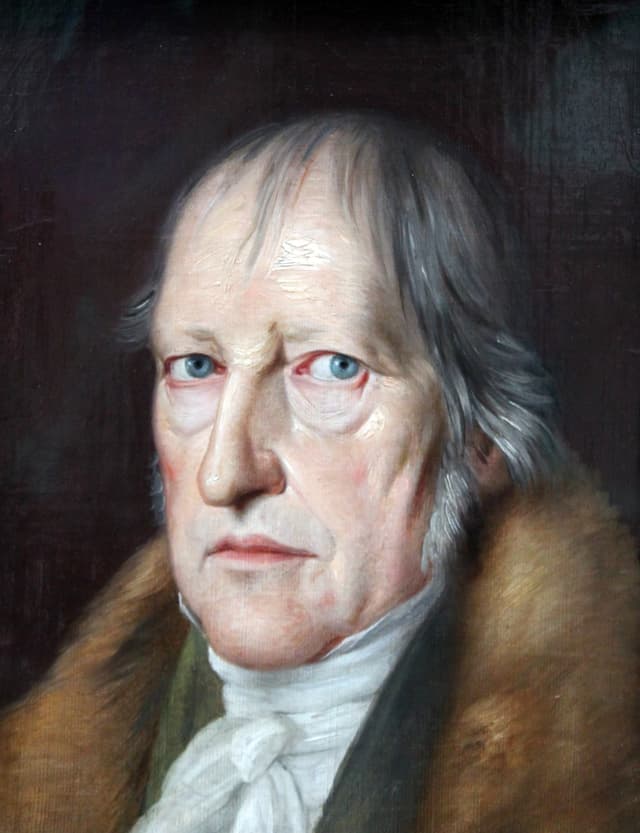
Georg Wilhelm Friedrich Hegel
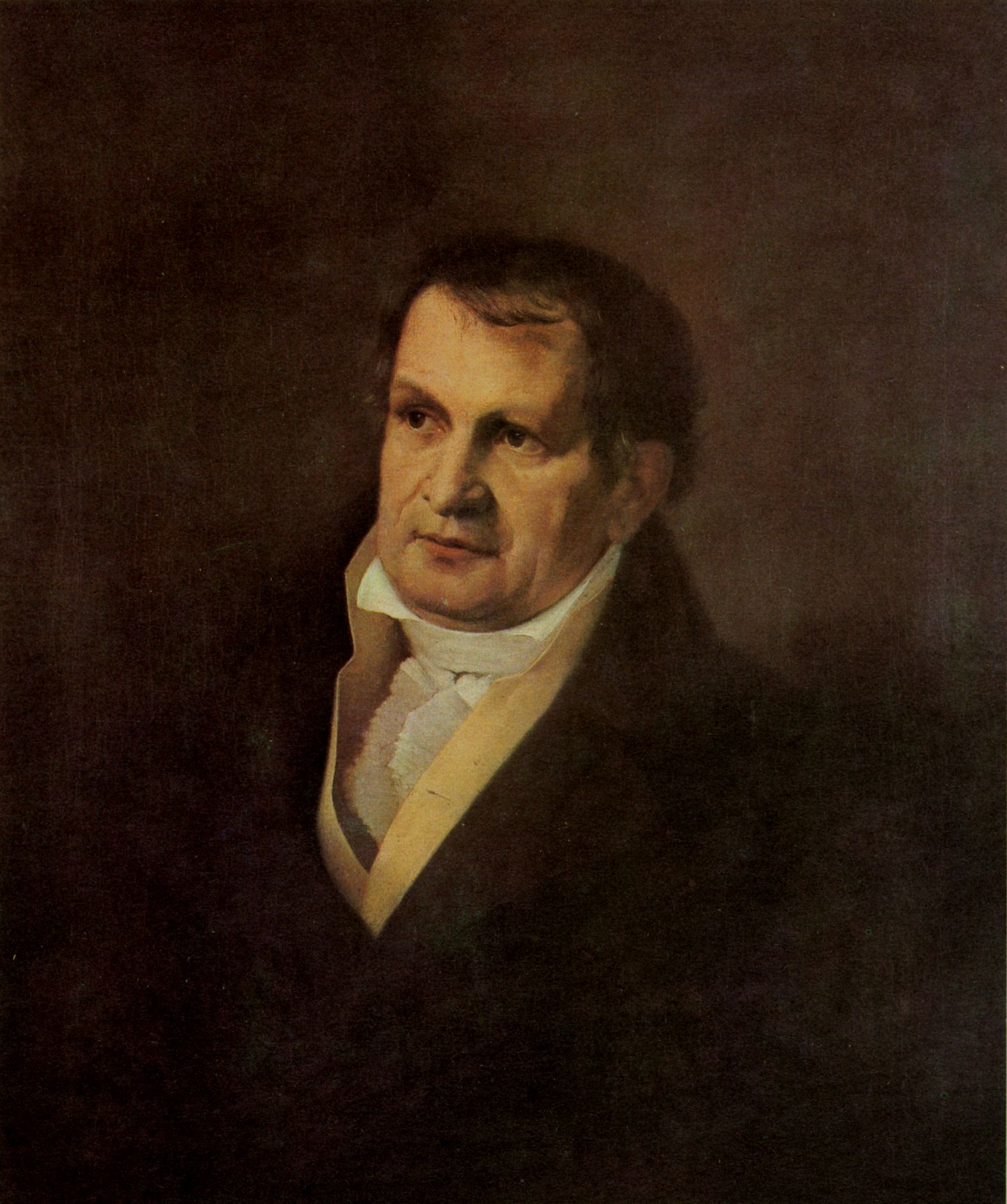
Georg Wilhelm Friedrich Hegel was a pivotal German philosopher whose work significantly shaped the landscape of Western philosophy. Born in Stuttgart, he lived during a transformative era marked by the Enlightenment and the Romantic movement, with his ideas heavily influenced by the sociopolitical upheavals of the French Revolution and the Napoleonic wars. Hegel's academic journey culminated in his role as the chair of philosophy at the University of Berlin, where he became a leading intellectual figure until his death in 1831. His philosophical endeavors sought to address and transcend the dualisms prevalent in modern thought, culminating in his development of absolute idealism, a comprehensive system that views reality as an interconnected whole. Central to Hegel's philosophy is the concept of 'spirit' (Geist), which he articulated as humanity's journey toward self-awareness through a historical process of rational development. His dialectical method, which involves assessing concepts for their internal contradictions and resolving them into a higher unity, is a hallmark of his approach. Major works such as the "Phenomenology of Spirit" and the "Science of Logic" exemplify this systematic vision, exploring the evolution of consciousness and the nature of reality. Hegel's assertion that 'world history is progress in the consciousness of freedom' underscores his lasting impact on political philosophy and the understanding of human development, solidifying his legacy as a foundational figure in the tradition of German idealism.
Famous Quotes
View all 3 quotes“Nothing great in the world was accomplished without passion.”
“We learn from history that we do not learn from history.”
“To be independent of public opinion is the first formal condition of achieving anything great.”
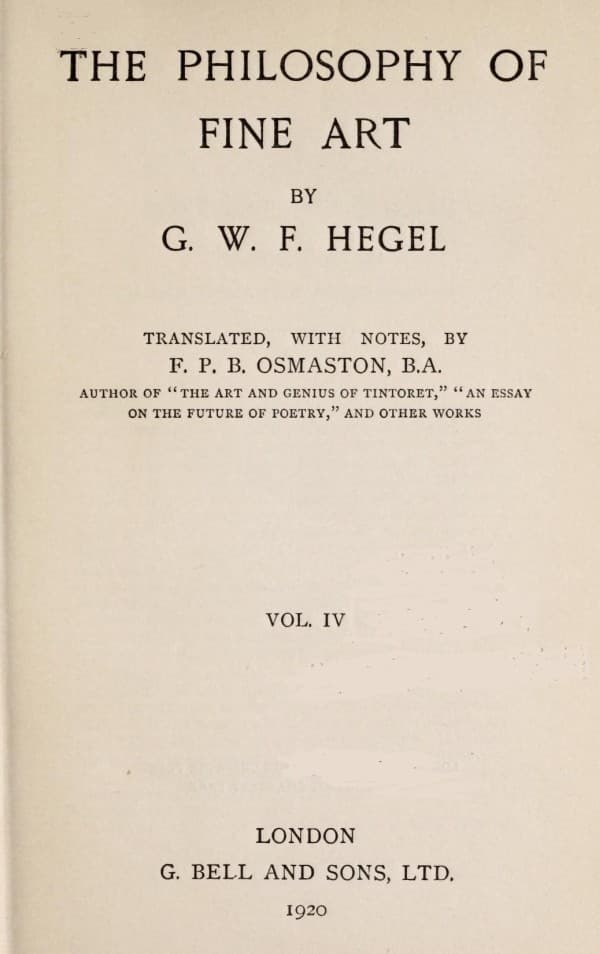
Books from the author




Link to this page
Add a free, dofollow link to Lex on your blog, forum, syllabus, or reading list.

<a href="https://lex-books.com/author/georg-wilhelm-friedrich-hegel"><img src="https://lex-books.com/badges/read-on-lex.svg" alt="Georg Wilhelm Friedrich Hegel on Lex" width="160" height="40"></a>[](https://lex-books.com/author/georg-wilhelm-friedrich-hegel)[url=https://lex-books.com/author/georg-wilhelm-friedrich-hegel][img]https://lex-books.com/badges/read-on-lex.svg[/img][/url]Georg Wilhelm Friedrich Hegel on Lex: https://lex-books.com/author/georg-wilhelm-friedrich-hegel