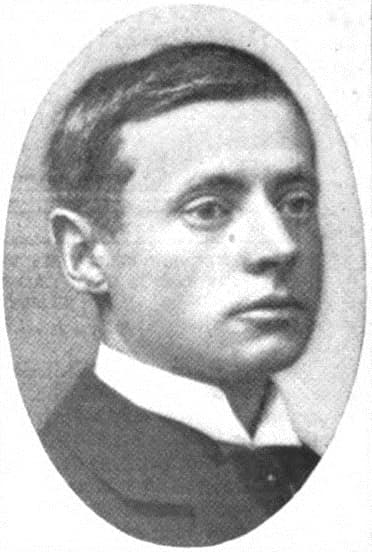
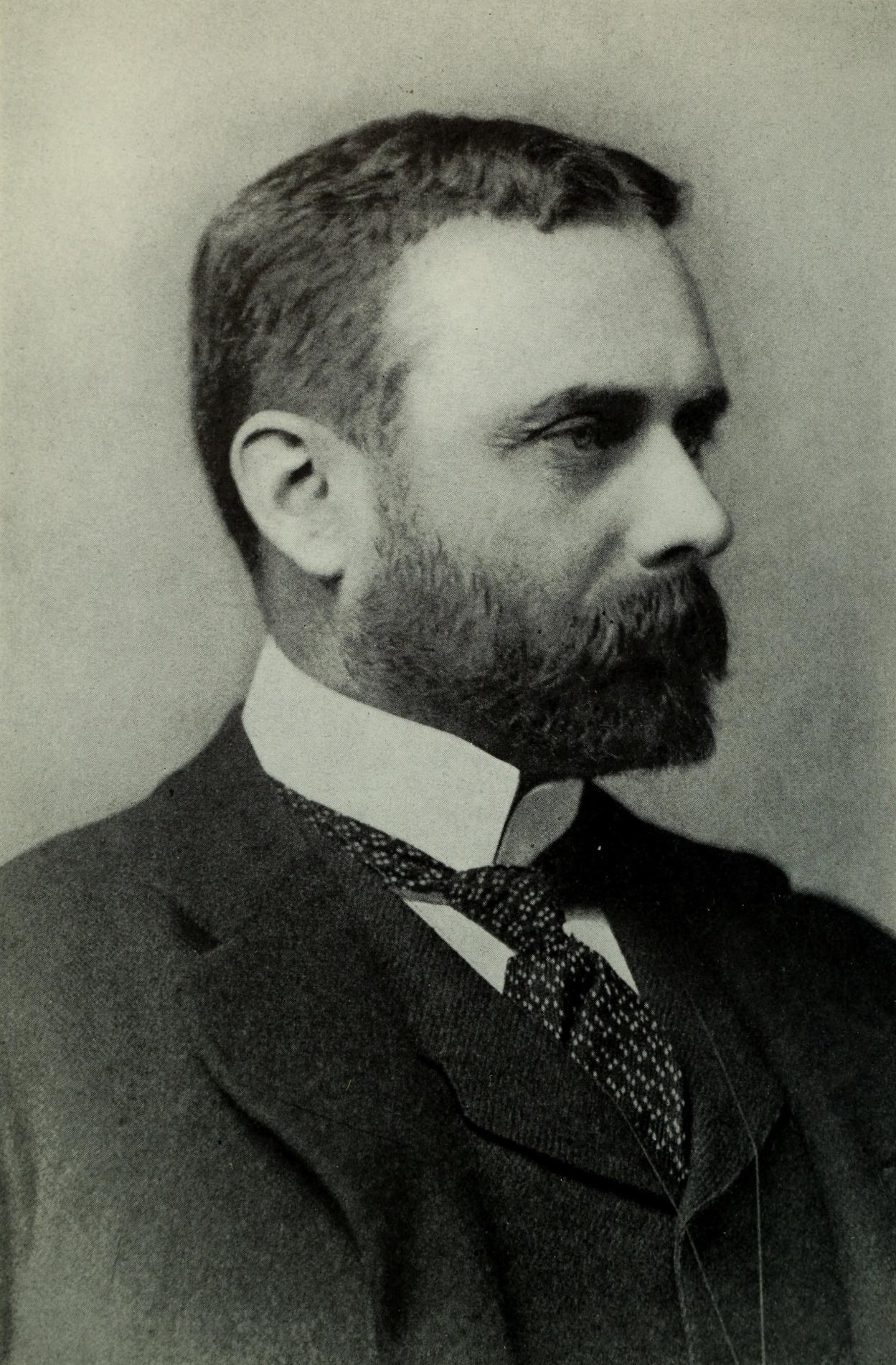
W. W. Jacobs
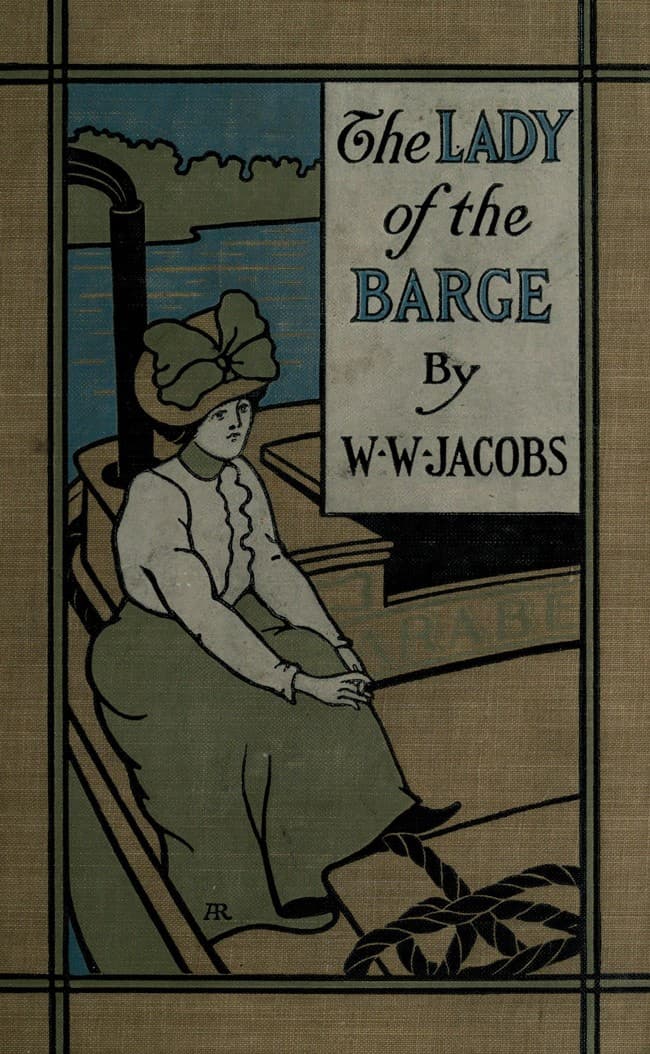
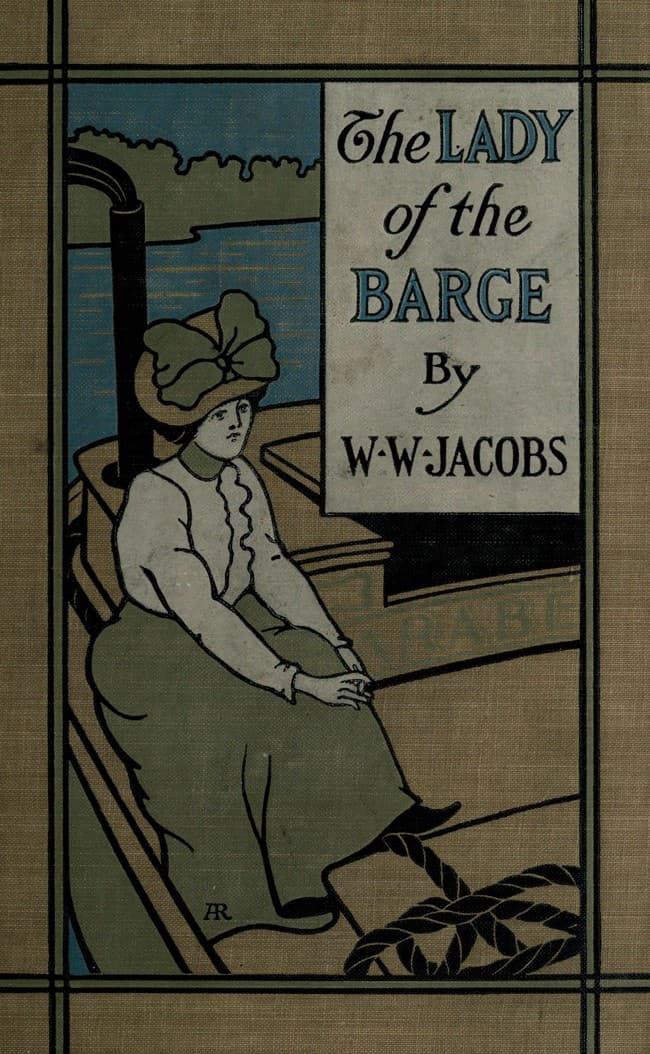
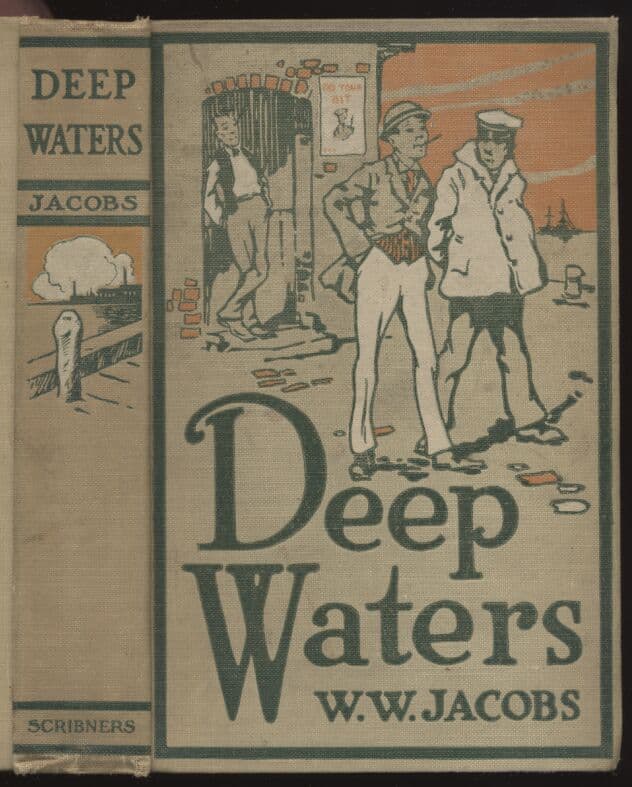
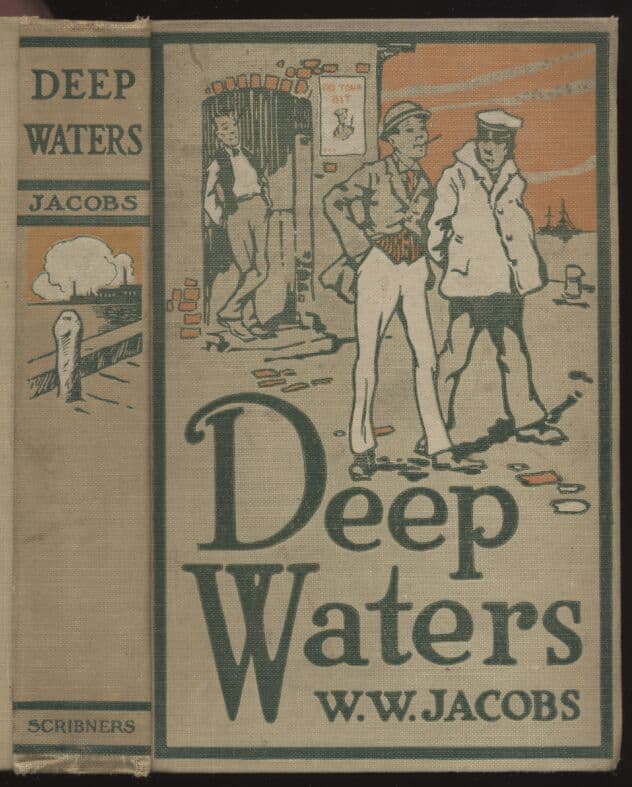
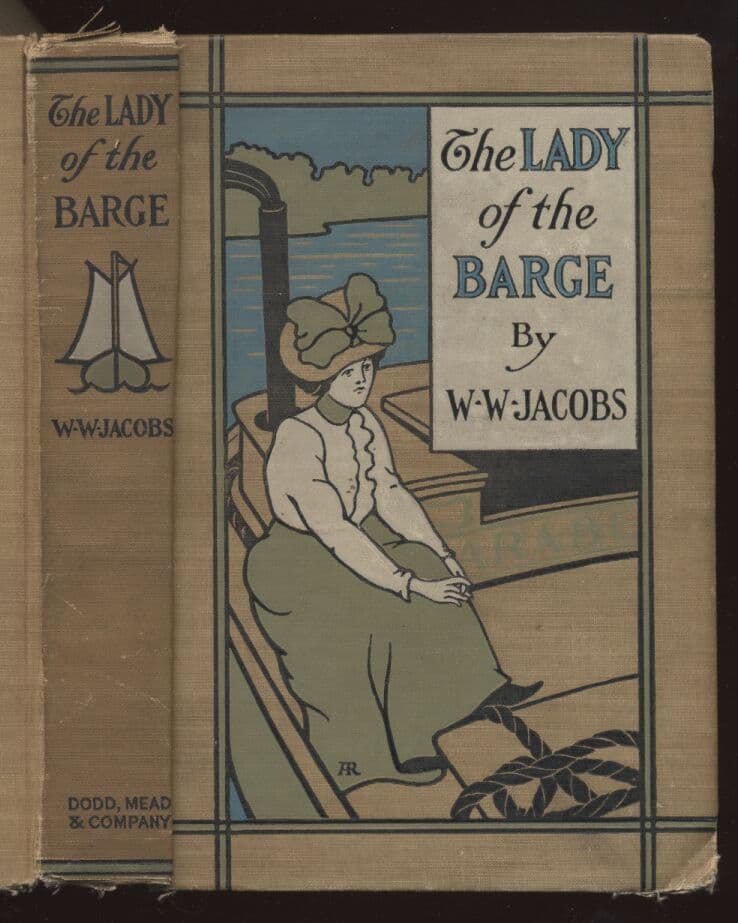
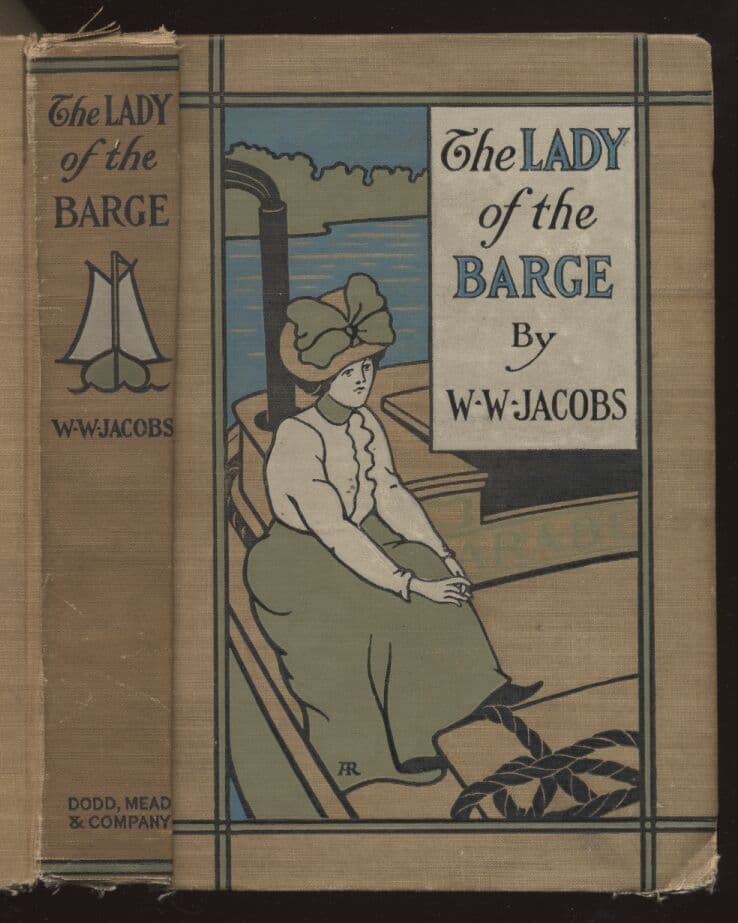
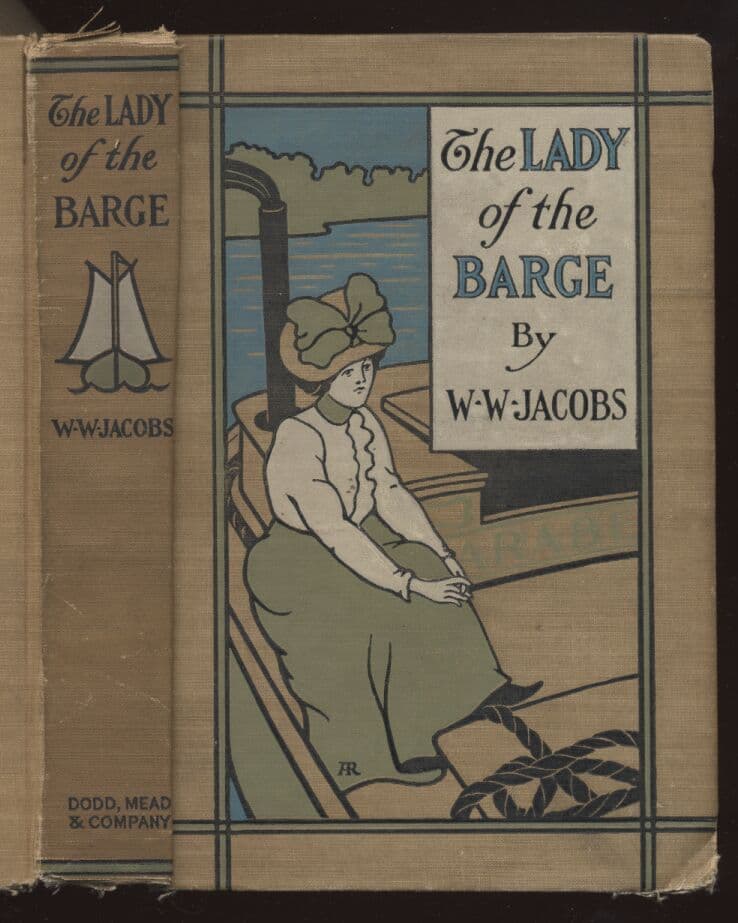
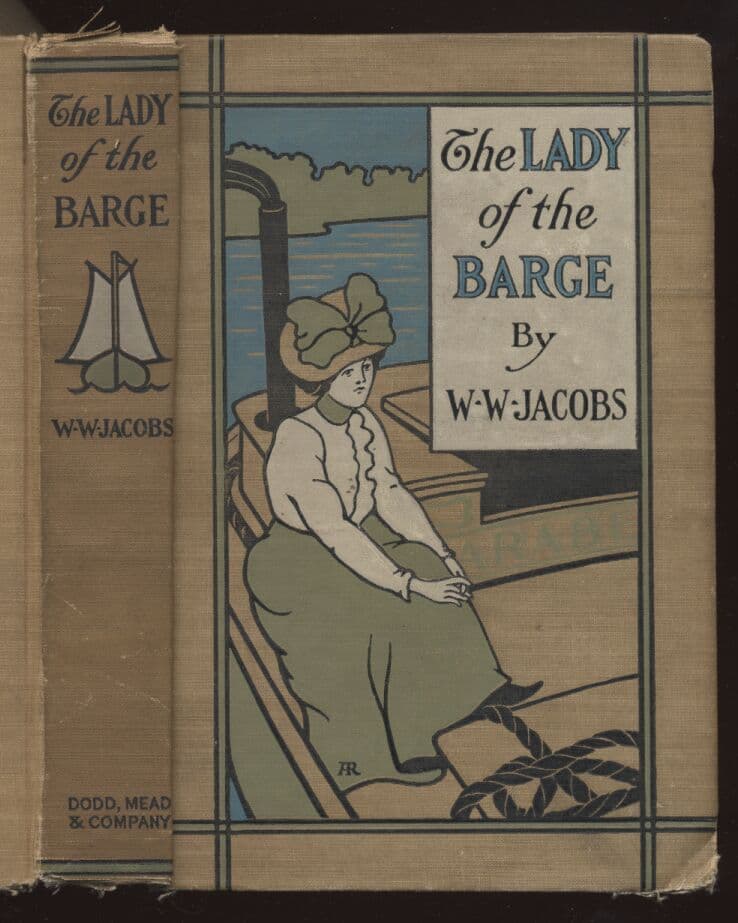
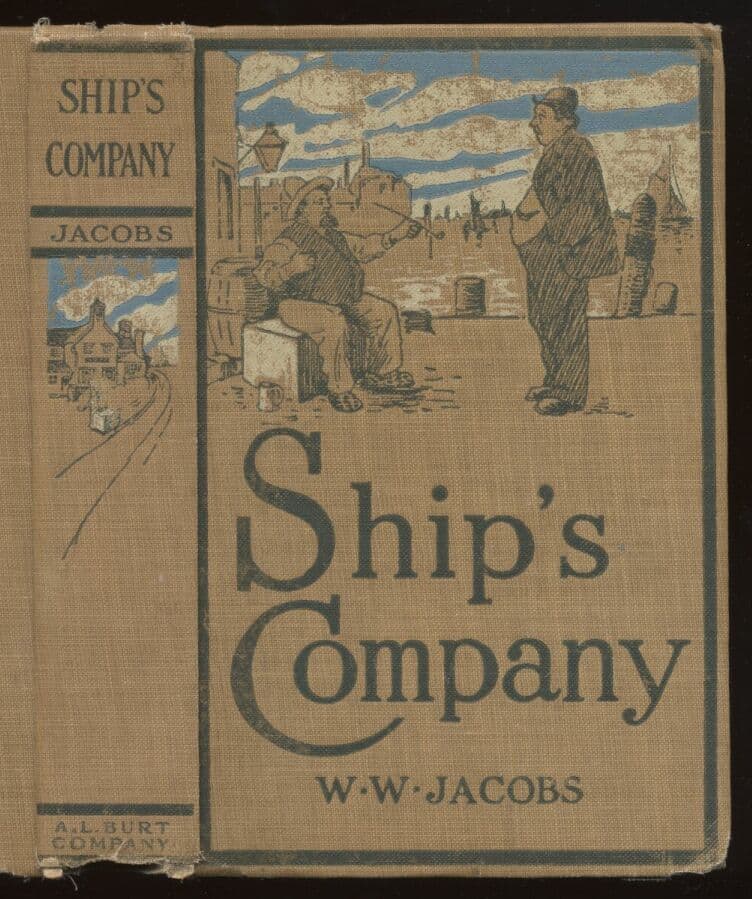
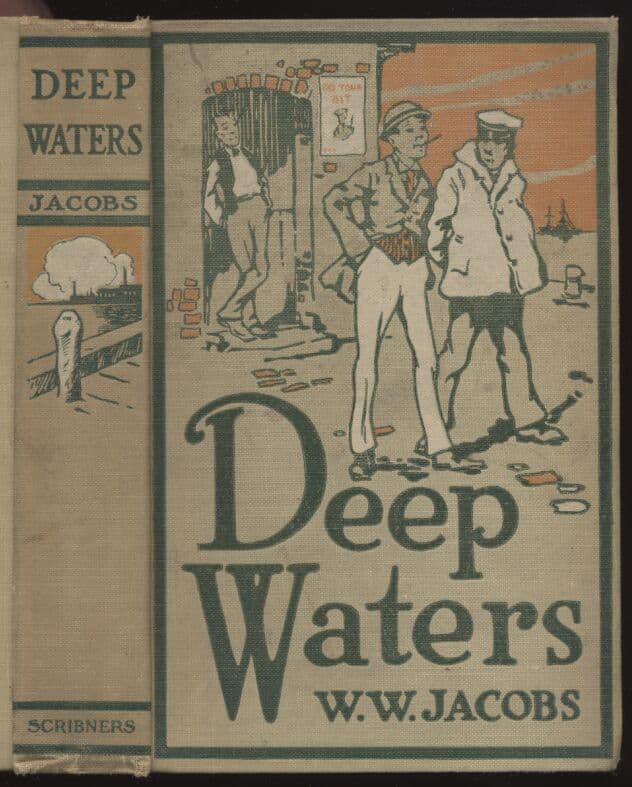
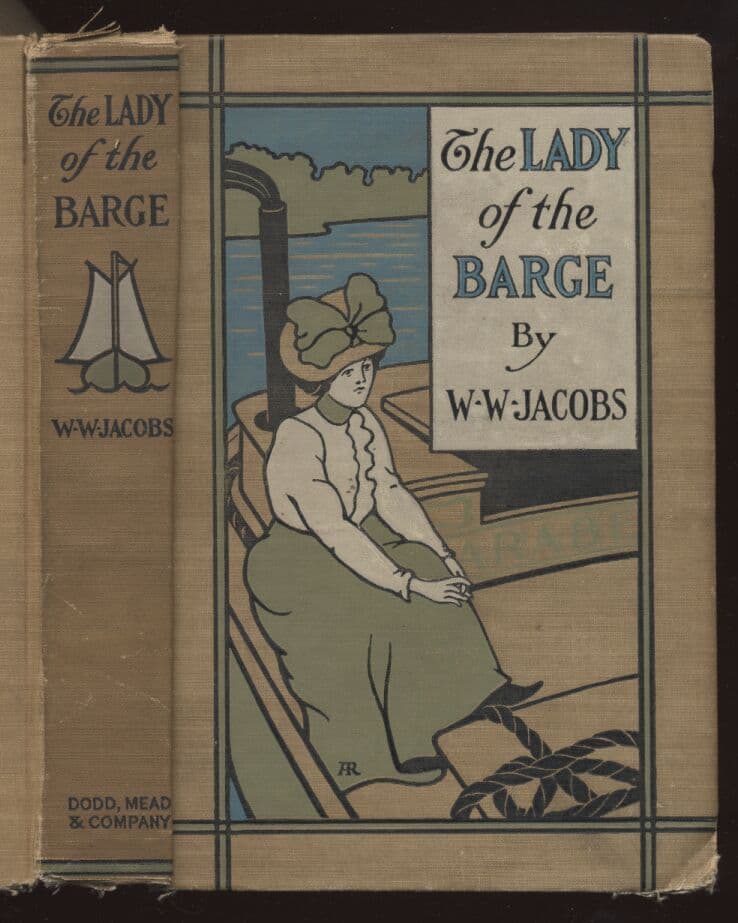
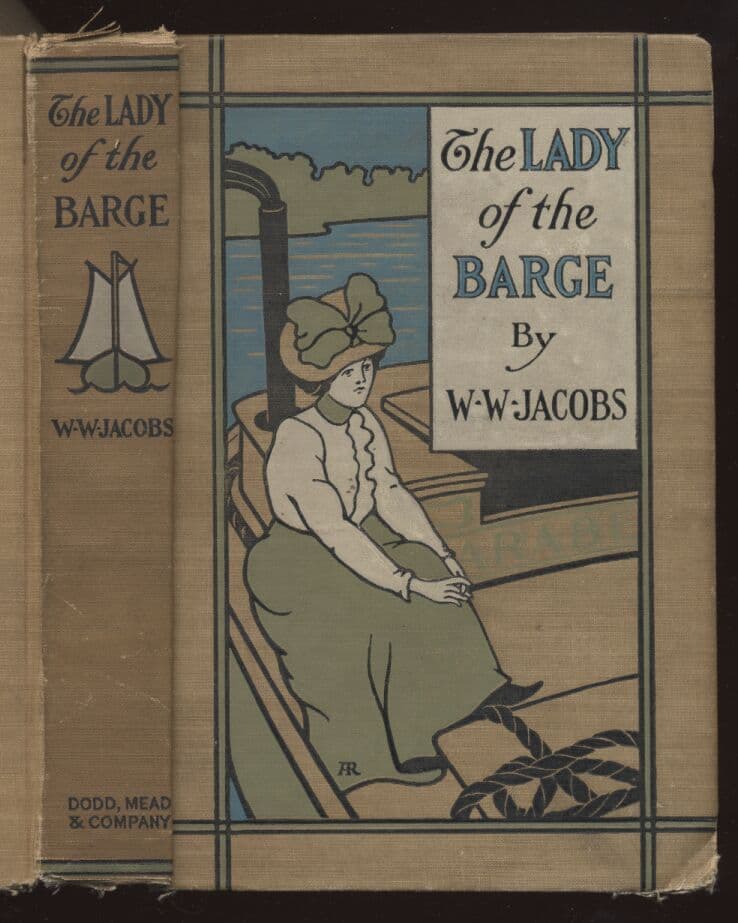
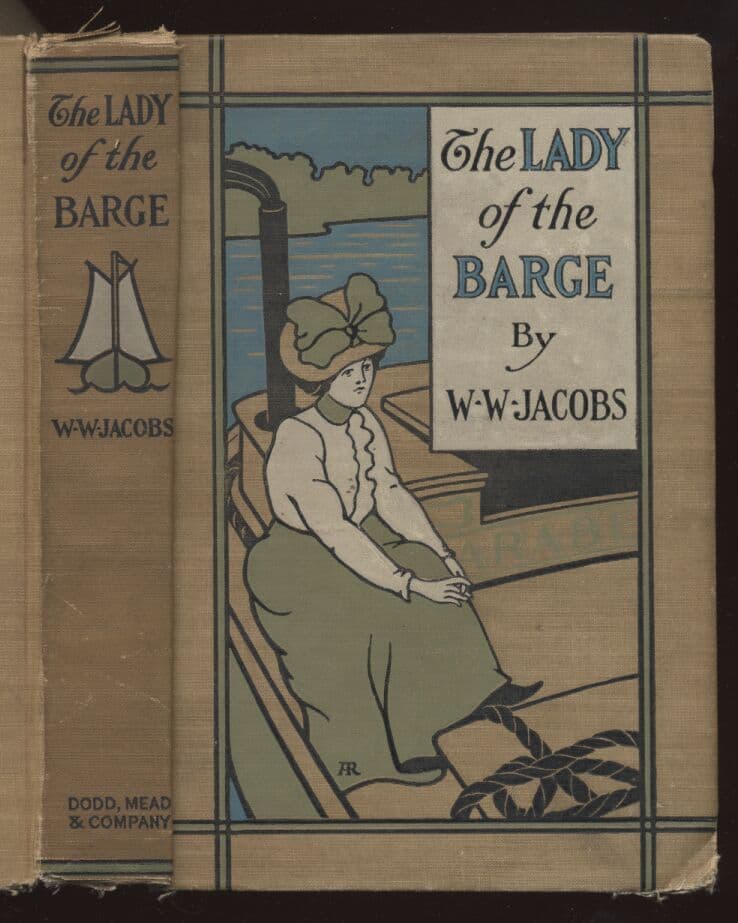
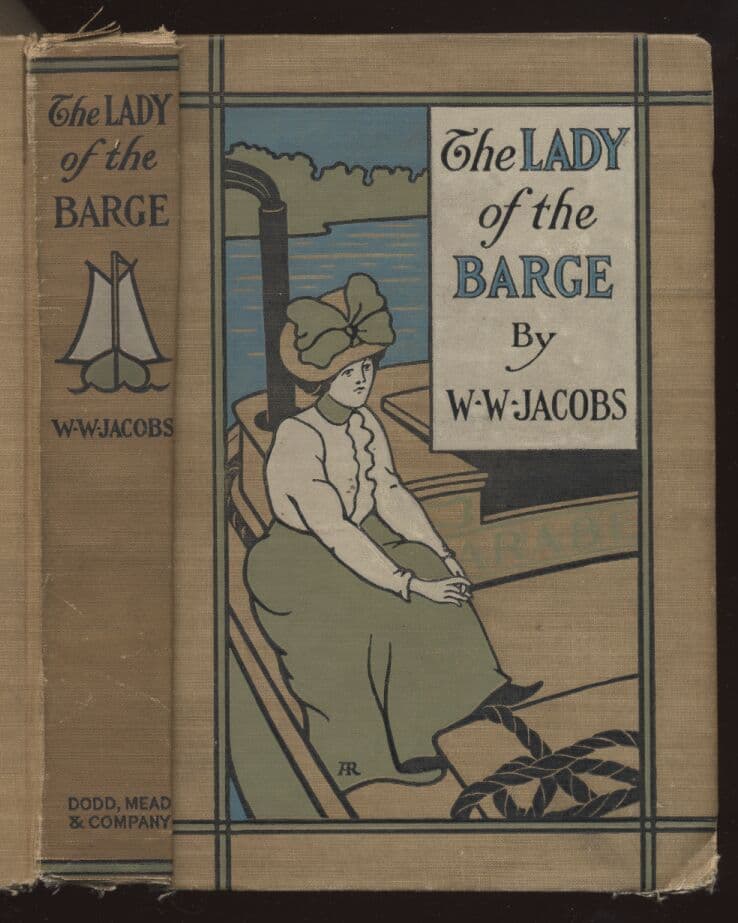
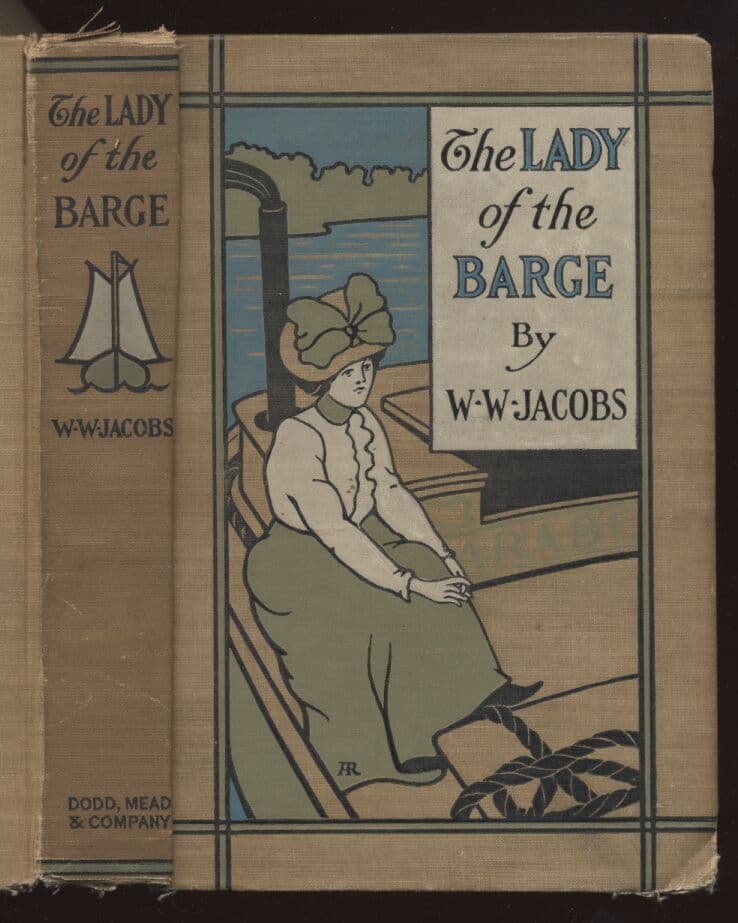
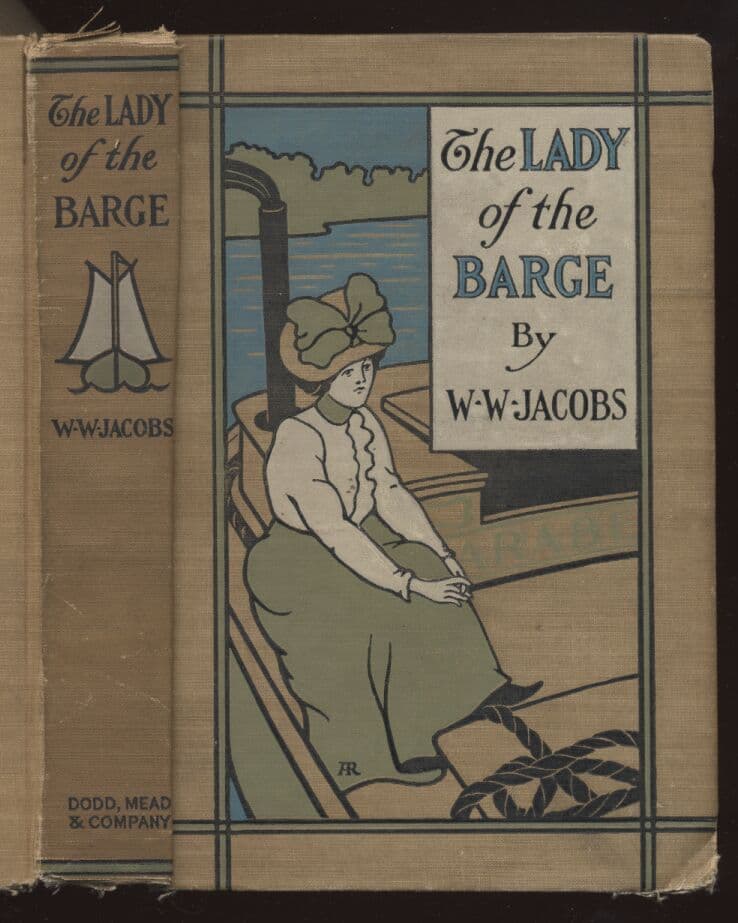
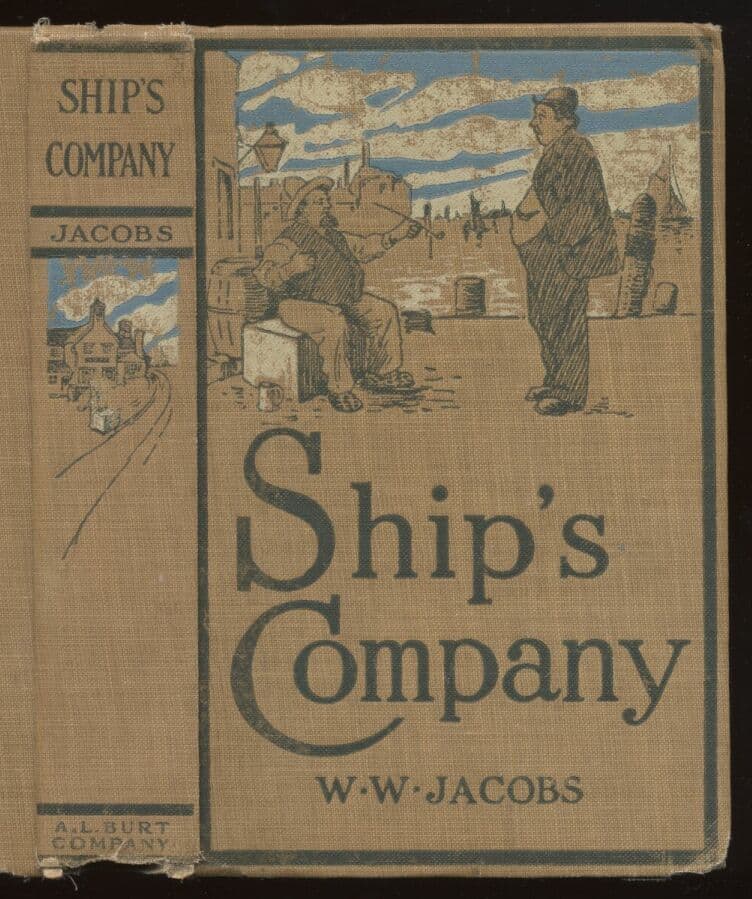
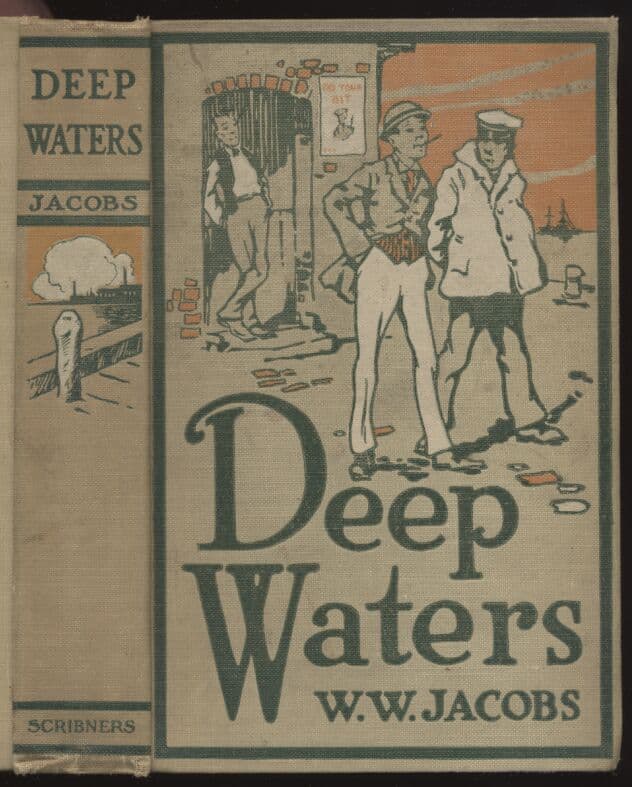
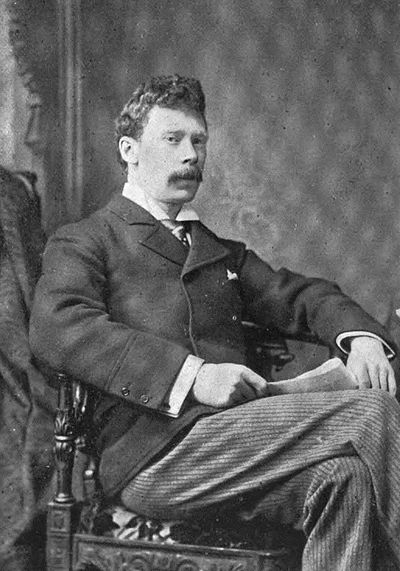
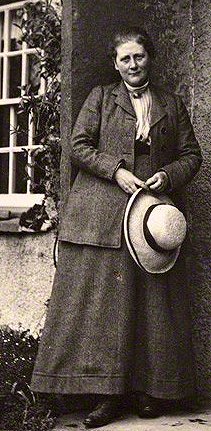
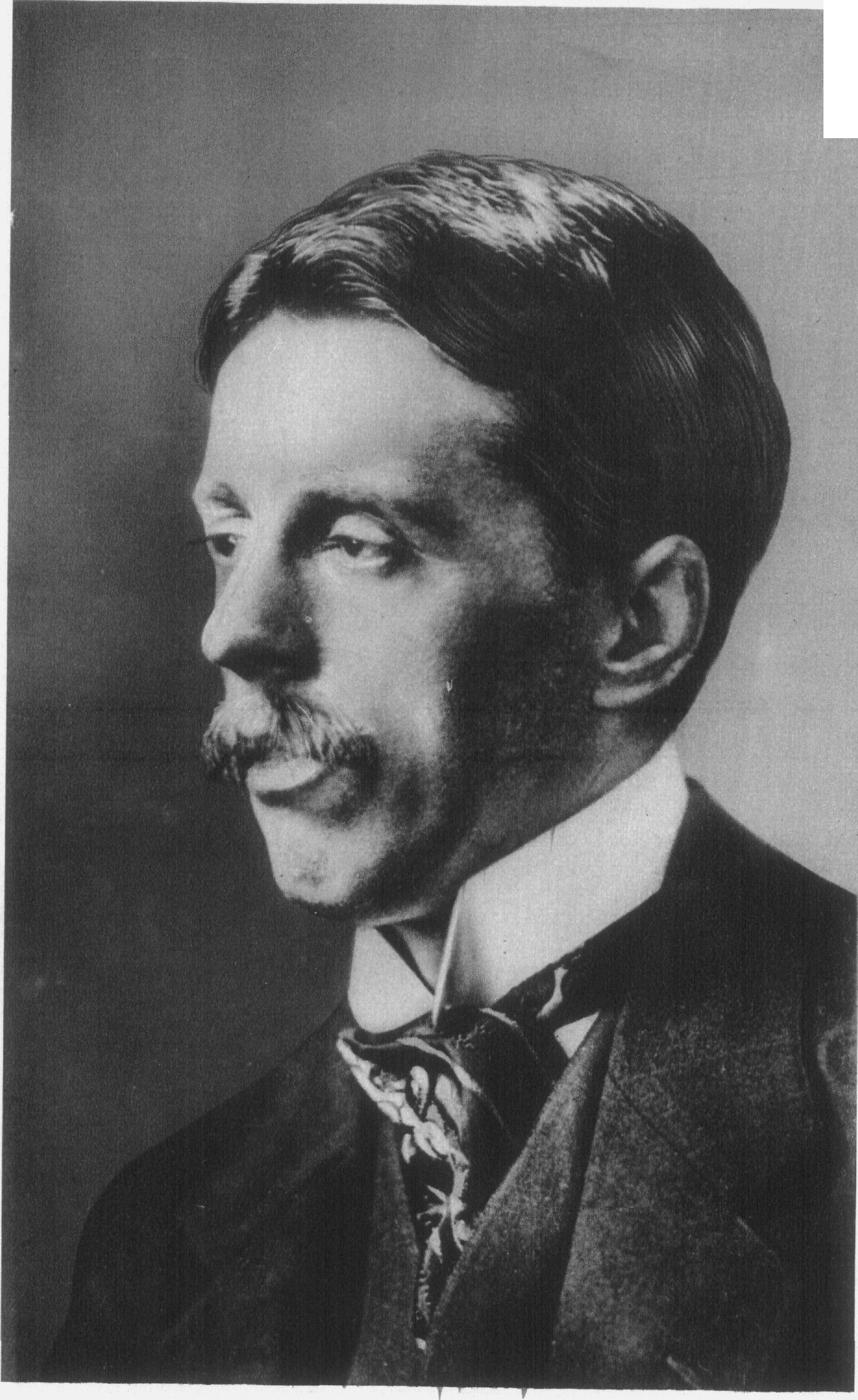
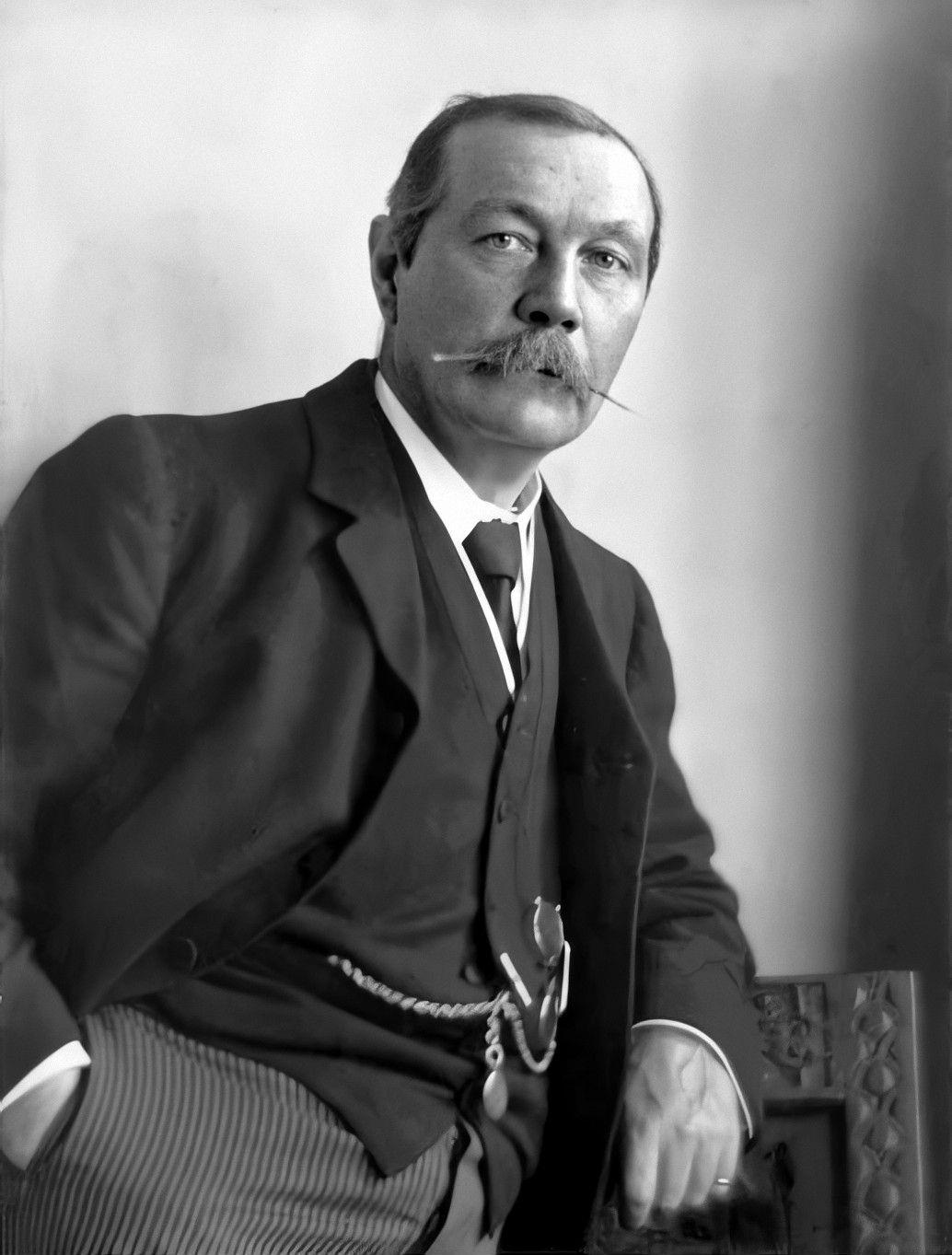
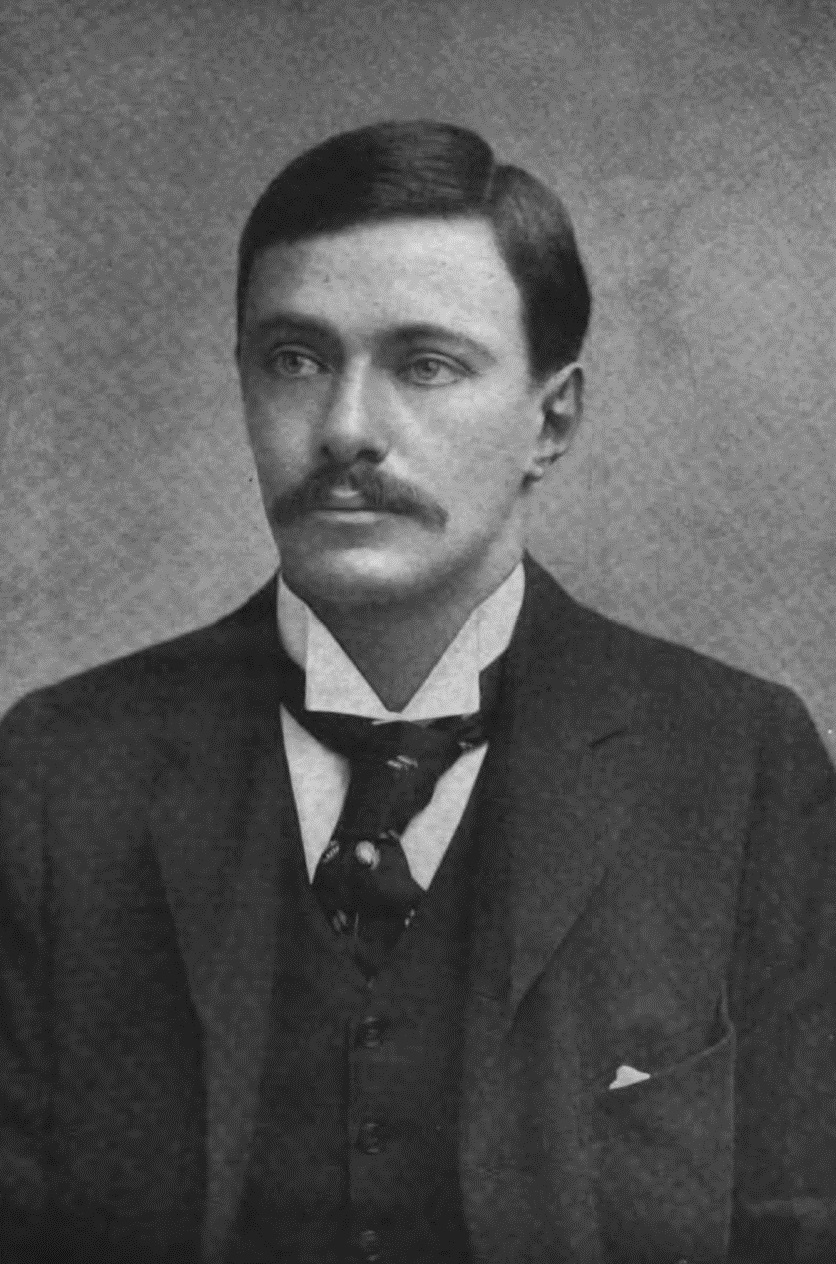
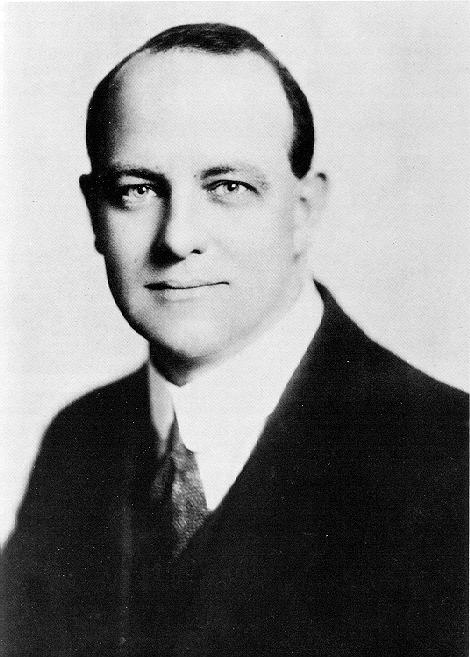
William Wymark Jacobs was an English author celebrated for his mastery of short fiction and drama, particularly in the realm of horror and the macabre. Born in 1863, Jacobs spent much of his early life in London, where he developed a keen interest in storytelling. His most famous work, 'The Monkey's Paw,' published in 1902, is a chilling tale that explores themes of fate and the consequences of tampering with the unknown. This story has become a staple in the horror genre, noted for its unsettling atmosphere and moral lessons about greed and the dangers of wishing for more than one is entitled to. Jacobs' literary significance extends beyond just 'The Monkey's Paw.' He wrote numerous short stories that often featured a blend of humor and horror, showcasing his ability to capture the quirks of human nature. His works, such as 'The Lady of the Barge' and 'The Toll House,' further solidified his reputation as a skilled storyteller. Jacobs' unique blend of the ordinary and the eerie has influenced many writers in the horror genre, and his legacy endures through adaptations of his stories in various media, ensuring that his contributions to literature remain relevant and appreciated long after his passing in 1943.
Famous Quotes
View all 6 quotes“She stooped for a stone and dropped it down.'Fancy being where that is now,' she said, peering into the blackness; 'fancy going round and round like a mouse in a pail, clutching at the slimy sides, with the water filling your mouth, and looking up to the little patch of sky above.''You had better come in,' said Benson, very quietly. 'You are developing a taste for the morbid and horrible.' ("The Well")””
“I've never understood it,' continued Wilfred Carr, yawning. 'It's not in my line at all; I never had enough money for my own wants, let alone for two. Perhaps if I were as rich as you or Croesus I might regard it differently.' There was just sufficient meaning in the latter part of the remark for his cousin to forbear to reply to it. He continued to gaze out of the window and to smoke slowly. 'Not being as rich as Croesus - or you,' resumed Carr, regarding him from beneath lowered lids, 'I paddle my own canoe down the stream of Time, and, tying it to my friends' doorposts, go in to eat their dinners.' ("The Well")””
“But the days passed, and expectations gave way to resignation”
Books from the author

![Night Watches [complete]](/_next/image?url=https%3A%2F%2Fd3b2n8gj62qnwr.cloudfront.net%2FCOVERS%2Fgutenberg_covers75k%2Febook-12161.png&w=3840&q=75)
![His Other Self [night Watches, Part 10.]](/_next/image?url=https%3A%2F%2Fd3b2n8gj62qnwr.cloudfront.net%2FCOVERS%2Fgutenberg_covers75k%2Febook-12160.png&w=3840&q=75)
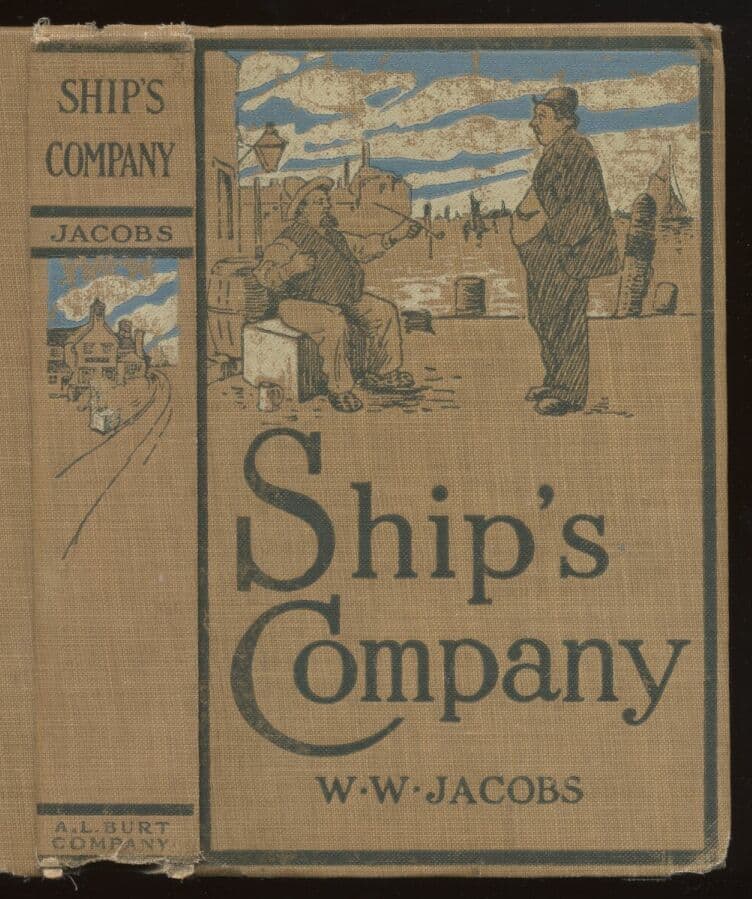

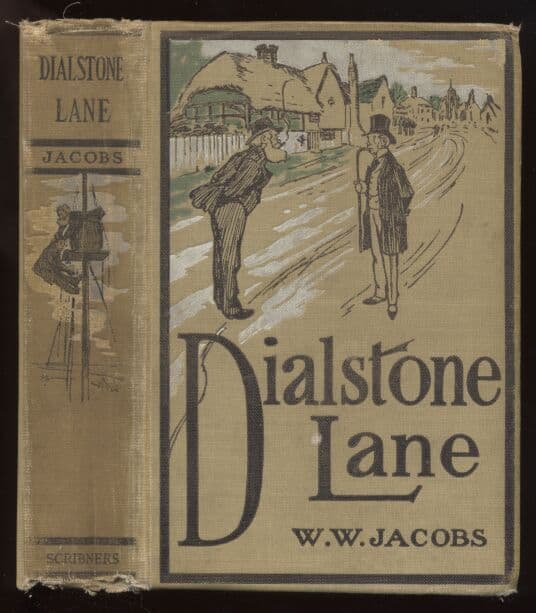
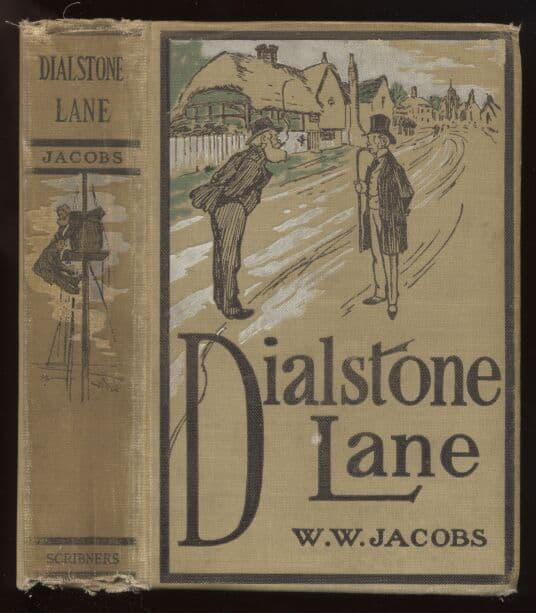
![Dialstone Lane [complete]](/_next/image?url=https%3A%2F%2Fd3b2n8gj62qnwr.cloudfront.net%2FCOVERS%2Fgutenberg_covers75k%2Febook-11976.png&w=3840&q=75)
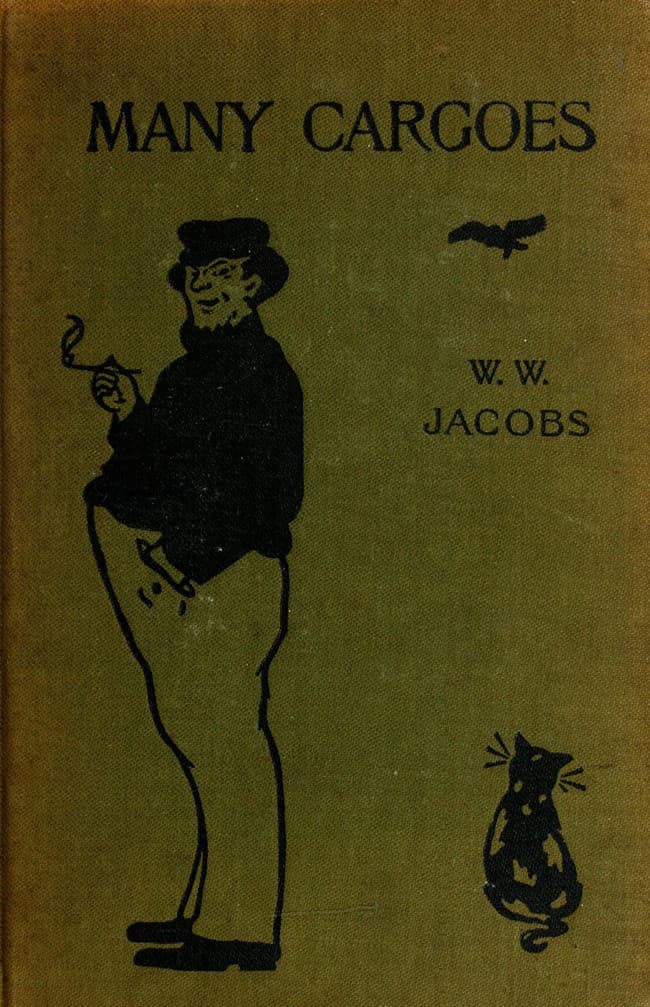
![Odd Craft [complete]](/_next/image?url=https%3A%2F%2Fd3b2n8gj62qnwr.cloudfront.net%2FCOVERS%2Fgutenberg_covers75k%2Febook-12215.png&w=3840&q=75)
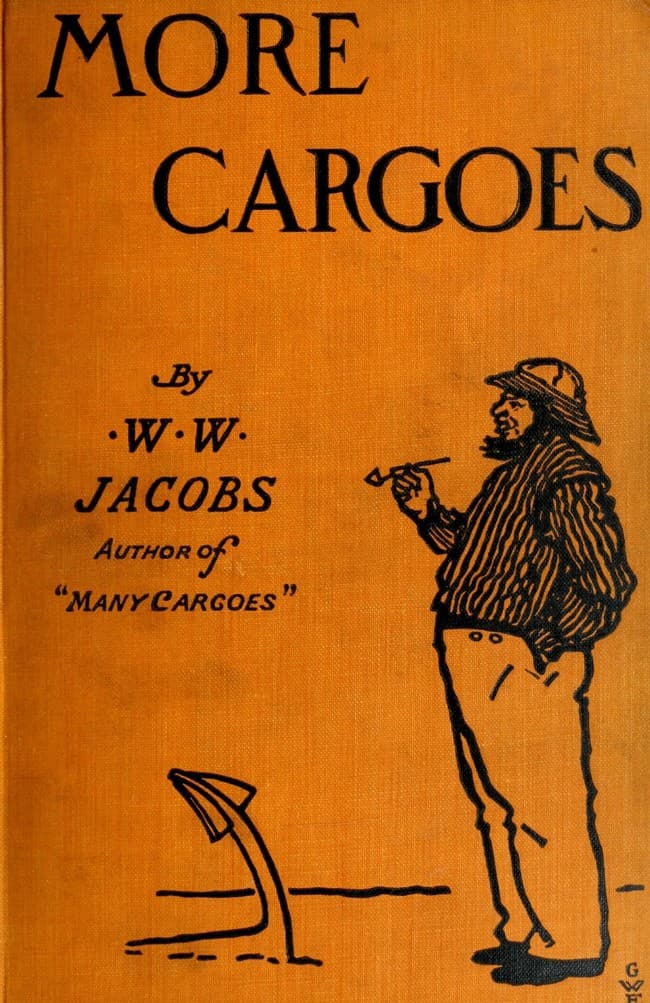
![The Three Sisters [night Watches, Part 6.]](/_next/image?url=https%3A%2F%2Fd3b2n8gj62qnwr.cloudfront.net%2FCOVERS%2Fgutenberg_covers75k%2Febook-12156.png&w=3840&q=75)
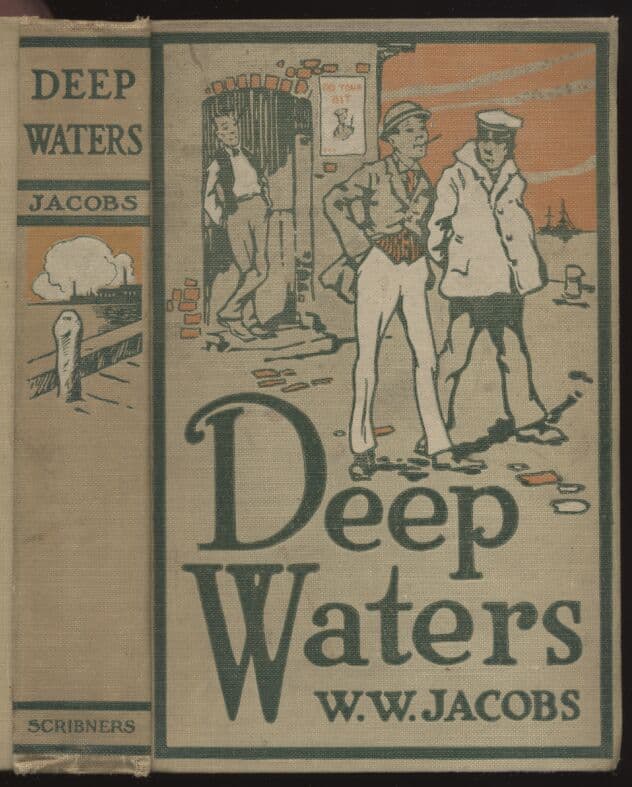
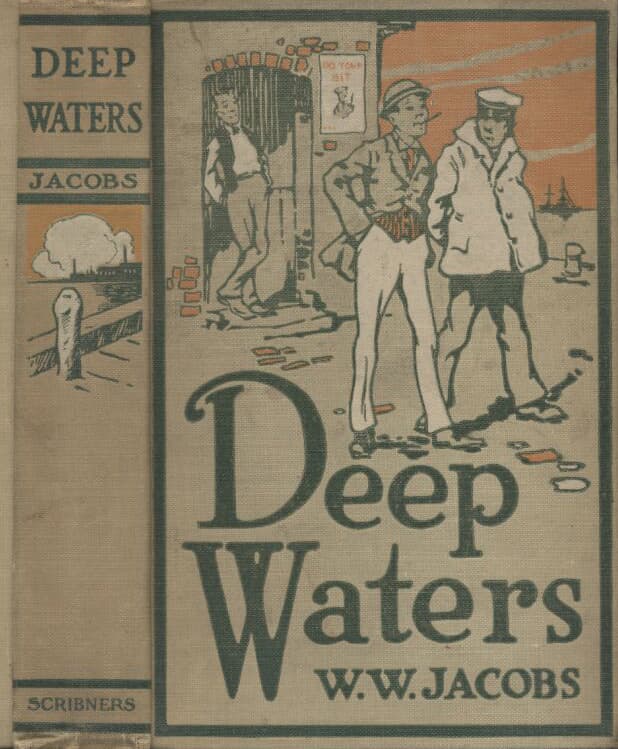
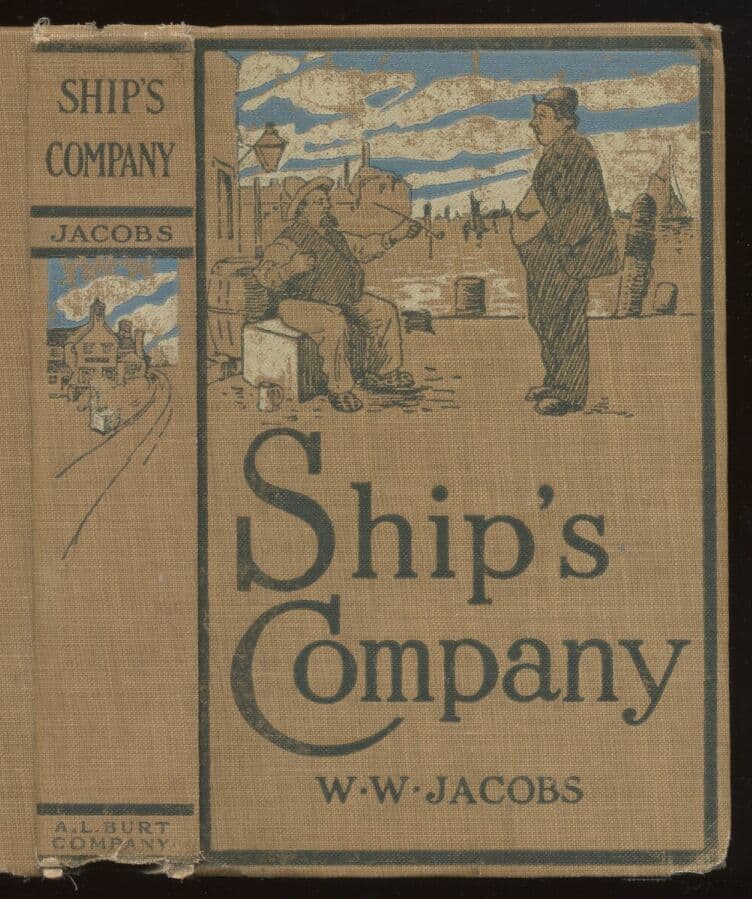
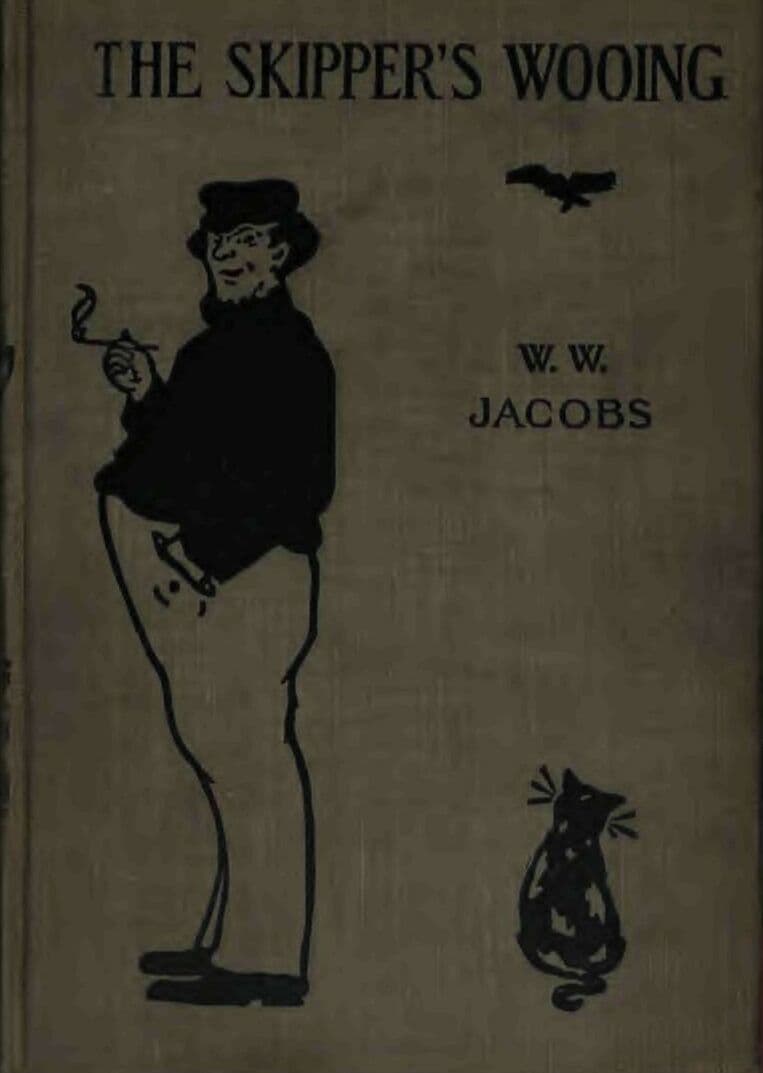
![The Weaker Vessel [night Watches, Part 4.]](/_next/image?url=https%3A%2F%2Fd3b2n8gj62qnwr.cloudfront.net%2FCOVERS%2Fgutenberg_covers75k%2Febook-12154.png&w=3840&q=75)
![Easy Money [night Watches, Part 9.]](/_next/image?url=https%3A%2F%2Fd3b2n8gj62qnwr.cloudfront.net%2FCOVERS%2Fgutenberg_covers75k%2Febook-12159.png&w=3840&q=75)
![The Vigil [night Watches, Part 8.]](/_next/image?url=https%3A%2F%2Fd3b2n8gj62qnwr.cloudfront.net%2FCOVERS%2Fgutenberg_covers75k%2Febook-12158.png&w=3840&q=75)
![Stepping Backwards [night Watches, Part 5.]](/_next/image?url=https%3A%2F%2Fd3b2n8gj62qnwr.cloudfront.net%2FCOVERS%2Fgutenberg_covers75k%2Febook-12155.png&w=3840&q=75)

![Keeping Watch [night Watches, Part 2.]](/_next/image?url=https%3A%2F%2Fd3b2n8gj62qnwr.cloudfront.net%2FCOVERS%2Fgutenberg_covers75k%2Febook-12152.png&w=3840&q=75)
![Back to Back [night Watches, Part 1.]](/_next/image?url=https%3A%2F%2Fd3b2n8gj62qnwr.cloudfront.net%2FCOVERS%2Fgutenberg_covers75k%2Febook-12151.png&w=3840&q=75)
![The Unknown [night Watches, Part 7.]](/_next/image?url=https%3A%2F%2Fd3b2n8gj62qnwr.cloudfront.net%2FCOVERS%2Fgutenberg_covers75k%2Febook-12157.png&w=3840&q=75)
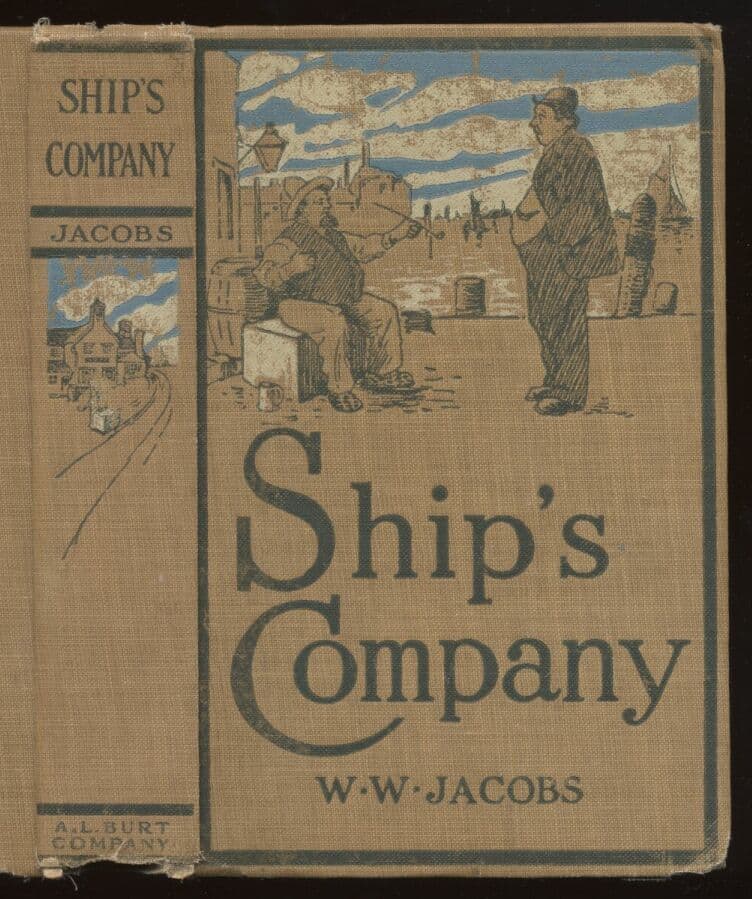
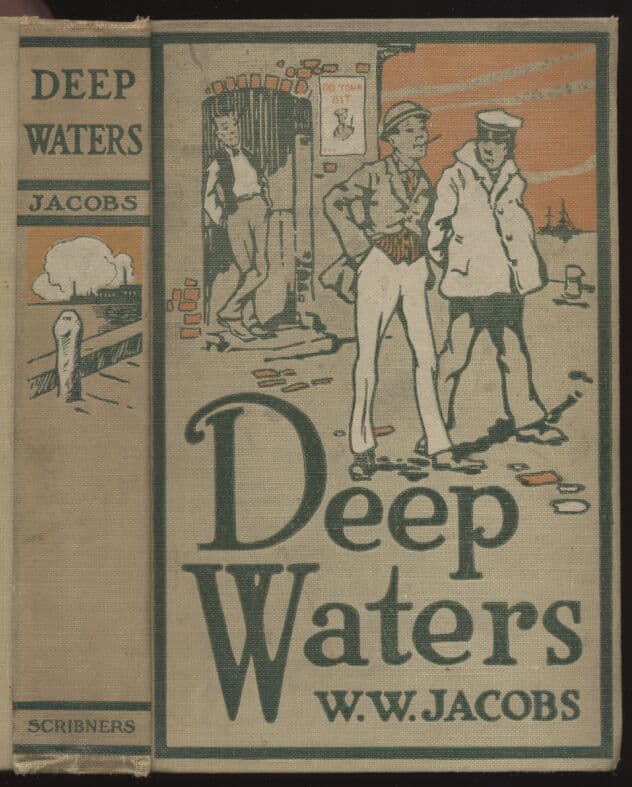
![The Understudy [night Watches, Part 3.]](/_next/image?url=https%3A%2F%2Fd3b2n8gj62qnwr.cloudfront.net%2FCOVERS%2Fgutenberg_covers75k%2Febook-12153.png&w=3840&q=75)


Link to this page
Add a free, dofollow link to Lex on your blog, forum, syllabus, or reading list.

<a href="https://lex-books.com/author/w-w-jacobs"><img src="https://lex-books.com/badges/read-on-lex.svg" alt="W. W. Jacobs on Lex" width="160" height="40"></a>[](https://lex-books.com/author/w-w-jacobs)[url=https://lex-books.com/author/w-w-jacobs][img]https://lex-books.com/badges/read-on-lex.svg[/img][/url]W. W. Jacobs on Lex: https://lex-books.com/author/w-w-jacobs