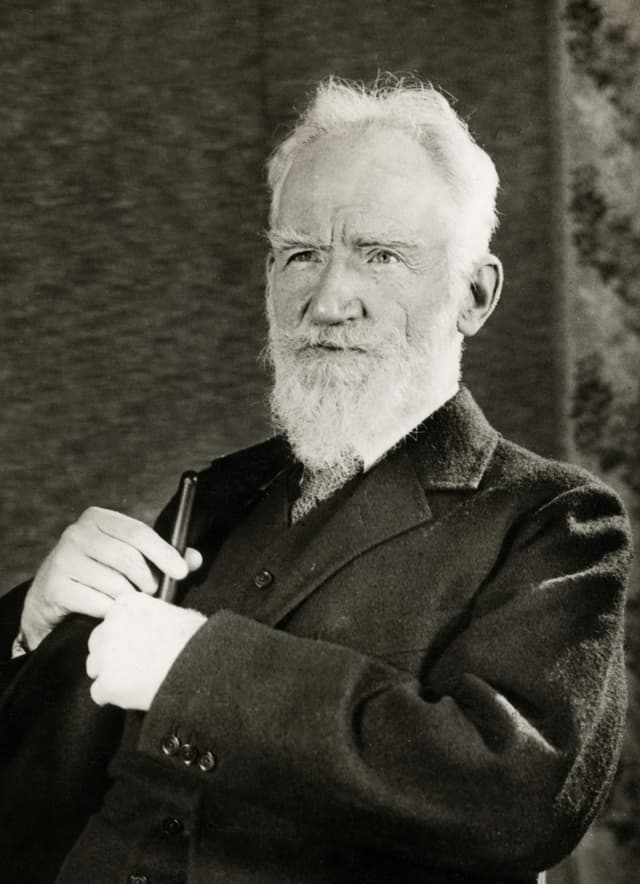
Bernard Shaw
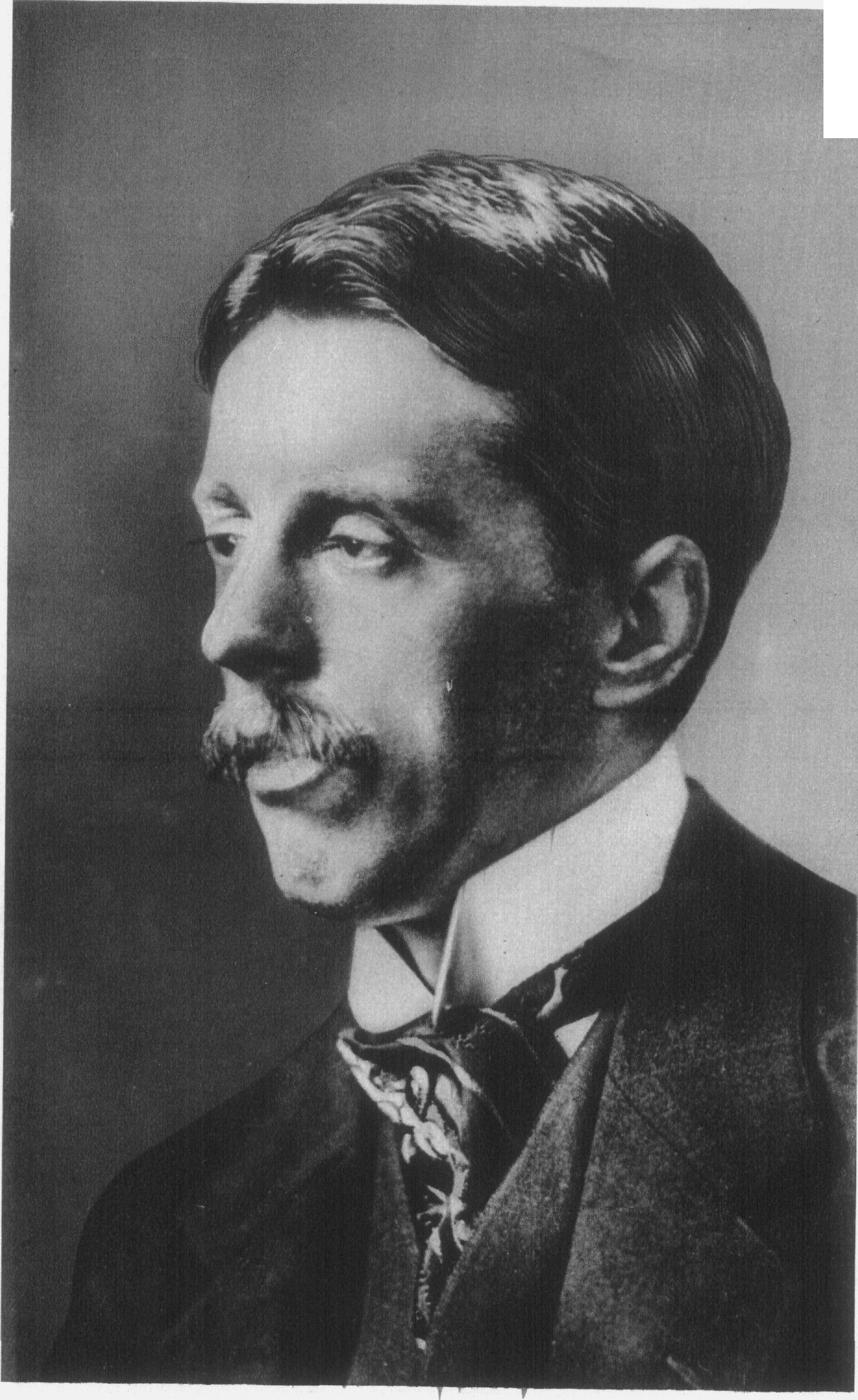
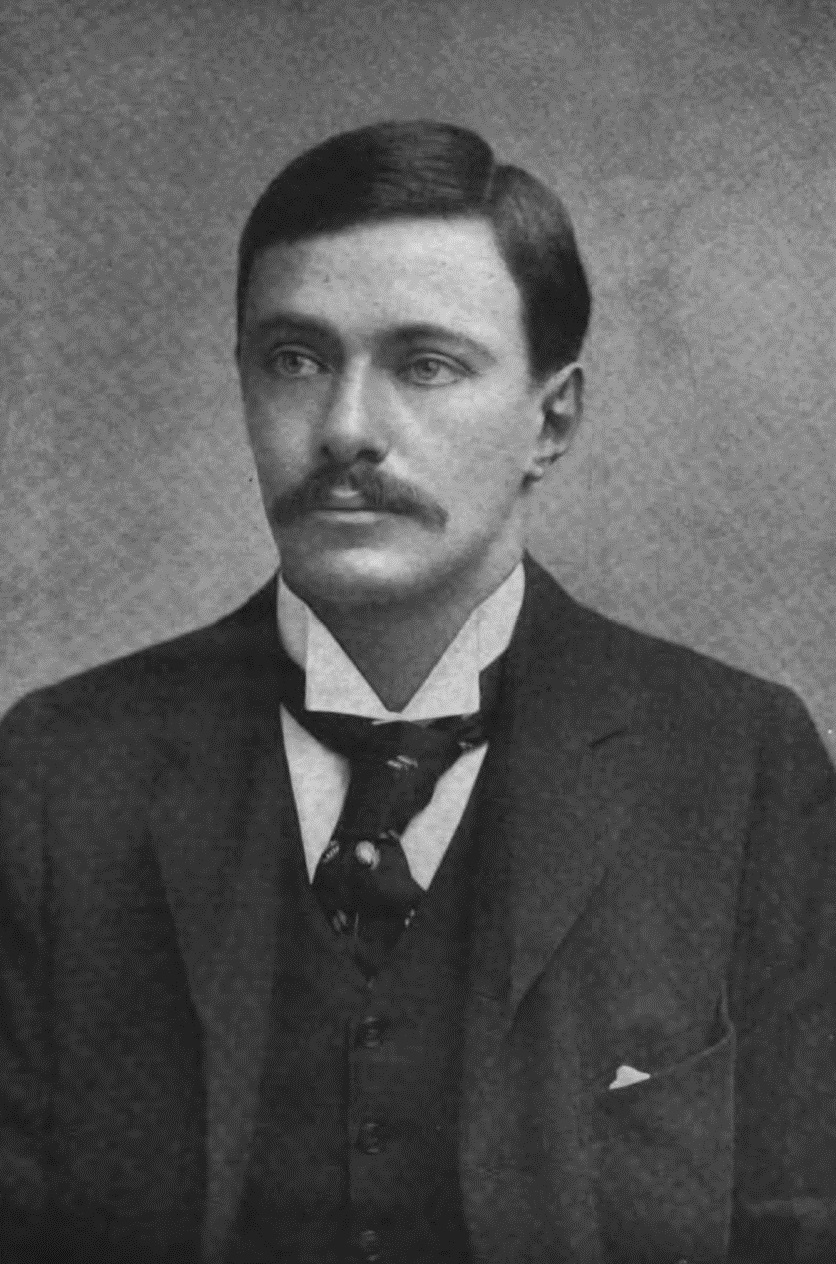
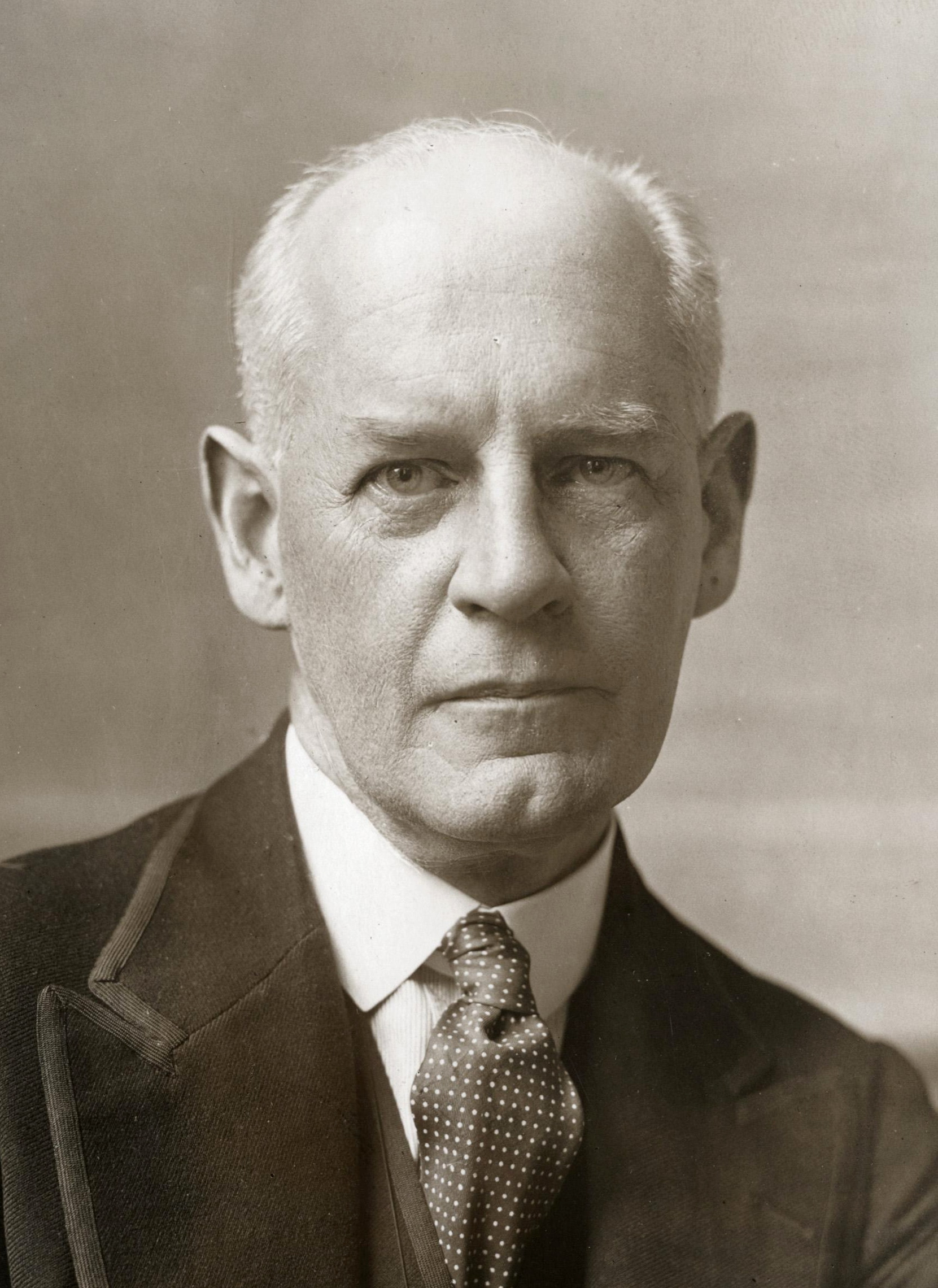
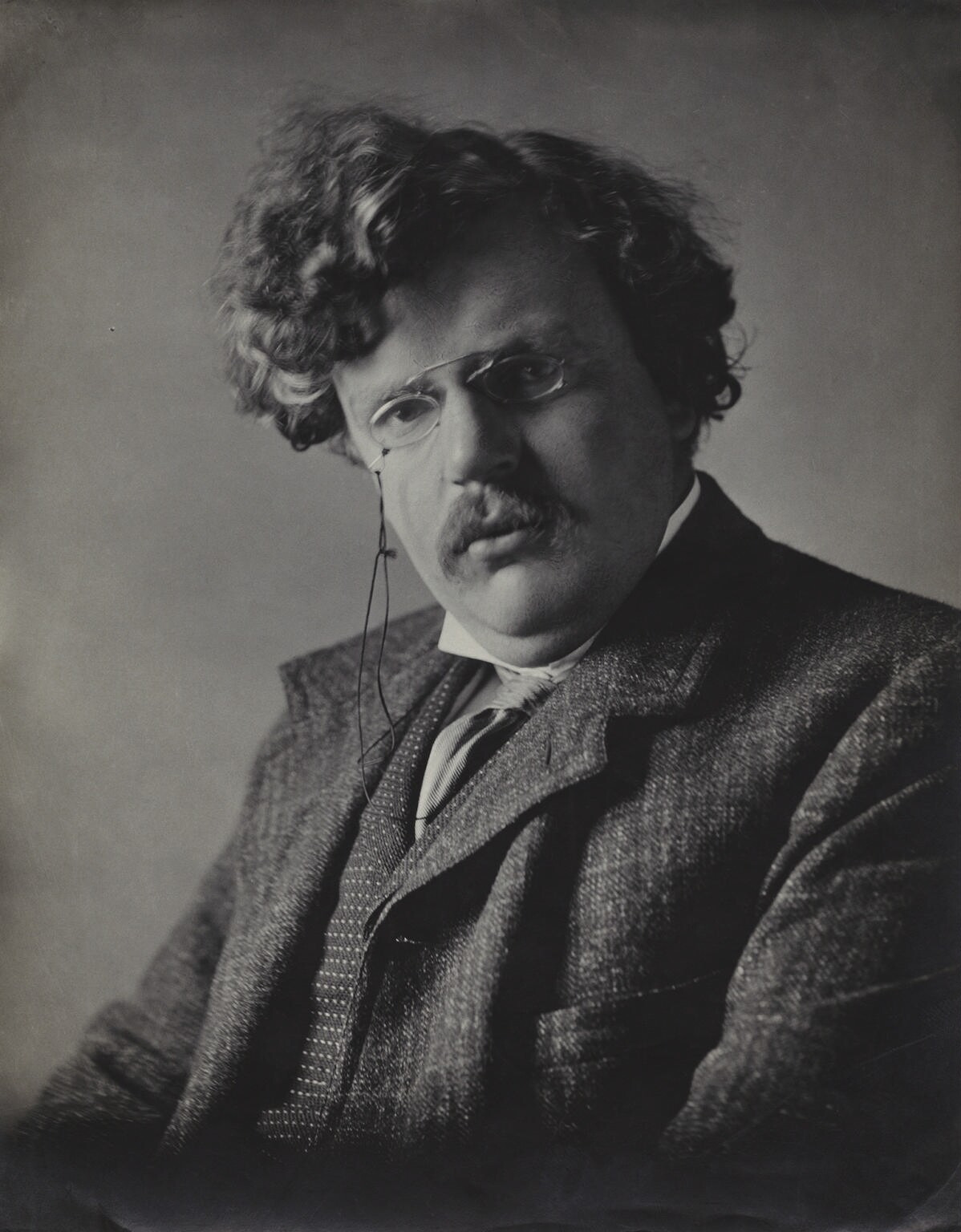
George Bernard Shaw, known simply as Bernard Shaw, was an influential Irish playwright, critic, and political activist whose work left a lasting impact on Western theatre and culture. Born in Dublin, he moved to London in 1876, where he initially struggled to establish himself as a writer. Through a rigorous process of self-education, he became a respected theatre and music critic by the mid-1880s. Shaw's breakthrough came with the play 'Arms and the Man' in 1894, and he went on to write over sixty plays, including notable works such as 'Man and Superman,' 'Pygmalion,' and 'Saint Joan.' His writing often combined contemporary satire with historical allegory, establishing him as the leading dramatist of his generation. In recognition of his contributions to literature, he was awarded the Nobel Prize in Literature in 1925. Shaw's plays were not only entertaining but also served as vehicles for his political, social, and religious ideas, influenced by the works of Henrik Ibsen. He was a prominent member of the Fabian Society, advocating for gradual social reform, though his views often sparked controversy. He was unafraid to express contentious opinions, including support for eugenics and criticism of organized religion. His political stance during World War I, where he condemned both sides as equally culpable, further solidified his reputation as a provocative figure. Despite his controversial views, Shaw's productivity as a dramatist remained strong throughout his life, and he continued to write until shortly before his death at the age of ninety-four, leaving behind a legacy that shaped modern drama and political discourse.
Famous Quotes
View all 19 quotes“A Native American elder once described his own inner struggles in this manner: Inside of me there are two dogs. One of the dogs is mean and evil. The other dog is good. The mean dog fights the good dog all the time. When asked which dog wins, he reflected for a moment and replied, The one I feed the most.”
“When two people are under the influence of the most violent, most insane, most delusive, and most transient of passions, they are required to swear that they will remain in that excited, abnormal, and exhausting condition continuously until death do them part.”
“People are always blaming their circumstances for what they are. I don't believe in circumstances. The people who get on in this world are the people who get up and look for the circumstances they want, and if they can't find them, make them.”
Books from the author














Link to this page
Add a free, dofollow link to Lex on your blog, forum, syllabus, or reading list.

<a href="https://lex-books.com/author/bernard-shaw"><img src="https://lex-books.com/badges/read-on-lex.svg" alt="Bernard Shaw on Lex" width="160" height="40"></a>[](https://lex-books.com/author/bernard-shaw)[url=https://lex-books.com/author/bernard-shaw][img]https://lex-books.com/badges/read-on-lex.svg[/img][/url]Bernard Shaw on Lex: https://lex-books.com/author/bernard-shaw