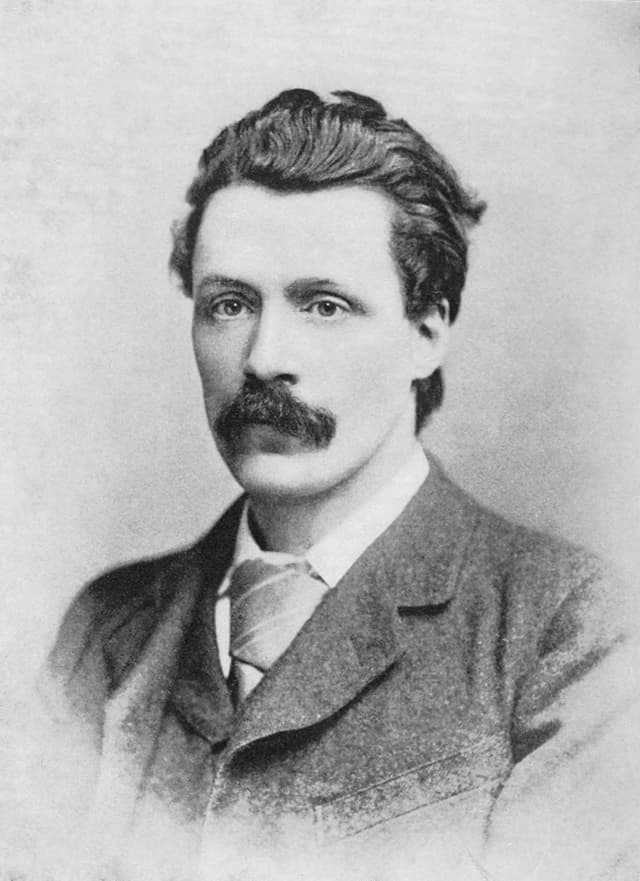
George Gissing
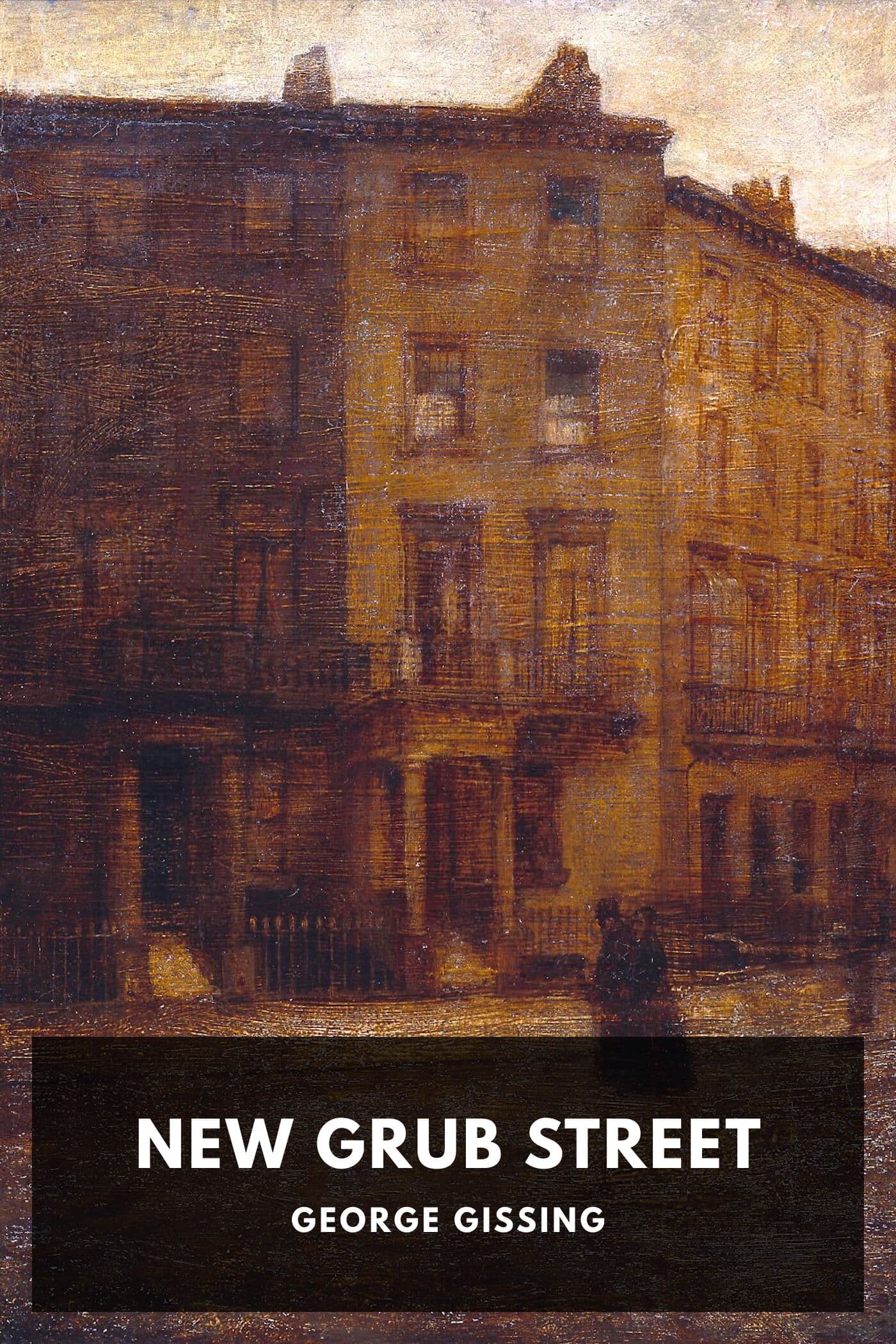
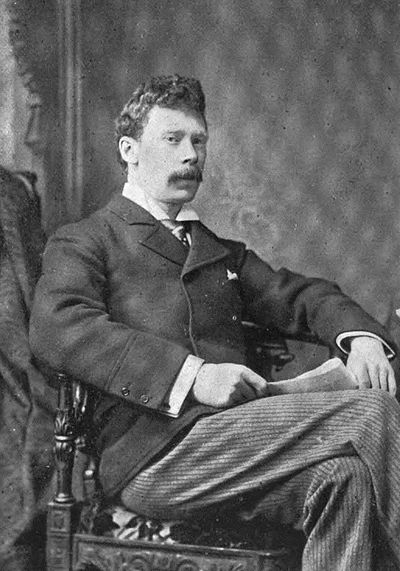
George Gissing was an English novelist renowned for his incisive exploration of social issues and the struggles of the lower and middle classes in Victorian society. Over his prolific career, he published 23 novels, with notable works including 'The Nether World' (1889), which depicted the harsh realities of life in London's working-class districts, and 'New Grub Street' (1891), a critical examination of the literary world and the commercialization of art. His novel 'The Odd Women' (1893) addressed themes of gender and the plight of unmarried women, showcasing his progressive views on social issues of his time. Gissing's literary significance grew throughout the late 19th century, earning him recognition as one of England's foremost novelists alongside contemporaries such as Thomas Hardy and George Meredith. His works, characterized by their realism and psychological depth, have influenced later writers and continue to be studied for their social commentary. Despite a decline in popularity after his death, Gissing's reputation has been revived, and he is now celebrated for his contributions to the development of the modern novel, leaving a lasting legacy that resonates with readers and scholars alike.
Famous Quotes
View all 3 quotes“I know every book of mine by its smell, and I have but to put my nose between the pages to be reminded of all sorts of things.”
“The misery of having no time to read a thousand glorious books.”
“It is the mind which creates the world around us, and even though we stand side by side in the same meadow, my eyes will never see what is beheld by yours, my heart will never stir to the emotions with which yours is touched.”
Books from the author

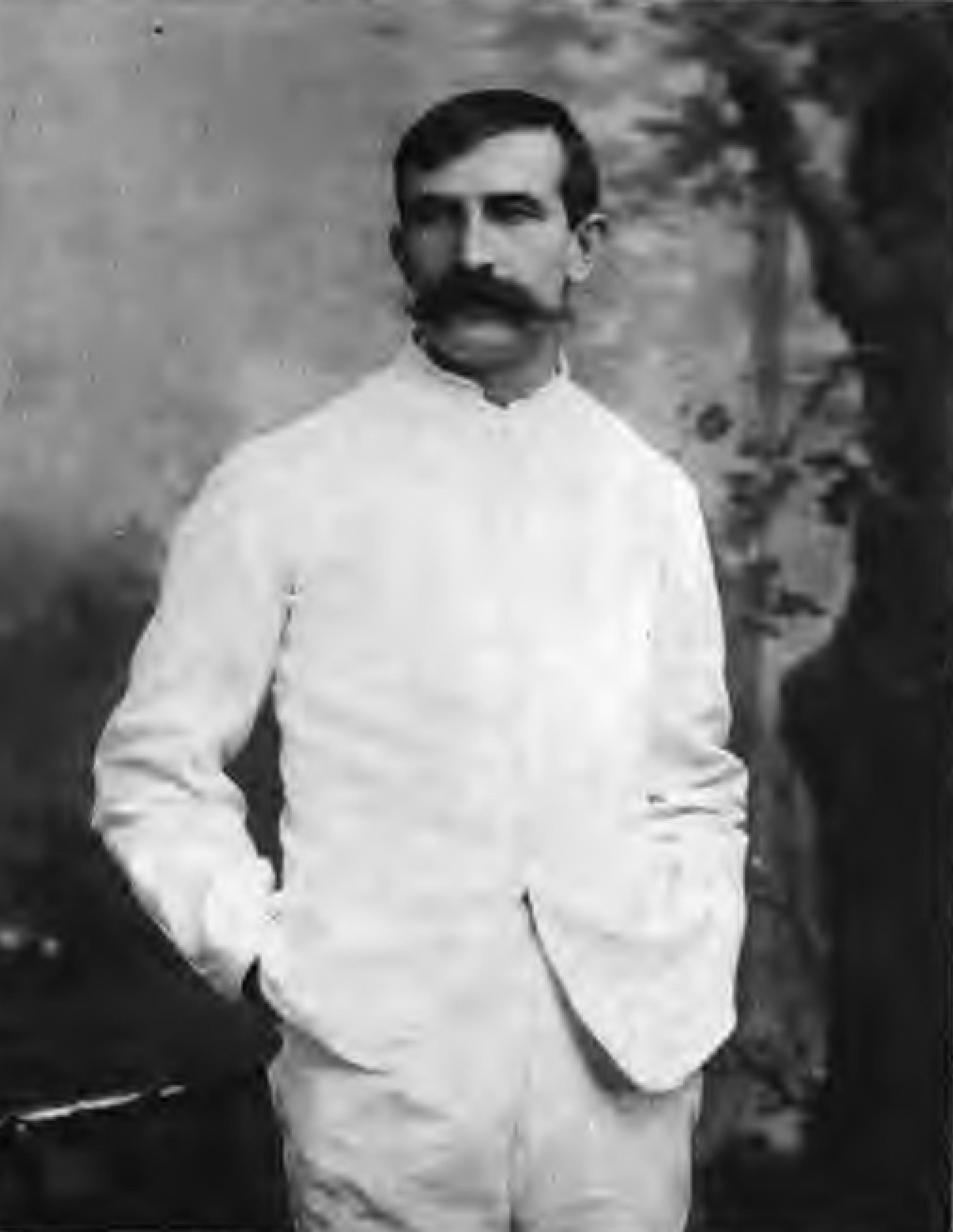
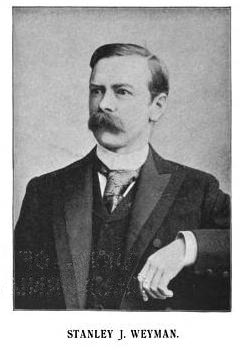
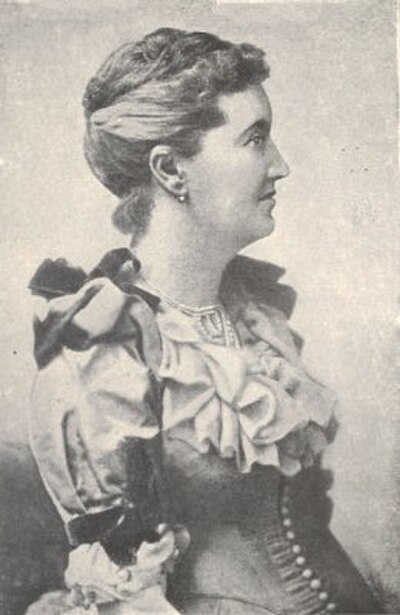
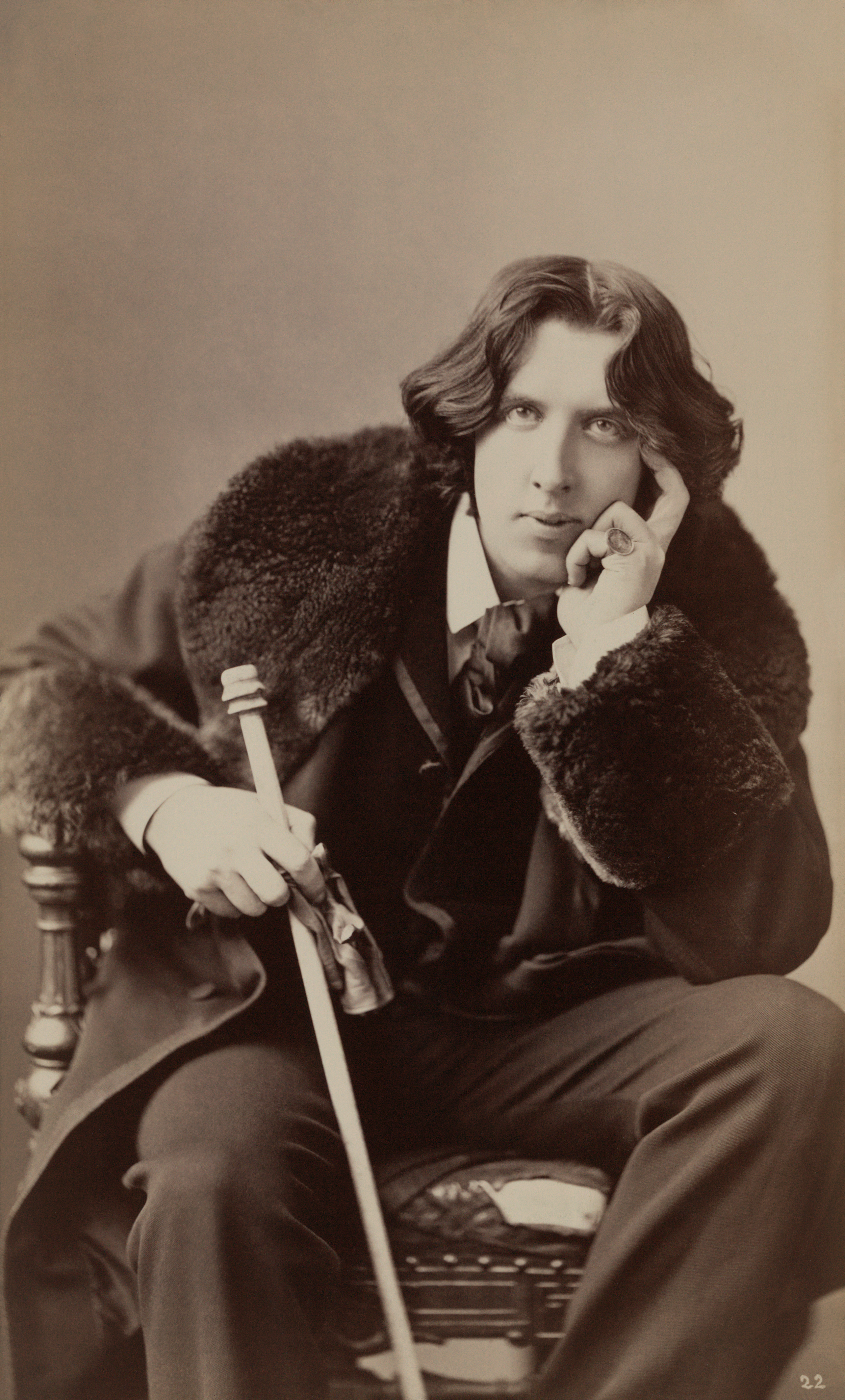

Link to this page
Add a free, dofollow link to Lex on your blog, forum, syllabus, or reading list.

<a href="https://lex-books.com/author/george-gissing"><img src="https://lex-books.com/badges/read-on-lex.svg" alt="George Gissing on Lex" width="160" height="40"></a>[](https://lex-books.com/author/george-gissing)[url=https://lex-books.com/author/george-gissing][img]https://lex-books.com/badges/read-on-lex.svg[/img][/url]George Gissing on Lex: https://lex-books.com/author/george-gissing