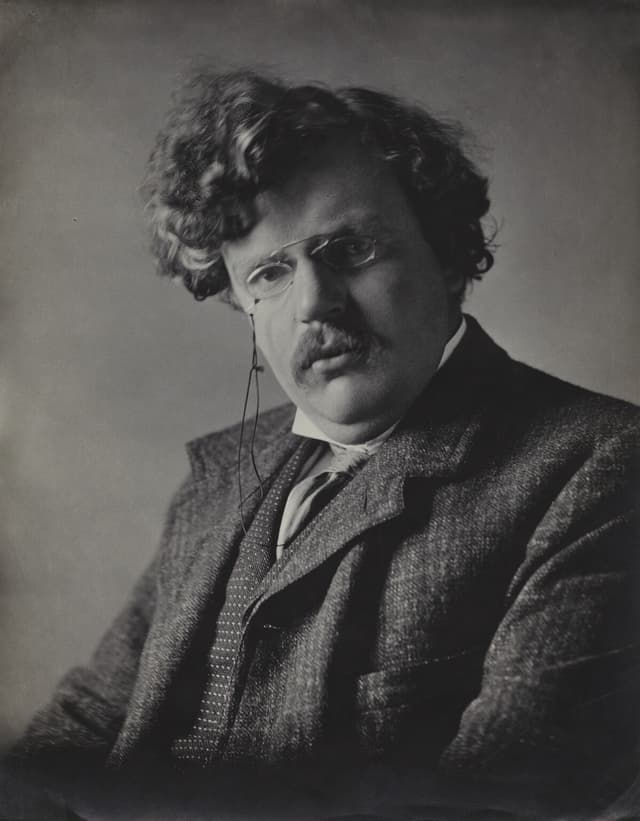
G. K. Chesterton
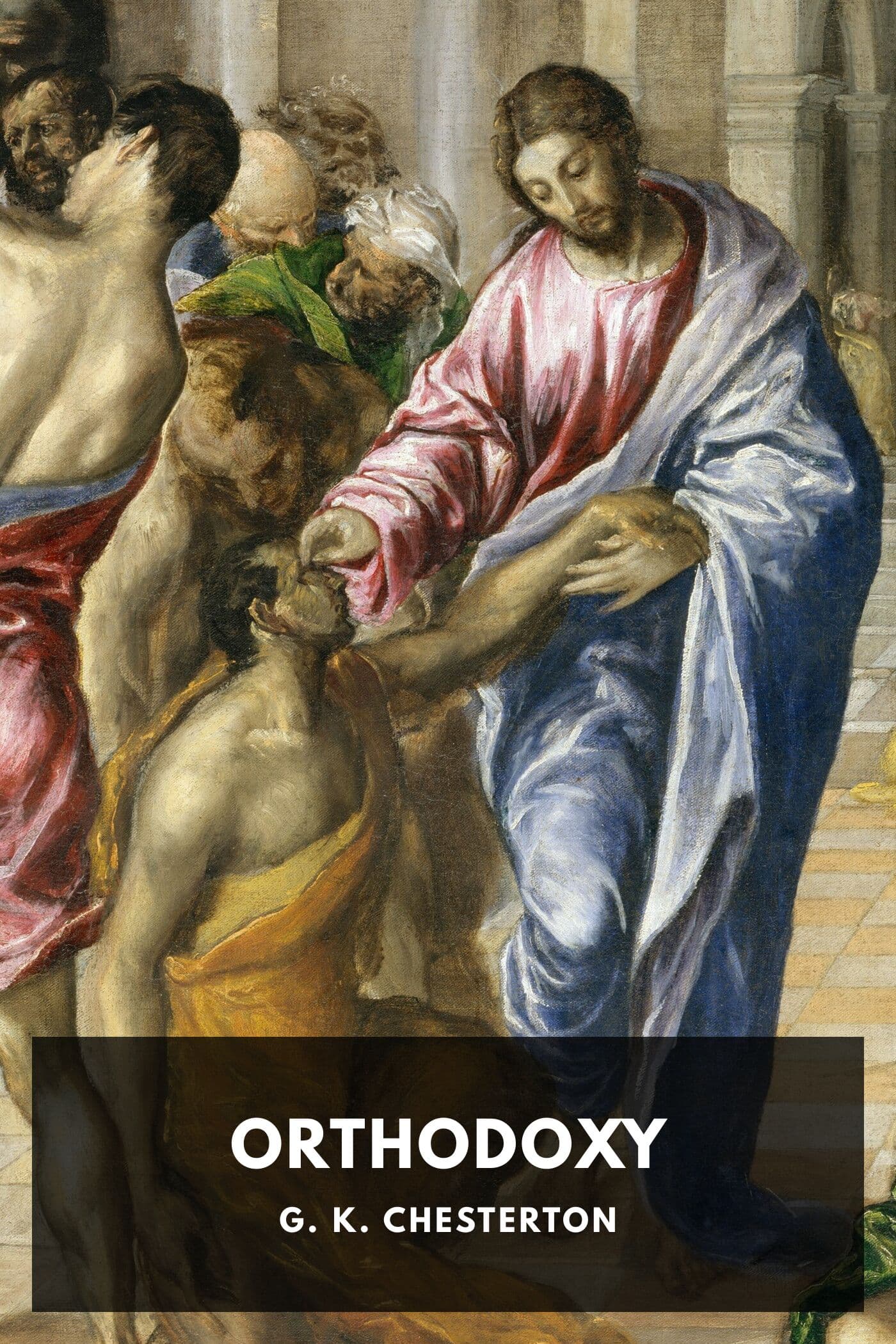
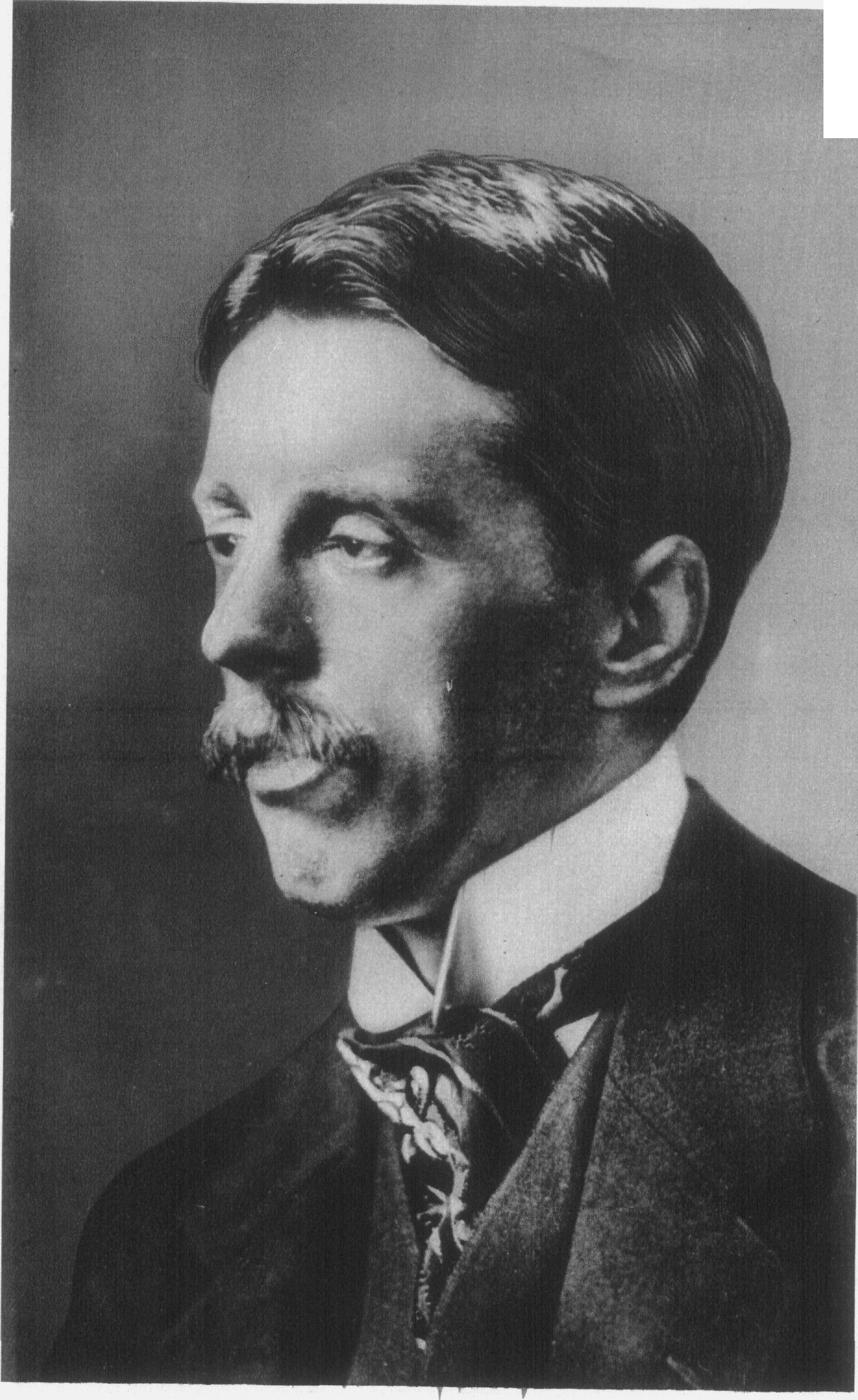
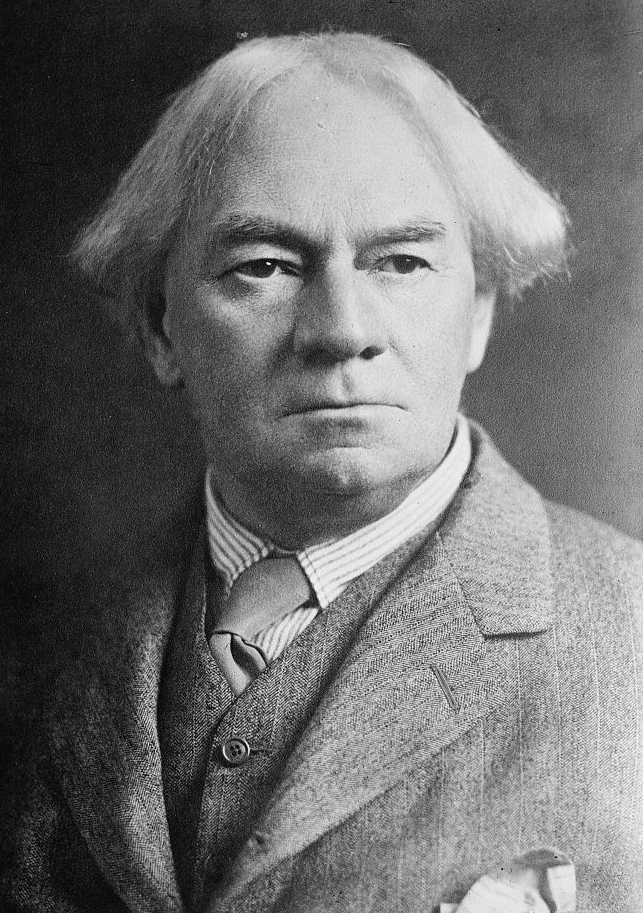
Gilbert Keith Chesterton was an influential English writer and Christian apologist, renowned for his sharp wit and paradoxical style. Born in 1874, he emerged as a prominent literary figure in the early 20th century, contributing significantly to various genres, including fiction, poetry, and essays. Chesterton is perhaps best known for his creation of the detective character Father Brown, who appeared in a series of short stories that combined mystery with moral and philosophical insights. His works often defended traditional values against the backdrop of modernity, showcasing his belief in the importance of faith and reason in a rapidly changing world. Chesterton's literary significance extends beyond his fiction; his essays and critiques addressed social and political issues of his time, making him a key figure in the debates surrounding modernism and secularism. His notable works include 'Orthodoxy,' where he articulates his Christian beliefs, and 'The Everlasting Man,' which presents a defense of Christianity through the lens of history. Chesterton's legacy endures through his ability to engage readers with profound ideas wrapped in humor and paradox, solidifying his place as a major voice in 20th-century literature and thought.
Famous Quotes
View all 59 quotes“Because children have abounding vitality, because they are in spirit fierce and free, therefore they want things repeated and unchanged. They always say, "Do it again"; and the grown-up person does it again until he is nearly dead. For grown-up people are not strong enough to exult in monotony. But perhaps God is strong enough to exult in monotony. It is possible that God says every morning, "Do it again" to the sun; and every evening, "Do it again" to the moon. It may not be automatic necessity that makes all daisies alike; it may be that God makes every daisy separately, but has never got tired of making them. It may be that He has the eternal appetite of infancy; for we have sinned and grown old, and our Father is younger than we.”
“You say grace before meals. All right. But I say grace before the concert and the opera, and grace before the play and pantomime, and grace before I open a book, and grace before sketching, painting, swimming, fencing, boxing, walking, playing, dancing and grace before I dip the pen in the ink.”
“I wish we could sometimes love the characters in real life as we love the characters in romances. There are a great many human souls whom we should accept more kindly, and even appreciate more clearly, if we simply thought of them as people in a story.”
Books from the author





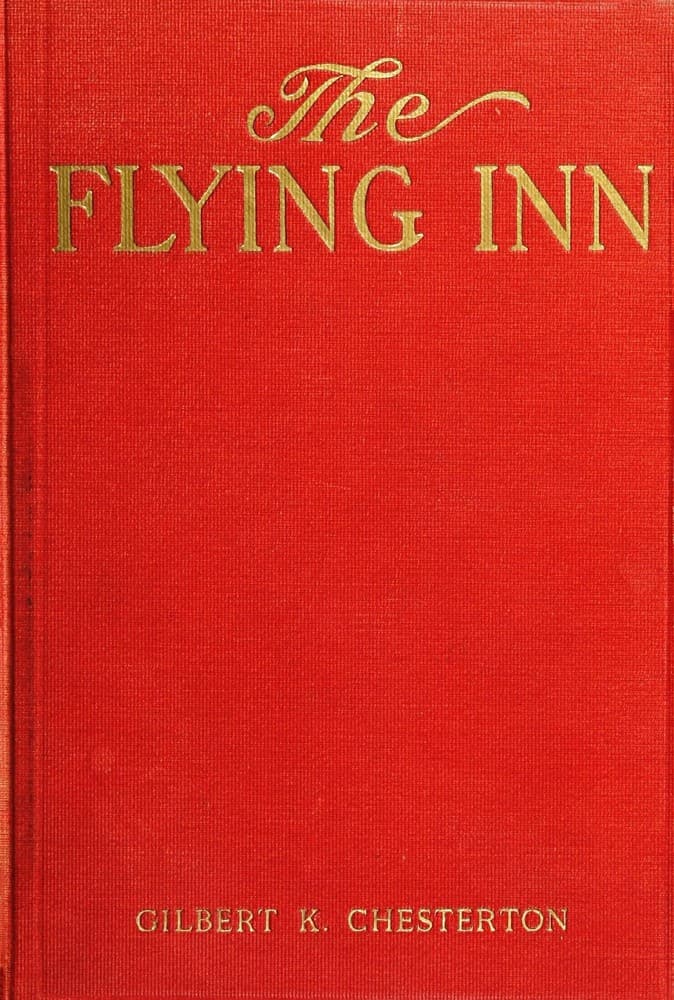

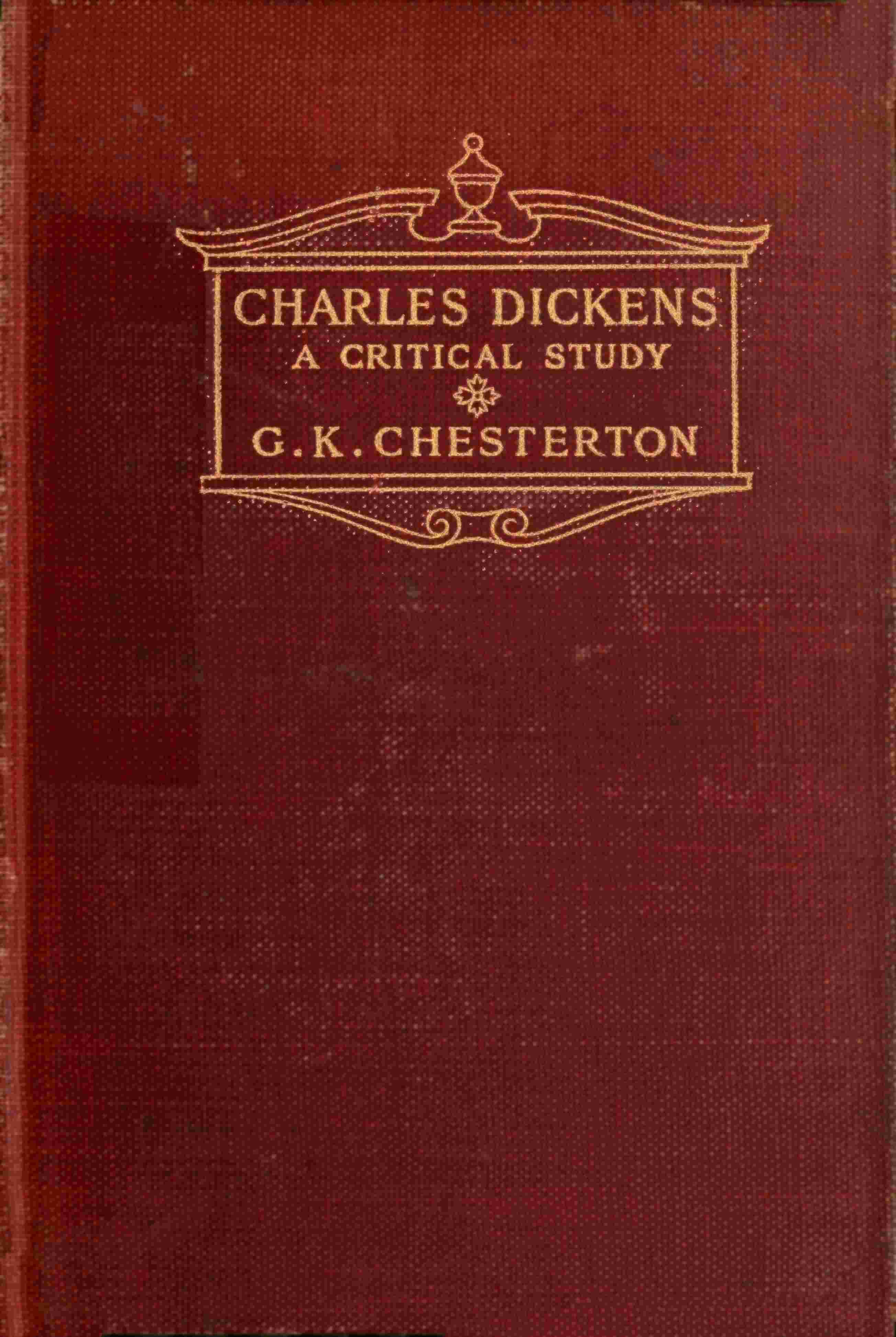
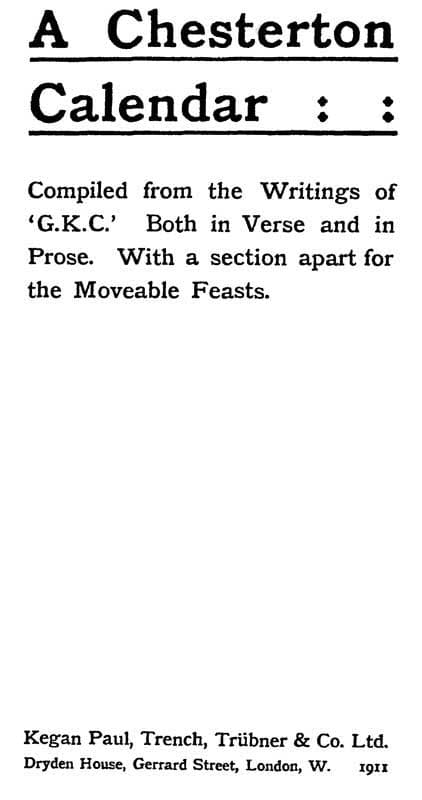
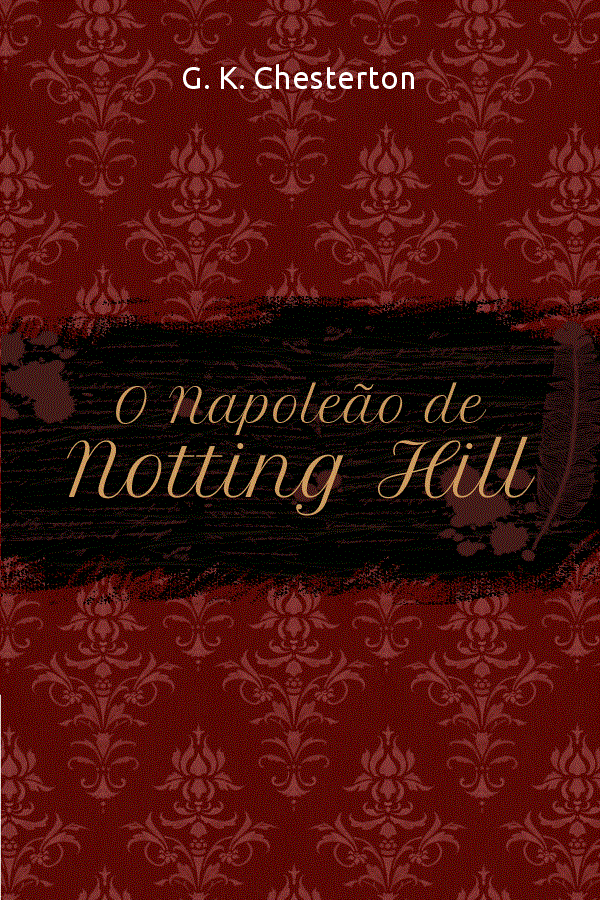
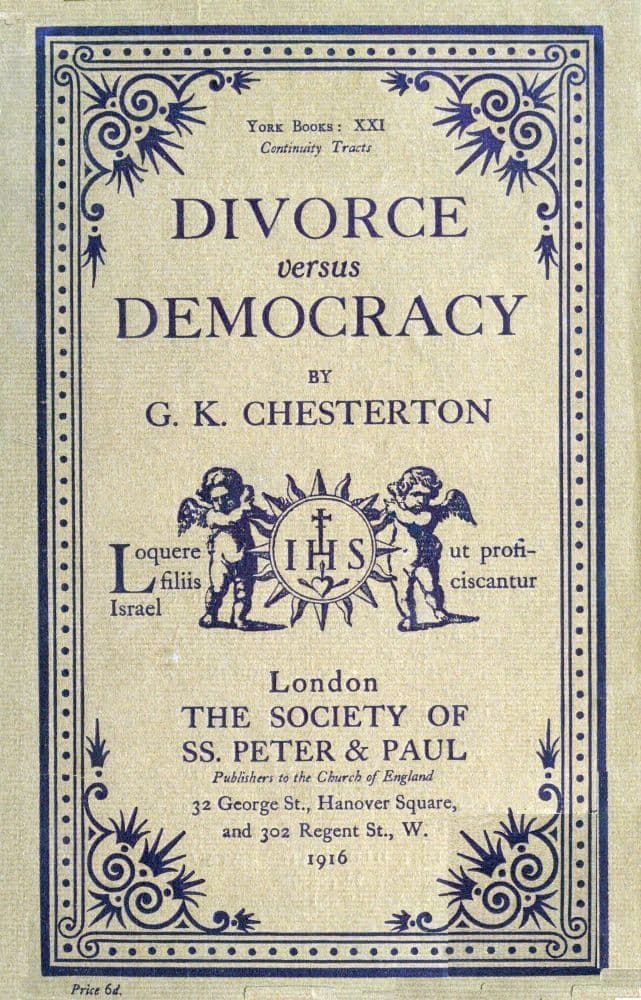
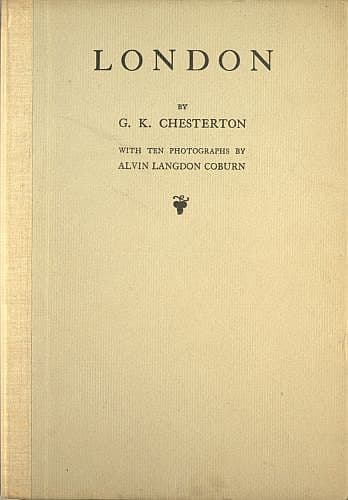

Link to this page
Add a free, dofollow link to Lex on your blog, forum, syllabus, or reading list.

<a href="https://lex-books.com/author/g-k-chesterton"><img src="https://lex-books.com/badges/read-on-lex.svg" alt="G. K. Chesterton on Lex" width="160" height="40"></a>[](https://lex-books.com/author/g-k-chesterton)[url=https://lex-books.com/author/g-k-chesterton][img]https://lex-books.com/badges/read-on-lex.svg[/img][/url]G. K. Chesterton on Lex: https://lex-books.com/author/g-k-chesterton