Time Machine (Version 2)
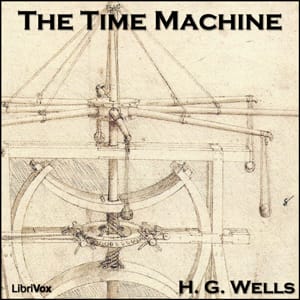
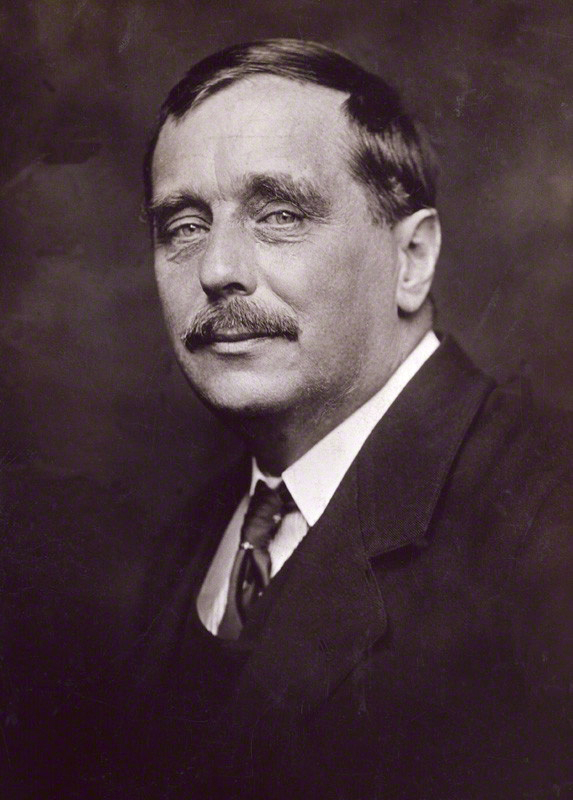
Wells didn't just write science fiction; he invented the genre's most enduring obsession. The Time Machine (1895) is the first story to take the concept of traveling through time seriously, treating it as a scientific problem with devastating consequences. Nearly 130 years later, every time-travel narrative owes something to this slim, savage novel. A Victorian scientist builds a machine and propels himself 800,000 years into the future, where humanity has split into two species: the ethereal, childlike Eloi living above ground in idyllic ease, and the nocturnal, machinic Morlocks who tend the underground engines that sustain them. What begins as wonder becomes a nightmare of entrapment, loss, and dark evolutionary prophecy. The Time Traveler's return is haunted, his story half-believed, his warning unspoken but unmistakable. Wells was a socialist, and the novel is a class allegory dressed in futurist clothing. The Eloi are the idle rich; the Morlocks are the industrial working class, literally ground down by their labor. It is both a ripping adventure and a savage critique of Victorian society, and it endures because the question it asks remains urgent: what happens when inequality is allowed to evolve unchecked?
Editions


Link to this book
Add a free, dofollow link to Lex on your blog, forum, syllabus, or reading list.

<a href="https://lex-books.com/book/time-machine-version-2-56a8ef1b-6549-4c48-9551-235a3c248d26"><img src="https://lex-books.com/badges/read-on-lex.svg" alt="Read Time Machine (Version 2) by H. G. Wells free on Lex" width="160" height="40"></a>[](https://lex-books.com/book/time-machine-version-2-56a8ef1b-6549-4c48-9551-235a3c248d26)[url=https://lex-books.com/book/time-machine-version-2-56a8ef1b-6549-4c48-9551-235a3c248d26][img]https://lex-books.com/badges/read-on-lex.svg[/img][/url]Read Time Machine (Version 2) by H. G. Wells free on Lex: https://lex-books.com/book/time-machine-version-2-56a8ef1b-6549-4c48-9551-235a3c248d26Cite this book
Reading this edition for a paper or guide? Copy a citation.
Wells, H. G.. Time Machine (Version 2). Lex, lex-books.com/book/time-machine-version-2-56a8ef1b-6549-4c48-9551-235a3c248d26.Wells, H. G. (n.d.). Time Machine (Version 2). Lex. https://lex-books.com/book/time-machine-version-2-56a8ef1b-6549-4c48-9551-235a3c248d26Wells, H. G.. Time Machine (Version 2). Lex. https://lex-books.com/book/time-machine-version-2-56a8ef1b-6549-4c48-9551-235a3c248d26.