The Vampyre; a Tale
1819
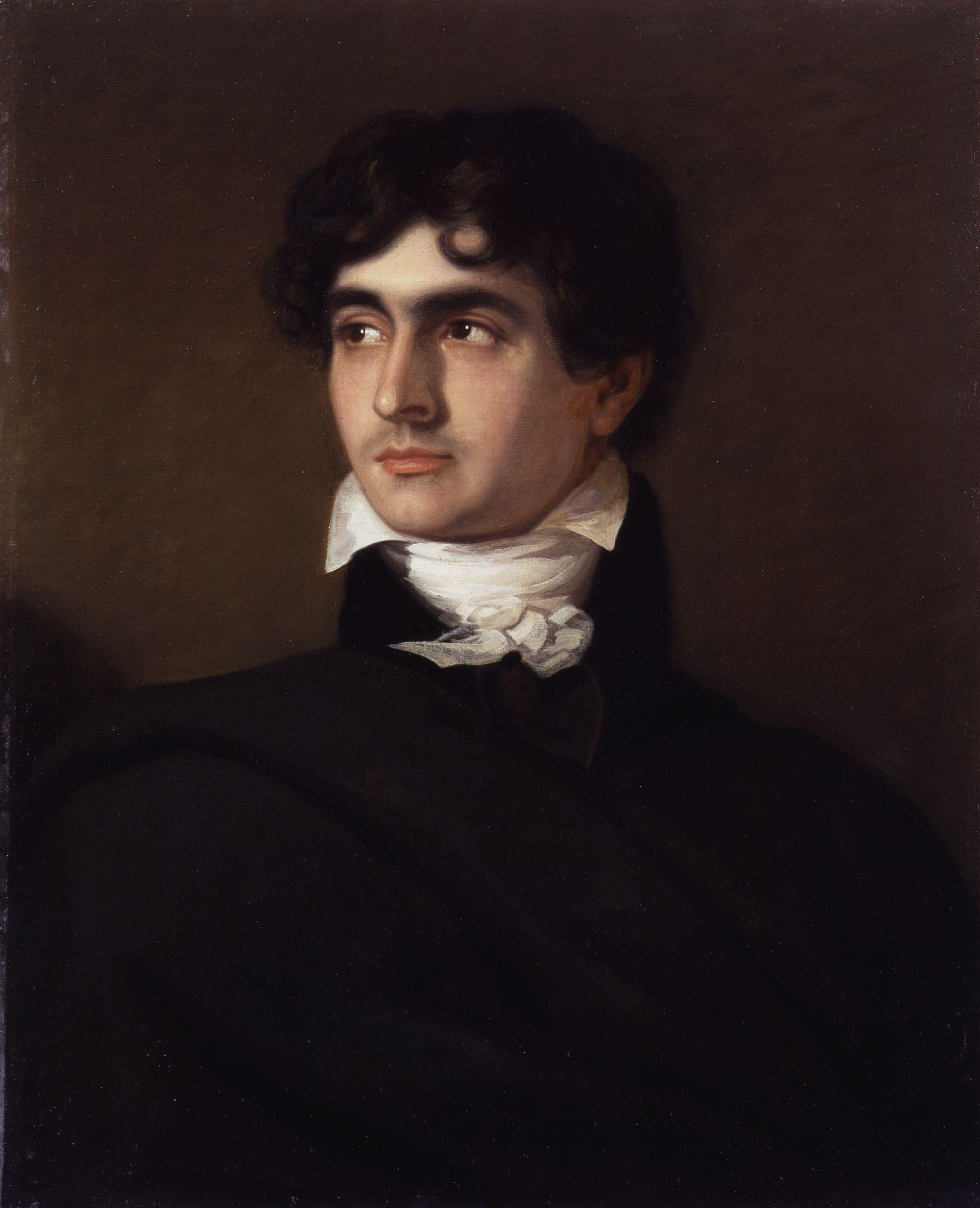
The Vampyre began as a ghost story competition among literary friends in 1819 and became the genesis of an entire genre. Polidori, physician to Lord Byron, crafted Lord Ruthven, an aristocratic vampire whose cold seduction and predatory charm became the template for every vampire that followed. Young Aubrey meets this mysterious nobleman in London society and becomes dangerously fascinated, accompanying him on a continental journey that leads to betrayal and tragedy. When Ruthven resurfaces with designs on Aubrey's innocent sister, the horrifying truth emerges. This is the source code for Dracula, Interview with the Vampire, and every gothic vampire tale that followed. It endures not because it invented vampires, but because it invented the vampire as we understand him: seductive, aristocratic, and utterly merciless.
Editions
X-Ray
“his character was dreadfully vicious, for that the possession of irresistible powers of seduction, rendered his licentious habits more dangerous to society.””
— John William Polidori
“He thought, in fine, that the dreams of poets were the realities of life.””
— John William Polidori
“all those upon whom it was bestowed, inevitably found that there was a curse upon it, for they were all either led to the scaffold, or sunk to the lowest and the most abject misery.””
— John William Polidori
“In many parts of Greece it is considered as a sort of punishment after death, for some heinous crime committed whilst in existence, that the deceased is not only doomed to vampyrise, but compelled to confine his infernal visitations solely to those beings he loved most while upon earth”
— John William Polidori
“he had required, to enhance his gratification, that his victim, the partner of his guilt, should be hurled from the pinnacle of unsullied virtue, down to the lowest abyss of infamy and degradation:””
— John William Polidori
“To do good in secret, and shun the world's applause, is the surest testimony of a virtuous heart and self-approving conscience.””
— John William Polidori
“His lordship seemed quite changed; he no longer appeared that apathetic being who had so astonished Aubrey; but as soon as his convalescence began to rapid, he again gradually retired into the same state of mind, and Aubrey perceived no difference from the former man, except that at times he was surprised to meet his gaze intently upon him, with a smile of malicious exultation playing upon his lips: he knew not why, but his smile haunted him.””
— John William Polidori
“IT happened that in the midst of the dissipations attendant upon a London winter, there appeared at the various parties of the leaders of the ton a nobleman, more remarkable for his singularities, than his rank.””
— John William Polidori
“But why attempt to describe charms which all feel, but none can appreciate?””
— John William Polidori
Link to this book
Add a free, dofollow link to Lex on your blog, forum, syllabus, or reading list.

<a href="https://lex-books.com/book/the-vampyre-a-tale-0260dc2c-2f73-4e4d-90e9-6fdb25e52977"><img src="https://lex-books.com/badges/read-on-lex.svg" alt="Read The Vampyre; a Tale by John William Polidori free on Lex" width="160" height="40"></a>[](https://lex-books.com/book/the-vampyre-a-tale-0260dc2c-2f73-4e4d-90e9-6fdb25e52977)[url=https://lex-books.com/book/the-vampyre-a-tale-0260dc2c-2f73-4e4d-90e9-6fdb25e52977][img]https://lex-books.com/badges/read-on-lex.svg[/img][/url]Read The Vampyre; a Tale by John William Polidori free on Lex: https://lex-books.com/book/the-vampyre-a-tale-0260dc2c-2f73-4e4d-90e9-6fdb25e52977Cite this book
Reading this edition for a paper or guide? Copy a citation.
Polidori, John William. The Vampyre; a Tale. Lex, lex-books.com/book/the-vampyre-a-tale-0260dc2c-2f73-4e4d-90e9-6fdb25e52977.Polidori, J. W. (1819). The Vampyre; a Tale. Lex. https://lex-books.com/book/the-vampyre-a-tale-0260dc2c-2f73-4e4d-90e9-6fdb25e52977Polidori, John William. The Vampyre; a Tale. Lex. https://lex-books.com/book/the-vampyre-a-tale-0260dc2c-2f73-4e4d-90e9-6fdb25e52977.