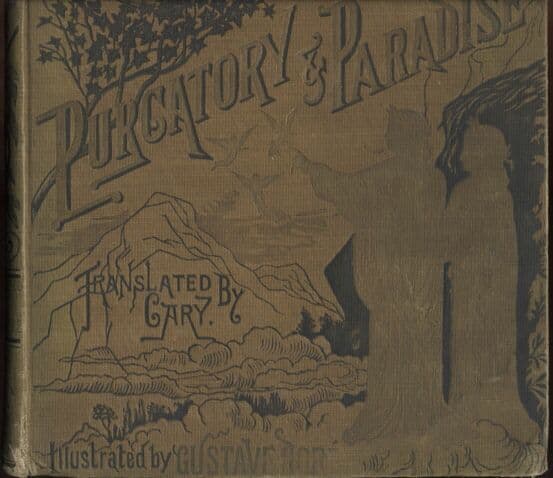
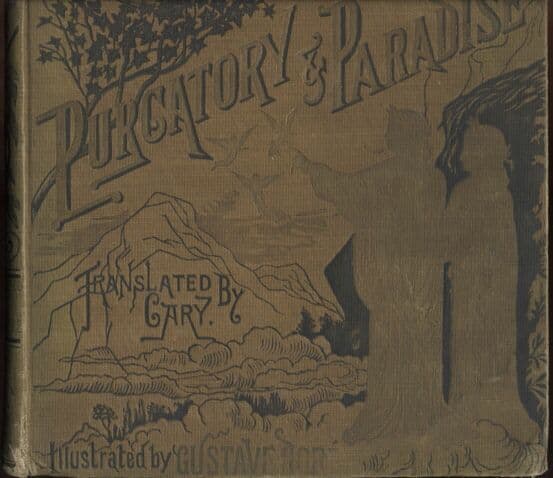
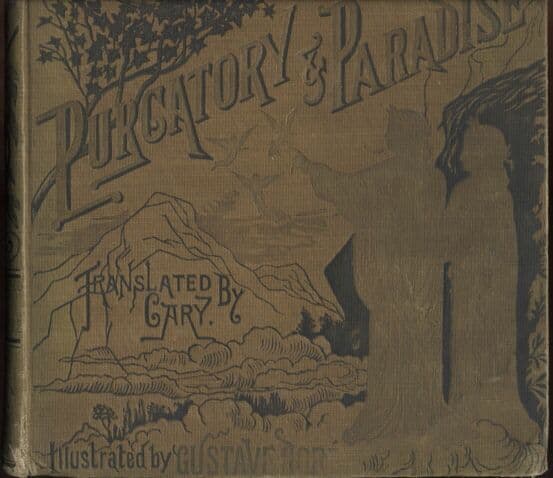
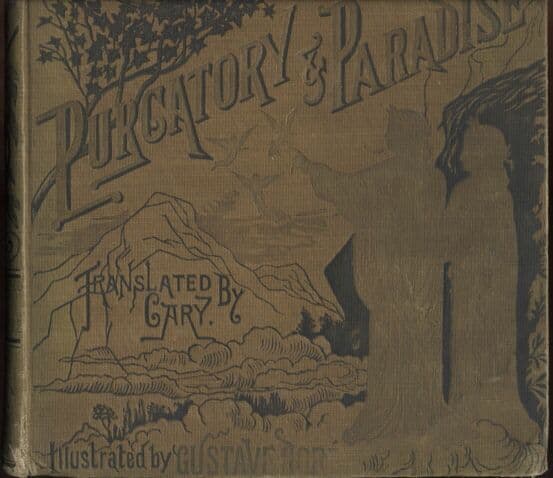
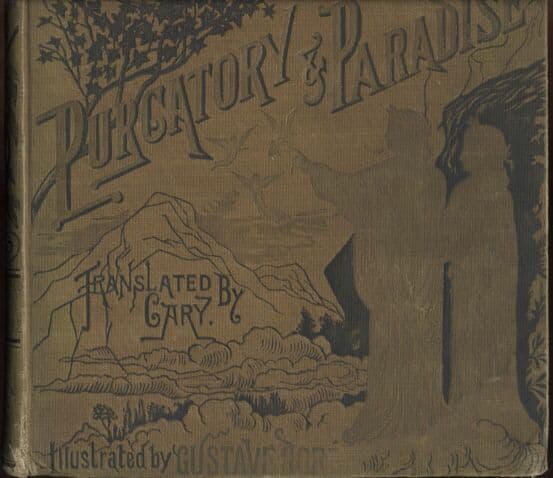
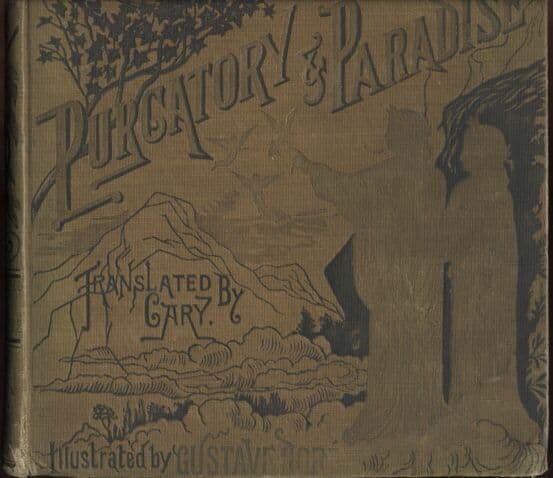
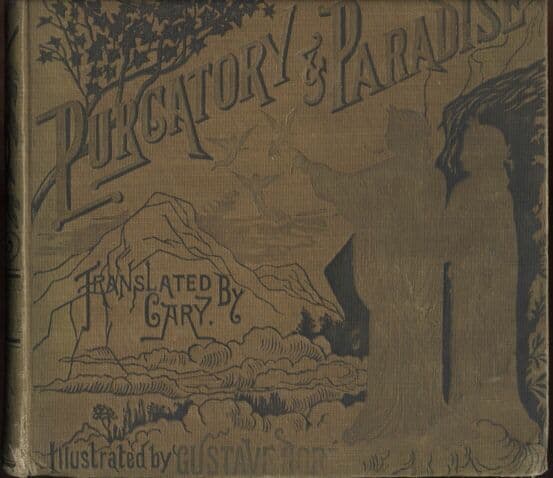
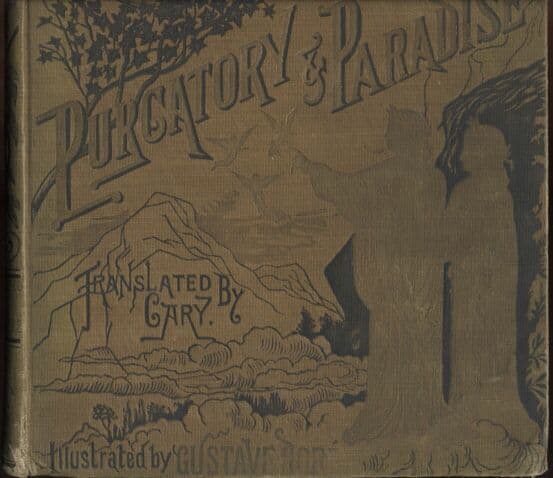
Divine Comedy

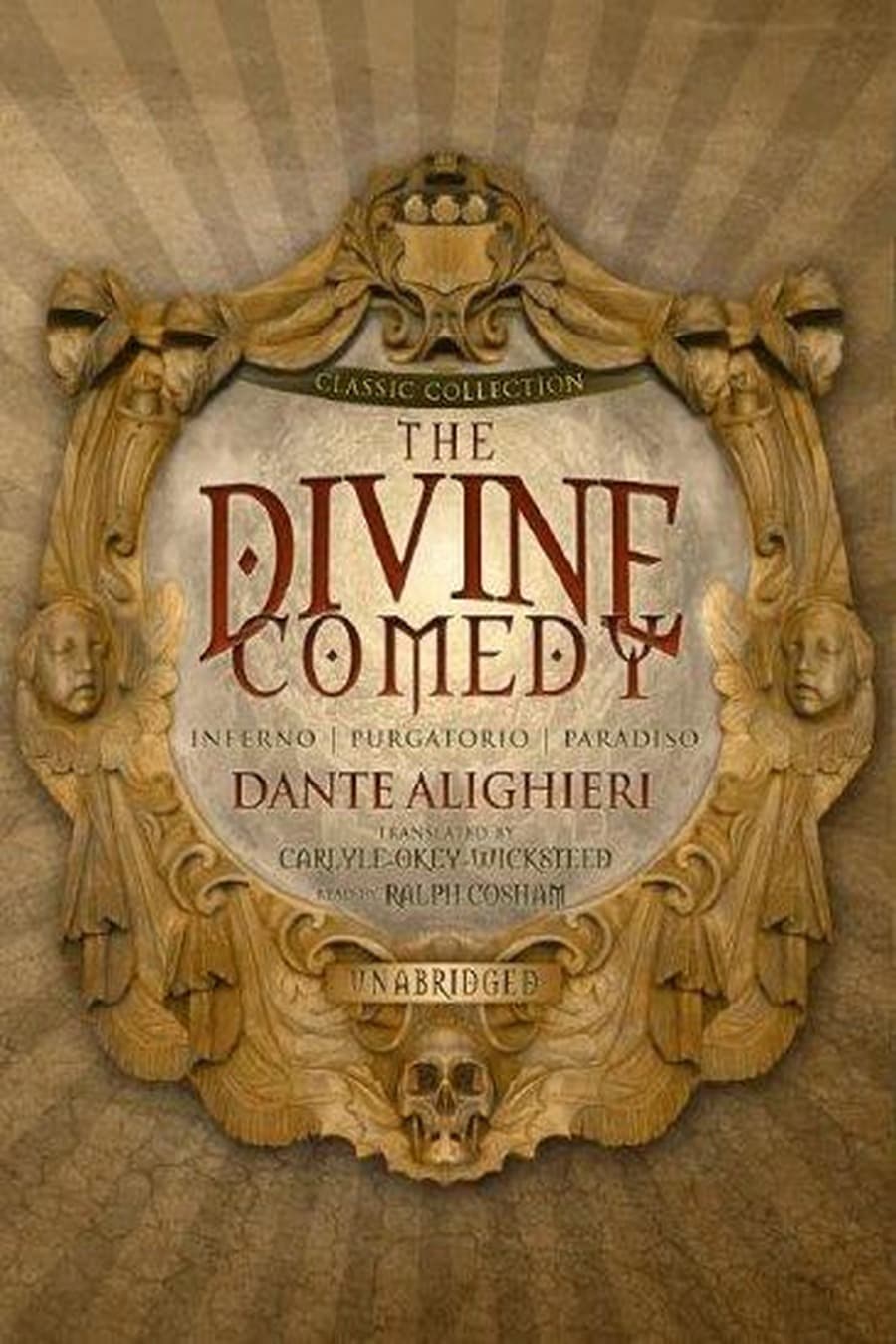
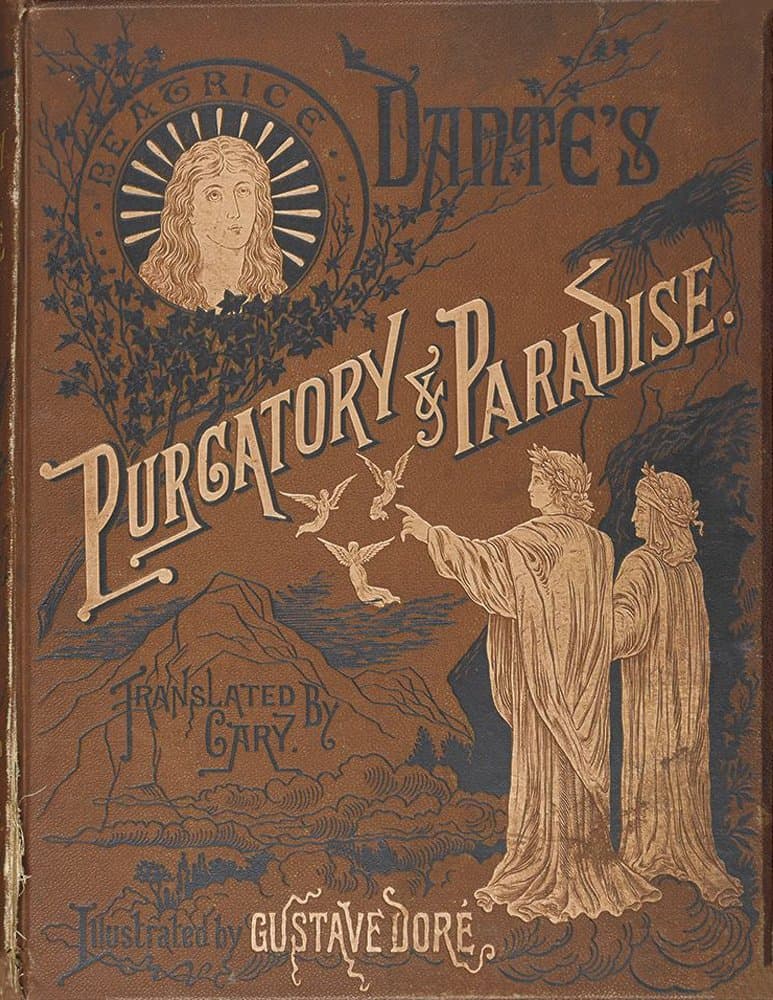
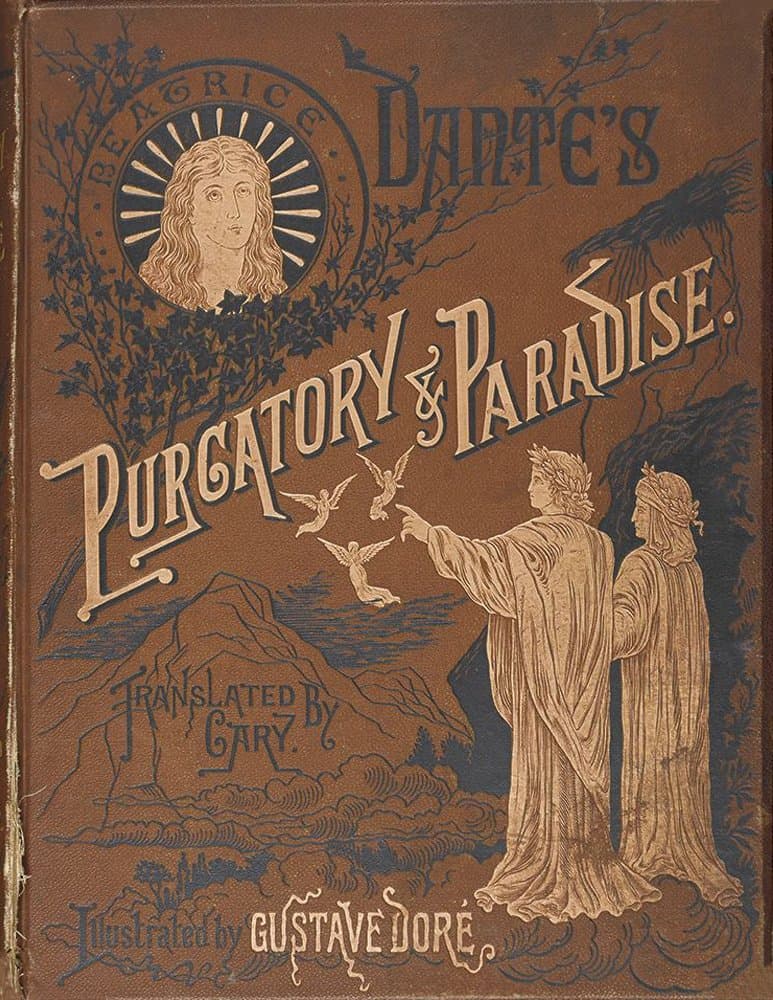
In 1300, Dante Alighieri finds himself lost in a dark wood, symbolic of his spiritual exile from Florence and his crisis of faith. Guided by the Roman poet Virgil through the shattering depths of Hell and up the mountain of Purgatory, then by his beloved Beatrice through the crystalline spheres of Paradise, he witnesses the eternal consequences of human choice. The Inferno's twenty-six circles punish sins with grotesque, specific ingenuity: gluttons wallow in filth, gluttons freeze in ice, traitors are entombed in Satan's own mouth. But the poem is no mere spectacle of suffering. Each realm reveals a theology of love, justice, and free will that Dante considered the very architecture of reality. The poet confronts historical figures, political enemies, and ancient philosophers, all rendered in the Tuscan vernacular that Dante elevated into Italy's literary language. This is not simply an allegory of the afterlife but an argument about how we become who we are through the choices that shape our souls.
Editions


Read by
Group Narration
15 readers
Cori Samuel, Annie Coleman Rothenberg, Denny Sayers (d. 2015), Jennifer Crispin +12 more
Link to this book
Add a free, dofollow link to Lex on your blog, forum, syllabus, or reading list.

<a href="https://lex-books.com/book/divine-comedy-395c1aa0-c239-459b-a5ee-4eacc043a91d"><img src="https://lex-books.com/badges/read-on-lex.svg" alt="Read Divine Comedy by Dante Alighieri free on Lex" width="160" height="40"></a>[](https://lex-books.com/book/divine-comedy-395c1aa0-c239-459b-a5ee-4eacc043a91d)[url=https://lex-books.com/book/divine-comedy-395c1aa0-c239-459b-a5ee-4eacc043a91d][img]https://lex-books.com/badges/read-on-lex.svg[/img][/url]Read Divine Comedy by Dante Alighieri free on Lex: https://lex-books.com/book/divine-comedy-395c1aa0-c239-459b-a5ee-4eacc043a91dCite this book
Reading this edition for a paper or guide? Copy a citation.
Alighieri, Dante. Divine Comedy. Lex, lex-books.com/book/divine-comedy-395c1aa0-c239-459b-a5ee-4eacc043a91d.Alighieri, D. (n.d.). Divine Comedy. Lex. https://lex-books.com/book/divine-comedy-395c1aa0-c239-459b-a5ee-4eacc043a91dAlighieri, Dante. Divine Comedy. Lex. https://lex-books.com/book/divine-comedy-395c1aa0-c239-459b-a5ee-4eacc043a91d.