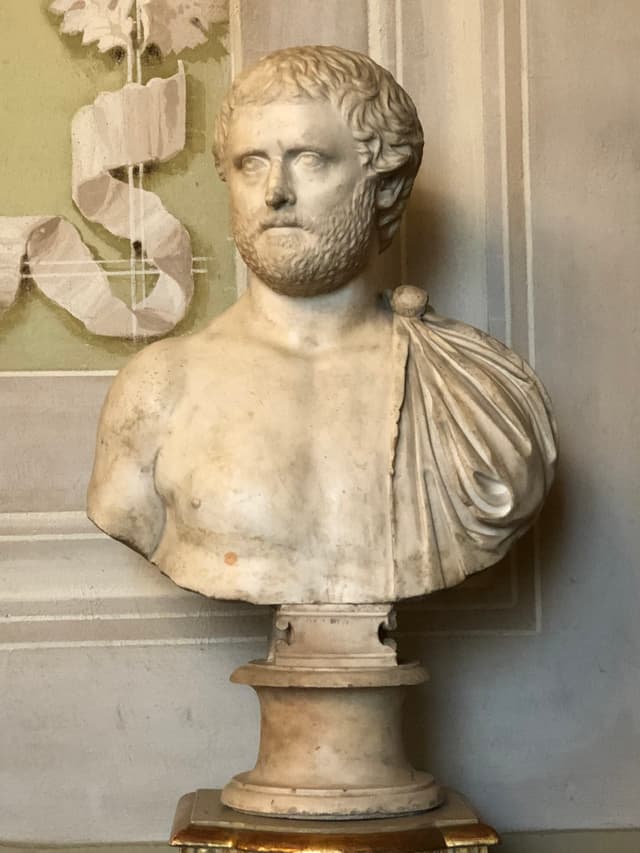
Ovid
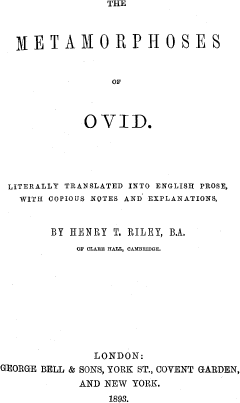
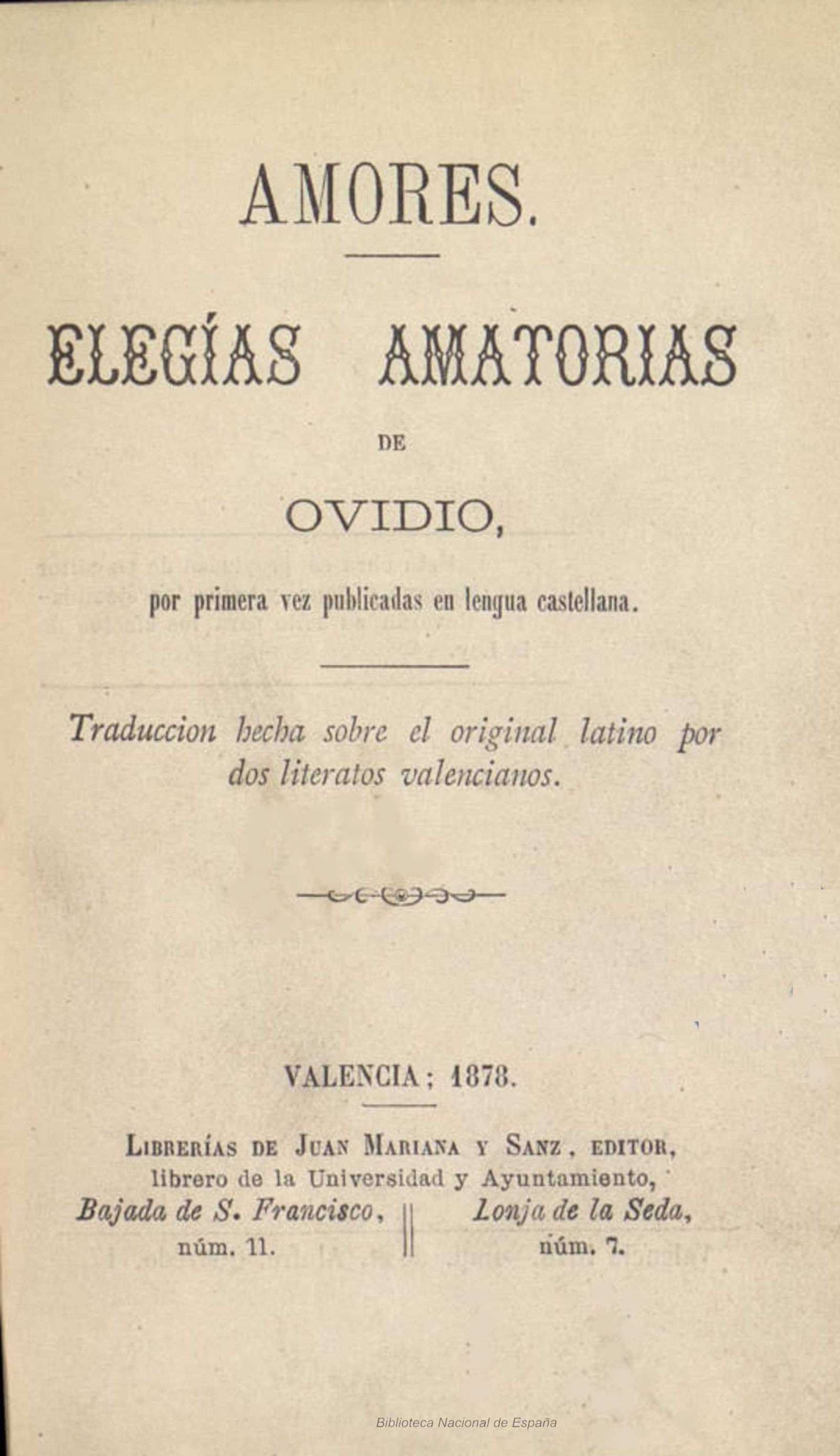
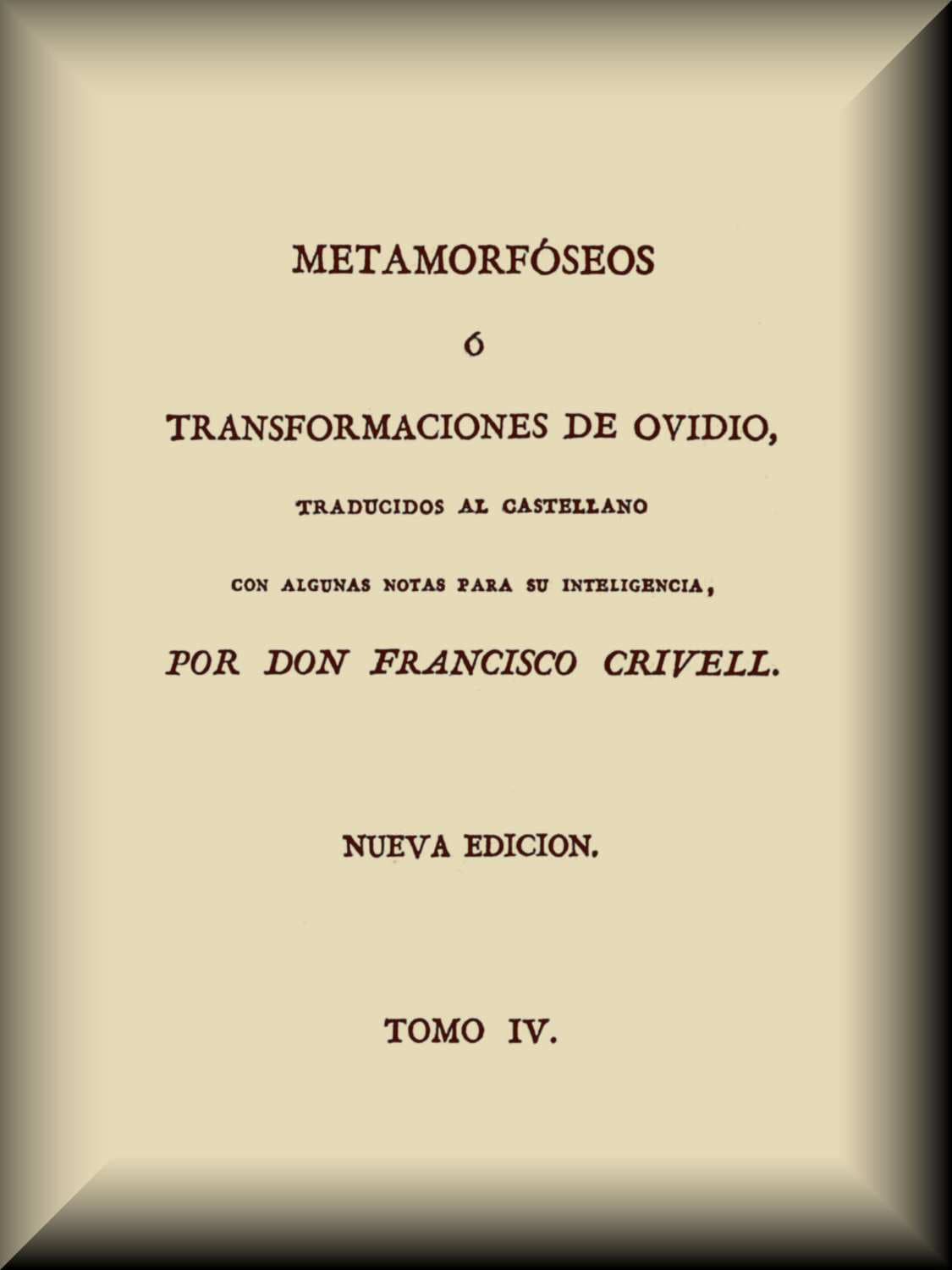
Publius Ovidius Naso, known simply as Ovid, was a prominent Roman poet whose work flourished during the reign of Augustus. He is often celebrated alongside Virgil and Horace as one of the three pillars of Latin literature. Ovid's poetry, particularly his elegiac couplets, explored themes of love, transformation, and mythology, with notable works including 'Metamorphoses,' a narrative poem that weaves together various myths and legends, and 'Amores,' a collection of love elegies. His innovative style and rich imagination left a lasting impact on both contemporary and later literature, influencing poets and writers throughout the ages, including Dante and Shakespeare. Despite his success, Ovid's life took a dramatic turn when he was exiled to Tomis, a remote location on the Black Sea, where he spent the final years of his life. The reasons for his banishment remain unclear, as Ovid himself referred to a 'poem and a mistake' without elaborating. This exile marked a poignant chapter in his life, as he continued to write and reflect on his circumstances, producing works such as 'Tristia' and 'Epistulae ex Ponto,' which express his longing for Rome and his lament over lost status. Ovid's legacy endures, as his exploration of love and transformation continues to resonate in literature and art, solidifying his place as a foundational figure in the Western literary canon.
Famous Quotes
View all 19 quotes“Let others praise ancient times; I am glad I was born in these.””
“Chance is always powerful. Let your hook be always cast; in the pool where you least expect it, there will be a fish.””
“Dripping water hollows out stone, not through force but through persistence.””
Books from the author










Link to this page
Add a free, dofollow link to Lex on your blog, forum, syllabus, or reading list.

<a href="https://lex-books.com/author/ovid"><img src="https://lex-books.com/badges/read-on-lex.svg" alt="Ovid on Lex" width="160" height="40"></a>[](https://lex-books.com/author/ovid)[url=https://lex-books.com/author/ovid][img]https://lex-books.com/badges/read-on-lex.svg[/img][/url]Ovid on Lex: https://lex-books.com/author/ovid