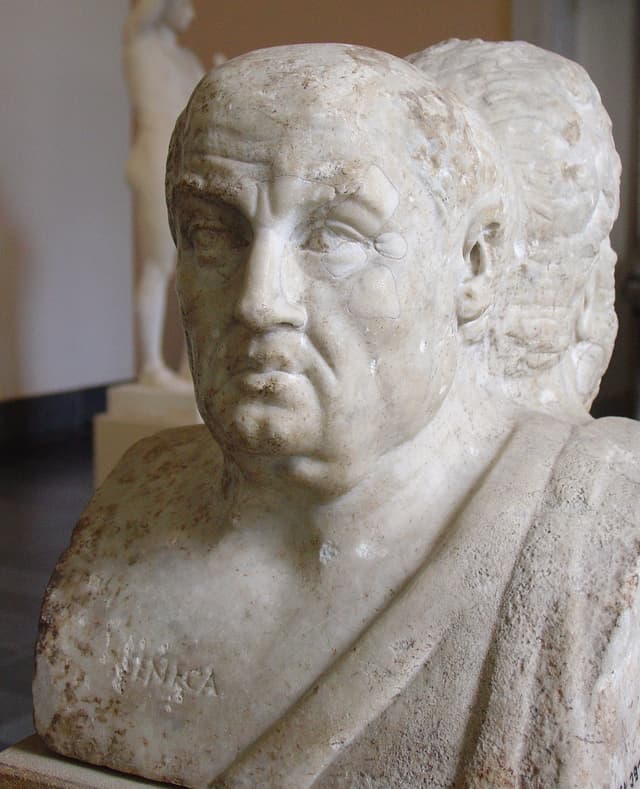
Lucius Annaeus Seneca
Lucius Annaeus Seneca, commonly known as Seneca the Younger, was a Roman Stoic philosopher, statesman, and playwright whose works have had a lasting impact on Western thought. Born in Corduba (modern-day Córdoba, Spain) and raised in Rome, Seneca was educated in rhetoric and philosophy, eventually becoming a prominent advisor to Emperor Nero. His philosophical writings, including 'Letters to Lucilius' and 'On the Shortness of Life,' explore themes of ethics, the nature of happiness, and the importance of reason, emphasizing the Stoic belief in self-control and virtue as the path to a good life. In addition to his philosophical contributions, Seneca was also a notable playwright, credited with introducing elements of tragedy to Roman theater. His plays, such as 'Phaedra' and 'Thyestes,' are characterized by their intense emotional depth and exploration of moral dilemmas, influencing later dramatists, including Shakespeare. Seneca's life was marked by political intrigue and personal tragedy, culminating in his forced suicide under Nero's orders. His legacy endures through his writings, which continue to be studied for their insights into human nature and the complexities of moral philosophy.
Famous Quotes
View all 20 quotes“Sometimes even to live is an act of courage.””
“We suffer more often in imagination than in reality””
“Difficulties strengthen the mind, as labor does the body.””
Books from the author
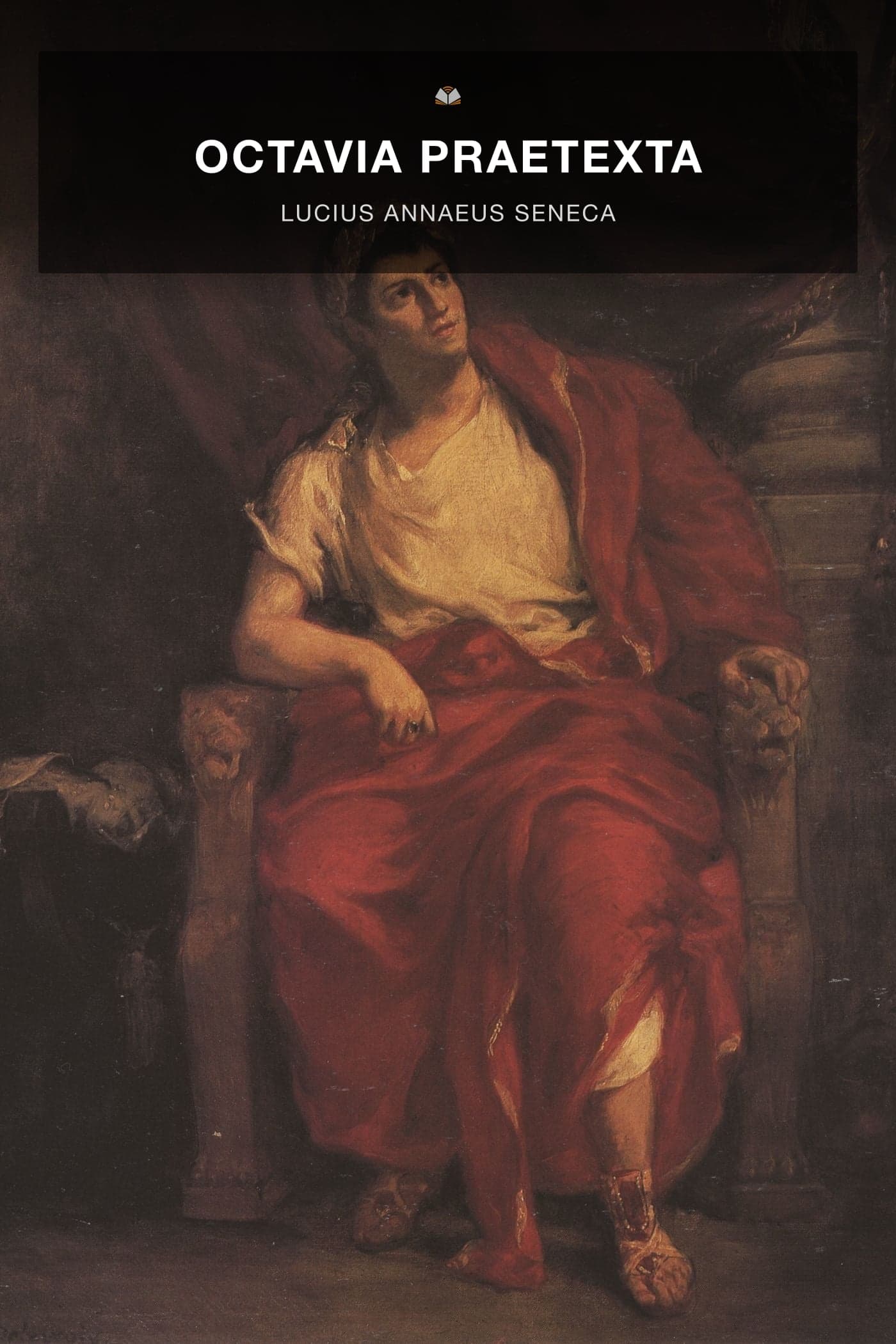

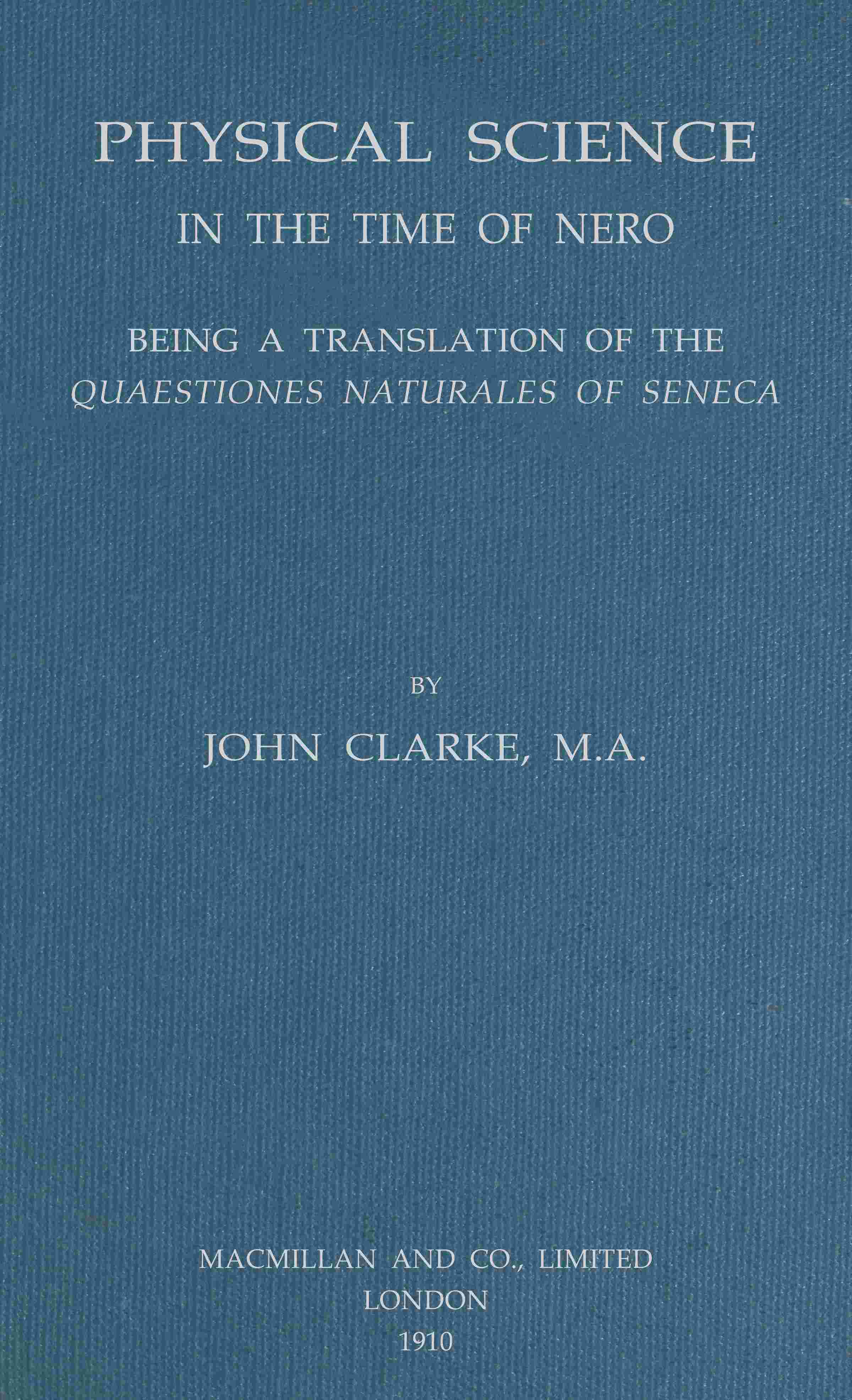






Link to this page
Add a free, dofollow link to Lex on your blog, forum, syllabus, or reading list.

<a href="https://lex-books.com/author/lucius-annaeus-seneca"><img src="https://lex-books.com/badges/read-on-lex.svg" alt="Lucius Annaeus Seneca on Lex" width="160" height="40"></a>[](https://lex-books.com/author/lucius-annaeus-seneca)[url=https://lex-books.com/author/lucius-annaeus-seneca][img]https://lex-books.com/badges/read-on-lex.svg[/img][/url]Lucius Annaeus Seneca on Lex: https://lex-books.com/author/lucius-annaeus-seneca