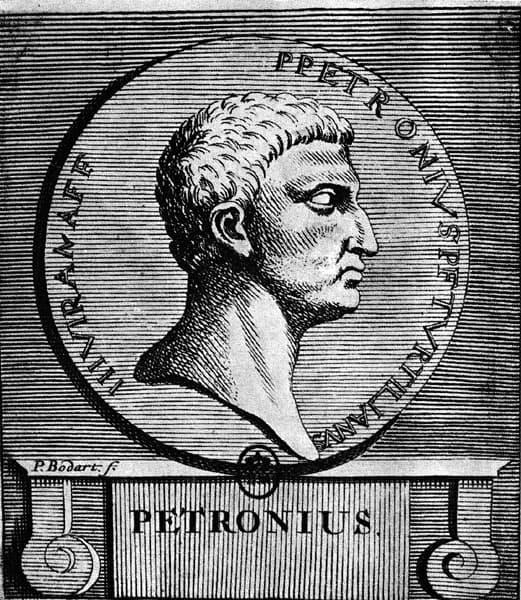
Petronius Arbiter
Gaius Petronius Arbiter was a prominent Roman courtier and literary figure during the reign of Emperor Nero. He is best known as the author of the 'Satyricon,' a satirical novel that offers a vivid and often scathing portrayal of Roman society and its excesses. The work is notable for its innovative narrative style and its exploration of themes such as decadence, sexuality, and the absurdities of life in ancient Rome. The 'Satyricon' is considered one of the earliest examples of the novel form, blending prose and poetry in a way that influenced later literary traditions. Petronius's sharp wit and keen observations of human behavior have made him a significant figure in the study of Roman literature. His character has also been immortalized in various adaptations, including Henryk Sienkiewicz's historical novel 'Quo Vadis,' where he plays a notable role. Through his work, Petronius not only provided a glimpse into the cultural milieu of his time but also laid the groundwork for future satirical literature, cementing his legacy as a master of both humor and critique in the ancient world.
Famous Quotes
View all 9 quotes“We trained hard—but it seemed that every time we were beginning to form up into teams we were reorganized. I was to learn later in life that we tend to meet any new situation by reorganizing, and what a wonderful method it can be for creating the illusion of progress while actually producing confusion, inefficiency, and demoralization.”
“Le soleil brille pour tout le monde, la lune et son cortège d'étoiles sans nombre guident vers leur nourriture même les bêtes féroces, et peut-on trouver plus de beauté qu'aux eaux jaillissantes, où chacun pourtant puise à sa guise ?”
“No man on earth may look on forbidden things as you have done and escape punishment. Especially here, a land so infested with divinity that one might meet a god more easily than a man.”
Books from the author





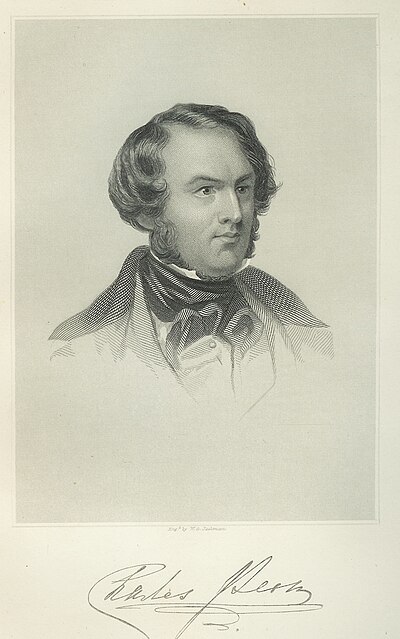
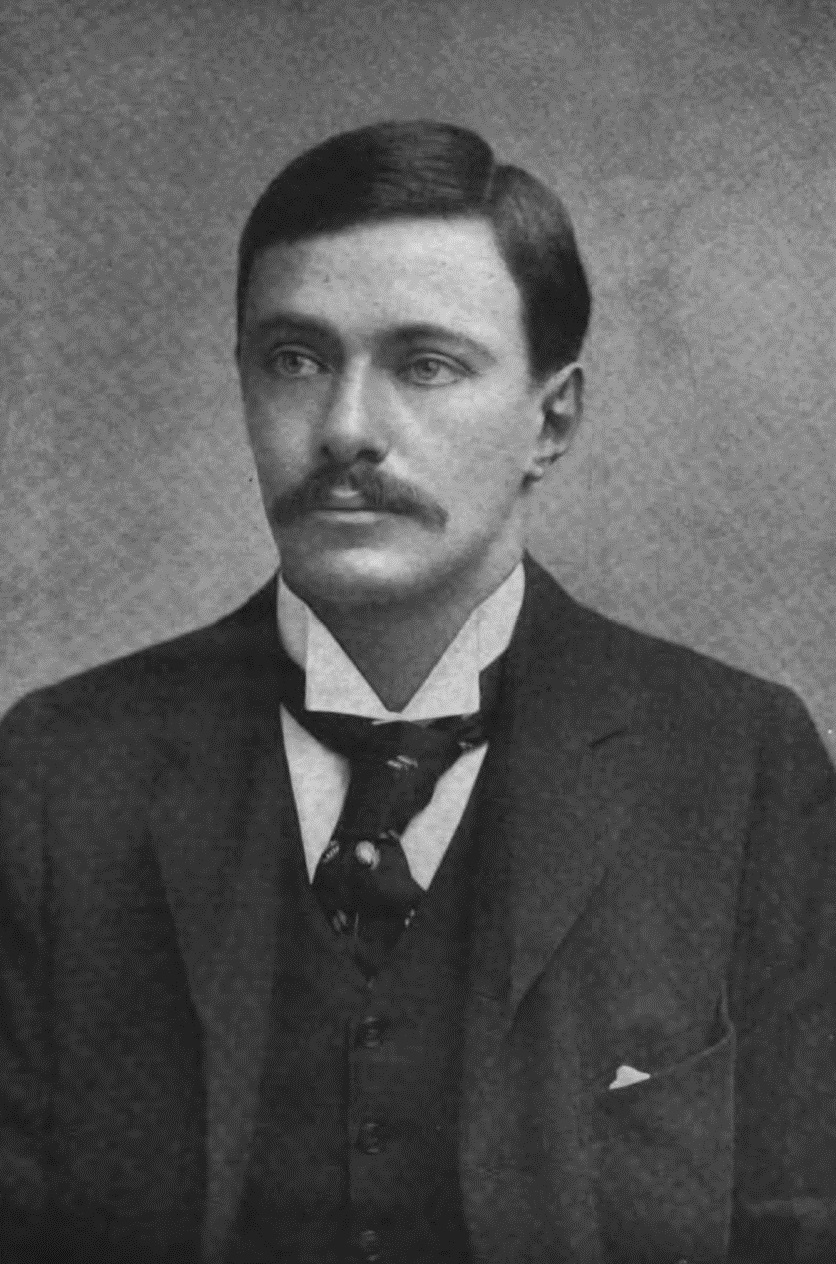


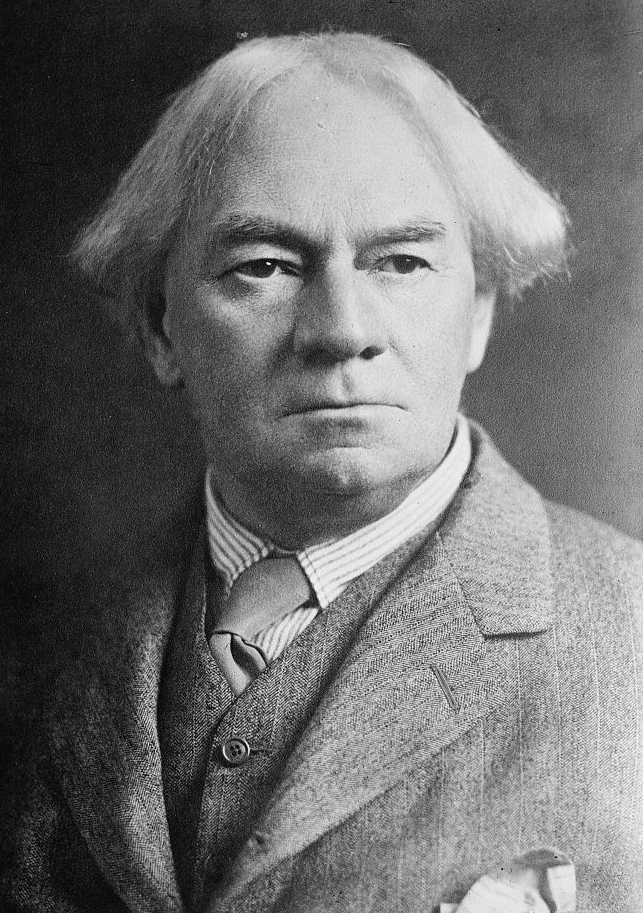
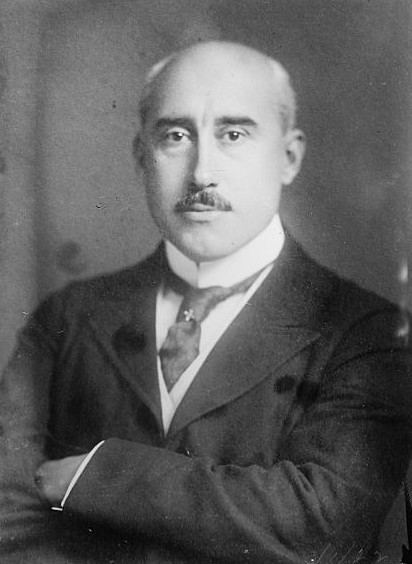


Link to this page
Add a free, dofollow link to Lex on your blog, forum, syllabus, or reading list.

<a href="https://lex-books.com/author/petronius-arbiter"><img src="https://lex-books.com/badges/read-on-lex.svg" alt="Petronius Arbiter on Lex" width="160" height="40"></a>[](https://lex-books.com/author/petronius-arbiter)[url=https://lex-books.com/author/petronius-arbiter][img]https://lex-books.com/badges/read-on-lex.svg[/img][/url]Petronius Arbiter on Lex: https://lex-books.com/author/petronius-arbiter