
Horace
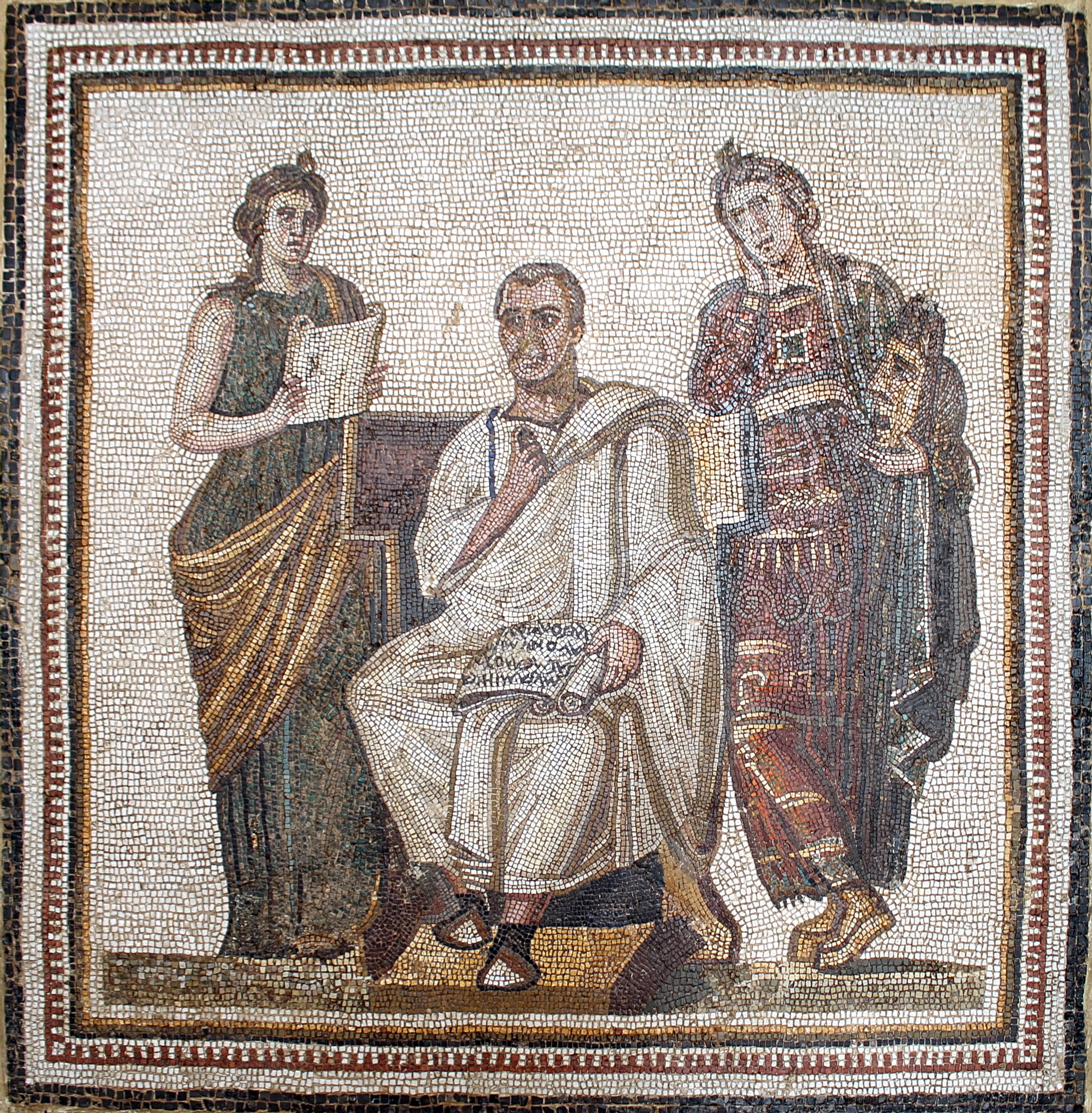
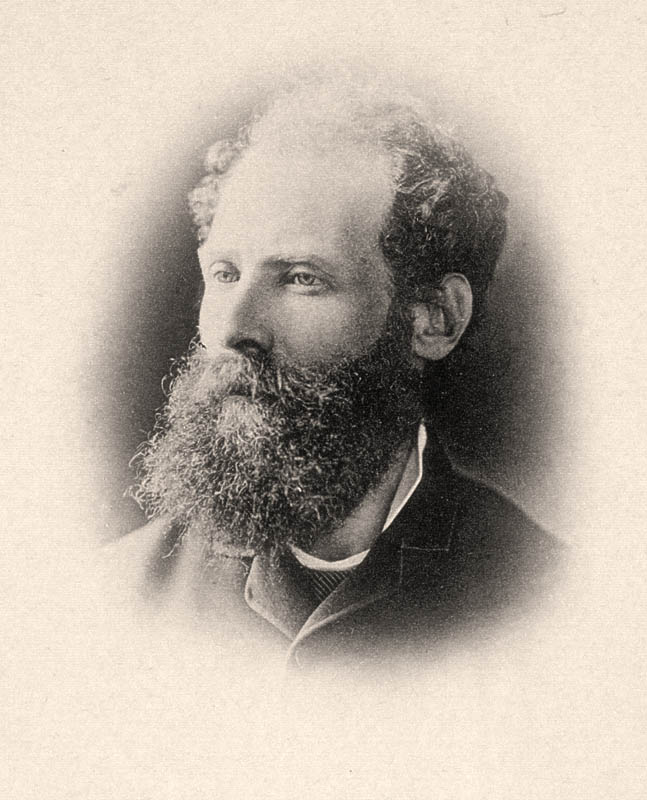
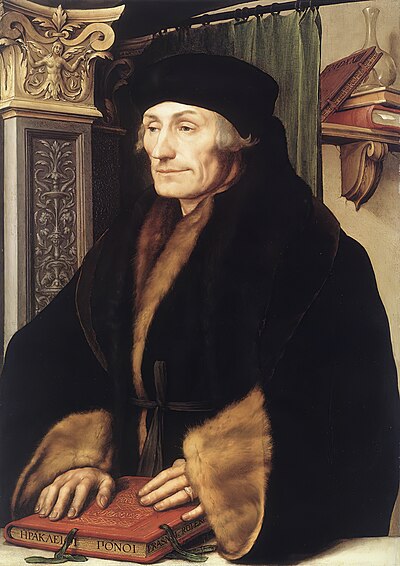
Horace was a prominent Roman poet known for his lyrical and satirical works that captured the complexities of human experience and the social dynamics of his time. Born in Venusia, he was educated in Rome and later in Athens, where he developed a deep appreciation for Greek literature and philosophy. His early life was marked by the turbulence of the Roman civil wars, which influenced his perspective on life and art. Horace's poetry often reflects a blend of personal reflection and social commentary, making him a key figure in the transition from the epic tradition to more personal and introspective forms of poetry. His most notable works include the 'Odes,' a collection of lyric poems that celebrate love, nature, and the joys of life, and the 'Satires,' which critique the moral and social issues of Roman society. Horace's use of the lyric form and his mastery of meter established him as a model for later poets. His famous maxim, 'Carpe Diem' (seize the day), encapsulates his philosophy of enjoying the present moment, which has resonated through the ages. Horace's influence extends beyond his lifetime, shaping the development of Western poetry and thought, and his works continue to be studied for their artistic merit and insight into human nature.
Famous Quotes
View all 11 quotes“A house without books is like a room without windows.””
“The world is a tragedy to those who feel, but a comedy to those who think.””
Books from the author




Link to this page
Add a free, dofollow link to Lex on your blog, forum, syllabus, or reading list.

<a href="https://lex-books.com/author/horace"><img src="https://lex-books.com/badges/read-on-lex.svg" alt="Horace on Lex" width="160" height="40"></a>[](https://lex-books.com/author/horace)[url=https://lex-books.com/author/horace][img]https://lex-books.com/badges/read-on-lex.svg[/img][/url]Horace on Lex: https://lex-books.com/author/horace