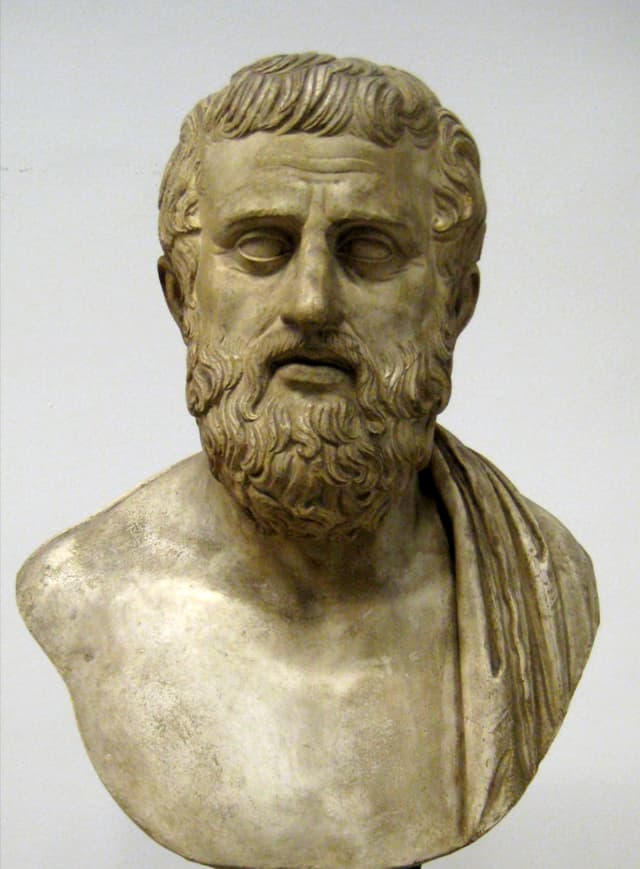
Sophocles
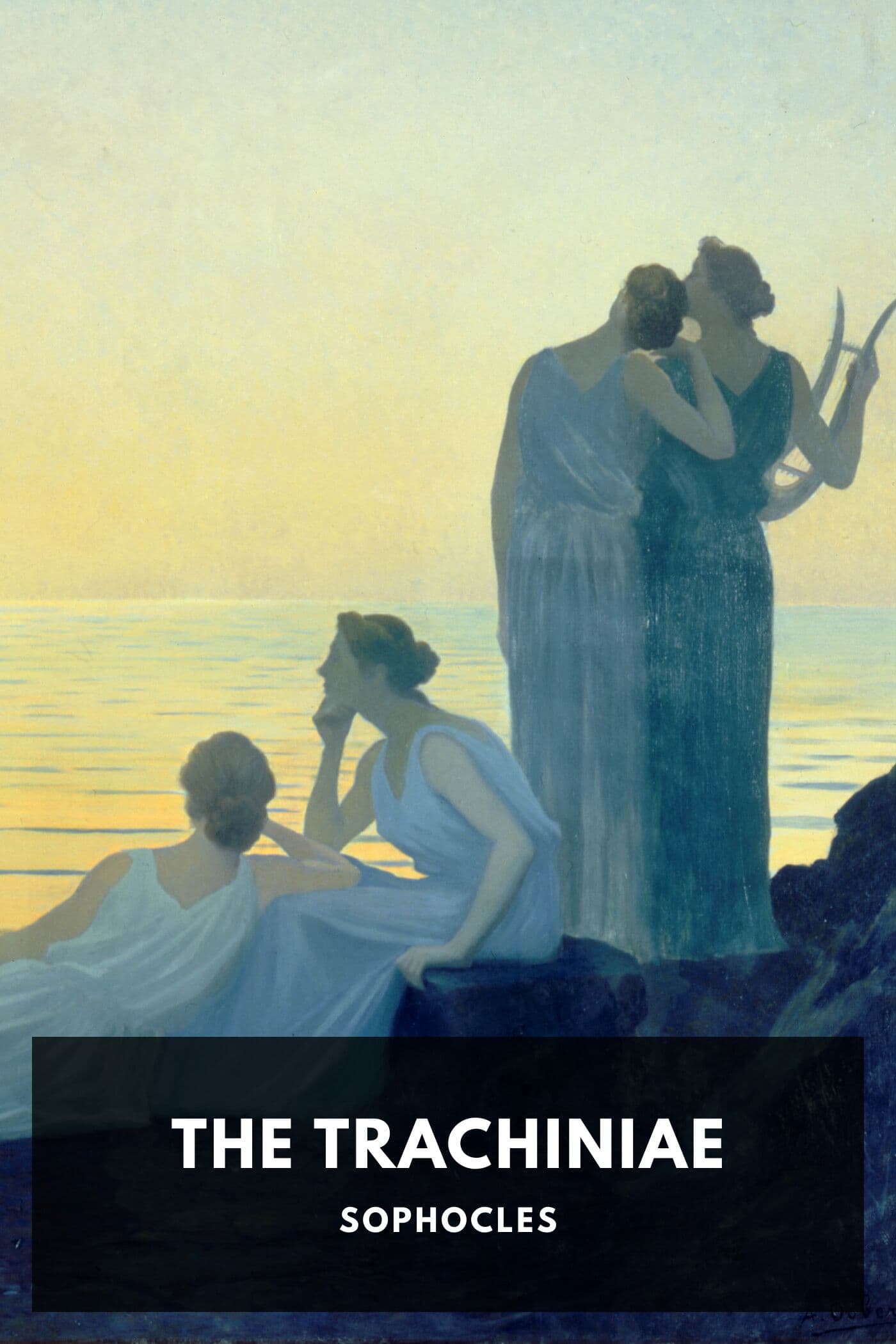
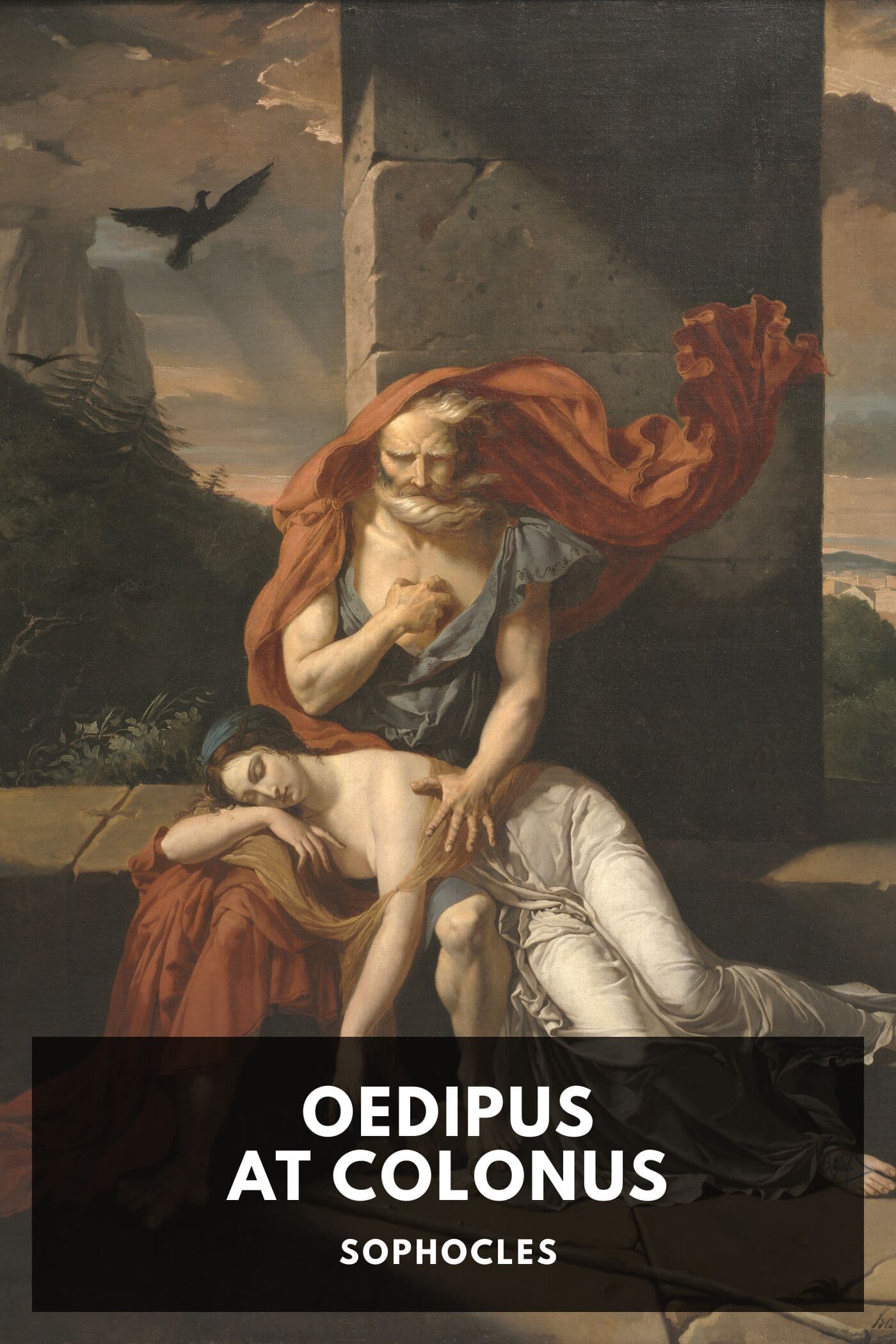
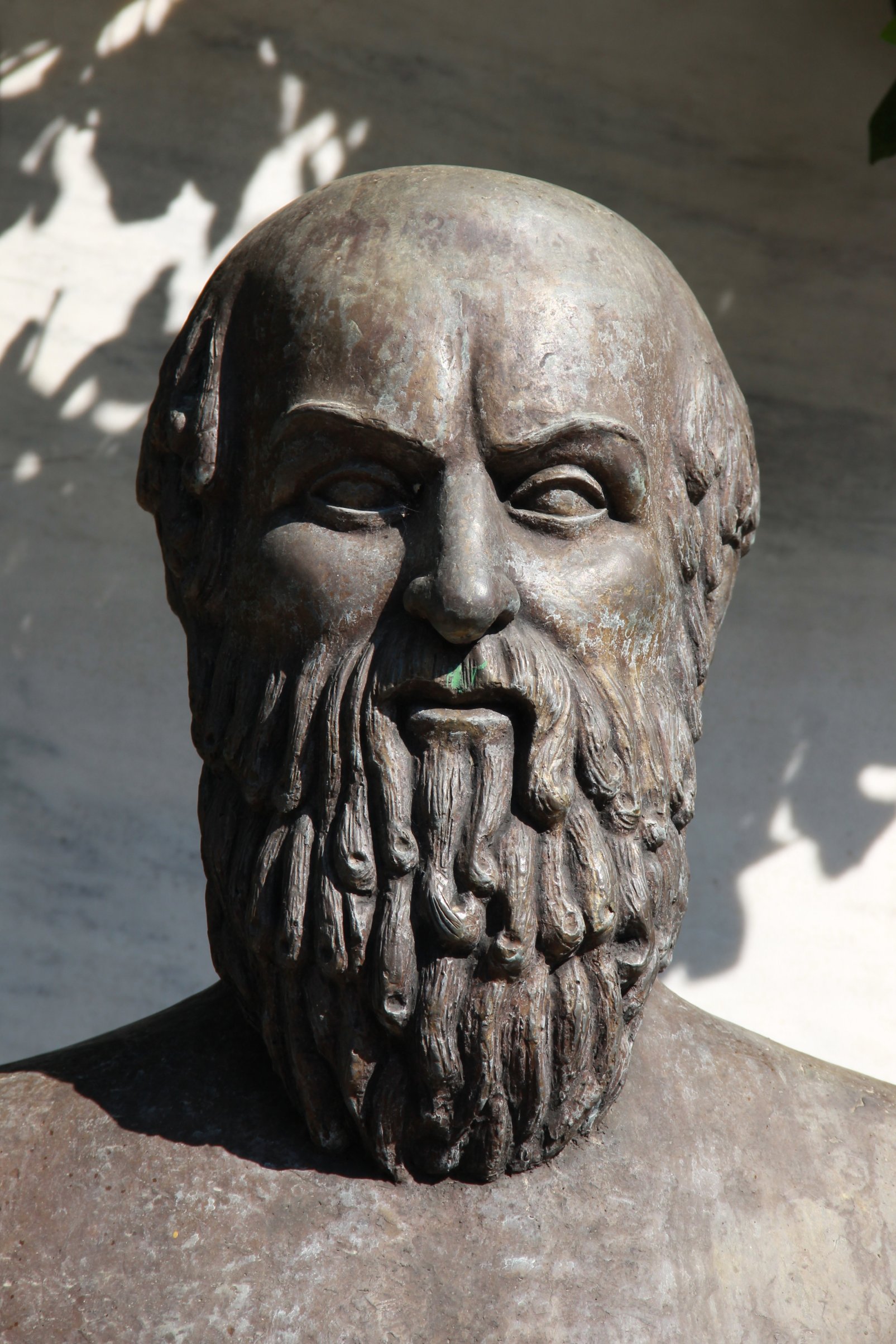
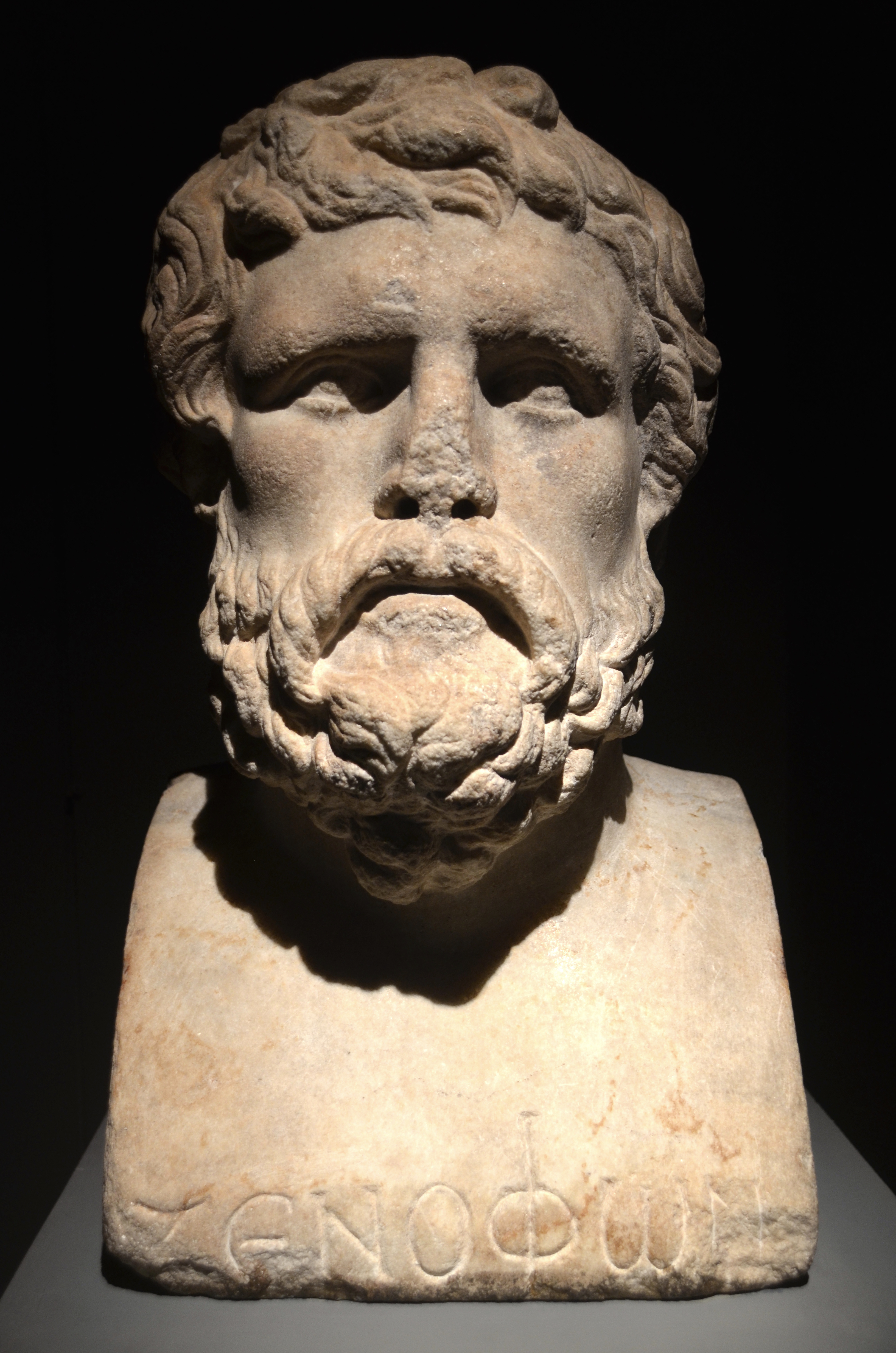
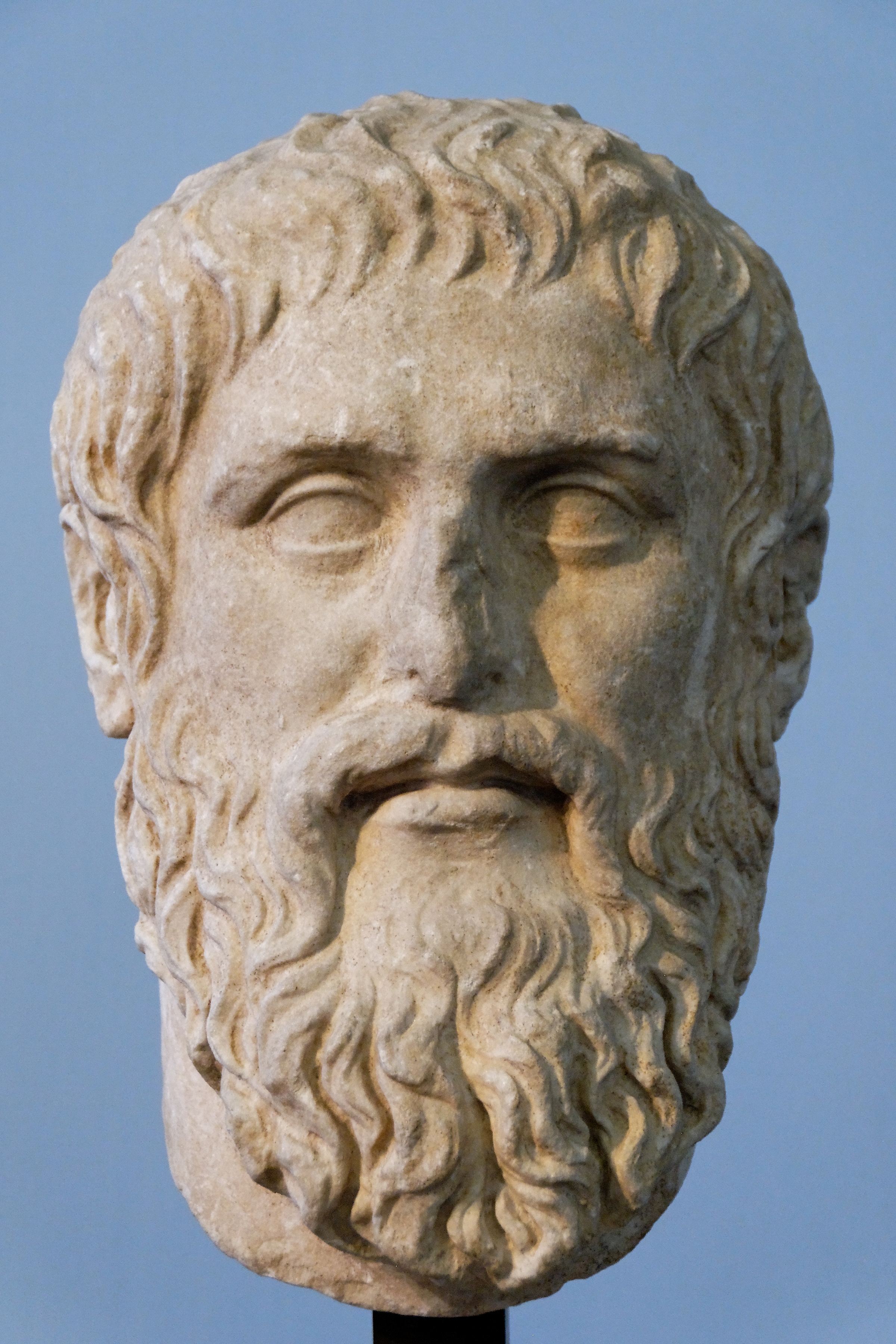
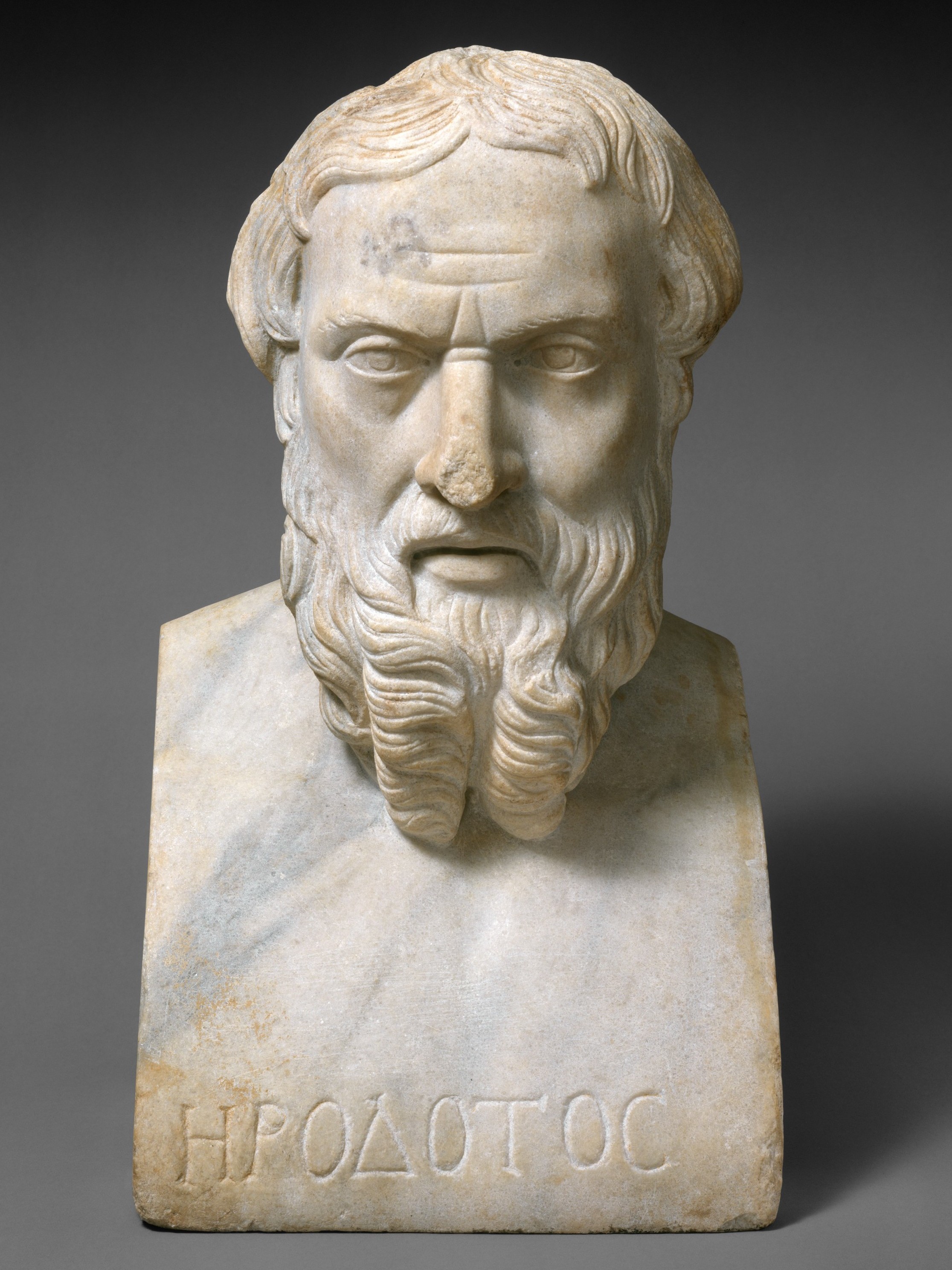
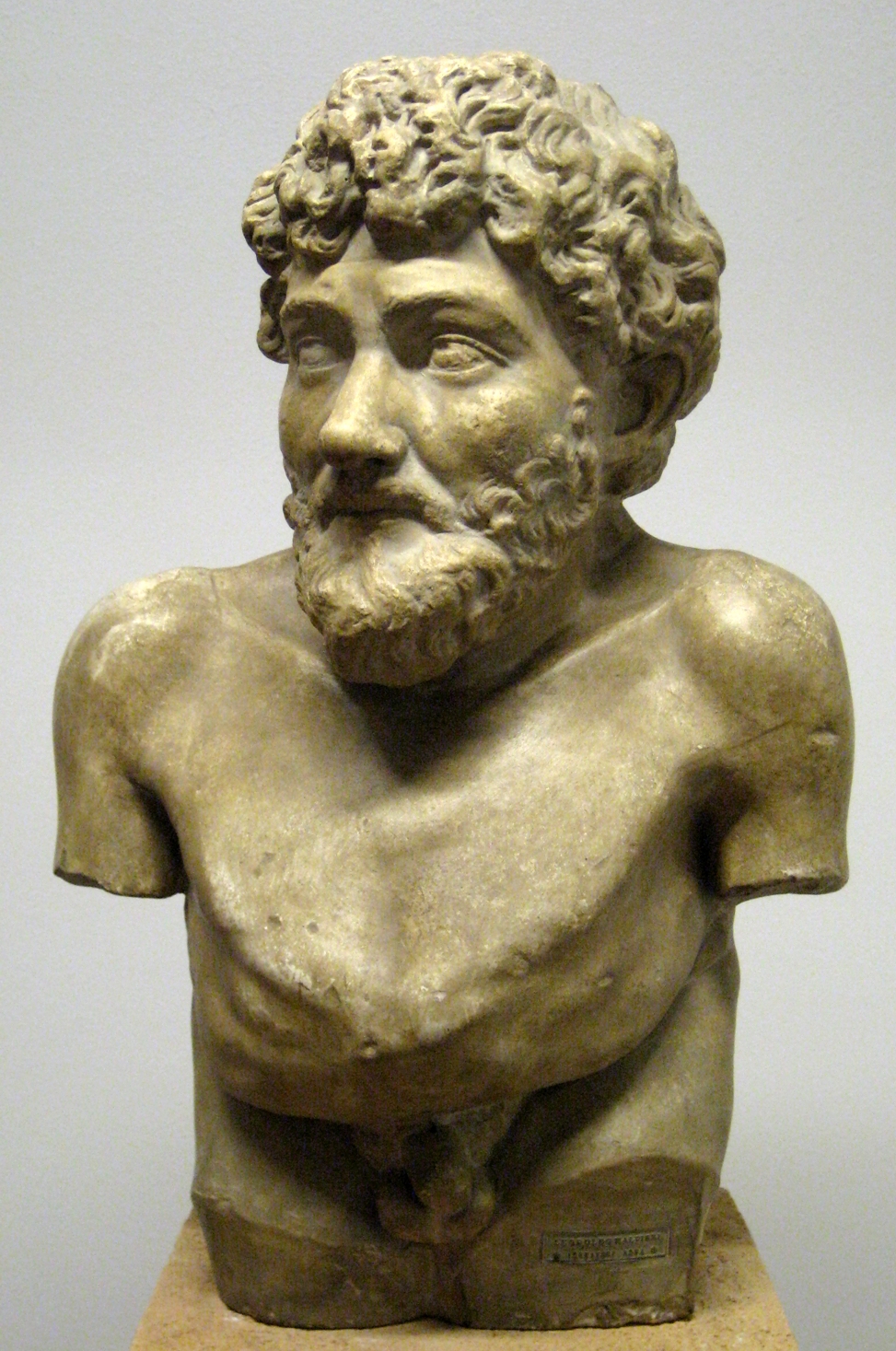
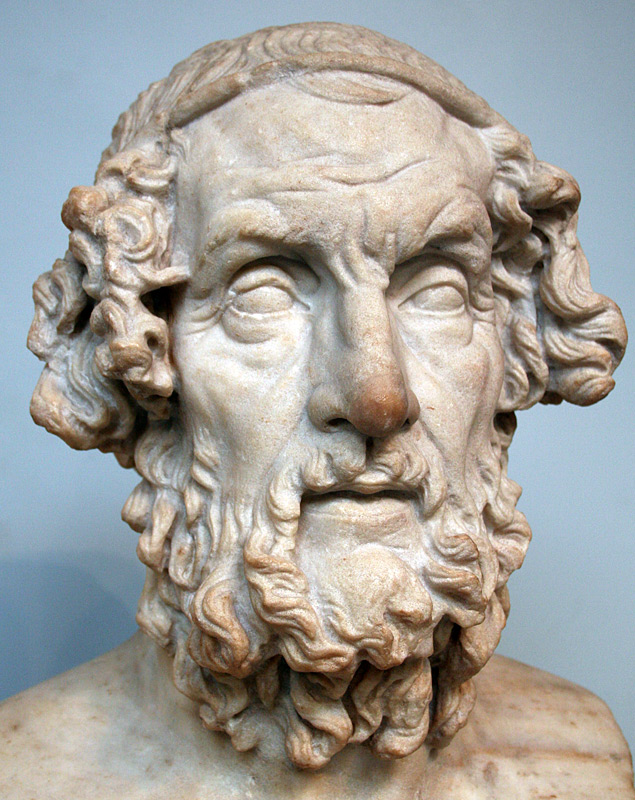
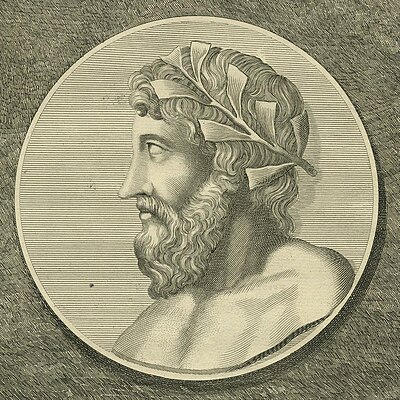
Sophocles was a prominent ancient Greek tragedian, renowned for his significant contributions to the development of drama in Athens. He was one of the three great tragedians whose works have survived, alongside Aeschylus and Euripides. Over his prolific career, Sophocles wrote more than 120 plays, of which only seven remain intact today: 'Ajax,' 'Antigone,' 'Women of Trachis,' 'Oedipus Rex,' 'Electra,' 'Philoctetes,' and 'Oedipus at Colonus.' His plays are characterized by their complex characters and exploration of moral dilemmas, often delving into themes of fate, free will, and the human condition. For nearly half a century, Sophocles dominated the dramatic competitions in Athens, achieving remarkable success with 24 victories out of 30 contests. His innovative use of dramatic structure, including the introduction of a third actor and the expansion of the chorus, set new standards in theatrical performance. Sophocles' legacy endures through his profound influence on the genre of tragedy and his exploration of psychological depth in characters, which paved the way for future playwrights and remains a cornerstone of Western literature.
Famous Quotes
View all 18 quotes“One wordFrees us of all the weight and pain of life:That word is love.””
“All men make mistakes, but a good man yields when he knows his course is wrong, and repairs the evil. The only crime is pride.””
“Fortune is not on the side of the faint-hearted.””
Books from the author





Link to this page
Add a free, dofollow link to Lex on your blog, forum, syllabus, or reading list.

<a href="https://lex-books.com/author/sophocles"><img src="https://lex-books.com/badges/read-on-lex.svg" alt="Sophocles on Lex" width="160" height="40"></a>[](https://lex-books.com/author/sophocles)[url=https://lex-books.com/author/sophocles][img]https://lex-books.com/badges/read-on-lex.svg[/img][/url]Sophocles on Lex: https://lex-books.com/author/sophocles