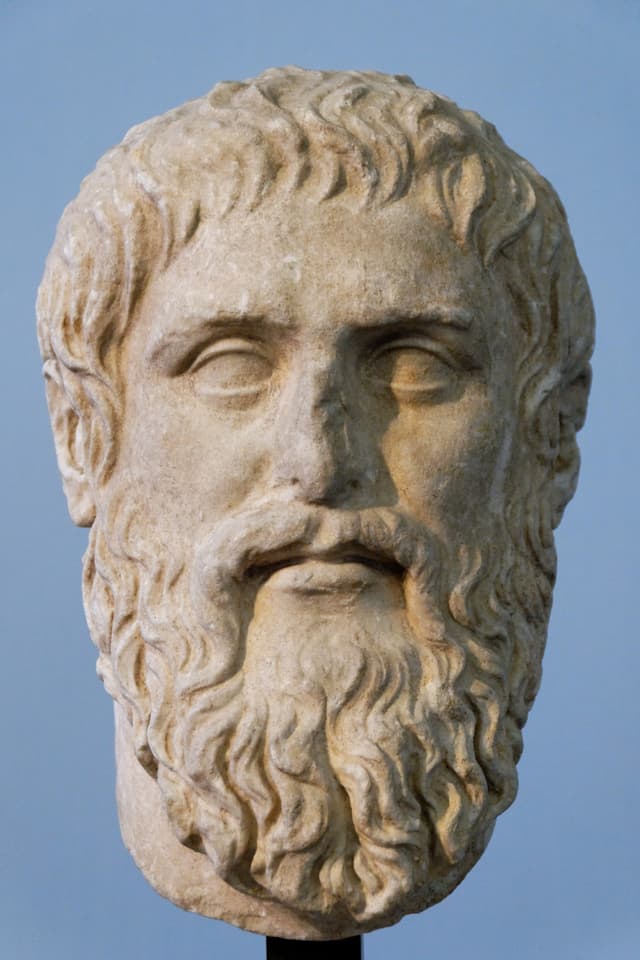
Plato
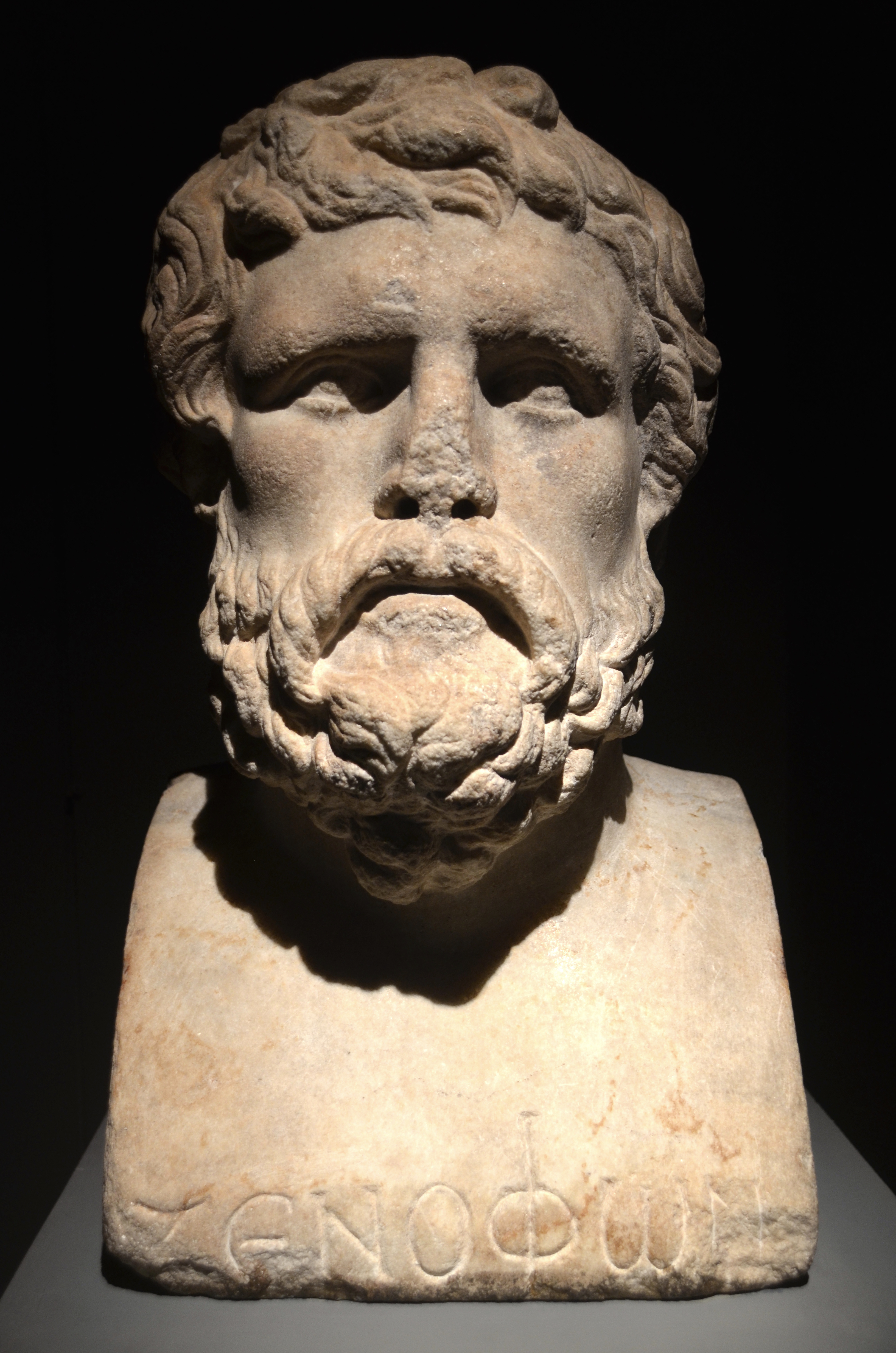
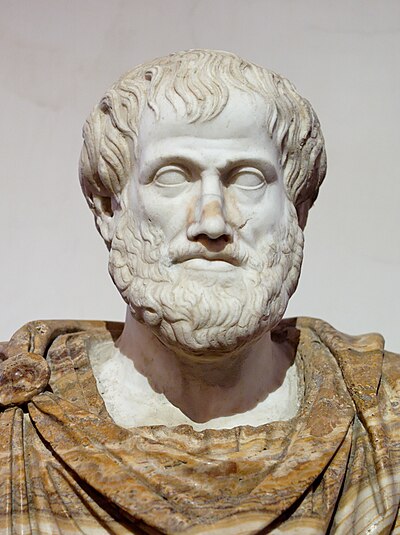
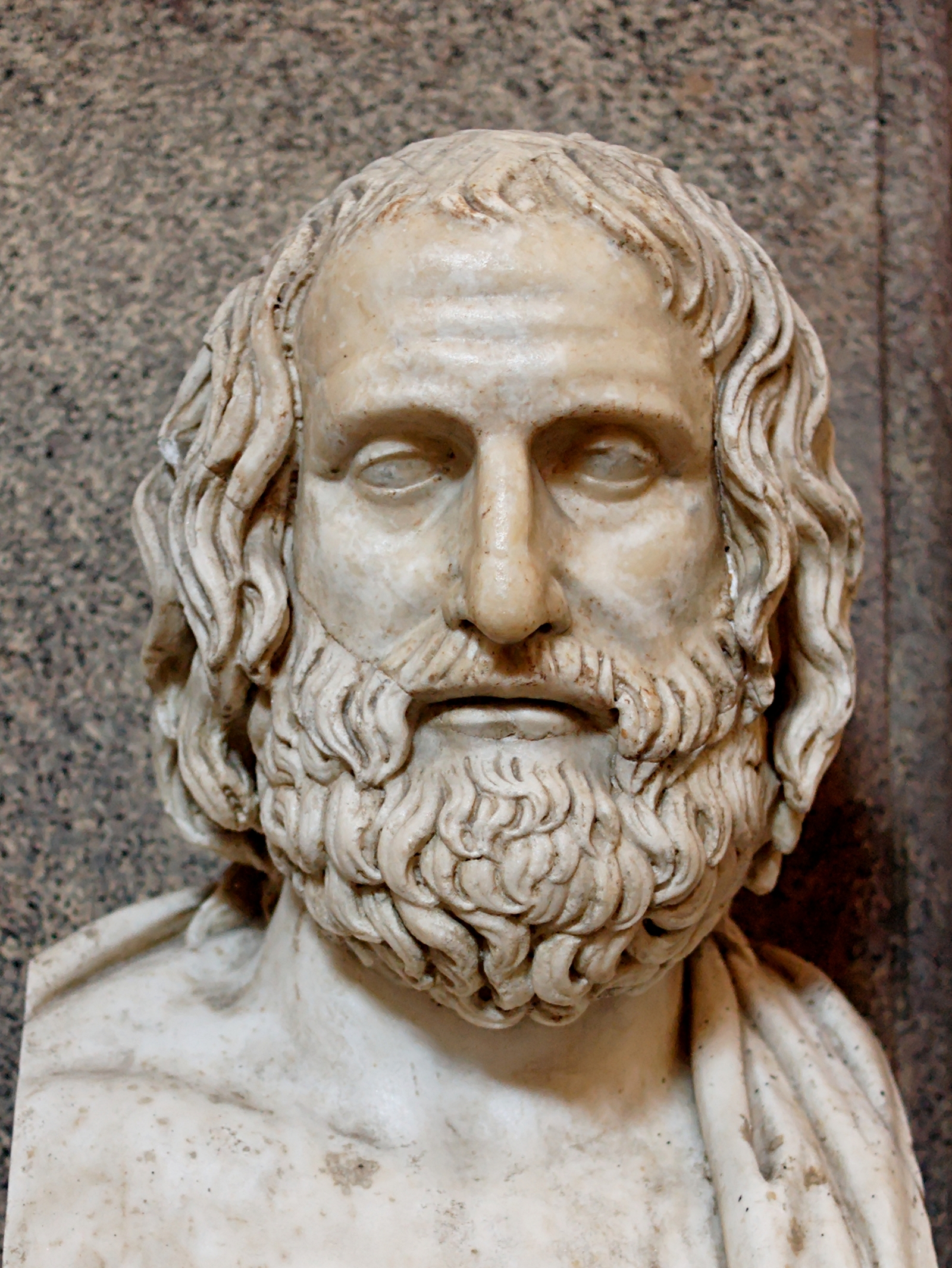
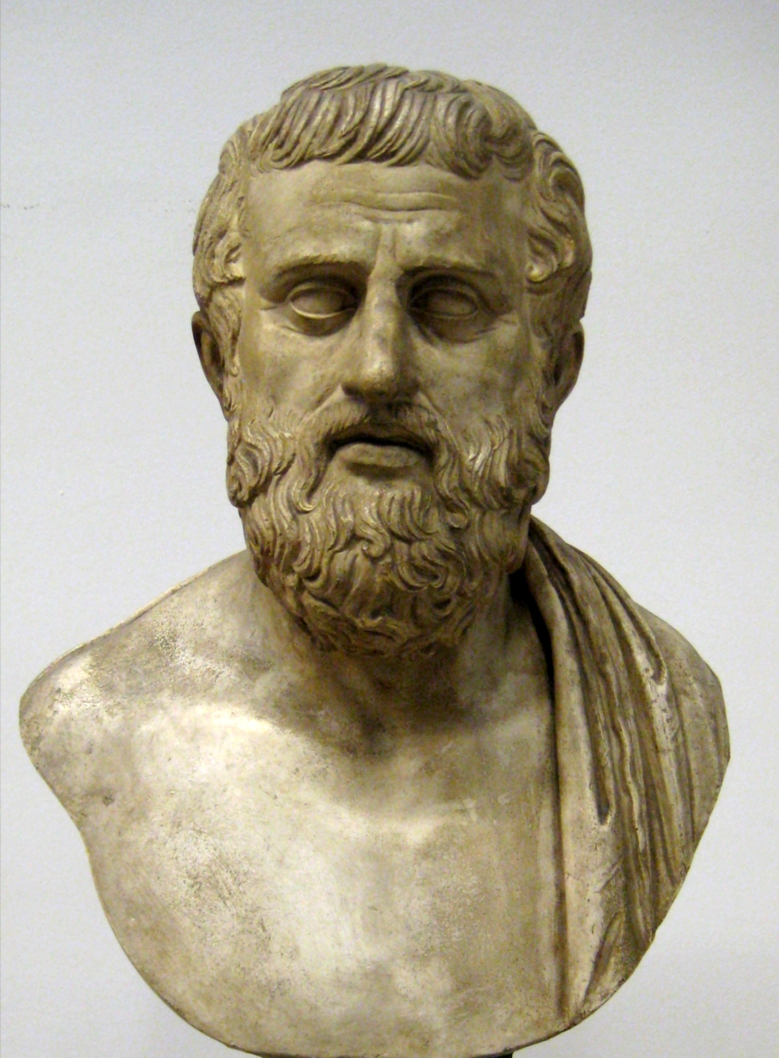
Plato was an ancient Greek philosopher from Classical Athens, widely regarded as a foundational figure in Western philosophy. He was a student of Socrates and later became the teacher of Aristotle, forming a crucial triad of philosophical thought that shaped the intellectual landscape of the Western world. Plato is best known for his innovative use of dialogue as a literary form, which allowed him to explore complex ideas about ethics, politics, and metaphysics through conversations between characters. His works, such as 'The Republic,' 'Phaedrus,' and 'Symposium,' delve into concepts of justice, love, and the ideal state, establishing a framework for philosophical inquiry that continues to influence contemporary thought. In addition to his literary contributions, Plato founded the Academy in Athens, one of the earliest institutions of higher learning in the Western world. His teachings laid the groundwork for the development of Platonism, a philosophical system that emphasizes the existence of abstract forms and the pursuit of knowledge through reason. Plato's impact extended beyond philosophy into areas such as political theory and ethics, making him a pivotal figure in the history of human thought. His dialogues remain a vital part of the philosophical canon, inviting ongoing discussion and interpretation across centuries, solidifying his legacy as one of the most significant philosophers in history.
Famous Quotes
View all 34 quotes“...and when one of them meets the other half, the actual half of himself, whether he be a lover of youth or a lover of another sort, the pair are lost in an amazement of love and friendship and intimacy and one will not be out of the other's sight, as I may say, even for a moment...”
“According to Greek mythology, humans were originally created with four arms, four legs and a head with two faces. Fearing their power, Zeus split them into two separate parts, condemning them to spend their lives in search of their other halves.”
“Do not train a child to learn by force or harshness; but direct them to it by what amuses their minds, so that you may be better able to discover with accuracy the peculiar bent of the genius of each.”
Books from the author
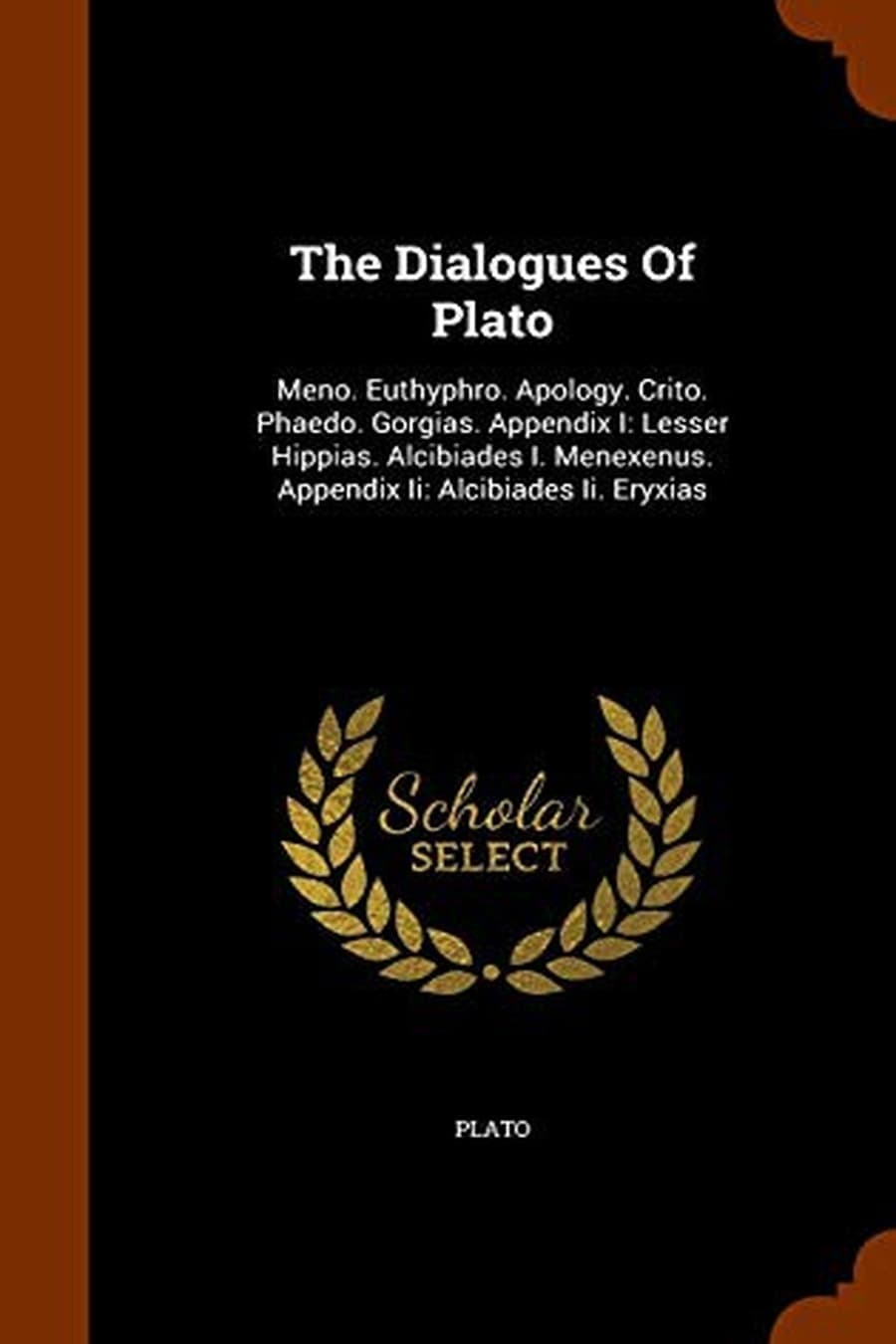
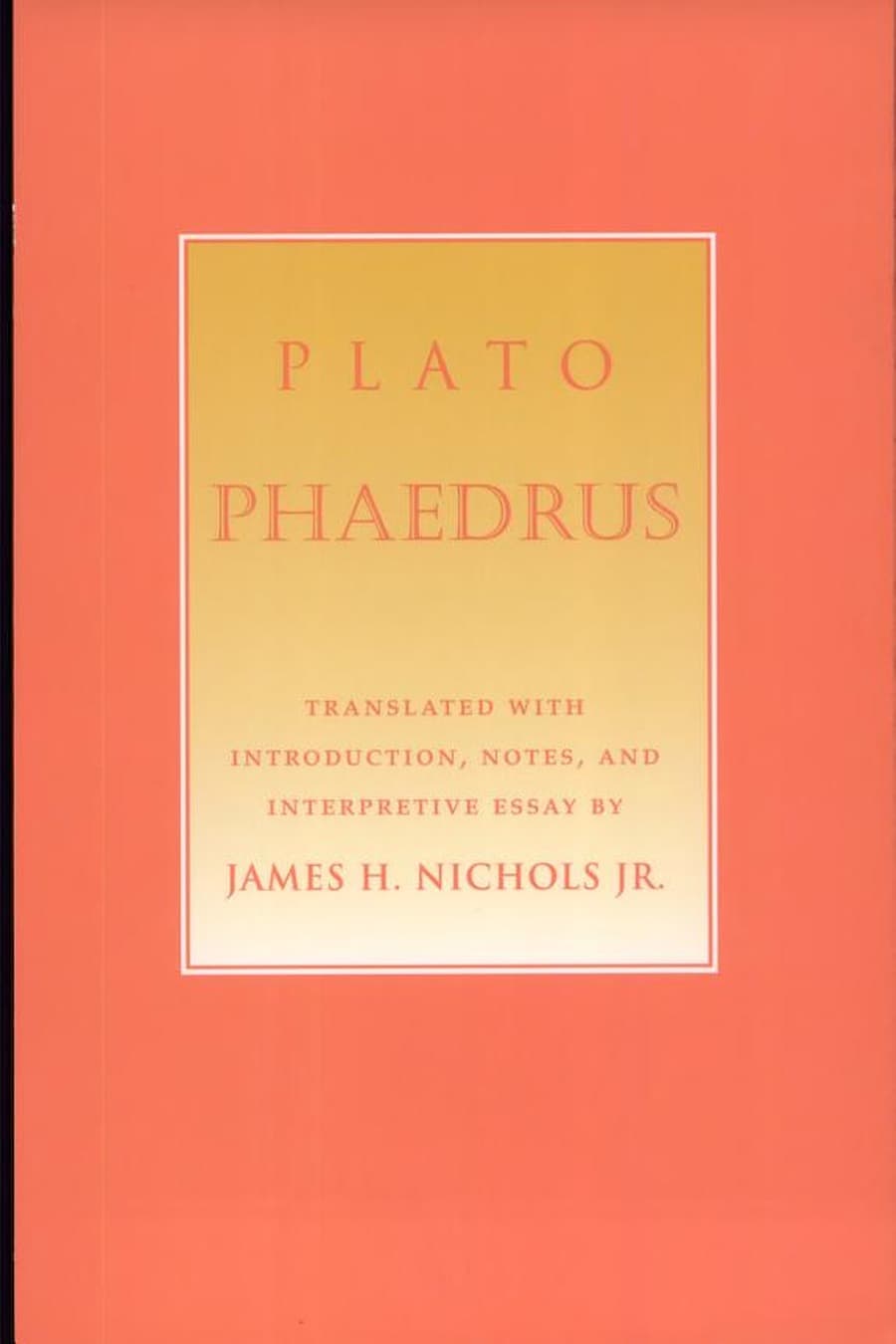
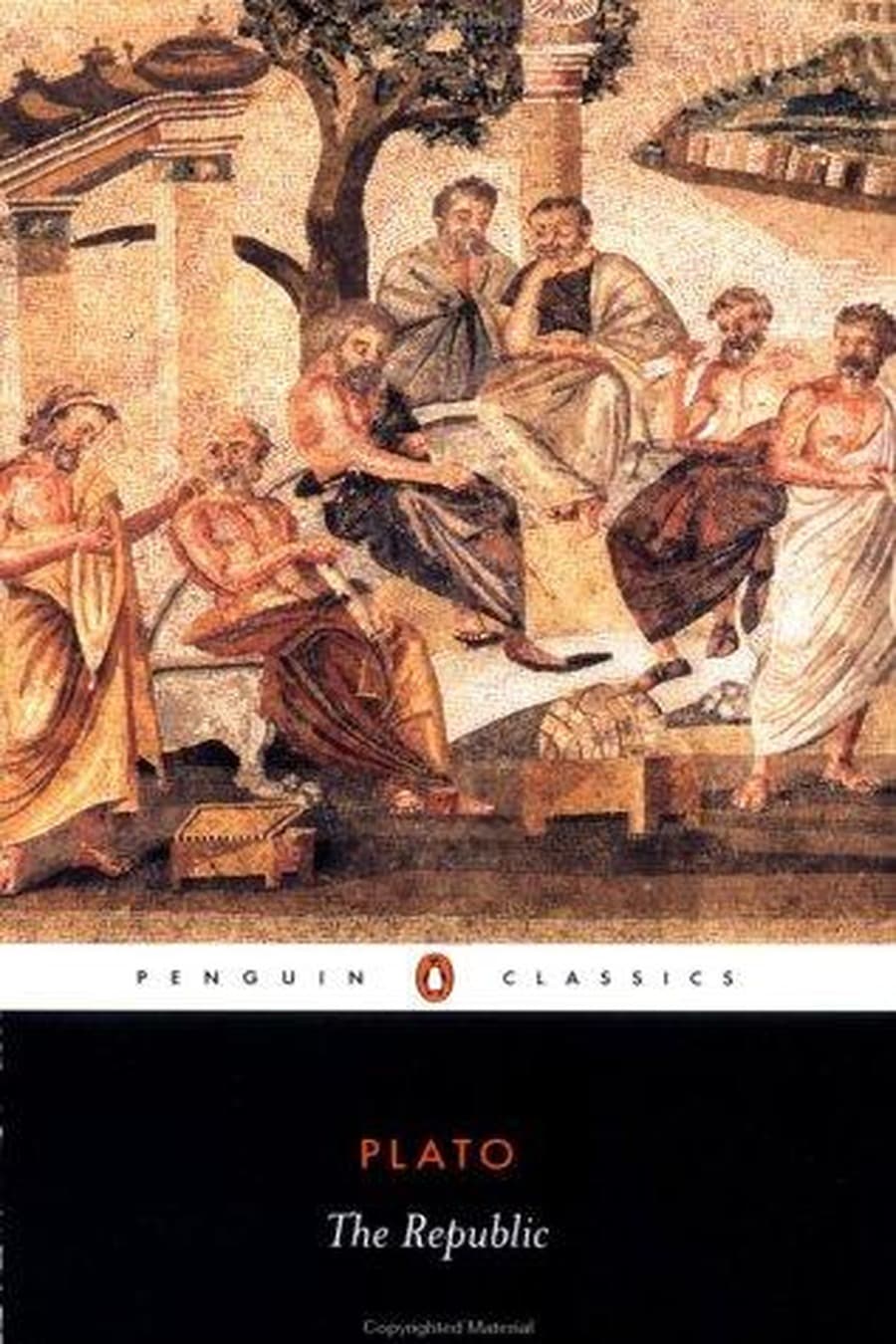




Link to this page
Add a free, dofollow link to Lex on your blog, forum, syllabus, or reading list.

<a href="https://lex-books.com/author/plato"><img src="https://lex-books.com/badges/read-on-lex.svg" alt="Plato on Lex" width="160" height="40"></a>[](https://lex-books.com/author/plato)[url=https://lex-books.com/author/plato][img]https://lex-books.com/badges/read-on-lex.svg[/img][/url]Plato on Lex: https://lex-books.com/author/plato