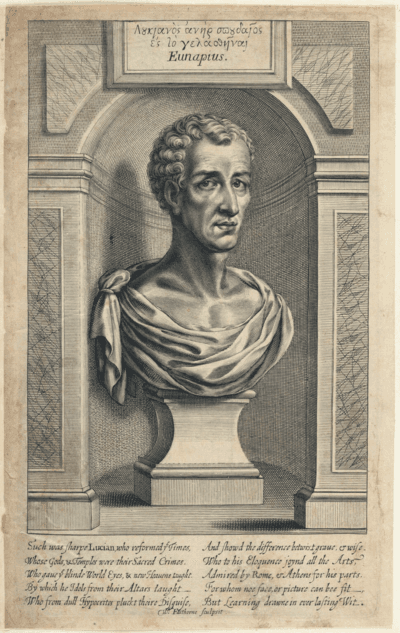
of Samosata Lucian
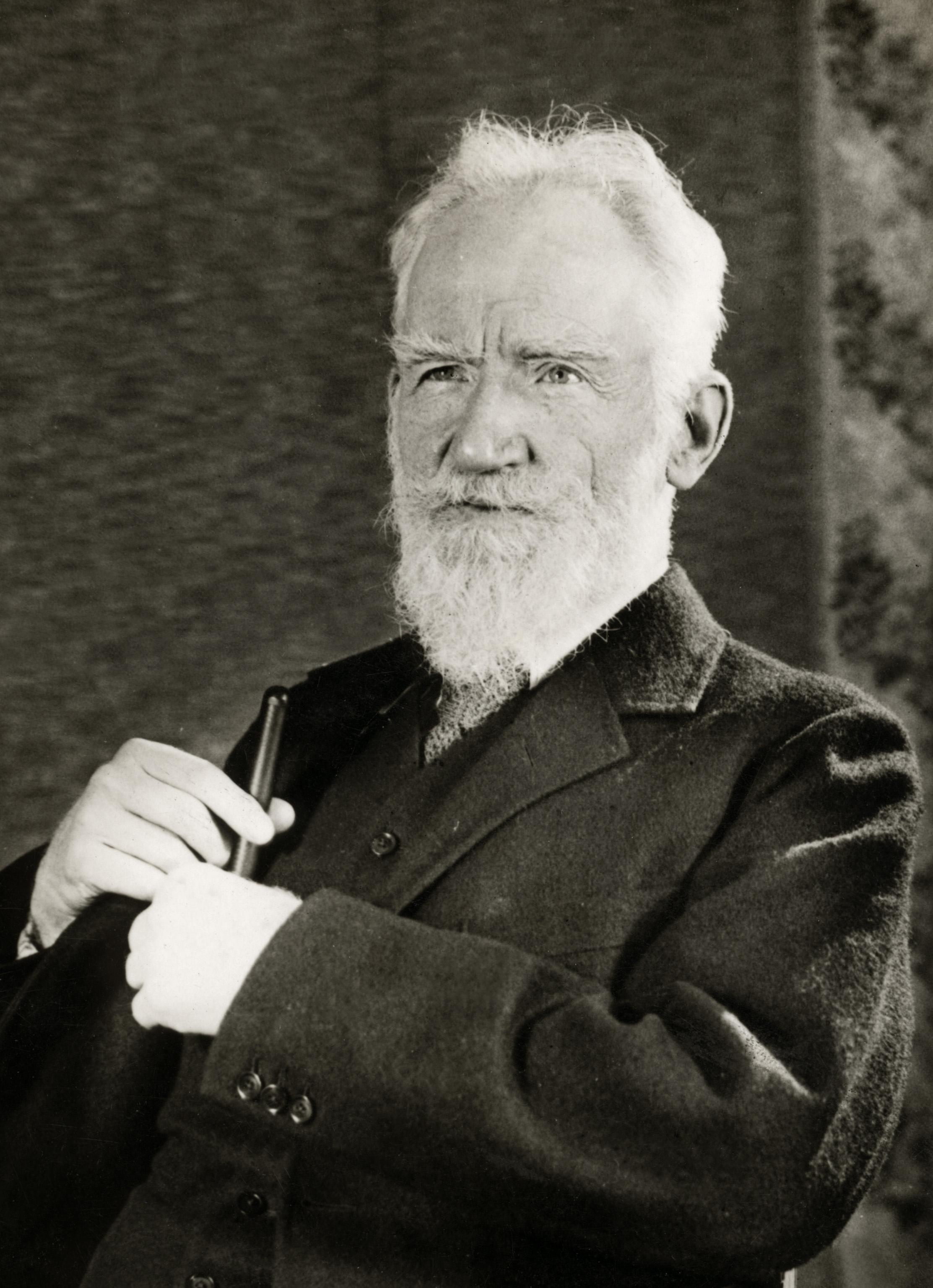
Lucian of Samosata was a prominent Greek satirist and writer, known for his sharp wit and keen observations of human nature. Born in Samosata, a city on the banks of the Euphrates, he lived during the Roman Empire and became a notable figure in the literary scene of his time. Lucian's works often blended humor with philosophical inquiry, challenging the conventions of society and the pretensions of his contemporaries. His most famous pieces include 'True History,' a satirical take on travel literature that parodied the fantastical claims of other writers, and 'Dialogues of the Dead,' where he employed dialogue to explore themes of morality and the afterlife, showcasing his innovative approach to narrative form. Lucian's significance lies not only in his mastery of satire but also in his influence on later literary traditions. His works anticipated elements of the modern novel and inspired countless writers, including the likes of Voltaire and Swift. By employing irony and parody, Lucian critiqued philosophical schools, religious beliefs, and the absurdities of human behavior, making him a precursor to later satirical literature. His legacy endures as a testament to the power of humor in addressing serious themes, and his writings continue to be studied for their insights into the human condition and the art of storytelling.
Famous Quotes
View all 18 quotes“There was no sign of Plato, and I was told later that he had gone to live in his , where he was cheerfully submitting to his own . [...] None of the Stoics were present. Rumour had it that they were still clambering up the steep hill of Virtue [...]. As for the Sceptics, it appeared that they were extremely anxious to get there, but still could not quite make up their minds whether or not the island really existed.””
“The city was filled to overflowing with persons who had neither brains nor individuality, who bore no resemblance to men that live by bread, and had only their outward shape to distinguish them from sheep.””
“Human life is under the absolute dominion of two mighty principles, fear and hope, and that any one who can make these serve his ends may be sure of rapid fortune.””
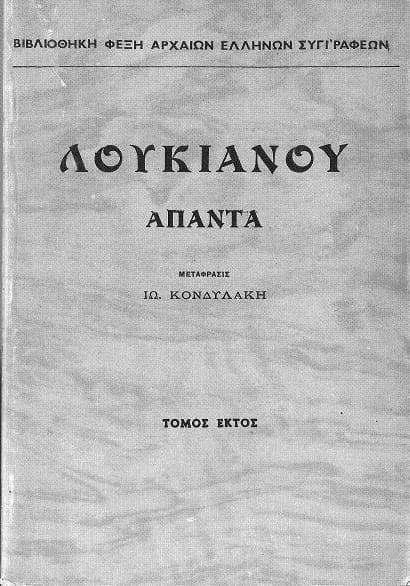
Books from the author


Link to this page
Add a free, dofollow link to Lex on your blog, forum, syllabus, or reading list.

<a href="https://lex-books.com/author/of-samosata-lucian"><img src="https://lex-books.com/badges/read-on-lex.svg" alt="of Samosata Lucian on Lex" width="160" height="40"></a>[](https://lex-books.com/author/of-samosata-lucian)[url=https://lex-books.com/author/of-samosata-lucian][img]https://lex-books.com/badges/read-on-lex.svg[/img][/url]of Samosata Lucian on Lex: https://lex-books.com/author/of-samosata-lucian