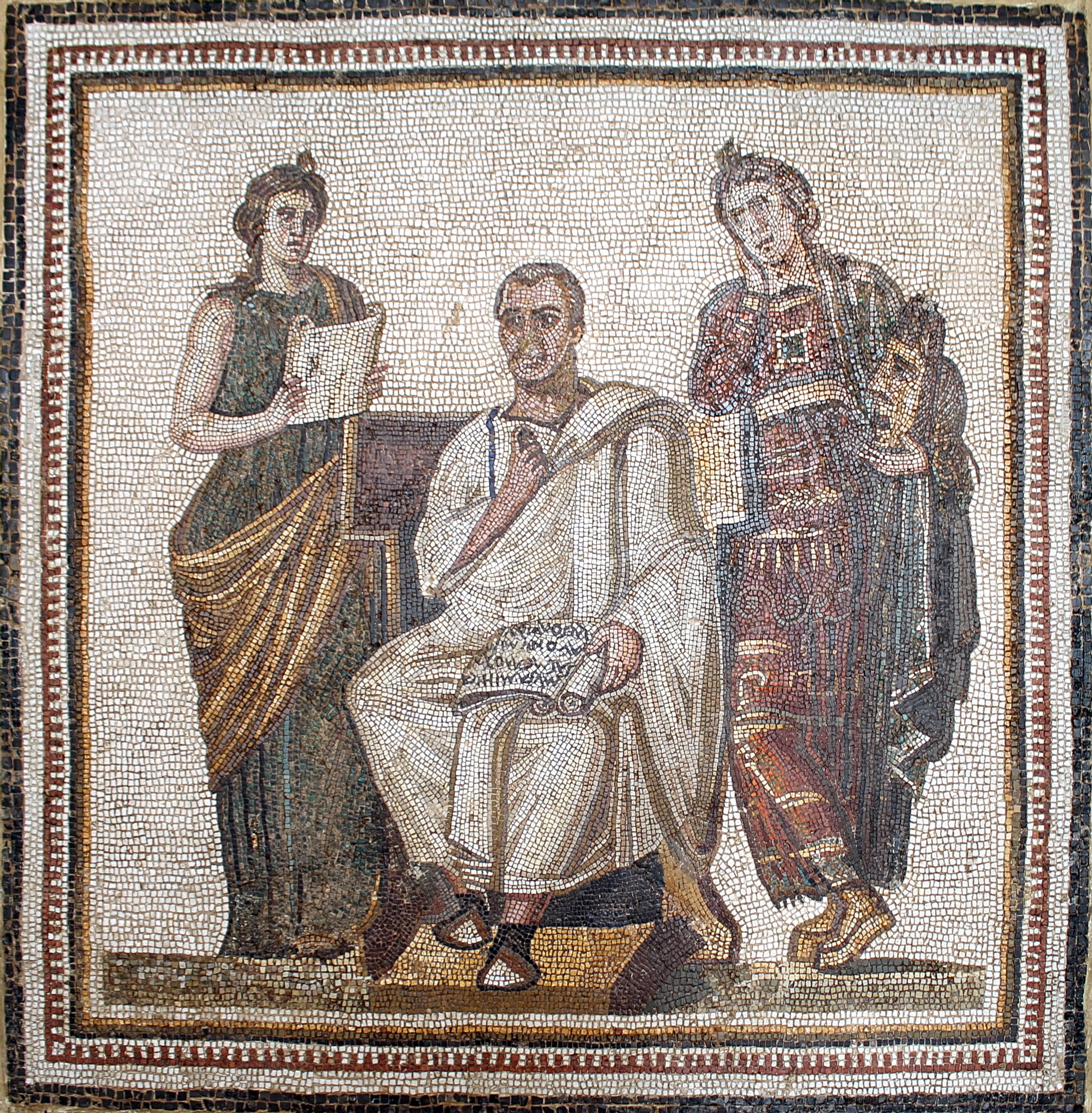
Virgil
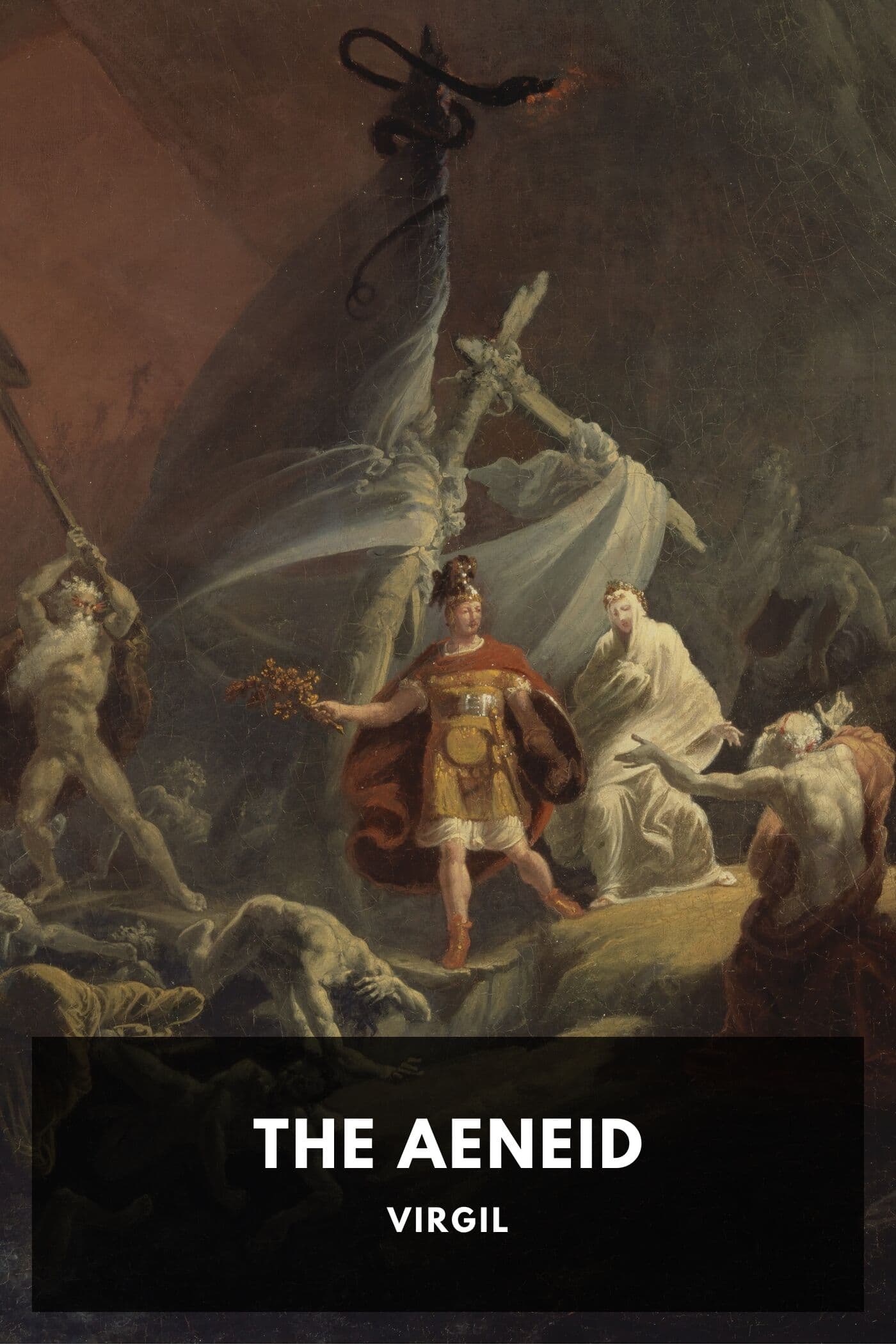
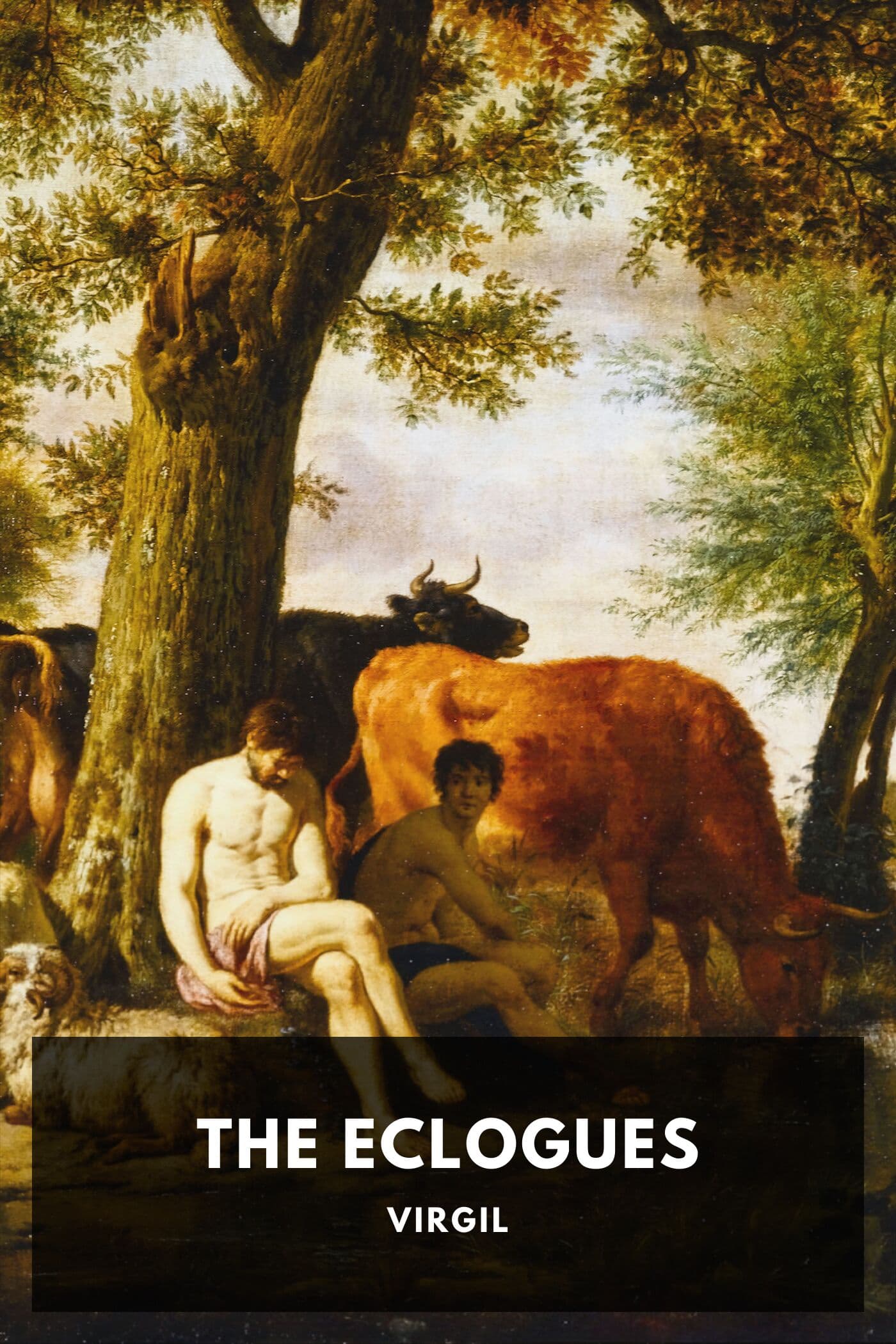
Virgil, known in Latin as Publius Vergilius Maro, was a preeminent Roman poet of the Augustan era whose works have profoundly influenced Western literature. He is best known for his three major poems: the pastoral Eclogues, which explore themes of rural life and nature; the Georgics, a didactic poem that celebrates agriculture and the relationship between humans and the land; and the Aeneid, an epic that tells the story of Aeneas, a Trojan hero, and his journey to found Rome. The Aeneid, in particular, is regarded as one of the greatest works of Latin literature, blending myth and history to establish a national identity for Rome and its imperial aspirations. Virgil's literary significance extends beyond his own time, as he set a standard for epic poetry that would influence countless writers throughout history. His use of language, vivid imagery, and exploration of complex themes such as duty, fate, and the human condition have earned him a lasting place in the canon of Western literature. His works were not only celebrated in antiquity but also became foundational texts for the Renaissance and beyond, inspiring poets, artists, and thinkers for centuries. Virgil's legacy endures, as he remains a central figure in the study of classical literature and continues to be revered for his artistic mastery and profound insights into the human experience.
Famous Quotes
View all 17 quotes“Fortune sides with him who dares.””
“Audaces fortuna iuvat (latin)- Fortune favors the bold.””
Books from the author




Link to this page
Add a free, dofollow link to Lex on your blog, forum, syllabus, or reading list.

<a href="https://lex-books.com/author/virgil"><img src="https://lex-books.com/badges/read-on-lex.svg" alt="Virgil on Lex" width="160" height="40"></a>[](https://lex-books.com/author/virgil)[url=https://lex-books.com/author/virgil][img]https://lex-books.com/badges/read-on-lex.svg[/img][/url]Virgil on Lex: https://lex-books.com/author/virgil