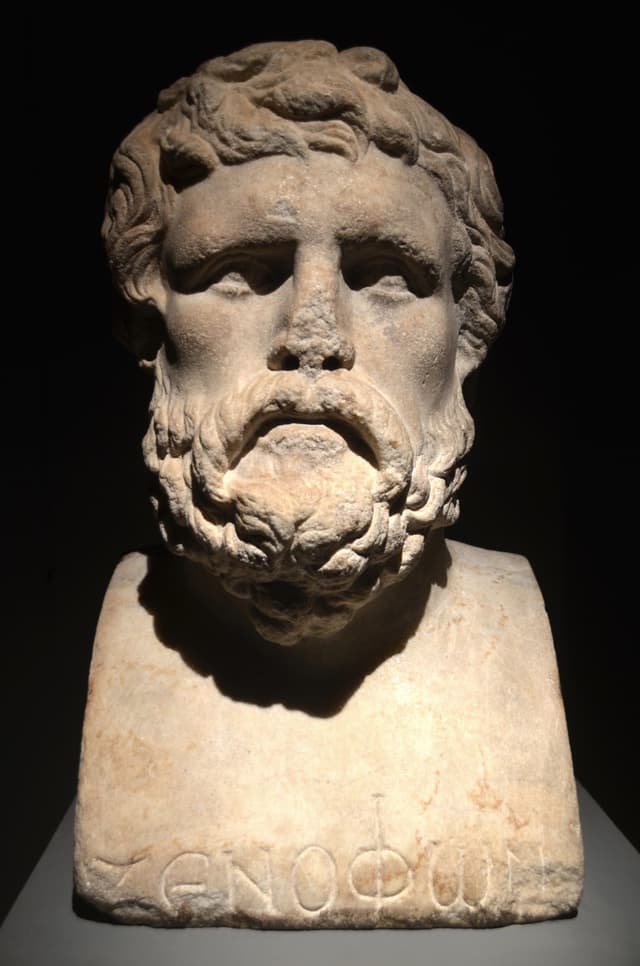
Xenophon
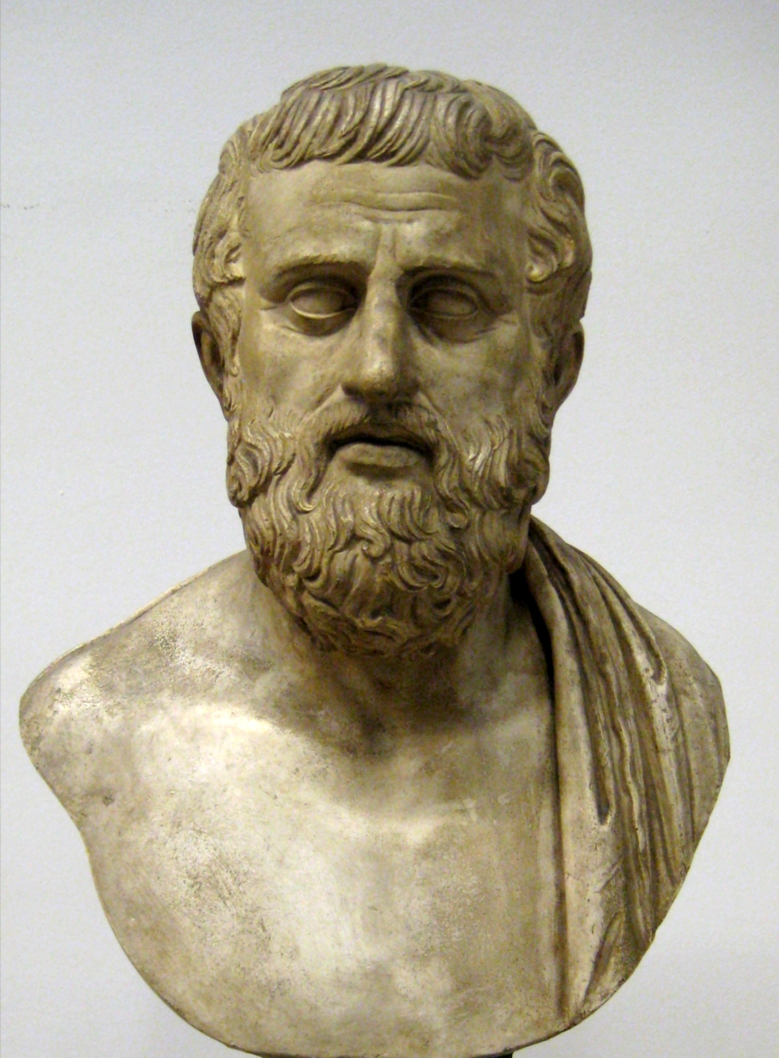
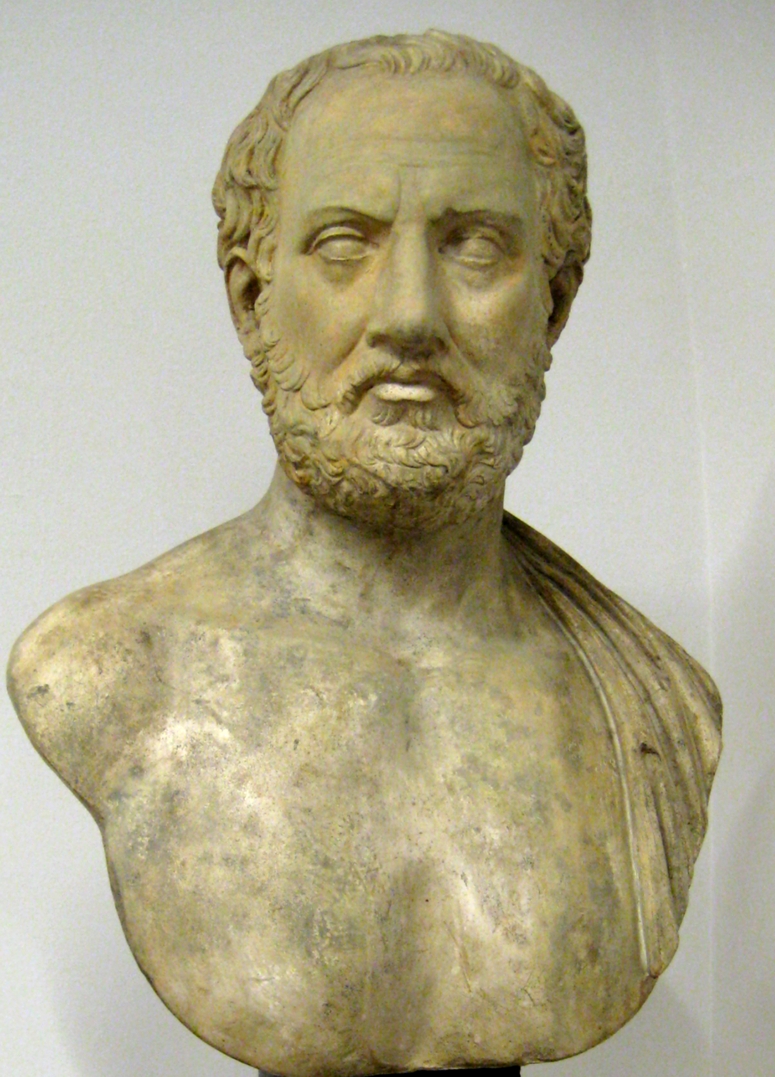
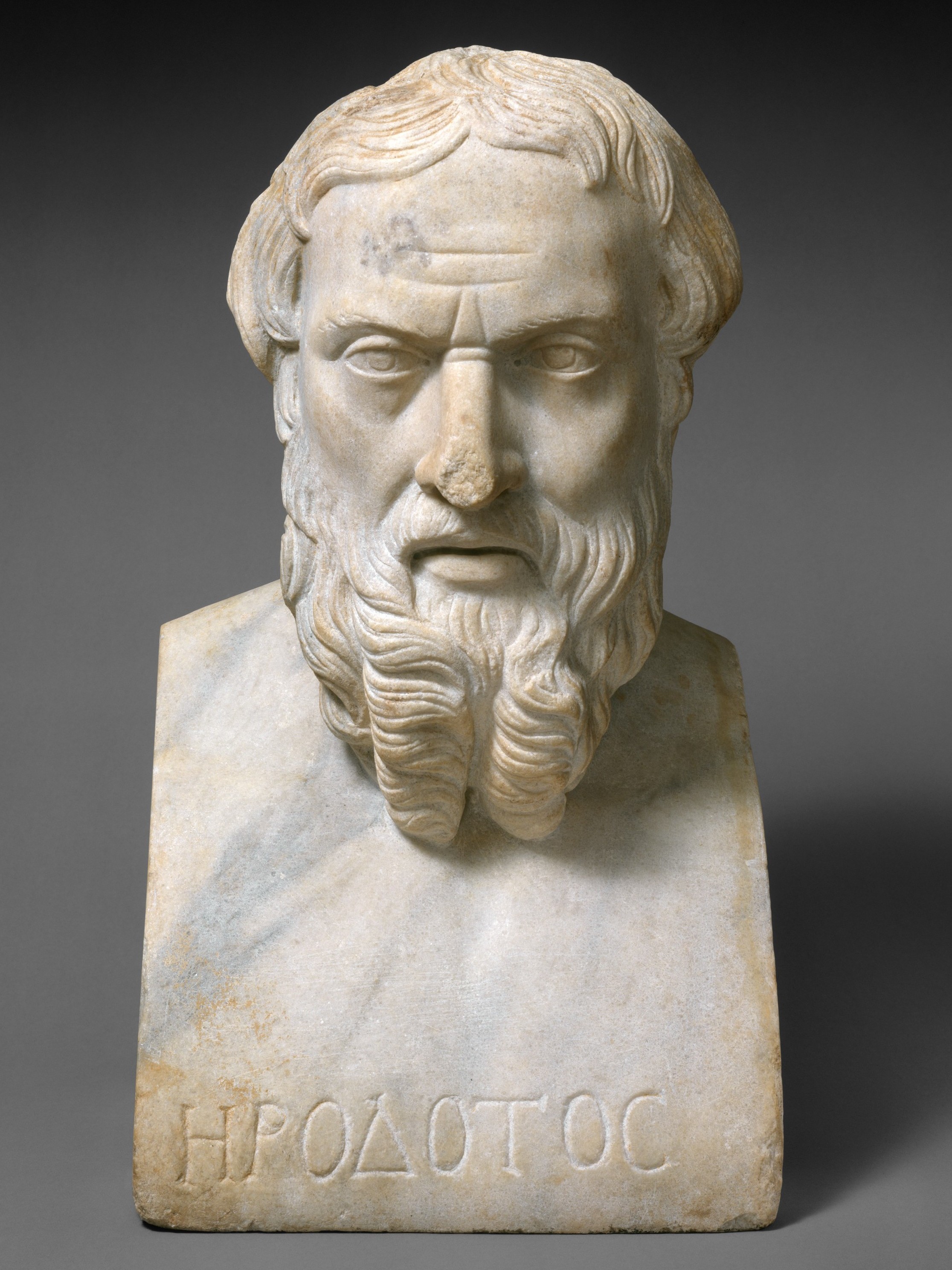
Xenophon of Athens was a prominent Greek military leader, philosopher, and historian whose contributions significantly shaped the understanding of ancient Greek history and military strategy. He gained notoriety as a leader of the Ten Thousand, a group of Greek mercenaries who embarked on a perilous journey following the failed campaign of Cyrus the Younger against the Achaemenid Empire. His firsthand account of this expedition is chronicled in his work, "Anabasis," which not only serves as a military narrative but also offers insights into leadership and the human experience in times of adversity. Xenophon's strategic acumen and leadership during this retreat earned him lasting respect, with military historians recognizing his exceptional capabilities in warfare and command. In addition to his military exploits, Xenophon was a prolific writer whose philosophical works, such as "Memorabilia," provide a unique perspective on Socratic thought and ethics. He explored themes of virtue, governance, and the role of the individual in society, contributing to the development of Western philosophical traditions. His writings, which include historical accounts, dialogues, and treatises on horsemanship and economics, have influenced both historical scholarship and philosophical discourse. Xenophon's legacy endures as a key figure in classical literature, bridging the realms of history, philosophy, and military strategy, and his works continue to be studied for their insights into ancient Greek culture and thought.
Famous Quotes
View all 15 quotes“Anything forced is not beautiful””
“In my experience, men who respond to good fortune with modesty and kindness are harder to find than those who face adversity with courage. For in the very nature of things, success tends to create pride and blindness in the hearts of men, while suffering teaches them to be patient and strong.””
“No human being will ever know the truth, for even if they happened to say it by chance, they would not know they had done so.””
Books from the author





Link to this page
Add a free, dofollow link to Lex on your blog, forum, syllabus, or reading list.

<a href="https://lex-books.com/author/xenophon"><img src="https://lex-books.com/badges/read-on-lex.svg" alt="Xenophon on Lex" width="160" height="40"></a>[](https://lex-books.com/author/xenophon)[url=https://lex-books.com/author/xenophon][img]https://lex-books.com/badges/read-on-lex.svg[/img][/url]Xenophon on Lex: https://lex-books.com/author/xenophon