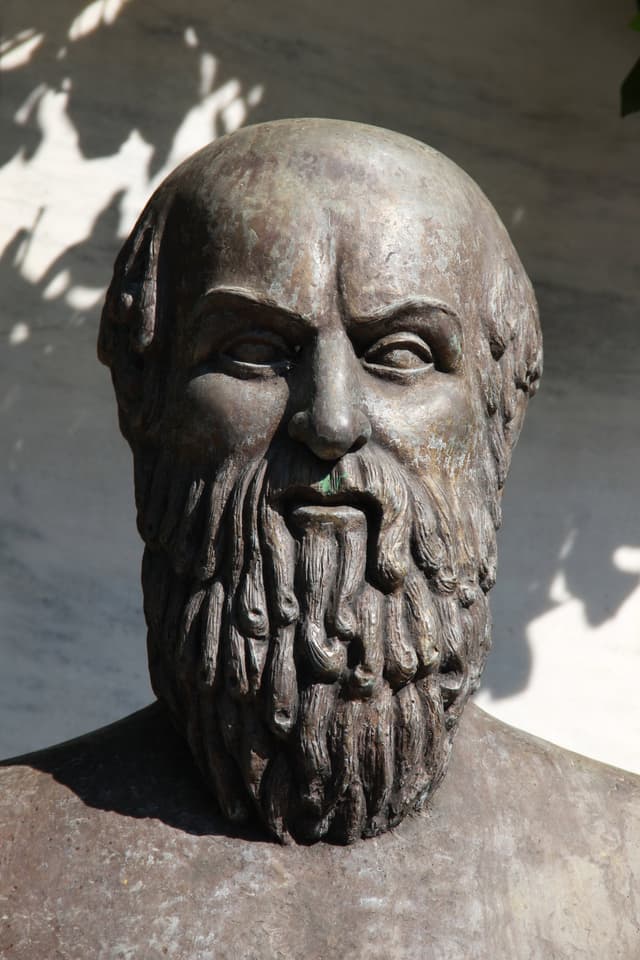
Aeschylus
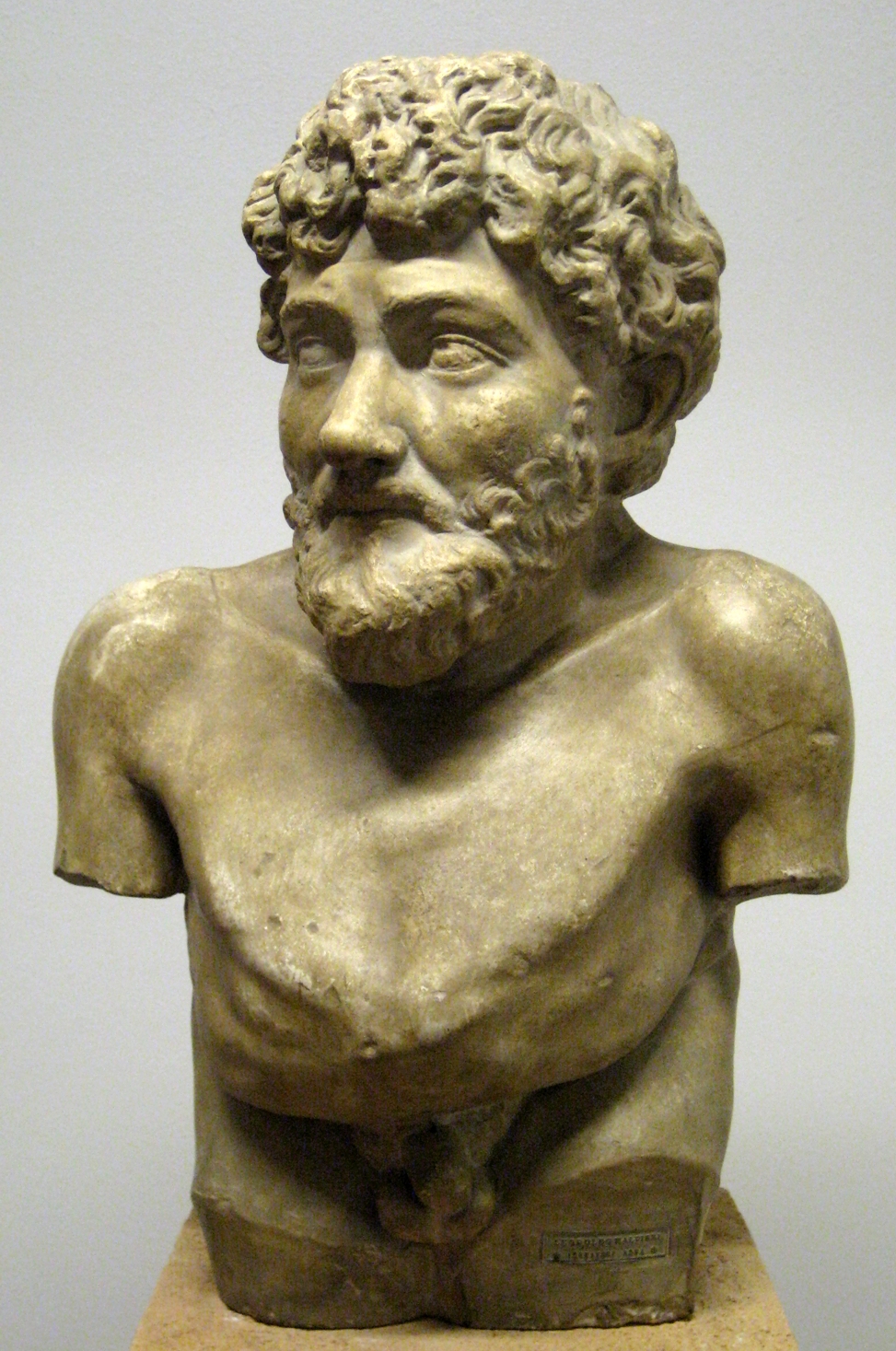
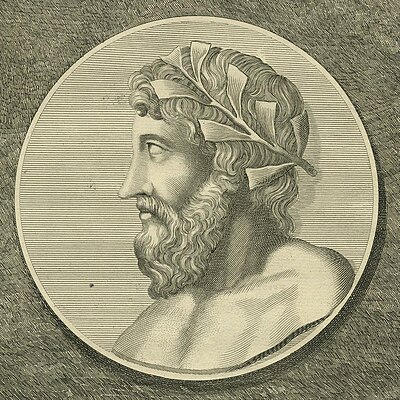
Aeschylus was an ancient Greek playwright, often hailed as the father of tragedy. Born in Eleusis, he is credited with transforming the theatrical landscape of Athens during the 5th century BC. His works introduced innovative elements such as the use of a second actor, which allowed for more complex interactions and dramatic tension on stage. Among his most significant contributions are the 'Oresteia' trilogy, which explores themes of justice, vengeance, and the evolution of societal norms, and 'Prometheus Bound,' a powerful exploration of defiance against tyranny and the consequences of divine retribution. Aeschylus's influence on the development of drama is profound, as he set the groundwork for future playwrights like Sophocles and Euripides. His mastery of language and ability to weave intricate moral dilemmas into his narratives established tragedy as a respected literary form. The themes he explored, such as fate, divine justice, and human suffering, continue to resonate in modern literature and theater. Aeschylus's legacy endures not only through his surviving works but also through the enduring impact he had on the evolution of Western drama and the exploration of the human condition.
Famous Quotes
View all 18 quotes“Even in our sleep, pain which cannot forgetfalls drop by drop upon the heartuntil, in our own despair, against our will,comes wisdom through the awful grace of God.””
“Happiness is a choice that requires effort at times.””
“Wisdom comes through suffering.Trouble, with its memories of pain,Drips in our hearts as we try to sleep,So men against their willLearn to practice moderation.Favours come to us from gods.””
Books from the author







Link to this page
Add a free, dofollow link to Lex on your blog, forum, syllabus, or reading list.

<a href="https://lex-books.com/author/aeschylus"><img src="https://lex-books.com/badges/read-on-lex.svg" alt="Aeschylus on Lex" width="160" height="40"></a>[](https://lex-books.com/author/aeschylus)[url=https://lex-books.com/author/aeschylus][img]https://lex-books.com/badges/read-on-lex.svg[/img][/url]Aeschylus on Lex: https://lex-books.com/author/aeschylus