Minor Dialogues, Together With the Dialogue on Clemency
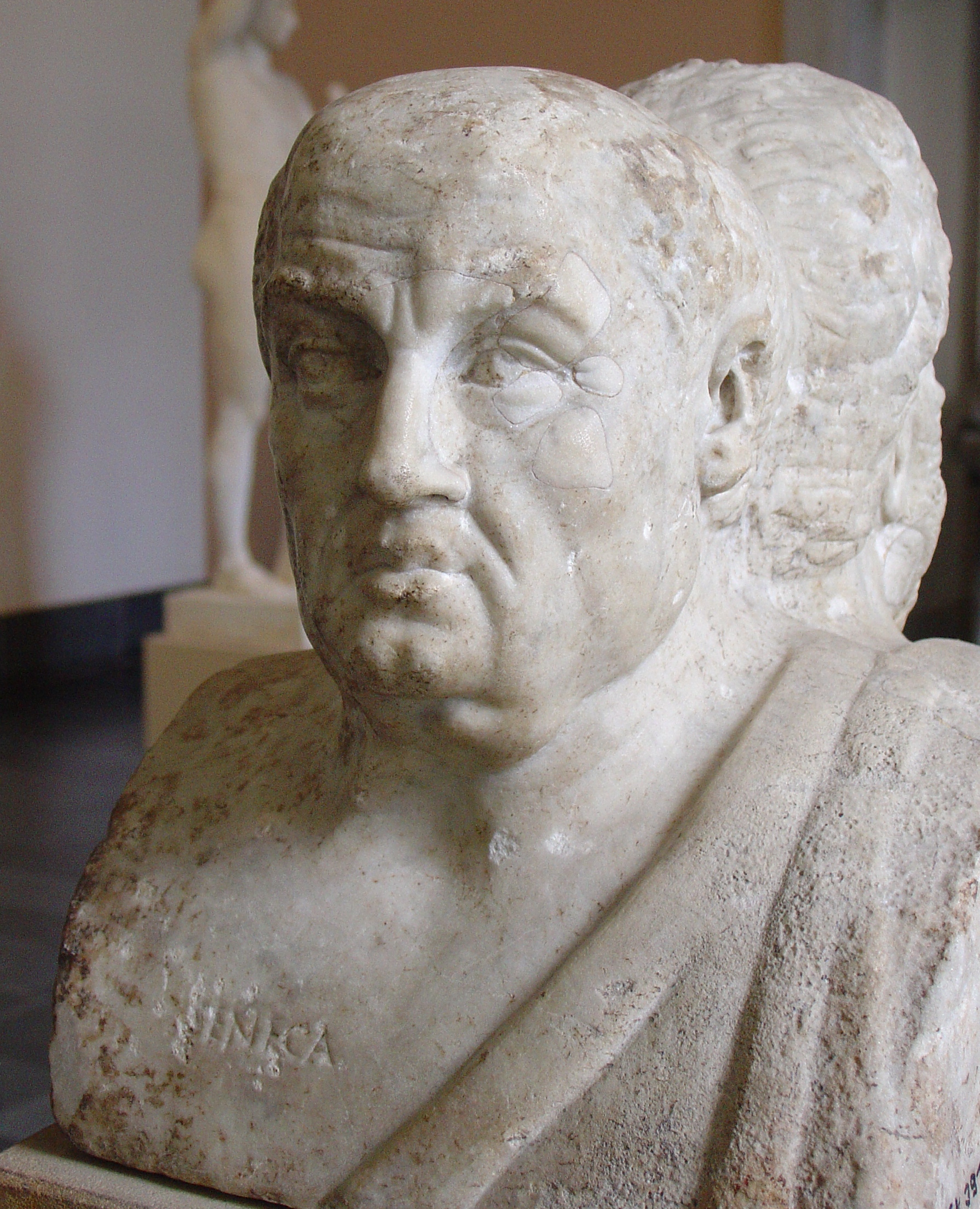
These dialogues represent Stoic philosophy at its most urgent and practical. Seneca writes not as an abstract thinker but as a counselor to power, tackling questions that still resonate across centuries: how should we face adversity? How should we wield authority? The Dialogue on Clemency stands apart in Western literature as a treatise on mercy written directly to a young emperor, arguing that true sovereignty lies in restraint, that a ruler who shows clemency accomplishes more than one who rules through fear. The Minor Dialogues address the classic Stoic problem of evil with startling directness: why do good people suffer? Why does fortune seem to favor the unworthy? Seneca's answer is not passive resignation but active virtue - the radical idea that our thoughts, not our circumstances, determine our flourishing. Written in the first century AD but sounding remarkably modern, these essays function as manuals for living wisely in a world that frequently disappoints. For readers seeking philosophy that breathes, that confronts anger and injustice and mortality without flinching, Seneca remains an indispensable voice.
Editions
Link to this book
Add a free, dofollow link to Lex on your blog, forum, syllabus, or reading list.

<a href="https://lex-books.com/book/minor-dialogues-together-with-the-dialogue-on-clemency-9fa0a4f3-ec5d-4fd5-80d9-ae30a653cb30"><img src="https://lex-books.com/badges/read-on-lex.svg" alt="Read Minor Dialogues, Together With the Dialogue on Clemency by Lucius Annaeus Seneca free on Lex" width="160" height="40"></a>[](https://lex-books.com/book/minor-dialogues-together-with-the-dialogue-on-clemency-9fa0a4f3-ec5d-4fd5-80d9-ae30a653cb30)[url=https://lex-books.com/book/minor-dialogues-together-with-the-dialogue-on-clemency-9fa0a4f3-ec5d-4fd5-80d9-ae30a653cb30][img]https://lex-books.com/badges/read-on-lex.svg[/img][/url]Read Minor Dialogues, Together With the Dialogue on Clemency by Lucius Annaeus Seneca free on Lex: https://lex-books.com/book/minor-dialogues-together-with-the-dialogue-on-clemency-9fa0a4f3-ec5d-4fd5-80d9-ae30a653cb30Cite this book
Reading this edition for a paper or guide? Copy a citation.
Seneca, Lucius Annaeus. Minor Dialogues, Together With the Dialogue on Clemency. Lex, lex-books.com/book/minor-dialogues-together-with-the-dialogue-on-clemency-9fa0a4f3-ec5d-4fd5-80d9-ae30a653cb30.Seneca, L. A. (n.d.). Minor Dialogues, Together With the Dialogue on Clemency. Lex. https://lex-books.com/book/minor-dialogues-together-with-the-dialogue-on-clemency-9fa0a4f3-ec5d-4fd5-80d9-ae30a653cb30Seneca, Lucius Annaeus. Minor Dialogues, Together With the Dialogue on Clemency. Lex. https://lex-books.com/book/minor-dialogues-together-with-the-dialogue-on-clemency-9fa0a4f3-ec5d-4fd5-80d9-ae30a653cb30.