
the Elder Pliny
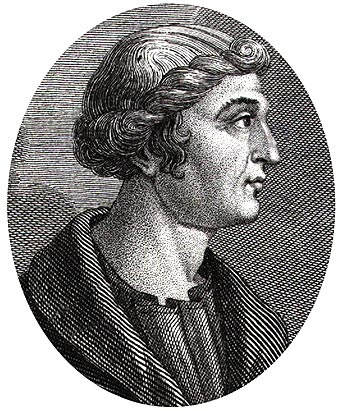
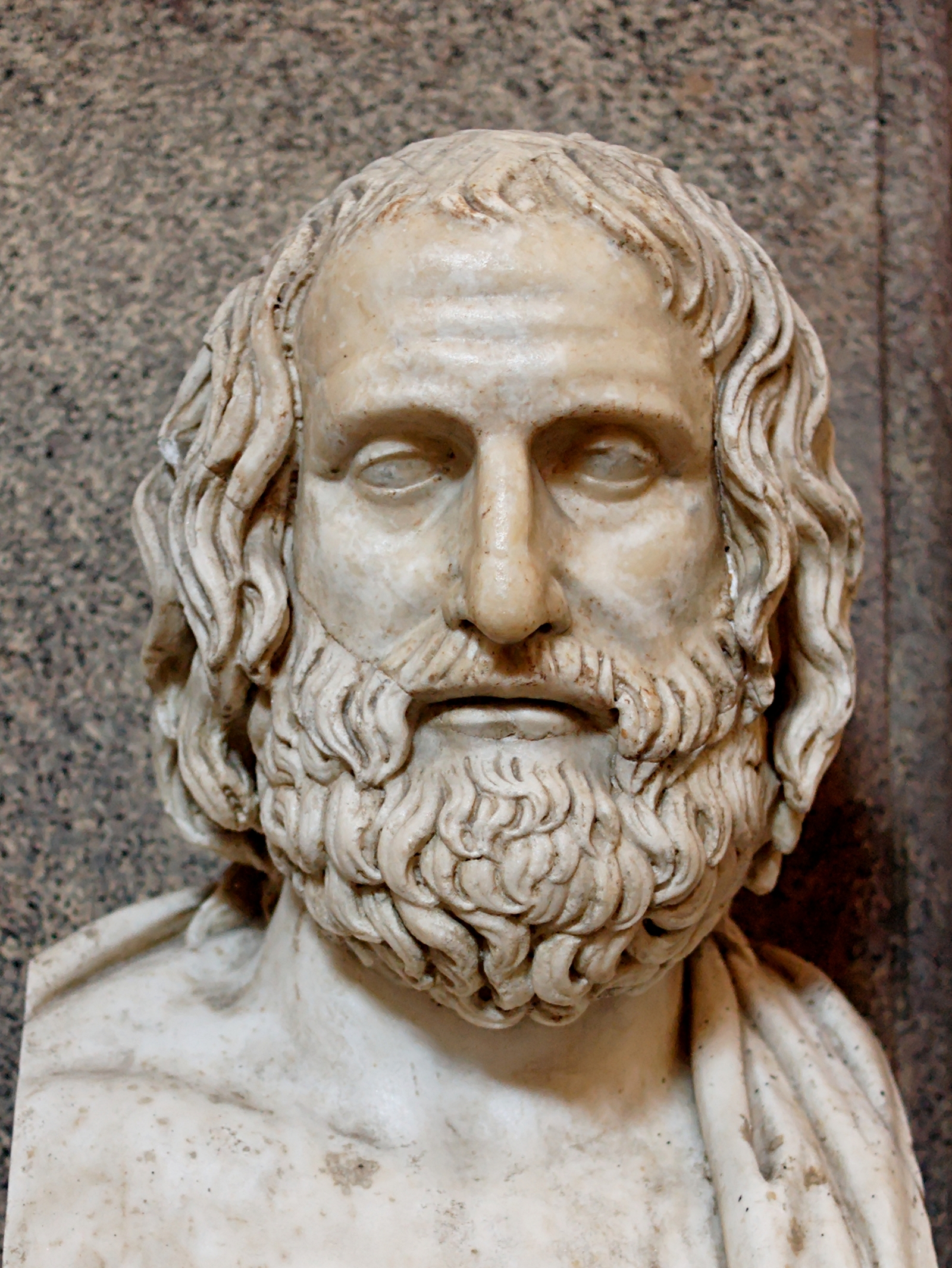
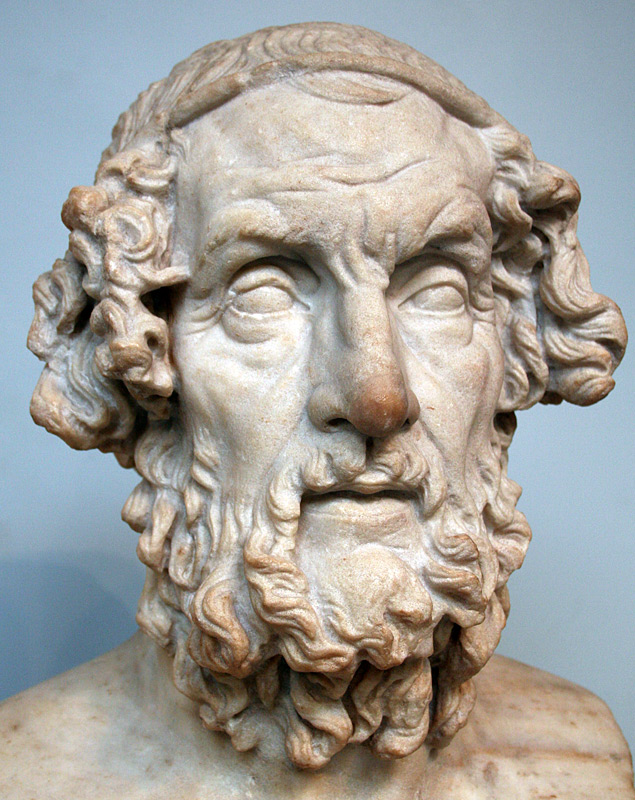
Gaius Plinius Secundus, known as Pliny the Elder, was a prominent Roman author, naturalist, and military commander during the early Roman Empire. He was a close associate of Emperor Vespasian and dedicated much of his life to the study of the natural world and human knowledge. His most significant work, the encyclopedic 'Naturalis Historia' (Natural History), spanned thirty-seven volumes and encompassed a wide range of subjects, establishing a foundational model for future encyclopedias. Pliny's insatiable curiosity led him to investigate various natural and geographic phenomena, reflecting the intellectual spirit of his time. In addition to 'Naturalis Historia', Pliny authored the now-lost 'Bella Germaniae' (Wars of Germania), a twenty-volume account of the Roman campaigns in Germania. This work served as a crucial source for later historians, including Tacitus, who may have relied on it for his own writings. Pliny's commitment to documenting the natural world and human endeavors left a lasting impact on the fields of natural history and literature. He met his end in 79 CE during the catastrophic eruption of Mount Vesuvius, where he heroically attempted to rescue victims, embodying the spirit of inquiry and duty that defined his life and work.
Books from the author


Link to this page
Add a free, dofollow link to Lex on your blog, forum, syllabus, or reading list.

<a href="https://lex-books.com/author/the-elder-pliny"><img src="https://lex-books.com/badges/read-on-lex.svg" alt="the Elder Pliny on Lex" width="160" height="40"></a>[](https://lex-books.com/author/the-elder-pliny)[url=https://lex-books.com/author/the-elder-pliny][img]https://lex-books.com/badges/read-on-lex.svg[/img][/url]the Elder Pliny on Lex: https://lex-books.com/author/the-elder-pliny