Apocolocyntosis
1984
Apocolocyntosis
1984
Translated by W. H. D. (William Henry Denham) Rouse
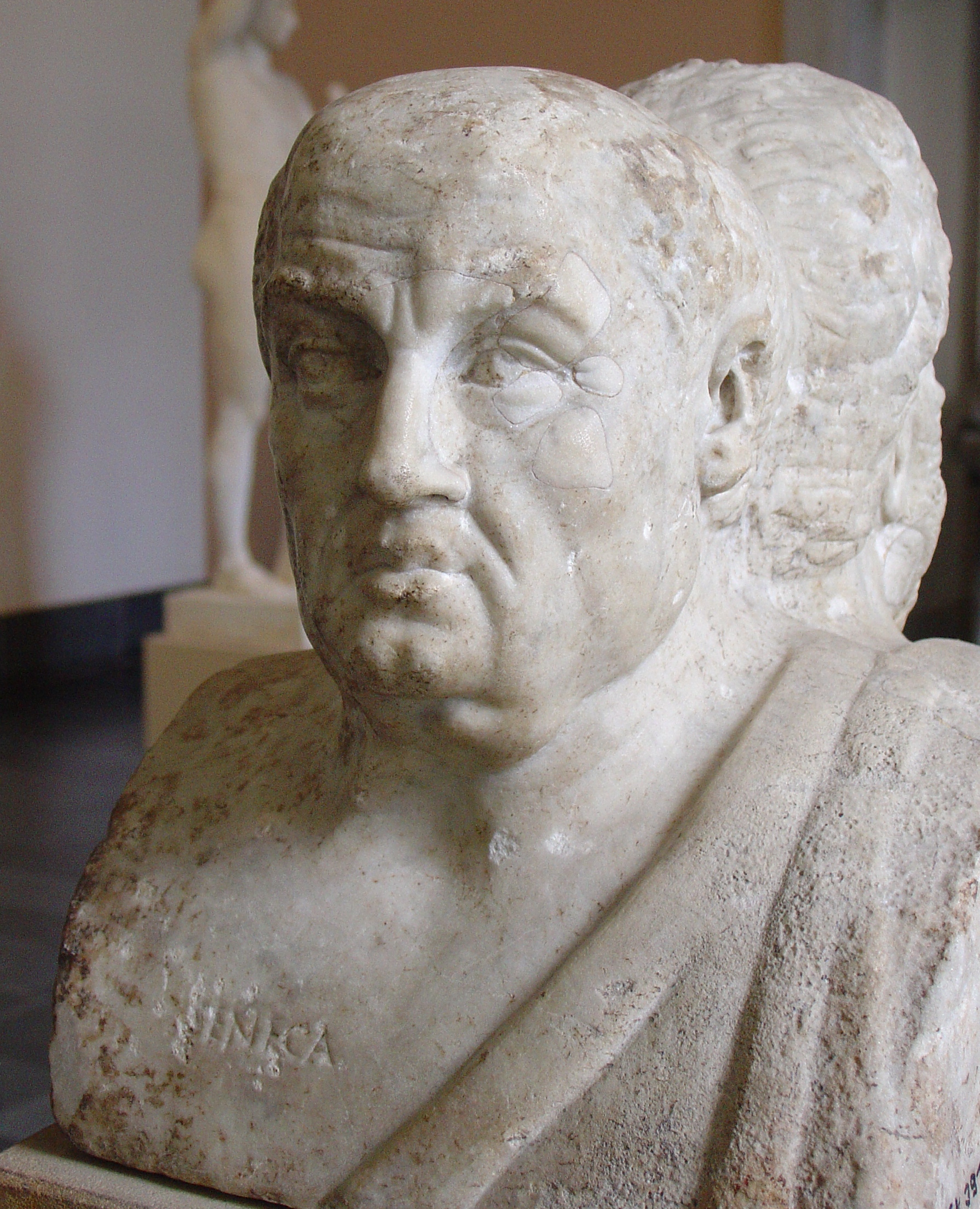
Seneca's Apocolocyntosis is the nastiest political pamphlet to survive from ancient Rome. Written around 54 AD, shortly after Emperor Claudius conveniently died (some said from a poisoned mushroom), this Menippean satire imagines the emperor standing trial in the heavens before the gods decide whether he's worthy of apotheosis. Seneca's Claudius is a blustering, petty, absurd figure who speaks in malapropisms and bumbles through his own divine judgment. The emperor who ruled the known world is reduced to shaking dice in a bottomless box for eternity, grasping at power he never truly possessed. It's vicious, it's funny, and it tells us everything about how the Roman elite really felt about a man who had become a god by decree. The work endures because it's simply one of the best insults in Western literature, a masterclass in using wit to dismantle power. Anyone who enjoys political satire, ancient history, or a really excellent burn will find something to love here.
Editions
X-Ray
“An Epicurean god he cannot be: for they have no troubles and cause none. A Stoic, then? How can he be globular, as Varro says, without a head or any other projection? There is in him something of the Stoic god, as I can see now: he has neither heart nor head.””
— Lucius Annaeus Seneca
“It's easier to get philosophers to agree than clocks.””
— Lucius Annaeus Seneca
“His last words heard on earth came after he'd let off a louder noise from his easiest channel of communication: 'Oh my! I think I've shit myself.' For all I know, he did. He certainly shat on everything else.””
— Lucius Annaeus Seneca
“The Gallic cock was worth most on his own dunghill” - a Roman proverb.””
— Lucius Annaeus Seneca
“Nobody believed he was really quite born” - a proverb for a nobody (referring to Claudius)””
— Lucius Annaeus Seneca
Link to this book
Add a free, dofollow link to Lex on your blog, forum, syllabus, or reading list.

<a href="https://lex-books.com/book/apocolocyntosis-c84e8d01-0708-4f41-aab2-99f5a0a5706e"><img src="https://lex-books.com/badges/read-on-lex.svg" alt="Read Apocolocyntosis by Lucius Annaeus Seneca free on Lex" width="160" height="40"></a>[](https://lex-books.com/book/apocolocyntosis-c84e8d01-0708-4f41-aab2-99f5a0a5706e)[url=https://lex-books.com/book/apocolocyntosis-c84e8d01-0708-4f41-aab2-99f5a0a5706e][img]https://lex-books.com/badges/read-on-lex.svg[/img][/url]Read Apocolocyntosis by Lucius Annaeus Seneca free on Lex: https://lex-books.com/book/apocolocyntosis-c84e8d01-0708-4f41-aab2-99f5a0a5706eCite this book
Reading this edition for a paper or guide? Copy a citation.
Seneca, Lucius Annaeus. Apocolocyntosis. Lex, lex-books.com/book/apocolocyntosis-c84e8d01-0708-4f41-aab2-99f5a0a5706e.Seneca, L. A. (1984). Apocolocyntosis. Lex. https://lex-books.com/book/apocolocyntosis-c84e8d01-0708-4f41-aab2-99f5a0a5706eSeneca, Lucius Annaeus. Apocolocyntosis. Lex. https://lex-books.com/book/apocolocyntosis-c84e8d01-0708-4f41-aab2-99f5a0a5706e.