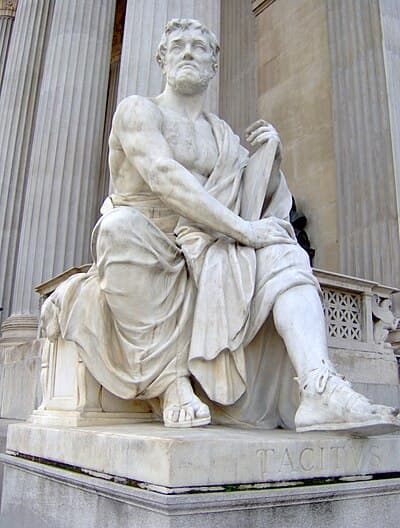
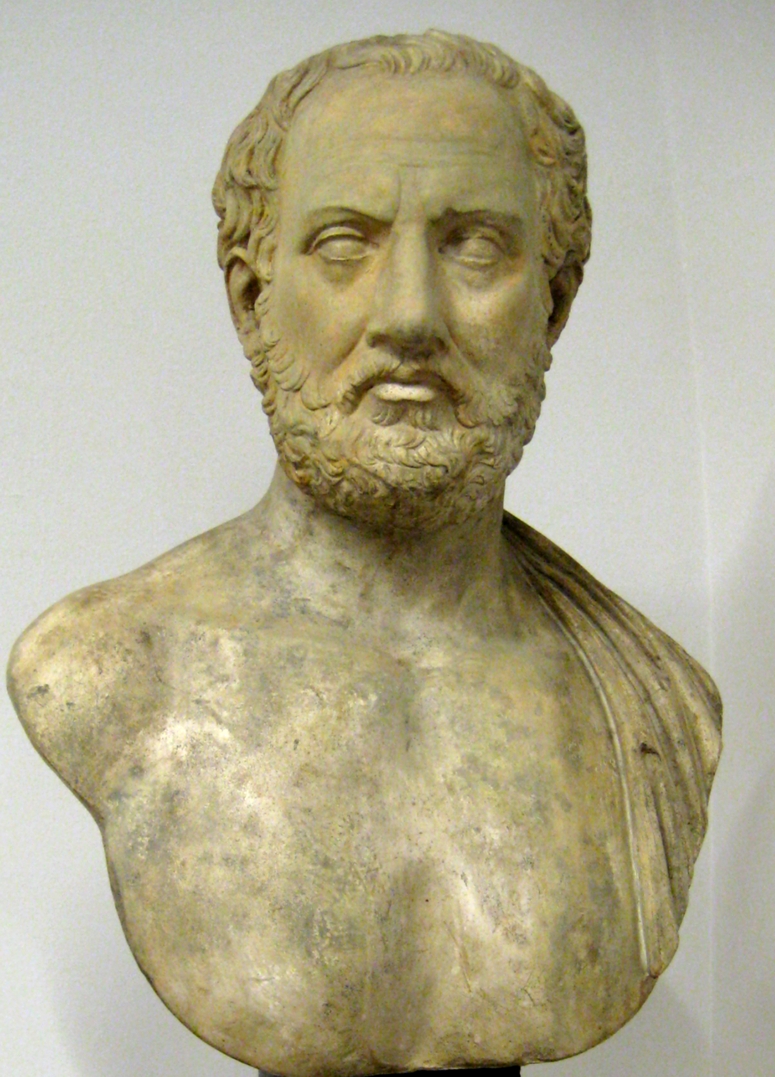
Cornelius Tacitus
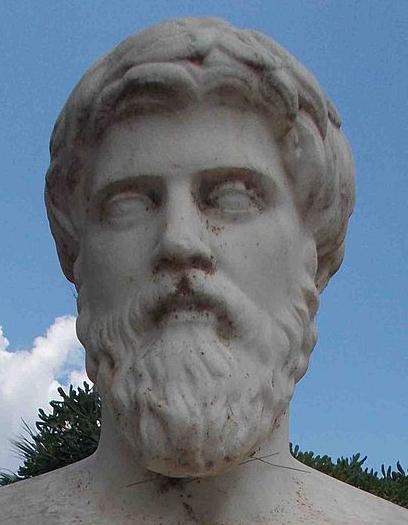
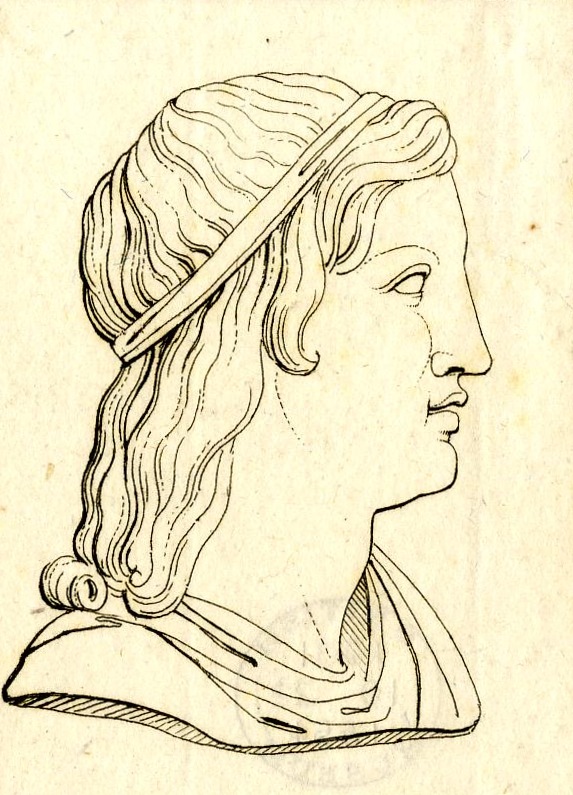
Publius Cornelius Tacitus was a prominent Roman historian and politician, recognized for his incisive analysis of the Roman Empire's history and governance. His major works, including 'Annals' and 'Histories', provide a detailed account of the Roman Empire from the reign of Tiberius to the end of the Flavian dynasty. Tacitus's writing is characterized by its brevity, depth, and a keen sense of moral judgment, offering insights into the complexities of power, corruption, and human behavior. His unique style and critical perspective have earned him a lasting place in the canon of historical literature. Tacitus's significance lies not only in his historical narratives but also in his exploration of themes such as tyranny, freedom, and the nature of authority. He is often credited with pioneering a more analytical approach to history, emphasizing the importance of understanding the motivations behind political events. His works have influenced countless historians and writers throughout the centuries, establishing him as a foundational figure in the study of history. Tacitus's legacy endures, as his observations continue to resonate in discussions of political ethics and the dynamics of power in society.
Famous Quotes
View all 16 quotes“They make a desolation and call it peace.””
“When perfect sincerity is expected, perfect freedom must be allowed.””
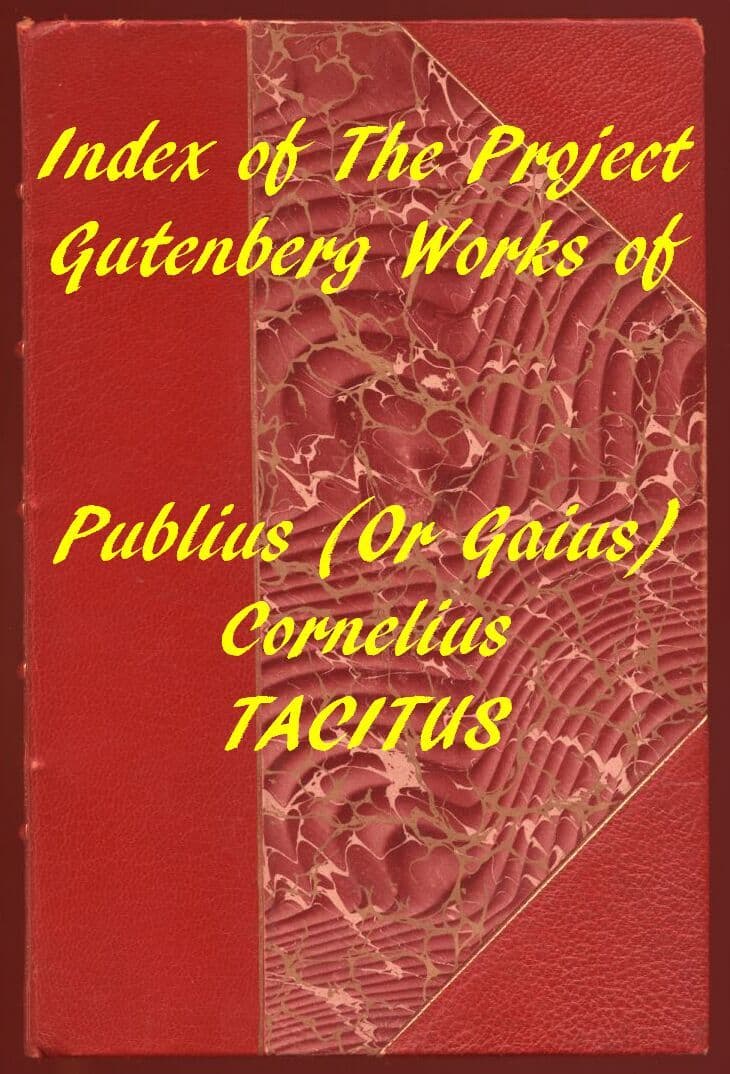
Books from the author


Link to this page
Add a free, dofollow link to Lex on your blog, forum, syllabus, or reading list.

<a href="https://lex-books.com/author/cornelius-tacitus"><img src="https://lex-books.com/badges/read-on-lex.svg" alt="Cornelius Tacitus on Lex" width="160" height="40"></a>[](https://lex-books.com/author/cornelius-tacitus)[url=https://lex-books.com/author/cornelius-tacitus][img]https://lex-books.com/badges/read-on-lex.svg[/img][/url]Cornelius Tacitus on Lex: https://lex-books.com/author/cornelius-tacitus