
Gaius Valerius Catullus
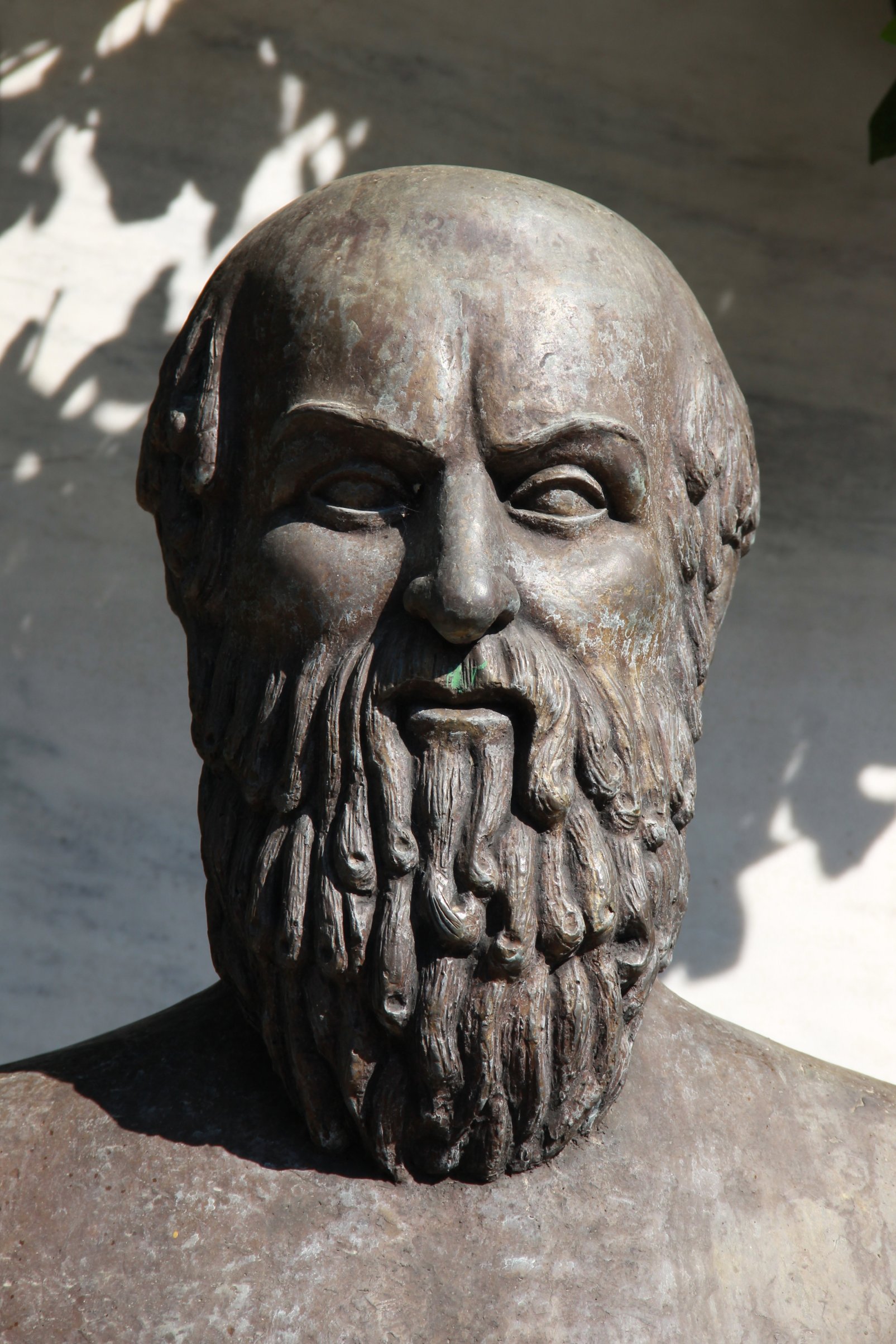
Gaius Valerius Catullus was a prominent Roman poet of the late Republic, known for his passionate and often personal poetry that explored themes of love, friendship, and the complexities of human emotion. Born in Verona, Catullus spent much of his life in Rome, where he became part of a vibrant literary community that included other notable poets such as Virgil and Horace. His works, particularly the collection known as 'Carmina,' showcase his mastery of various poetic forms and his ability to convey intense feelings with both wit and vulnerability. Catullus's poetry often addressed his tumultuous relationship with a woman he referred to as Lesbia, a pseudonym for his muse, which has captivated readers for centuries with its raw emotion and lyrical beauty. Catullus's significance in the literary canon lies not only in his innovative use of language and form but also in his candid exploration of personal and societal themes. His poems range from tender love lyrics to sharp invectives against his rivals, reflecting the full spectrum of human experience. Works such as 'To Lesbia' and 'The Carmina of Caius Valerius Catullus' exemplify his ability to blend personal narrative with broader cultural commentary, making him a precursor to later poetic traditions. His influence can be seen in the works of subsequent poets, who drew inspiration from his bold style and emotional depth. Catullus's legacy endures as a foundational figure in the development of lyric poetry, and his works continue to be studied and celebrated for their artistic innovation and emotional resonance.
Famous Quotes
View all 10 quotes“Difficile est longum subito deponere amorem. Difficile est, verum hoc qua lubet efficias,” which is Latin for “It is difficult suddenly to put aside a long-standing love; it is difficult, but somehow you must do it.””
“Driven across many nations, across many oceans I am here, my brother, for this final parting,to offer at last those gifts which the dead are givenand to speak in vain to your unspeaking ashes,since bitter fortune forbids you to hear me or answer,O my wretched brother, so abruptly taken!But now I must celebrate grief with funeral tributesoffered the dead in the ancient way of the fathers;accept these presents, wet with my brotherly tears, andnow and forever, my brother, hail and farewell.””
“To whom shall I offer this book, young and sprightly,Neat, polished, wide-margined, and finished politely?To you, my Cornelius, whose learning pedantic,Has dared to set forth in three volumes giganticThe history of ages”
Books from the author




Link to this page
Add a free, dofollow link to Lex on your blog, forum, syllabus, or reading list.

<a href="https://lex-books.com/author/gaius-valerius-catullus"><img src="https://lex-books.com/badges/read-on-lex.svg" alt="Gaius Valerius Catullus on Lex" width="160" height="40"></a>[](https://lex-books.com/author/gaius-valerius-catullus)[url=https://lex-books.com/author/gaius-valerius-catullus][img]https://lex-books.com/badges/read-on-lex.svg[/img][/url]Gaius Valerius Catullus on Lex: https://lex-books.com/author/gaius-valerius-catullus