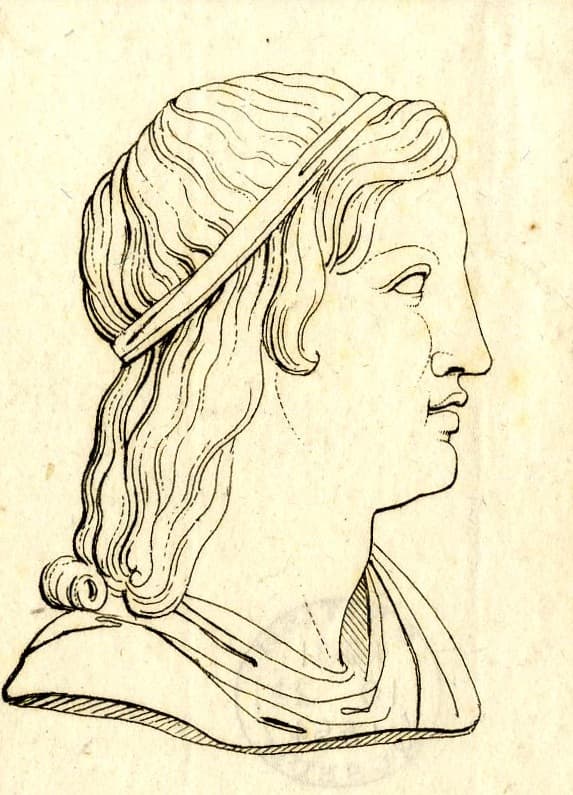
Suetonius
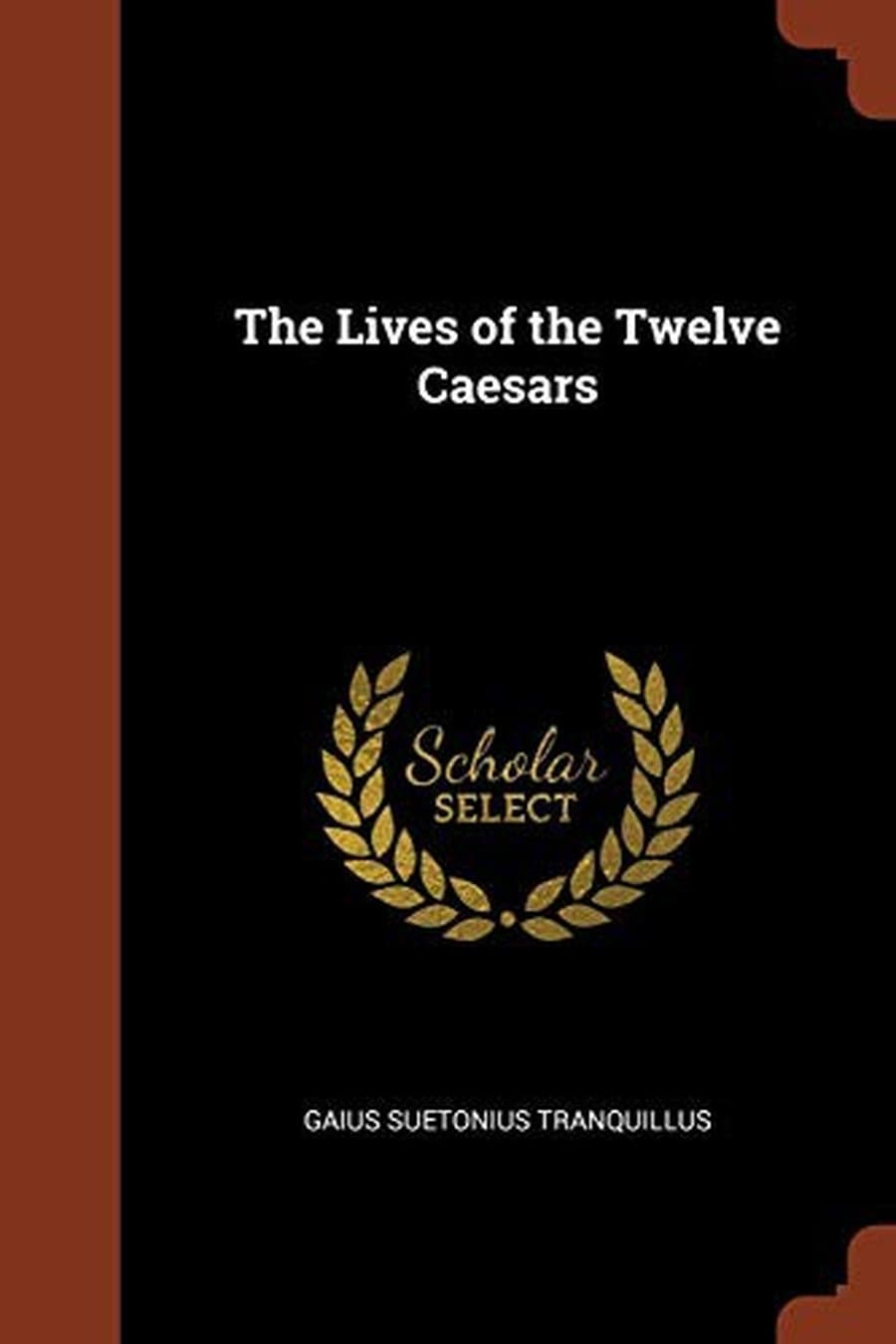
Gaius Suetonius Tranquillus, known simply as Suetonius, was a prominent Roman historian of the early Imperial era, whose works have significantly shaped our understanding of Roman history. His most notable contribution, 'De vita Caesarum' or 'The Twelve Caesars,' is a seminal collection of biographies that chronicles the lives and reigns of twelve Roman emperors, from Julius Caesar to Domitian. This work not only provides a detailed account of political events but also offers insights into the personal lives, character traits, and peculiarities of these rulers, making it a vital resource for historians and scholars alike. In addition to 'The Twelve Caesars,' Suetonius authored several other texts that explored various aspects of Roman life, including politics, oratory, and the lives of notable literary figures. Although many of his works have been lost over time, those that survive continue to be invaluable for their rich detail and engaging narrative style. Suetonius's blend of biographical narrative and historical analysis has left a lasting legacy, influencing both contemporary historians and later biographers, and establishing a model for the genre that persists to this day.
Famous Quotes
View all 17 quotes“Nothing is more unpredictable than the mob, nothing more obscure than public opinion, nothing more deceptive than the whole political system.””
“On reflecting at dinner that he had done nothing to help anybody all day, he uttered these memorable and praiseworthy words: "Friends, I have lost a day.””
Books from the author




Link to this page
Add a free, dofollow link to Lex on your blog, forum, syllabus, or reading list.

<a href="https://lex-books.com/author/suetonius"><img src="https://lex-books.com/badges/read-on-lex.svg" alt="Suetonius on Lex" width="160" height="40"></a>[](https://lex-books.com/author/suetonius)[url=https://lex-books.com/author/suetonius][img]https://lex-books.com/badges/read-on-lex.svg[/img][/url]Suetonius on Lex: https://lex-books.com/author/suetonius