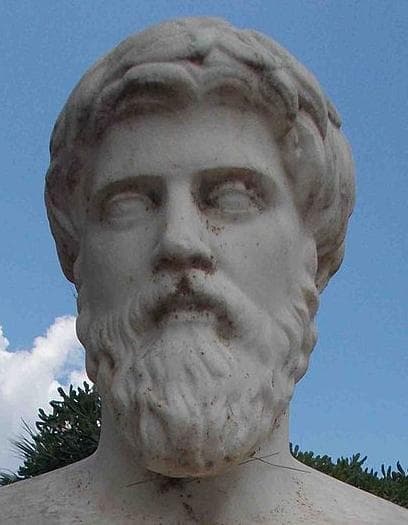
Plutarch
Plutarch was a prominent Greek philosopher, historian, and biographer who made significant contributions to literature and philosophy during the Roman Empire. Born in Chaeronea, he later became a Roman citizen and served as a priest at the Temple of Apollo in Delphi. Plutarch is best known for his seminal work, 'Parallel Lives,' which pairs biographies of notable Greeks and Romans, exploring their virtues and vices in a comparative format. This work not only provided insights into the lives of historical figures but also influenced the development of biographical writing and moral philosophy in the Western tradition. In addition to 'Parallel Lives,' Plutarch authored 'Moralia,' a collection of essays and dialogues that delve into various ethical, philosophical, and literary topics. His writings reflect a blend of Middle Platonism and practical ethics, emphasizing the importance of character and moral integrity. Plutarch's legacy endures through his profound impact on later historians and biographers, including Renaissance thinkers who drew inspiration from his approach to character study and moral reflection. His works remain a vital source for understanding the cultural and political landscape of ancient Greece and Rome.
Famous Quotes
View all 9 quotes“The mind is not a vessel to be filled, but a fire to be kindled.””
“I don't need a friend who changes when I change and who nods when I nod; my shadow does that much better.””
“A human body in no way resembles those that were born for ravenousness; it hath no hawk’s bill, no sharp talon, no roughness of teeth, no such strength of stomach or heat of digestion, as can be sufficient to convert or alter such heavy and fleshy fare. But if you will contend that you were born to an inclination to such food as you have now a mind to eat, do you then yourself kill what you would eat. But do it yourself, without the help of a chopping-knife, mallet or axe, as wolves, bears, and lions do, who kill and eat at once. Rend an ox with thy teeth, worry a hog with thy mouth, tear a lamb or a hare in pieces, and fall on and eat it alive as they do. But if thou had rather stay until what thou eat is to become dead, and if thou art loath to force a soul out of its body, why then dost thou against nature eat an animate thing? There is nobody that is willing to eat even a lifeless and a dead thing even as it is; so they boil it, and roast it, and alter it by fire and medicines, as it were, changing and quenching the slaughtered gore with thousands of sweet sauces, that the palate being thereby deceived may admit of such uncouth fare.””
Books from the author
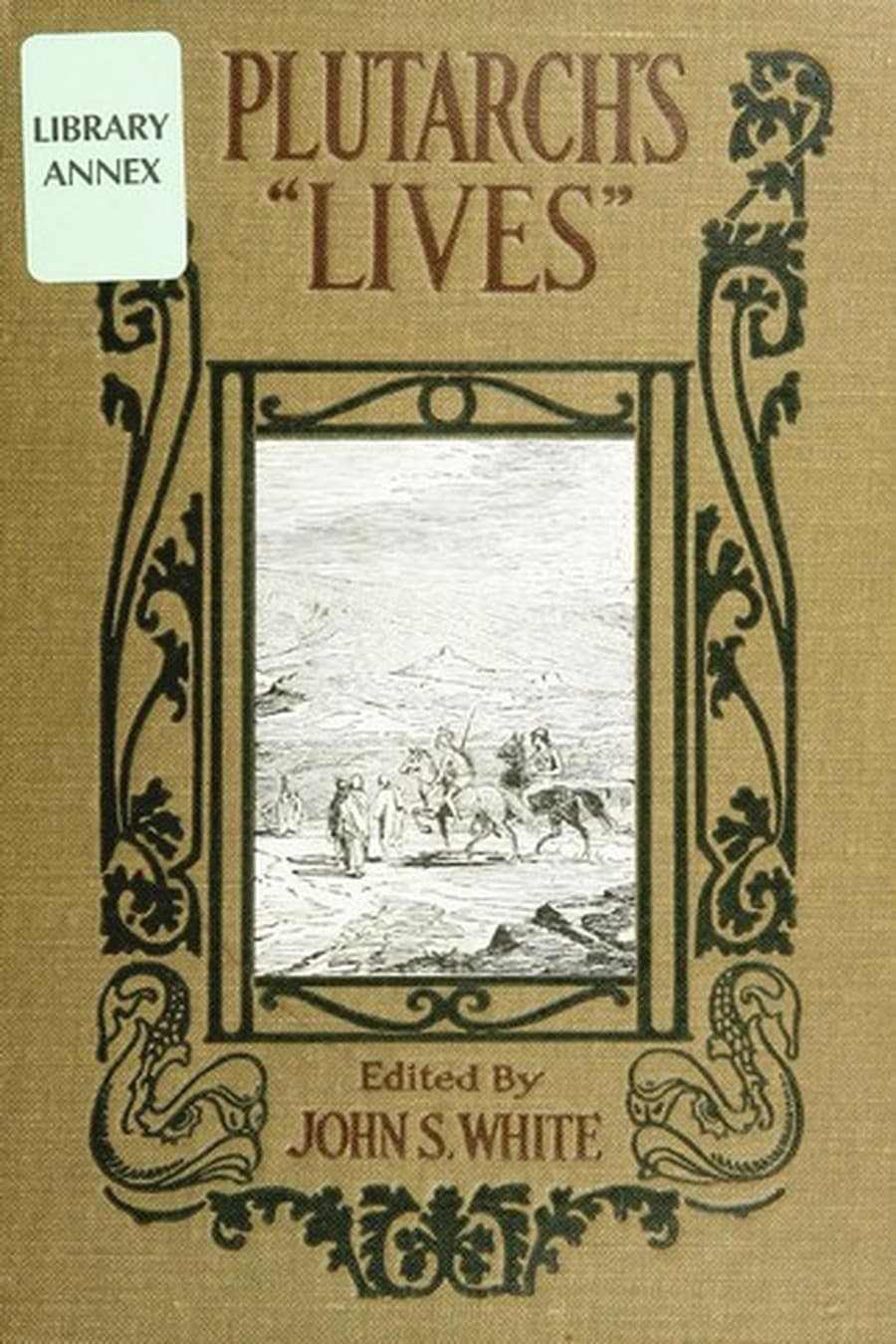




Link to this page
Add a free, dofollow link to Lex on your blog, forum, syllabus, or reading list.

<a href="https://lex-books.com/author/plutarch"><img src="https://lex-books.com/badges/read-on-lex.svg" alt="Plutarch on Lex" width="160" height="40"></a>[](https://lex-books.com/author/plutarch)[url=https://lex-books.com/author/plutarch][img]https://lex-books.com/badges/read-on-lex.svg[/img][/url]Plutarch on Lex: https://lex-books.com/author/plutarch