
Julius Caesar
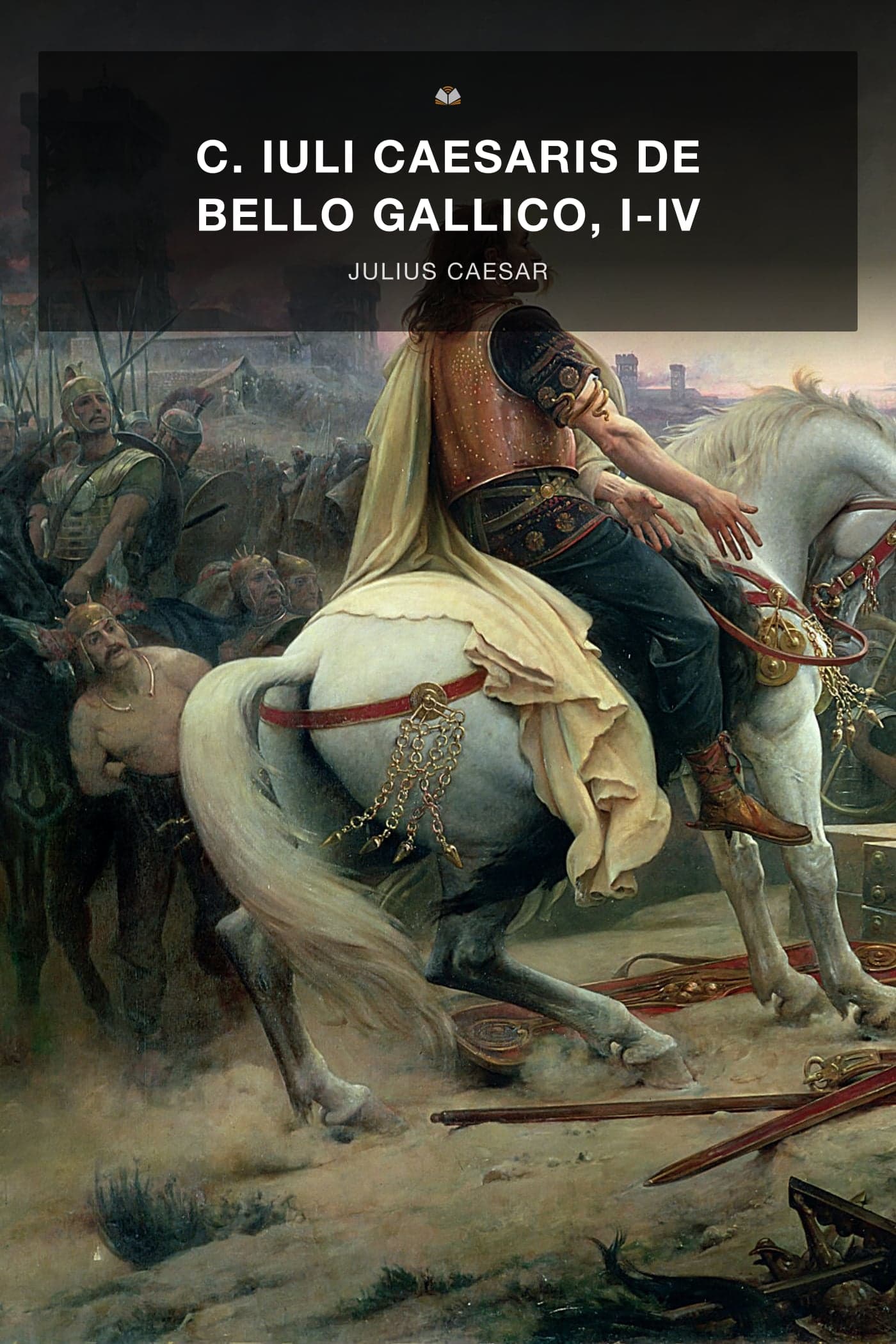
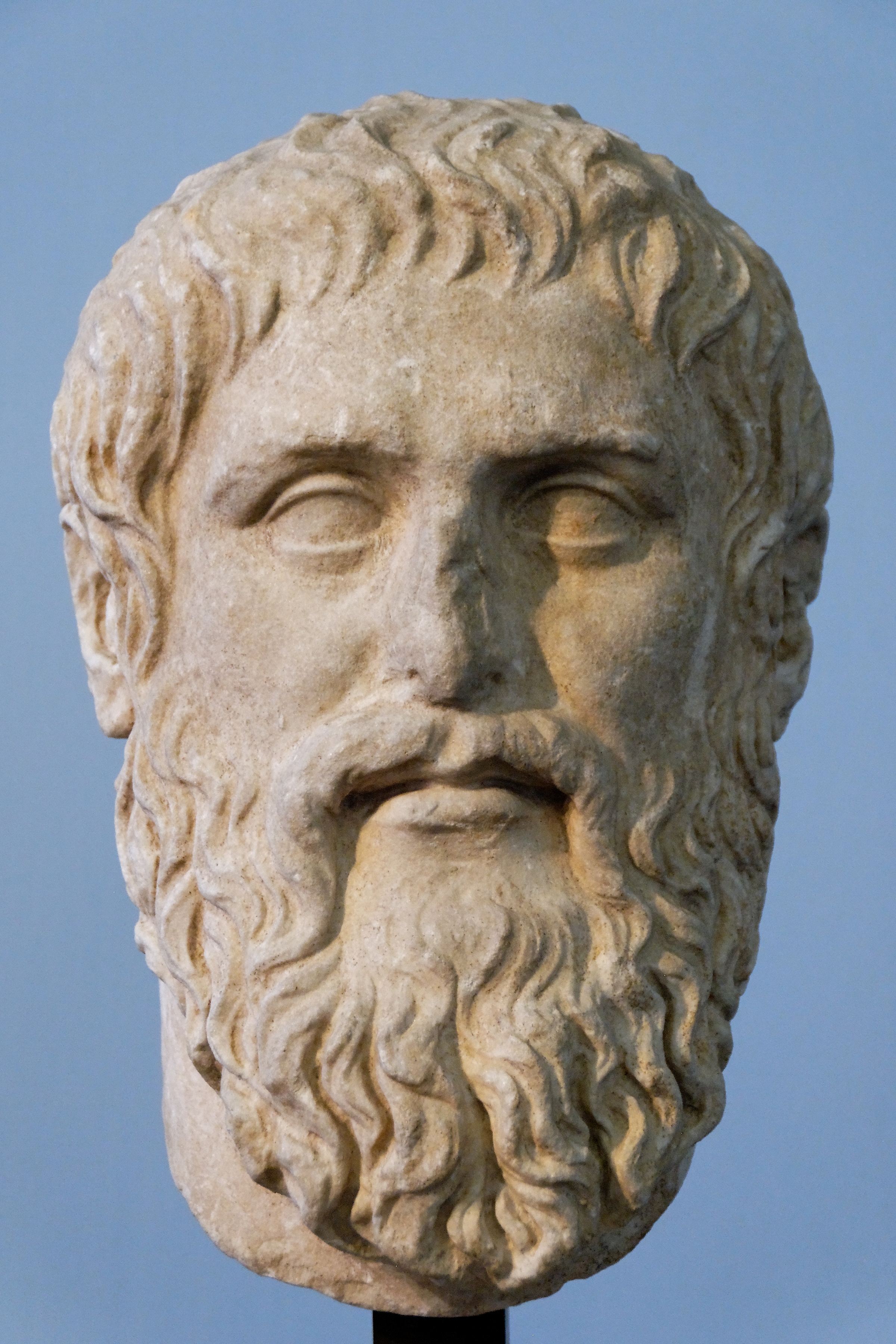
Julius Caesar was a pivotal figure in Roman history, renowned not only as a military general and statesman but also as a prolific writer. Born into a patrician family, he rose through the ranks of Roman politics, eventually becoming dictator for life. His military campaigns, particularly in Gaul, expanded the Roman Republic's territory and showcased his strategic brilliance. Caesar's writings, especially 'Commentarii de Bello Gallico' (Commentaries on the Gallic War), provide a firsthand account of his military exploits and offer insights into his leadership style and the complexities of Roman society during his time. Caesar's influence extended beyond his military achievements; he played a crucial role in the events that led to the demise of the Roman Republic and the rise of the Roman Empire. His assassination on the Ides of March in 44 BC marked a turning point in history, leading to a series of civil wars that ultimately resulted in the establishment of imperial rule under Augustus. Caesar's legacy endures in literature, history, and political thought, as he is often cited as a symbol of ambition and the complexities of power. His writings remain a significant source for understanding the era, blending personal narrative with political commentary, and they continue to be studied for their literary merit and historical value.
Famous Quotes
View all 4 quotes“Veni, vidi, vici. (.)””
“In the end, it is impossible not to become what others believe you are.””
“Experience is the teacher of all things.””
Books from the author







Link to this page
Add a free, dofollow link to Lex on your blog, forum, syllabus, or reading list.

<a href="https://lex-books.com/author/julius-caesar"><img src="https://lex-books.com/badges/read-on-lex.svg" alt="Julius Caesar on Lex" width="160" height="40"></a>[](https://lex-books.com/author/julius-caesar)[url=https://lex-books.com/author/julius-caesar][img]https://lex-books.com/badges/read-on-lex.svg[/img][/url]Julius Caesar on Lex: https://lex-books.com/author/julius-caesar