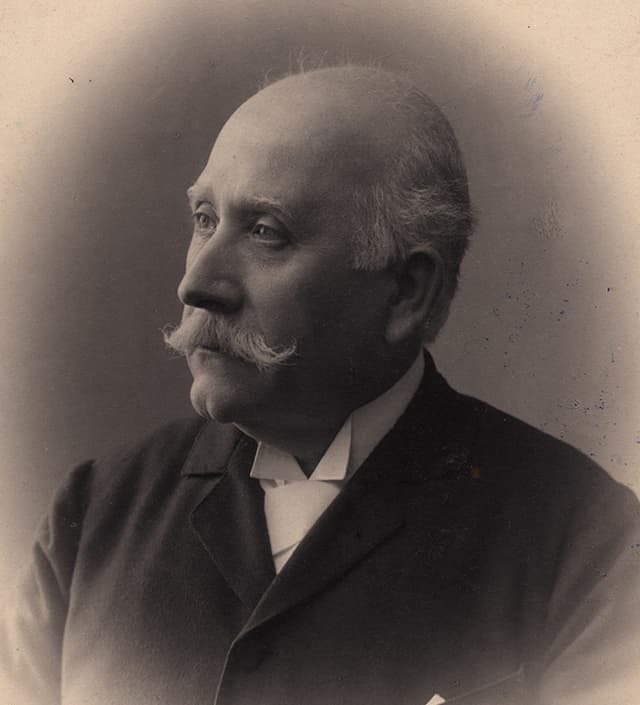
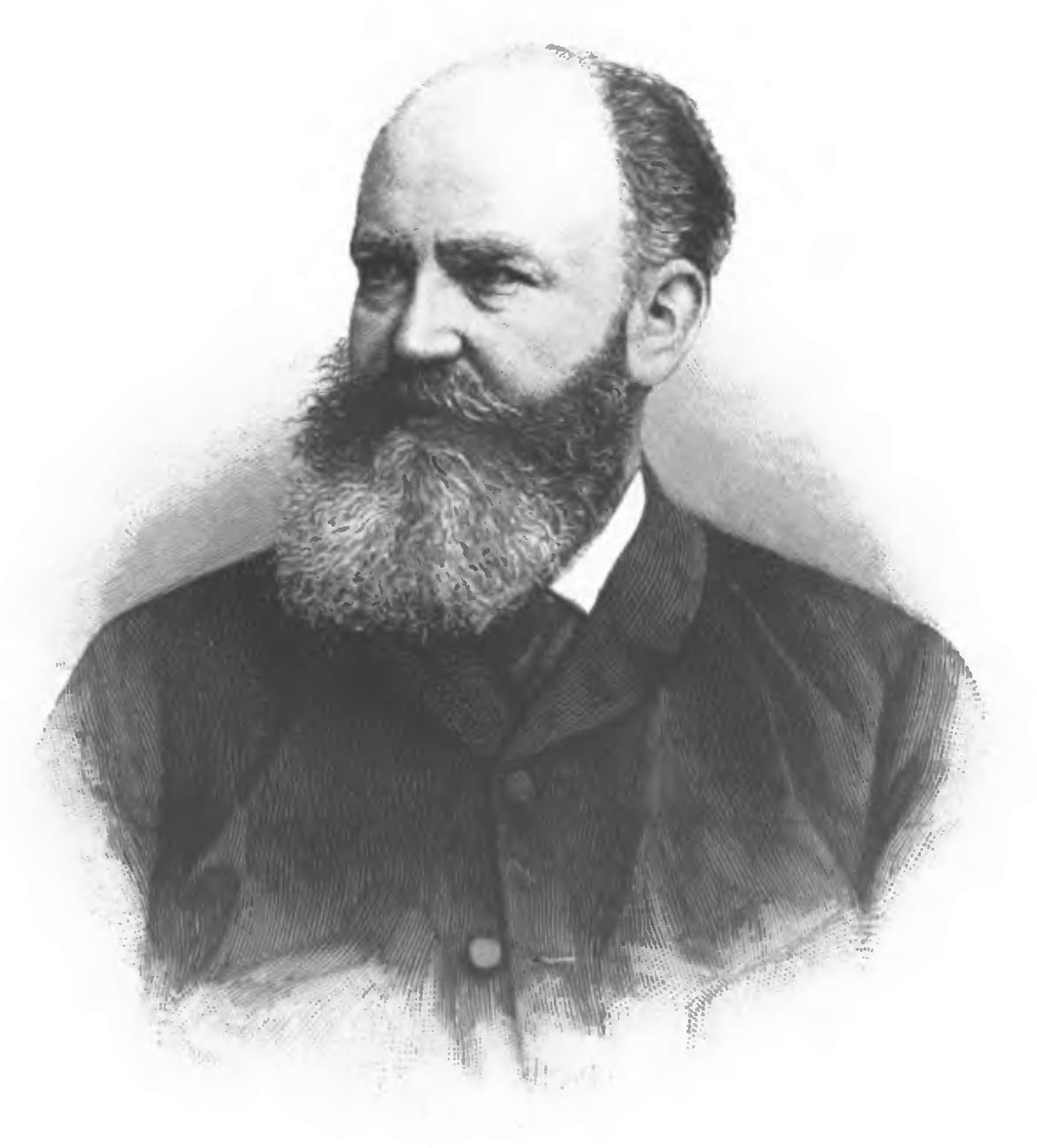
Luigi Capuana
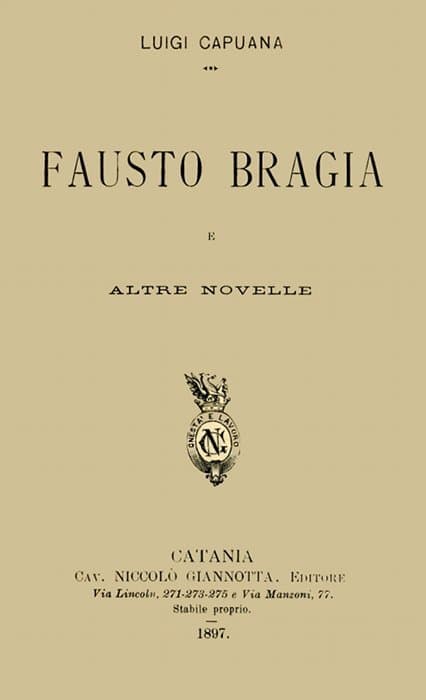
Luigi Capuana was an influential Italian author and journalist, recognized as a key figure in the Verismo literary movement. Born in the province of Catania, he shared a contemporaneous relationship with Giovanni Verga, and both were significantly impacted by the naturalism of Émile Zola. Capuana's works often explored the complexities of human nature and the social realities of his time, reflecting a commitment to portraying life with stark realism. His critical theories advocated for a novelistic approach that merged scientific observation with narrative, aiming for an impersonal, case-history style that would later influence the development of modern literature. Among his notable works are "Il marchese di Roccaverdina," which delves into the intricacies of Sicilian life, and "Giacinta," a poignant exploration of love and social constraints. Capuana's contributions to literature extended beyond his fiction; he was a prolific critic and theorist, shaping the discourse around naturalism in Italy. His legacy endures as a foundational figure in the evolution of Italian realism, paving the way for future authors to explore the depths of human experience through a lens of authenticity and social critique.
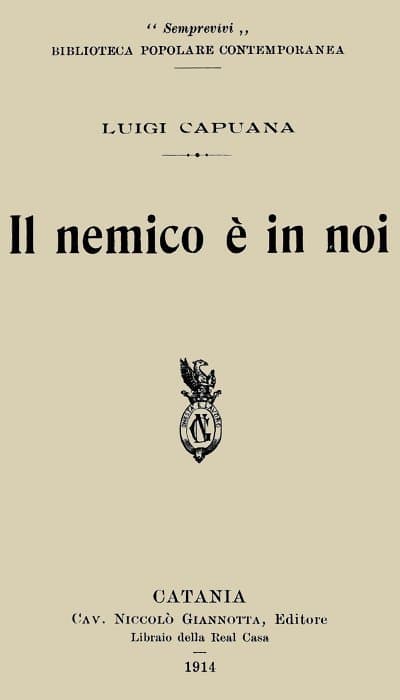
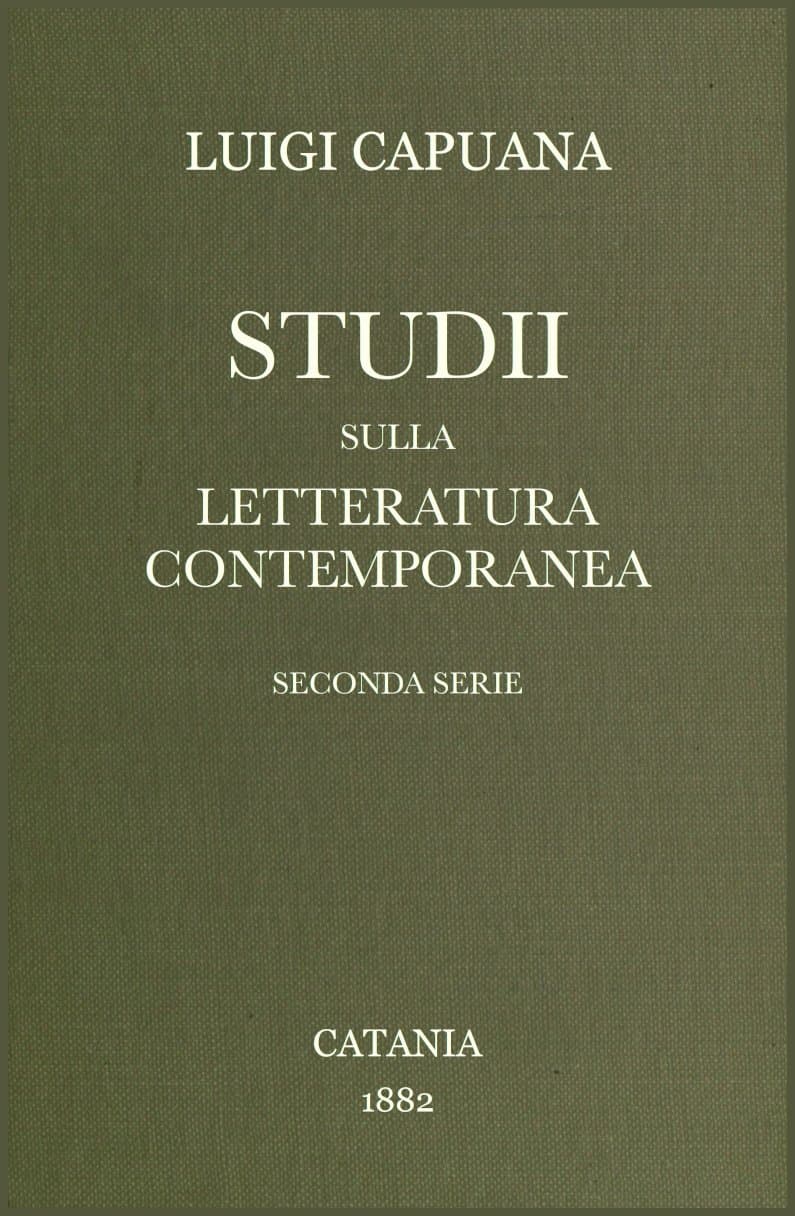
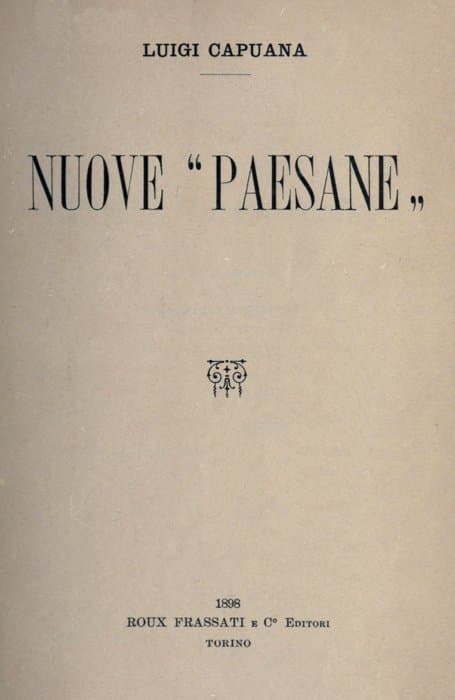
Books from the author





Link to this page
Add a free, dofollow link to Lex on your blog, forum, syllabus, or reading list.

<a href="https://lex-books.com/author/luigi-capuana"><img src="https://lex-books.com/badges/read-on-lex.svg" alt="Luigi Capuana on Lex" width="160" height="40"></a>[](https://lex-books.com/author/luigi-capuana)[url=https://lex-books.com/author/luigi-capuana][img]https://lex-books.com/badges/read-on-lex.svg[/img][/url]Luigi Capuana on Lex: https://lex-books.com/author/luigi-capuana