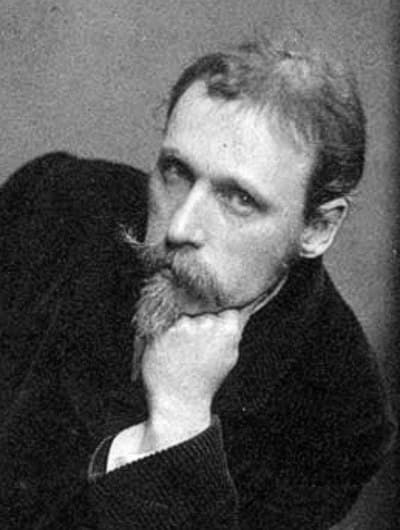
Walter Crane
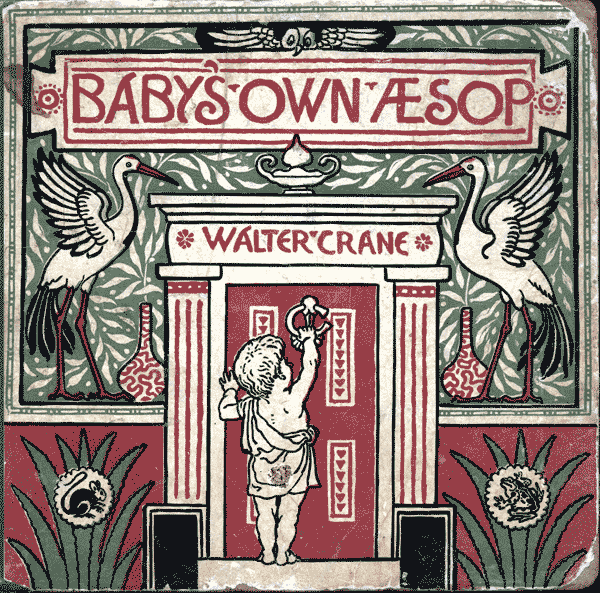
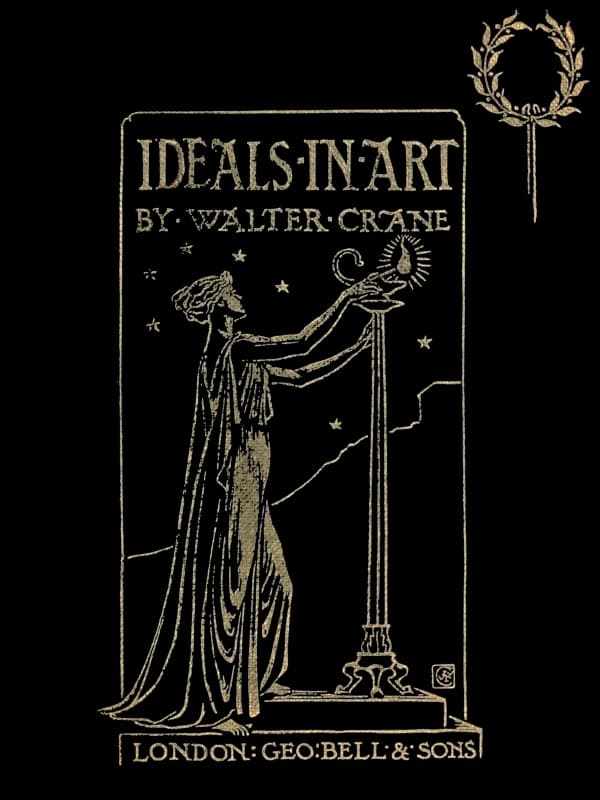
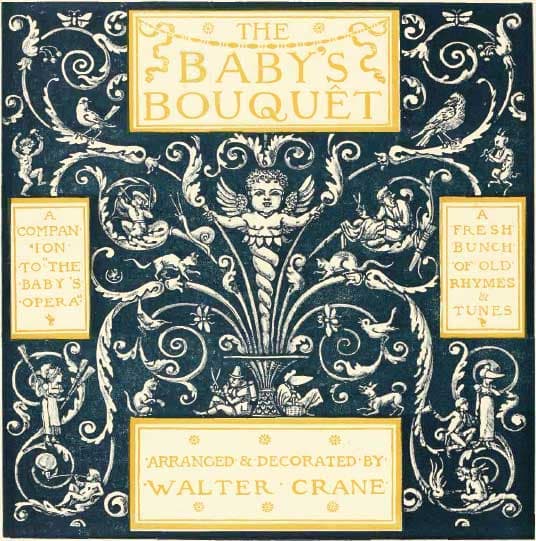
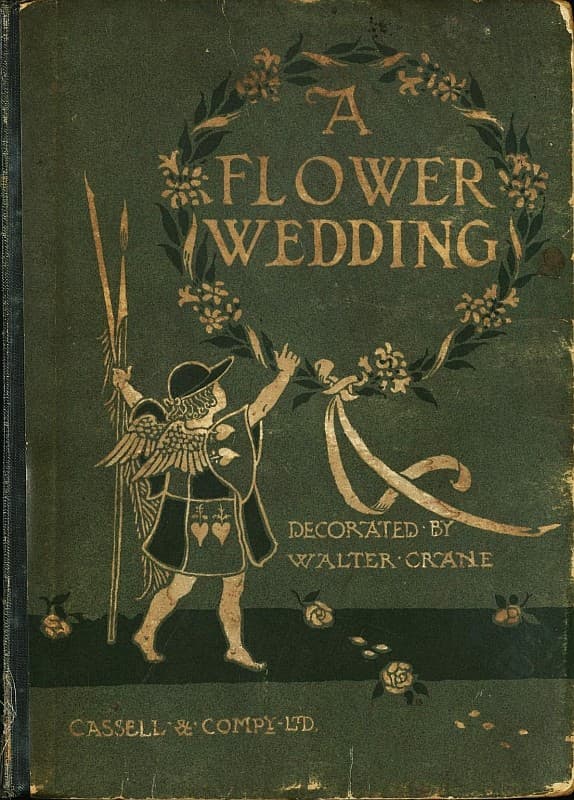
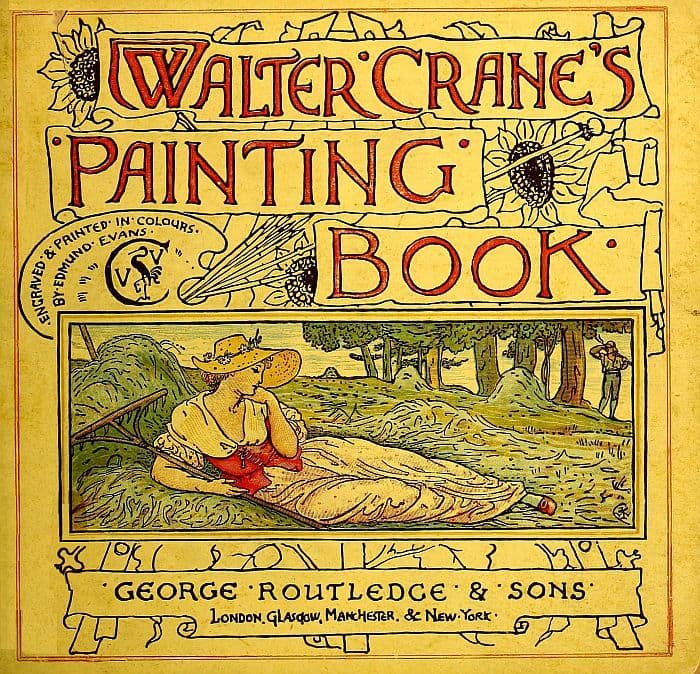
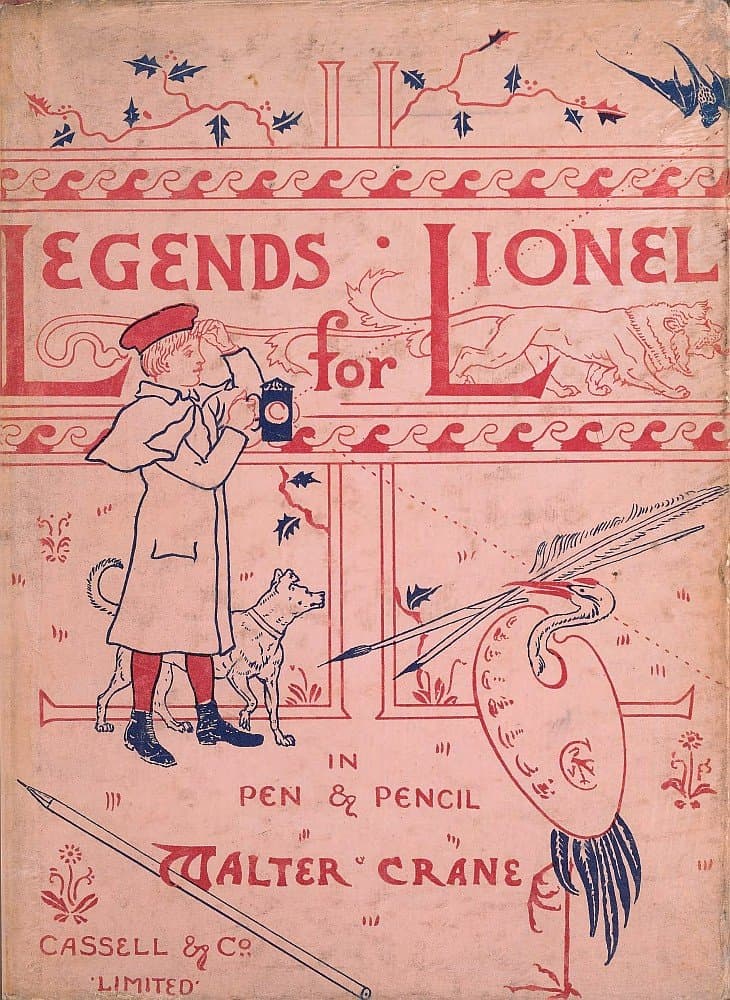
Walter Crane was an English artist and illustrator renowned for his significant contributions to children's literature in the late 19th century. As one of the most prolific creators of his time, he played a pivotal role alongside contemporaries such as Randolph Caldecott and Kate Greenaway in shaping the nursery motif that would define English illustrated children's books. Crane's vibrant and intricate illustrations often featured themes of nature and the child-in-the-garden motif, which became a hallmark of nursery rhymes and children's stories for generations. His notable works include 'The Baby's Own Aesop' and 'The Frog Prince', which showcased his unique artistic style and storytelling ability. Beyond his work in children's literature, Crane was also a key figure in the Arts and Crafts movement, producing a diverse range of artistic creations, including paintings, ceramic tiles, and decorative arts. His commitment to social causes is reflected in his iconic images associated with the international socialist movement. Crane's legacy endures not only in the realm of children's literature but also in the broader context of artistic movements, where his innovative approach to illustration and design continues to inspire artists and illustrators today.
Famous Quotes
View all 2 quotes“And it was the end of class distinction in filling the boats. The White Star Line always denied anything of the kind”
“The movement ... represents in some sense a revolt against the hard mechanical conventional life and its insensibility to beauty (quite another thing to ornament). It is a protest against that so-called industrial progress which produces shoddy wares, the cheapness of which is paid for by the lives of their producers and the degradation of their users. It is a protest against the turning of men into machines, against artificial distinctions in art, and against making the immediate market value, or possibility of profit, the chief test of artistic merit. It also advances the claim of all and each to the common possession of beauty in things common and familiar, and would awaken the sense of this beauty, deadened and depressed as it now too often is, either on the one hand by luxurious superfluities, or on the other by the absence of the commonest necessities and the gnawing anxiety for the means of livelihood; not to speak of the everyday uglinesses to which we have accustomed our eyes, confused by the flood of false taste, or darkened by the hurried life of modern towns in which huge aggregations of humanity exist, equally removed from both art and nature and their kindly and refining influences.””
Books from the author
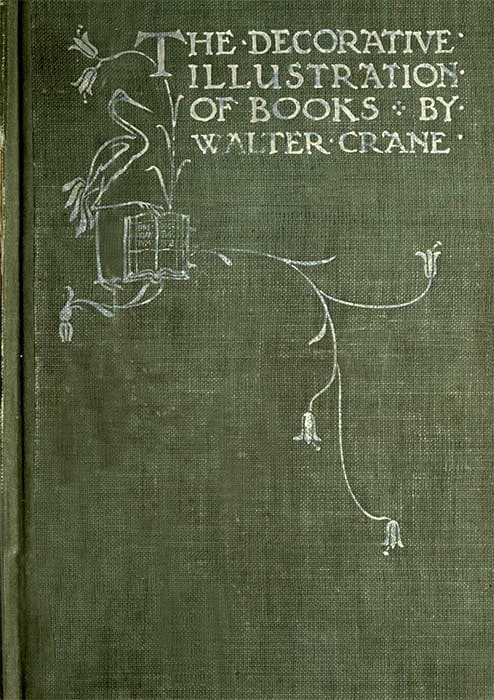
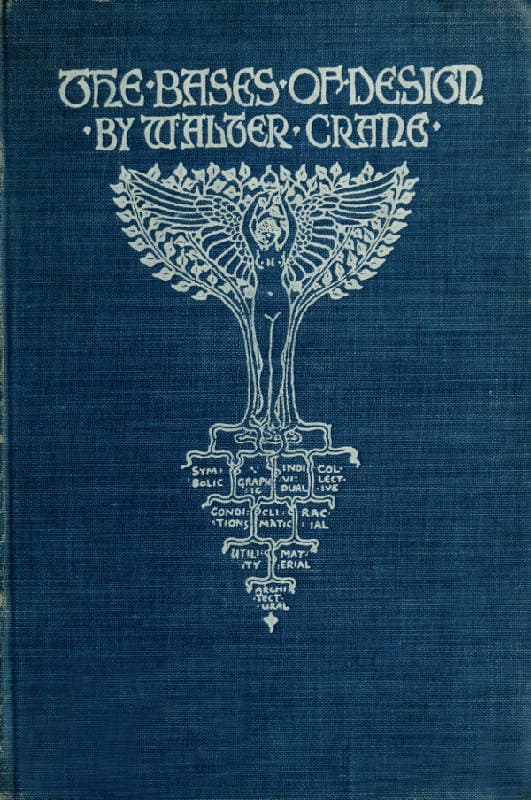







Link to this page
Add a free, dofollow link to Lex on your blog, forum, syllabus, or reading list.

<a href="https://lex-books.com/author/walter-crane"><img src="https://lex-books.com/badges/read-on-lex.svg" alt="Walter Crane on Lex" width="160" height="40"></a>[](https://lex-books.com/author/walter-crane)[url=https://lex-books.com/author/walter-crane][img]https://lex-books.com/badges/read-on-lex.svg[/img][/url]Walter Crane on Lex: https://lex-books.com/author/walter-crane