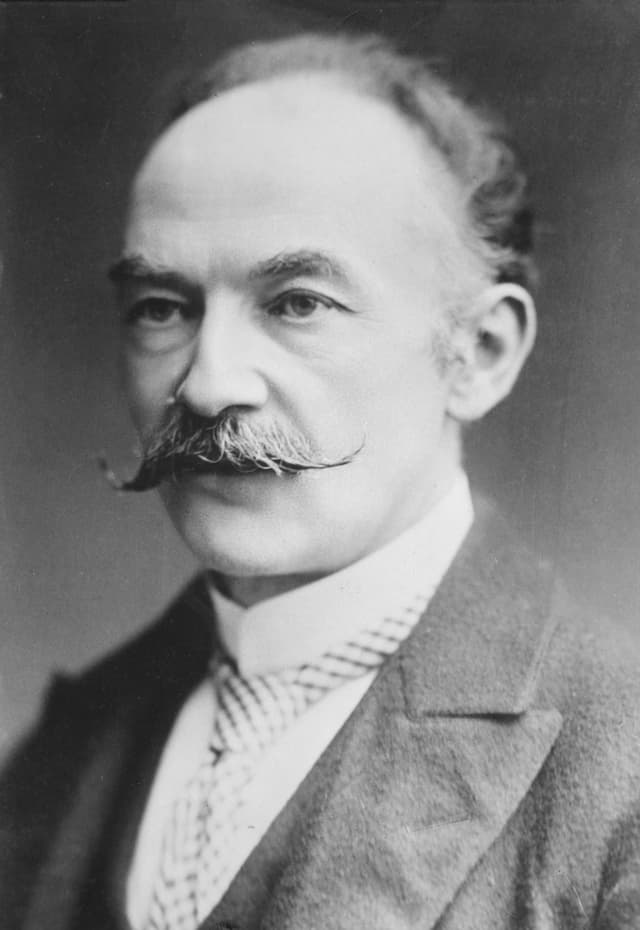
Thomas Hardy
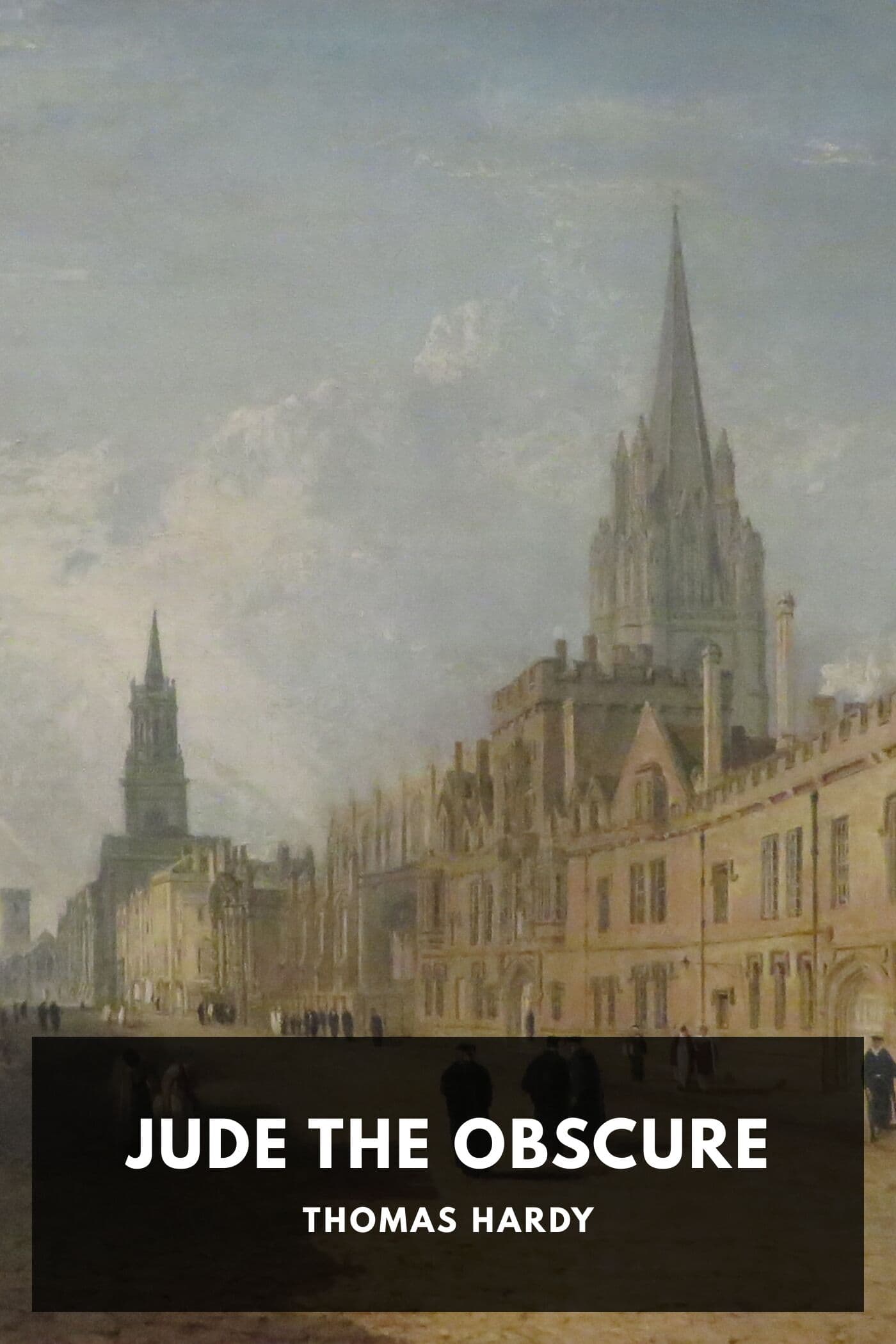
Thomas Hardy was an English novelist and poet, recognized as a significant figure in Victorian literature. He was deeply influenced by Romanticism, particularly the works of William Wordsworth, and his writing often reflected a critical view of Victorian society, especially concerning the plight of rural communities in his native South West England. Hardy's literary career began with novels that explored tragic characters caught in the web of their passions and societal constraints. His notable works include 'Far from the Madding Crowd' (1874), 'The Mayor of Casterbridge' (1886), 'Tess of the d'Urbervilles' (1891), and 'Jude the Obscure' (1895), which are set in the semi-fictional region of Wessex, a landscape that became emblematic of his storytelling. Although Hardy considered himself primarily a poet, he did not publish his first collection until 1898. His poetry gained recognition during his lifetime, particularly among younger poets like the Georgians, who viewed him as a mentor. Posthumously, his work was celebrated by influential figures such as Ezra Pound, W. H. Auden, and Philip Larkin. Hardy's exploration of complex human emotions and societal issues has left a lasting impact on literature, securing his legacy as a pivotal voice in the transition from Victorian to modern literature.
Famous Quotes
View all 20 quotes“Though a good deal is too strange to be believed, nothing is too strange to have happened.””
“They spoke very little of their mutual feeling; pretty phrases and warm expressions being probably unnecessary between such tried friends.””
“A strong woman who recklessly throws away her strength, she is worse than a weak woman who has never had any strength to throw away.””
Books from the author






Link to this page
Add a free, dofollow link to Lex on your blog, forum, syllabus, or reading list.

<a href="https://lex-books.com/author/thomas-hardy"><img src="https://lex-books.com/badges/read-on-lex.svg" alt="Thomas Hardy on Lex" width="160" height="40"></a>[](https://lex-books.com/author/thomas-hardy)[url=https://lex-books.com/author/thomas-hardy][img]https://lex-books.com/badges/read-on-lex.svg[/img][/url]Thomas Hardy on Lex: https://lex-books.com/author/thomas-hardy