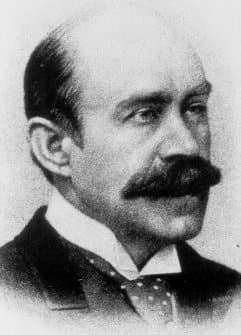
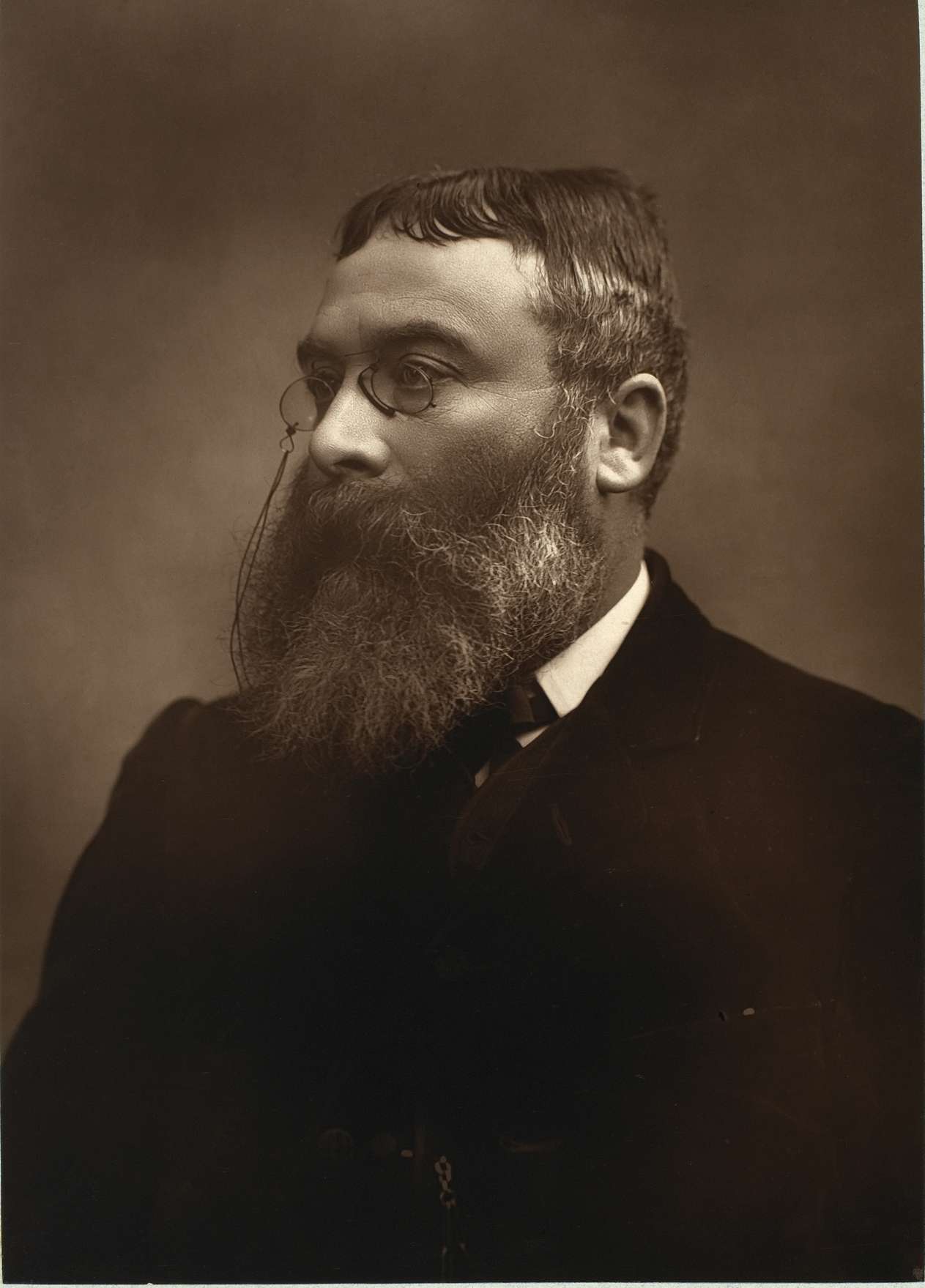
Walter Pater
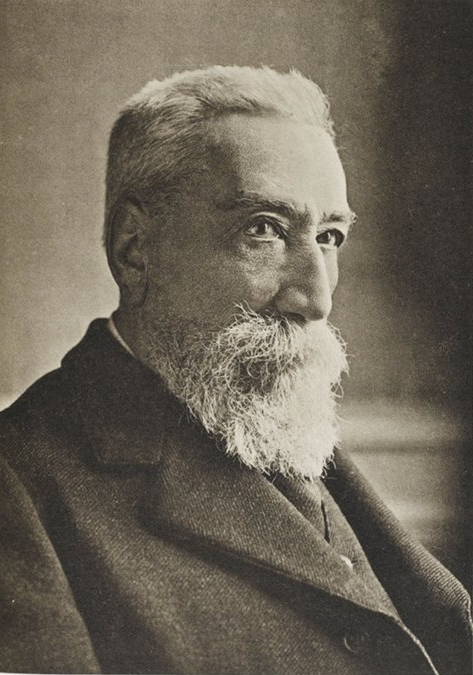
Walter Pater was an influential English essayist, art and literary critic, and fiction writer, celebrated for his distinctive prose style and profound insights into art and aesthetics. His seminal work, "Studies in the History of the Renaissance," published in 1873 and later revised as "The Renaissance: Studies in Art and Poetry," established him as a leading figure in the Aesthetic movement. In this book, Pater articulated his philosophy of art, emphasizing the importance of personal experience and the pursuit of beauty, which resonated deeply with contemporaries and later generations alike. His ideas often sparked debate, positioning him as both a champion of aesthetic ideals and a controversial figure in Victorian society. Pater's influence extended beyond his own writings; he played a crucial role in shaping the literary landscape of the late 19th century. His essays and critiques not only elevated the appreciation of Renaissance art but also inspired a new wave of writers and artists who sought to explore the depths of human experience through their work. His legacy is evident in the works of later figures such as Oscar Wilde and Virginia Woolf, who drew inspiration from his emphasis on the subjective nature of art and beauty. Pater's contributions to literature and criticism solidified his place as a key figure in the evolution of modern thought on aesthetics and the role of the artist in society.
Famous Quotes
View all 3 quotes“To burn always with this hard gemlike flame, to maintain this ecstasy, is success in life.”
“All art constantly aspires towards the condition of music. For while in all other kinds of art it is possible to distinguish the matter from the form, and the understanding can always make this distinction, yet it is the constant effort of art to obliterate it.”
“Books are a refuge, a sort of cloistral refuge, from the vulgarities of the actual world.”
Books from the author
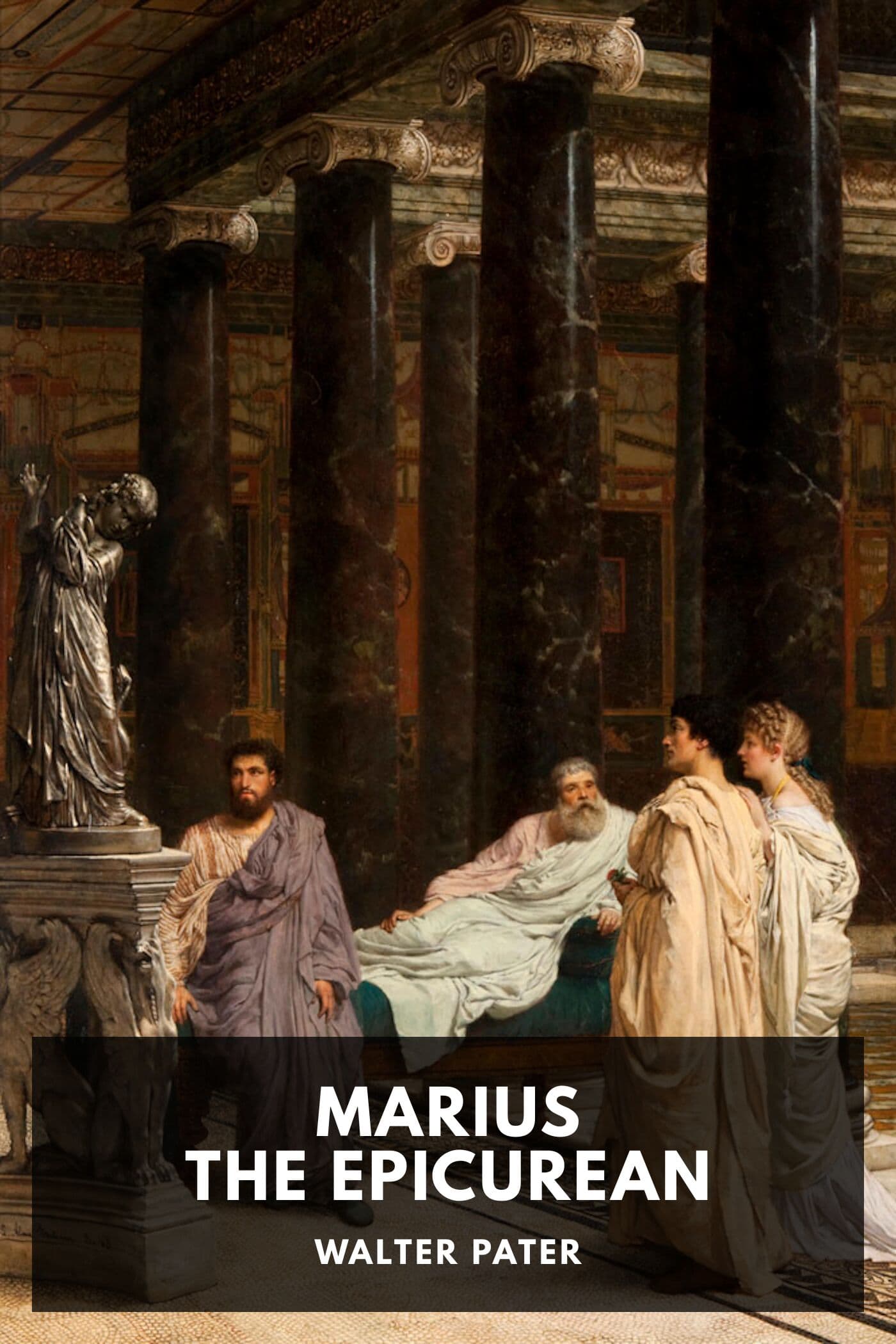


Link to this page
Add a free, dofollow link to Lex on your blog, forum, syllabus, or reading list.

<a href="https://lex-books.com/author/walter-pater"><img src="https://lex-books.com/badges/read-on-lex.svg" alt="Walter Pater on Lex" width="160" height="40"></a>[](https://lex-books.com/author/walter-pater)[url=https://lex-books.com/author/walter-pater][img]https://lex-books.com/badges/read-on-lex.svg[/img][/url]Walter Pater on Lex: https://lex-books.com/author/walter-pater