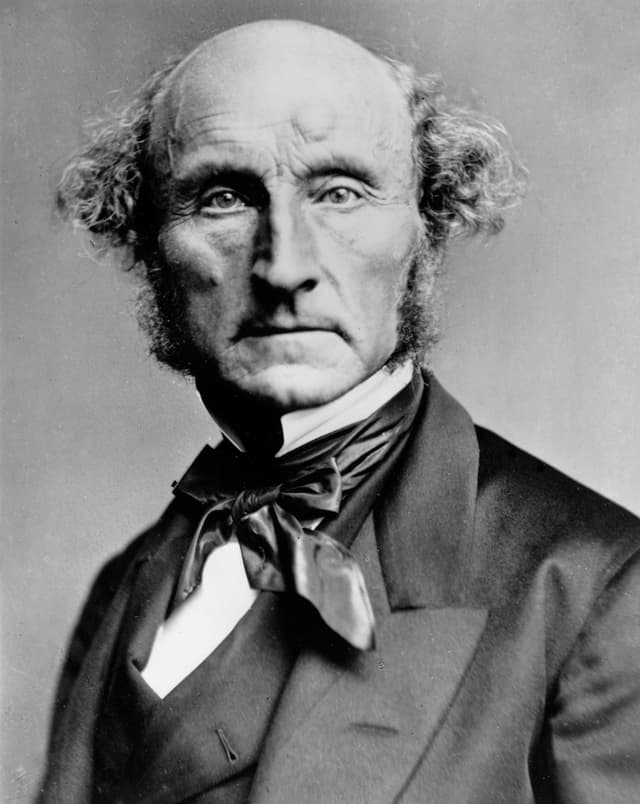
John Stuart Mill
John Stuart Mill was an English philosopher, political economist, and civil servant, recognized as one of the most influential thinkers in liberalism and social liberalism. His work spanned various fields, including social theory and political economy, where he championed the importance of individual liberty against the backdrop of state and social control. Mill's advocacy for political and social reforms, such as proportional representation and women's emancipation, marked him as a progressive voice of his time. His early feminist work, The Subjection of Women, and his role as one of the first Members of Parliament to call for women's suffrage underscored his commitment to social justice. A proponent of utilitarianism, Mill built upon the ethical framework established by Jeremy Bentham, while also contributing to discussions on scientific methodology. His 1859 essay, On Liberty, remains a cornerstone of political thought, articulating the necessity of personal freedom in a democratic society. Mill's ideas often approached socialism, challenging the prevailing views of his predecessors and paving the way for future discourse on social and economic reform. His legacy endures through his profound influence on liberal thought and the ongoing relevance of his writings in contemporary discussions of freedom and equality.
Famous Quotes
View all 17 quotes“Bad men need nothing more to compass their ends, than that good men should look on and do nothing.””
“A person may cause evil to others not only by his actions but by his inaction, and in either case he is justly accountable to them for the injury.””
“He who knows only his own side of the case knows little of that. His reasons may be good, and no one may have been able to refute them. But if he is equally unable to refute the reasons on the opposite side, if he does not so much as know what they are, he has no ground for preferring either opinion... Nor is it enough that he should hear the opinions of adversaries from his own teachers, presented as they state them, and accompanied by what they offer as refutations. He must be able to hear them from persons who actually believe them...he must know them in their most plausible and persuasive form.””
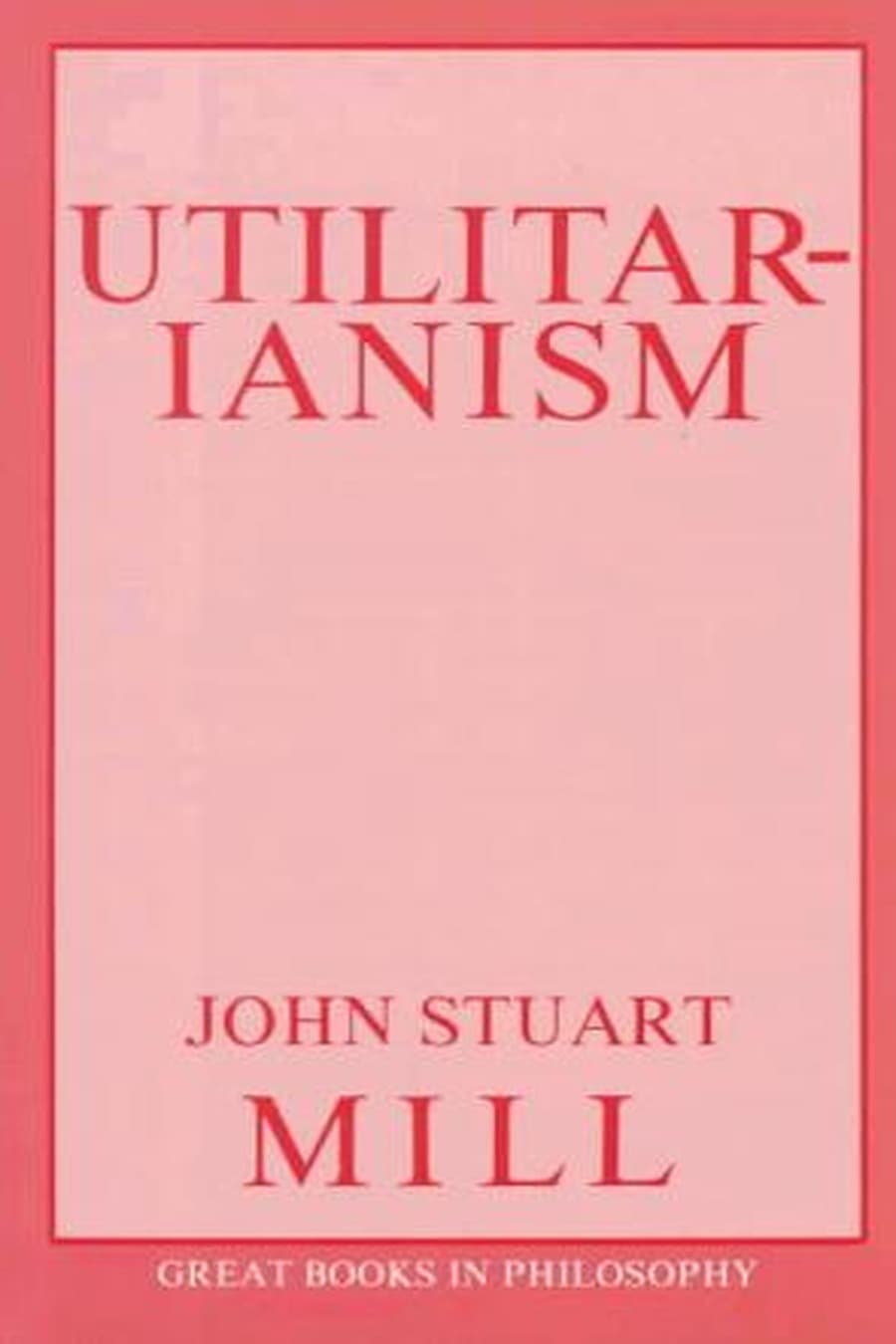
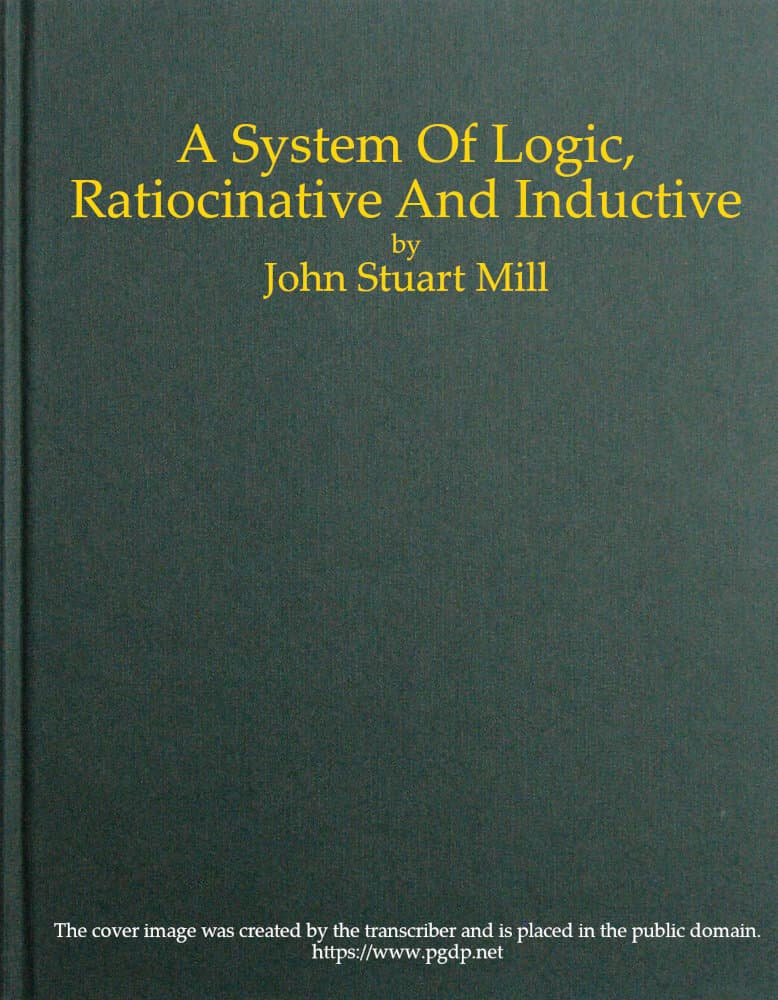
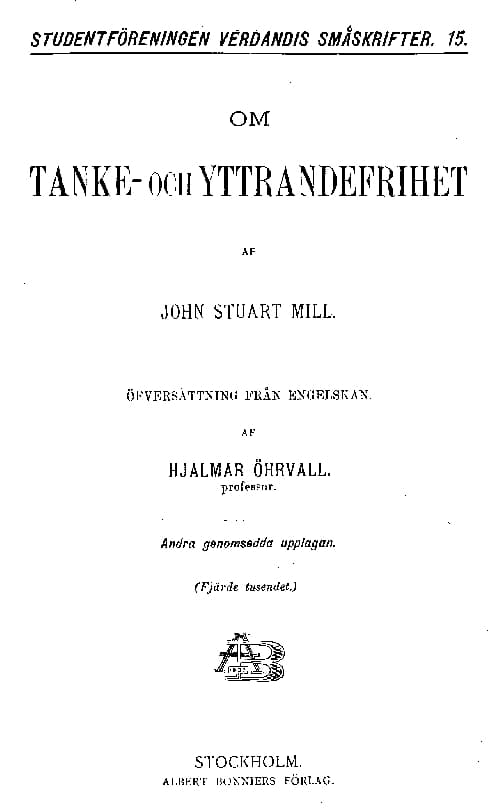
Books from the author






Link to this page
Add a free, dofollow link to Lex on your blog, forum, syllabus, or reading list.

<a href="https://lex-books.com/author/john-stuart-mill"><img src="https://lex-books.com/badges/read-on-lex.svg" alt="John Stuart Mill on Lex" width="160" height="40"></a>[](https://lex-books.com/author/john-stuart-mill)[url=https://lex-books.com/author/john-stuart-mill][img]https://lex-books.com/badges/read-on-lex.svg[/img][/url]John Stuart Mill on Lex: https://lex-books.com/author/john-stuart-mill