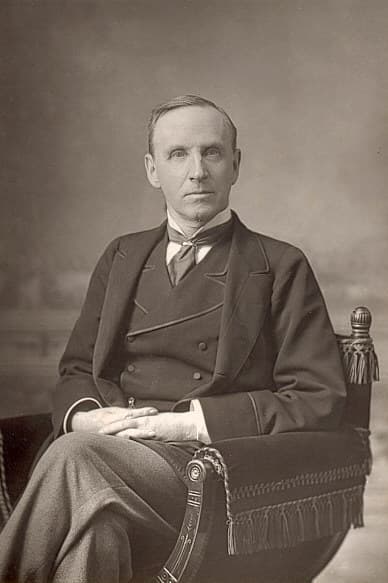
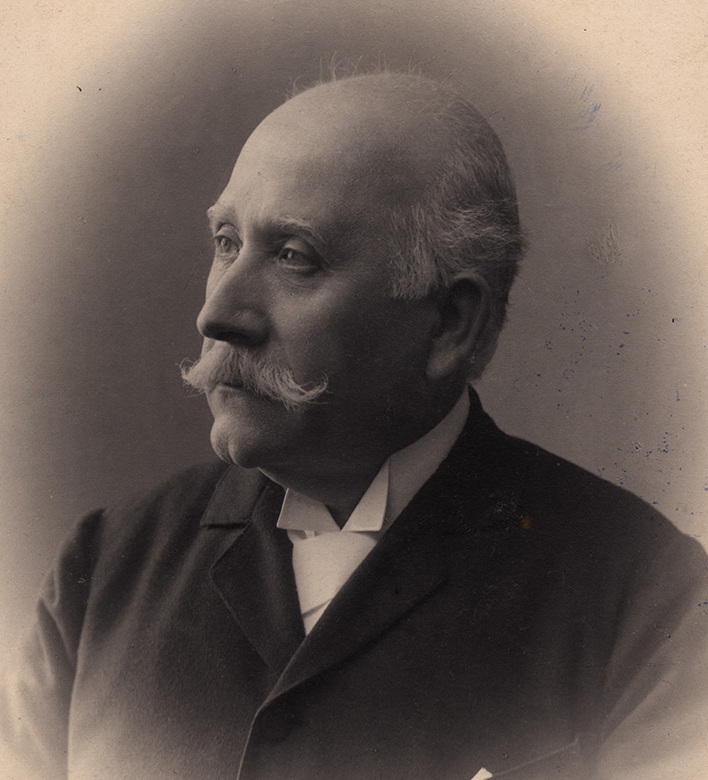
John Morley
John Morley was a prominent British Liberal statesman, writer, and newspaper editor, recognized for his significant contributions to political thought and journalism in the late 19th and early 20th centuries. Initially a journalist in the North of England, he became the editor of the Pall Mall Gazette from 1880 to 1883, where he helped shape public discourse. His political career began in earnest when he was elected as a Member of Parliament for the Liberal Party in 1883. Morley held several key positions, including Chief Secretary for Ireland and Secretary of State for India, and he was known for his staunch opposition to imperialism and advocacy for Home Rule in Ireland. His political ideals were deeply intertwined with his literary pursuits, as he authored notable biographies, including one of his political idol, William Ewart Gladstone. Morley's literary significance lies not only in his political writings but also in his role as a commentator on the pressing issues of his time. He was regarded as the last of the great nineteenth-century Liberals, and his works often reflected a commitment to liberal values and social reform. His opposition to the Second Boer War and the First World War, particularly his stance against British entry into the conflict as an ally of Russia, marked him as a controversial figure within the political landscape. Morley's legacy endures through his writings and his influence on liberal thought, as he navigated the complexities of politics and literature with a distinctive voice that resonated with his contemporaries and continues to be studied today.
Famous Quotes
View all 16 quotes“You will find most books worth reading are worth reading twice.””
“Literature, the most seductive, the most deceiving, the most dangerous of professions.””
Books from the author




Link to this page
Add a free, dofollow link to Lex on your blog, forum, syllabus, or reading list.

<a href="https://lex-books.com/author/john-morley"><img src="https://lex-books.com/badges/read-on-lex.svg" alt="John Morley on Lex" width="160" height="40"></a>[](https://lex-books.com/author/john-morley)[url=https://lex-books.com/author/john-morley][img]https://lex-books.com/badges/read-on-lex.svg[/img][/url]John Morley on Lex: https://lex-books.com/author/john-morley