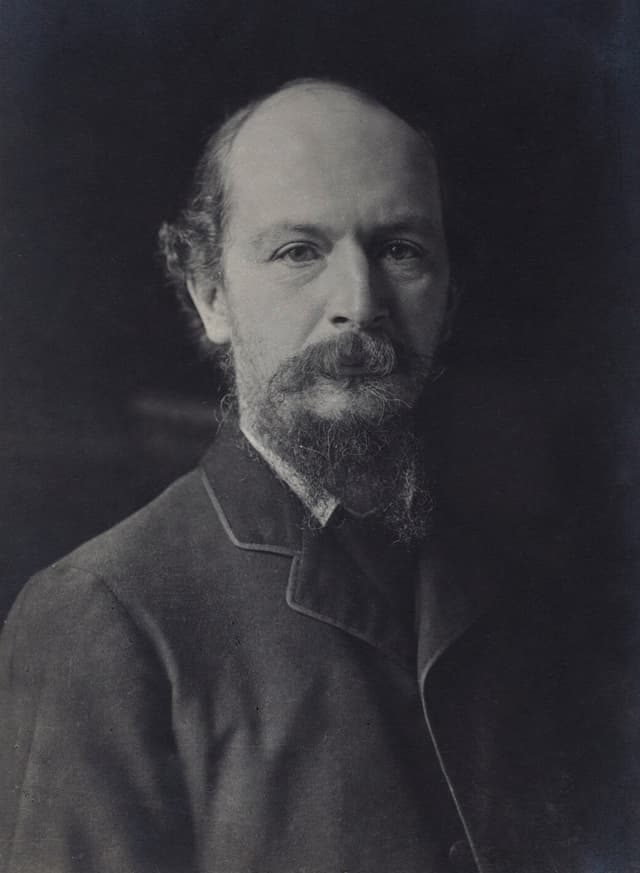
Algernon Charles Swinburne
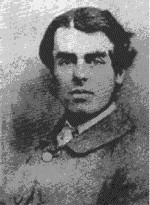
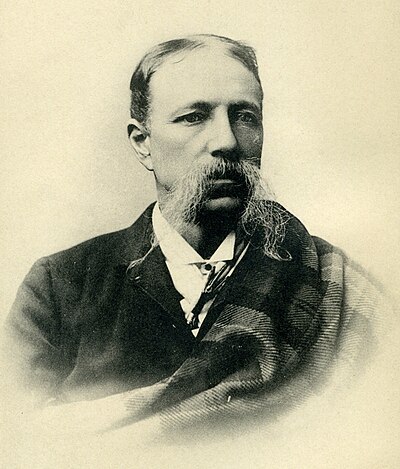
Algernon Charles Swinburne was an influential English poet, playwright, novelist, and critic, known for his significant contributions to the Pre-Raphaelite movement in poetry alongside figures like Dante Gabriel Rossetti and William Morris. His most notable works include the verse drama 'Atalanta in Calydon' (1865), which is crafted in the style of Ancient Greek tragedy, and the collection 'Poems and Ballads' (1866), which showcases his innovative and often controversial themes. Swinburne's poetry frequently challenged the moral constraints of Victorian society, delving into topics such as atheism, suicide, and desire, with works like 'Hymn to Proserpine,' 'The Triumph of Time,' 'Anactoria,' and 'Dolores' pushing the boundaries of acceptable subject matter at the time. Swinburne's distinctive poetic style, characterized by its rhythmic and alliterative qualities, garnered both acclaim and criticism during his lifetime. His complex use of double rhymes and anapestic meter created intricate stanzas that captivated some while scandalizing others. Despite the controversies surrounding his work, he found defenders among prominent contemporaries, including John Ruskin. Swinburne's literary legacy endures, as he is remembered for his bold exploration of themes that were often deemed taboo, as well as for his stylistic innovations that influenced subsequent generations of poets.
Famous Quotes
View all 2 quotes“Wind is lord and change is sovereign of the strand.”
“From too much love of living From hope and fear set free, We thank with brief thanksgiving Whatever gods may be That no life lives for ever; That dead men rise up never; That even the weariest river Winds somewhere safe to sea. Then star nor sun shall waken, Nor any change of light: Nor sound of waters shaken, Nor any sound or sight: Nor wintry leaves nor vernal, Nor days nor things diurnal; Only the sleep eternal In an eternal night.”
Books from the author


Link to this page
Add a free, dofollow link to Lex on your blog, forum, syllabus, or reading list.

<a href="https://lex-books.com/author/algernon-charles-swinburne"><img src="https://lex-books.com/badges/read-on-lex.svg" alt="Algernon Charles Swinburne on Lex" width="160" height="40"></a>[](https://lex-books.com/author/algernon-charles-swinburne)[url=https://lex-books.com/author/algernon-charles-swinburne][img]https://lex-books.com/badges/read-on-lex.svg[/img][/url]Algernon Charles Swinburne on Lex: https://lex-books.com/author/algernon-charles-swinburne