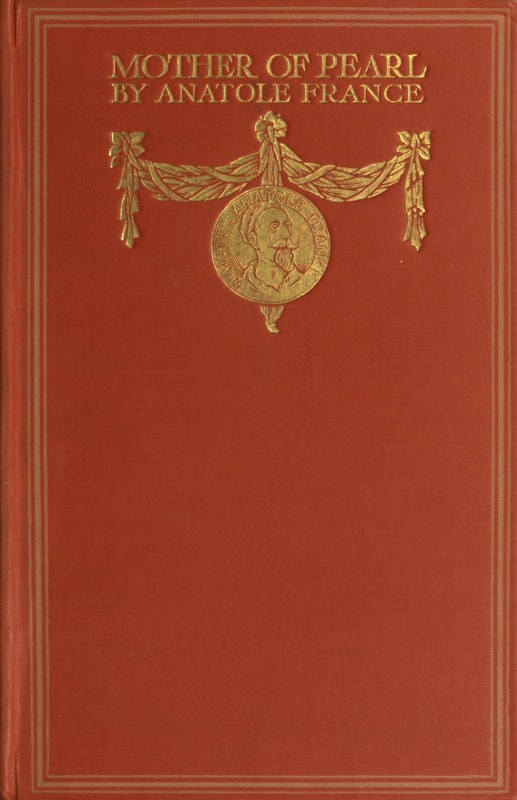
Mother of Pearl
1908
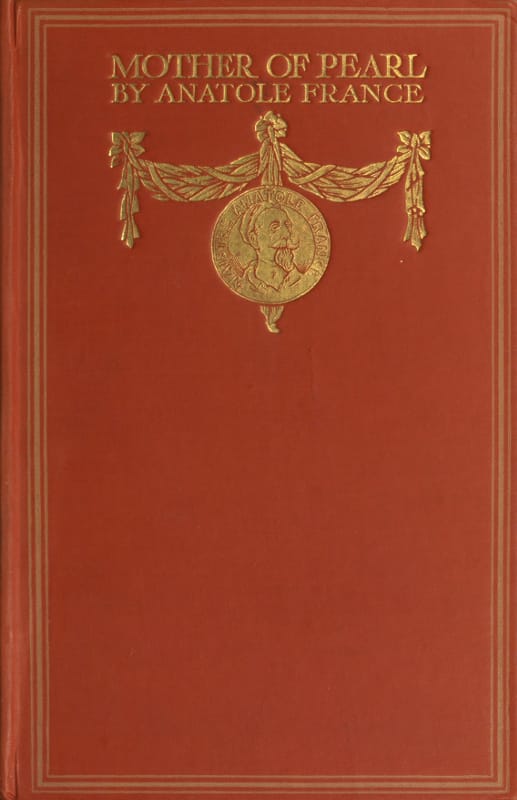
Mother of Pearl is Anatole France at his most mischievous: a collection of tales spanning centuries and continents, each one a small gem of irony and insight. The opening piece reunites exiled Roman nobleman Lælius Lamia with Pontius Pilate at the seaside ruins of Baiæ, where the two old men trade memories of Judea, governance, and the ghost of a carpenter from Nazareth whose execution Pilate still cannot quite reconcile with his conscience. But this is merely the portal. Subsequent stories venture into medieval hagiography (a juggler who performs for the Virgin), revolutionary France, and the ancient world, each tale dismantling the myths we tell ourselves about saints, heroes, and power. France's satire is velvet, not steel: he doesn't shout down the legends so much as wink at them, revealing the human frailty and wishful thinking beneath every sacred narrative. The result is a book that feels less like history than like a wise old friend recounting gossip about the dead. It is for readers who enjoy the pleasure of being gently told that the stories they've believed might be rather more complicated than they appeared.
Editions
Link to this book
Add a free, dofollow link to Lex on your blog, forum, syllabus, or reading list.

<a href="https://lex-books.com/book/mother-of-pearl-223e48be-e4f7-4cb2-a8e9-0a7773cce7d7"><img src="https://lex-books.com/badges/read-on-lex.svg" alt="Read Mother of Pearl by Anatole France free on Lex" width="160" height="40"></a>[](https://lex-books.com/book/mother-of-pearl-223e48be-e4f7-4cb2-a8e9-0a7773cce7d7)[url=https://lex-books.com/book/mother-of-pearl-223e48be-e4f7-4cb2-a8e9-0a7773cce7d7][img]https://lex-books.com/badges/read-on-lex.svg[/img][/url]Read Mother of Pearl by Anatole France free on Lex: https://lex-books.com/book/mother-of-pearl-223e48be-e4f7-4cb2-a8e9-0a7773cce7d7Cite this book
Reading this edition for a paper or guide? Copy a citation.
France, Anatole. Mother of Pearl. Lex, lex-books.com/book/mother-of-pearl-223e48be-e4f7-4cb2-a8e9-0a7773cce7d7.France, A. (1908). Mother of Pearl. Lex. https://lex-books.com/book/mother-of-pearl-223e48be-e4f7-4cb2-a8e9-0a7773cce7d7France, Anatole. Mother of Pearl. Lex. https://lex-books.com/book/mother-of-pearl-223e48be-e4f7-4cb2-a8e9-0a7773cce7d7.