The Life of Joan of Arc, Vol. 1 and 2
1656
The Life of Joan of Arc, Vol. 1 and 2
1656
Translated by Winifred Stephens Whale
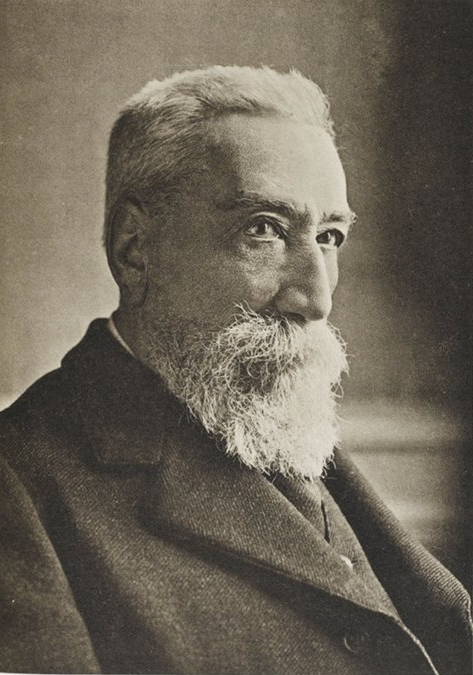
Anatole France undertook something dangerous in this two-volume work: he attempted to restore Joan of Arc to humanity. For centuries, the Maid of Orléans had been wrapped in miracle and myth, elevated by hagiographers to something beyond mortal reach. France, with characteristic erudition and skepticism, stripped away the layers of supernatural legend to find the girl beneath the saint. Drawing on trial records, contemporary chronicles, and the testimony of those who knew her, he reconstructs Joan's life with scholarly rigor while challenging the religious narratives that had dominated her story. The result is neither denial nor devotion but something more unsettling: a portrait of a remarkable young woman whose conviction and clarity confounded both allies and enemies. France's Joan is neither witch nor saint, but something far more interesting a peasant girl who heard voices, believed utterly in her mission, and changed the course of French history before being destroyed by the very forces she saved. This is historical biography as literary art, and its rationalist approach provoked fury among those who preferred their saints mysterious and untouchable.
Editions
X-Ray
A peasant girl from Domremy who believes she has been chosen by God to save France. She hears voices from Saint Michael, Saint Catherine, and Saint Margaret commanding her to drive out the English and crown the Dauphin at Reims.
The uncrowned King of France, weak and timid, struggling against English occupation. Joan's mission is to take him to Reims for his coronation and anointing.
Joan's father, a hardworking peasant farmer and village elder of Domremy. He fears his daughter's strange behavior and visions will lead her to ruin.
Joan's pious mother, called 'Romée' possibly from having made a pilgrimage. She shares her husband's concerns about their daughter's mystical experiences.
About The Life of Joan of Arc, Vol. 1 and 2
Chapter Summaries
- 1
- Joan grows up in the war-torn village of Domremy, daughter of peasant farmers Jacques d'Arc and Isabelle Romée. The village suffers constant raids and pillaging during the ongoing conflict between French and English forces.
- 2
- At age thirteen, Joan begins hearing voices from Saint Michael, Saint Catherine, and Saint Margaret. They command her to save France and take the Dauphin to Reims for his coronation, despite her protests of being a simple peasant girl.
- 3
- Joan first approaches Robert de Baudricourt at Vaucouleurs but is dismissed. The family flees to Neufchâteau during raids, where Joan faces a marriage lawsuit. She returns to Vaucouleurs with renewed determination.
Key Themes
- Divine Mission vs. Human Doubt
- Joan's unwavering belief in her heavenly voices conflicts with the skepticism of clergy, nobles, and even her family. The tension between faith and reason drives much of the narrative.
- Virginity and Spiritual Power
- Medieval belief in the special virtues of virginity underlies Joan's authority and the examinations she undergoes. Her purity becomes both her strength and a source of suspicion.
- Social Class and Divine Election
- A peasant girl claiming divine authority challenges established hierarchies. Joan's humble origins contrast with her mission to counsel kings and command nobles.
Characters
- Joan of Arc (Jeanne d'Arc)(protagonist)
- A peasant girl from Domremy who believes she has been chosen by God to save France. She hears voices from Saint Michael, Saint Catherine, and Saint Margaret commanding her to drive out the English and crown the Dauphin at Reims.
- Charles VII (the Dauphin)(major)
- The uncrowned King of France, weak and timid, struggling against English occupation. Joan's mission is to take him to Reims for his coronation and anointing.
- Jacques d'Arc(minor)
- Joan's father, a hardworking peasant farmer and village elder of Domremy. He fears his daughter's strange behavior and visions will lead her to ruin.
- Isabelle Romée(minor)
- Joan's pious mother, called 'Romée' possibly from having made a pilgrimage. She shares her husband's concerns about their daughter's mystical experiences.
- Robert de Baudricourt(major)
- Captain of Vaucouleurs who initially dismisses Joan but eventually provides her escort to the Dauphin. A pragmatic soldier who serves his own interests while nominally supporting Charles VII.
- Jean de Metz(major)
- A young man-at-arms who becomes one of Joan's first believers and escorts her to Chinon. He pledges to take her to the King and remains loyal to her mission.
Link to this book
Add a free, dofollow link to Lex on your blog, forum, syllabus, or reading list.

<a href="https://lex-books.com/book/the-life-of-joan-of-arc-vol-1-and-2-db001400-be96-4fee-ba19-75aa9d844cb3"><img src="https://lex-books.com/badges/read-on-lex.svg" alt="Read The Life of Joan of Arc, Vol. 1 and 2 by Anatole France free on Lex" width="160" height="40"></a>[](https://lex-books.com/book/the-life-of-joan-of-arc-vol-1-and-2-db001400-be96-4fee-ba19-75aa9d844cb3)[url=https://lex-books.com/book/the-life-of-joan-of-arc-vol-1-and-2-db001400-be96-4fee-ba19-75aa9d844cb3][img]https://lex-books.com/badges/read-on-lex.svg[/img][/url]Read The Life of Joan of Arc, Vol. 1 and 2 by Anatole France free on Lex: https://lex-books.com/book/the-life-of-joan-of-arc-vol-1-and-2-db001400-be96-4fee-ba19-75aa9d844cb3Cite this book
Reading this edition for a paper or guide? Copy a citation.
France, Anatole. The Life of Joan of Arc, Vol. 1 and 2. Lex, lex-books.com/book/the-life-of-joan-of-arc-vol-1-and-2-db001400-be96-4fee-ba19-75aa9d844cb3.France, A. (1656). The Life of Joan of Arc, Vol. 1 and 2. Lex. https://lex-books.com/book/the-life-of-joan-of-arc-vol-1-and-2-db001400-be96-4fee-ba19-75aa9d844cb3France, Anatole. The Life of Joan of Arc, Vol. 1 and 2. Lex. https://lex-books.com/book/the-life-of-joan-of-arc-vol-1-and-2-db001400-be96-4fee-ba19-75aa9d844cb3.