Lamia
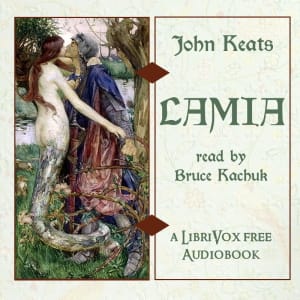
Keats's final major poem is a devastating meditation on the price of truth and the cruelty of disillusionment. When the young philosopher Lycius encounters the beautiful Lamia in a Corinthian marketplace, he is swept into a passionate affair that will cost him everything he possesses. What Lycius does not know, what the reader discovers with growing unease, is that Lamia is a serpent-woman who traded her monstrous form for one of deadly beauty. Their secret love flourishes in shadow, until Apollonius, Lycius's aged mentor and voice of reason, strips away the magic with unyielding clarity. The truth kills him. This is Keats at his most brutal: not a warning against desire, but against the cold philosophy that cannot tolerate mystery. Written in flowing heroic couplets that never falter, Lamia asks whether some illusions are not worth preserving, whether the man who sees too clearly is any different from the man who is blind.
Editions

Link to this book
Add a free, dofollow link to Lex on your blog, forum, syllabus, or reading list.

<a href="https://lex-books.com/book/lamia-2f7bd63e-550e-4c22-9c5a-705396606f0e"><img src="https://lex-books.com/badges/read-on-lex.svg" alt="Read Lamia by John Keats free on Lex" width="160" height="40"></a>[](https://lex-books.com/book/lamia-2f7bd63e-550e-4c22-9c5a-705396606f0e)[url=https://lex-books.com/book/lamia-2f7bd63e-550e-4c22-9c5a-705396606f0e][img]https://lex-books.com/badges/read-on-lex.svg[/img][/url]Read Lamia by John Keats free on Lex: https://lex-books.com/book/lamia-2f7bd63e-550e-4c22-9c5a-705396606f0eCite this book
Reading this edition for a paper or guide? Copy a citation.
Keats, John. Lamia. Lex, lex-books.com/book/lamia-2f7bd63e-550e-4c22-9c5a-705396606f0e.Keats, J. (n.d.). Lamia. Lex. https://lex-books.com/book/lamia-2f7bd63e-550e-4c22-9c5a-705396606f0eKeats, John. Lamia. Lex. https://lex-books.com/book/lamia-2f7bd63e-550e-4c22-9c5a-705396606f0e.