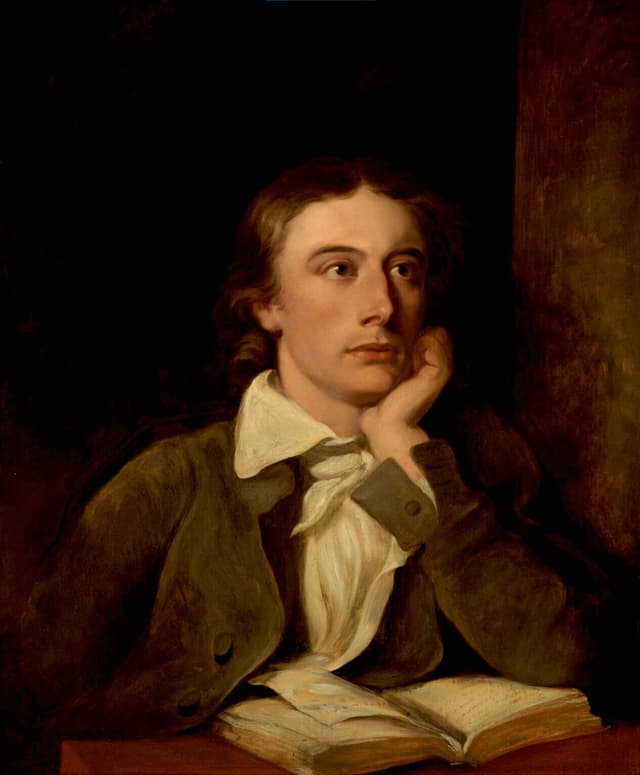
John Keats
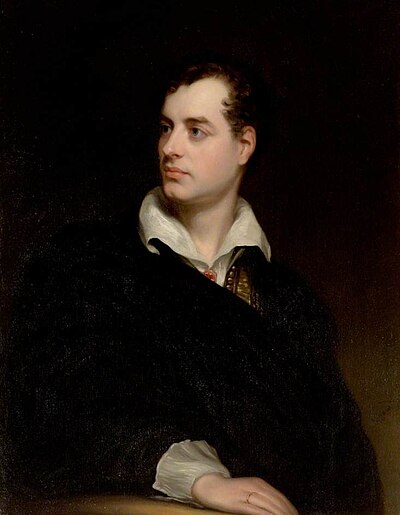
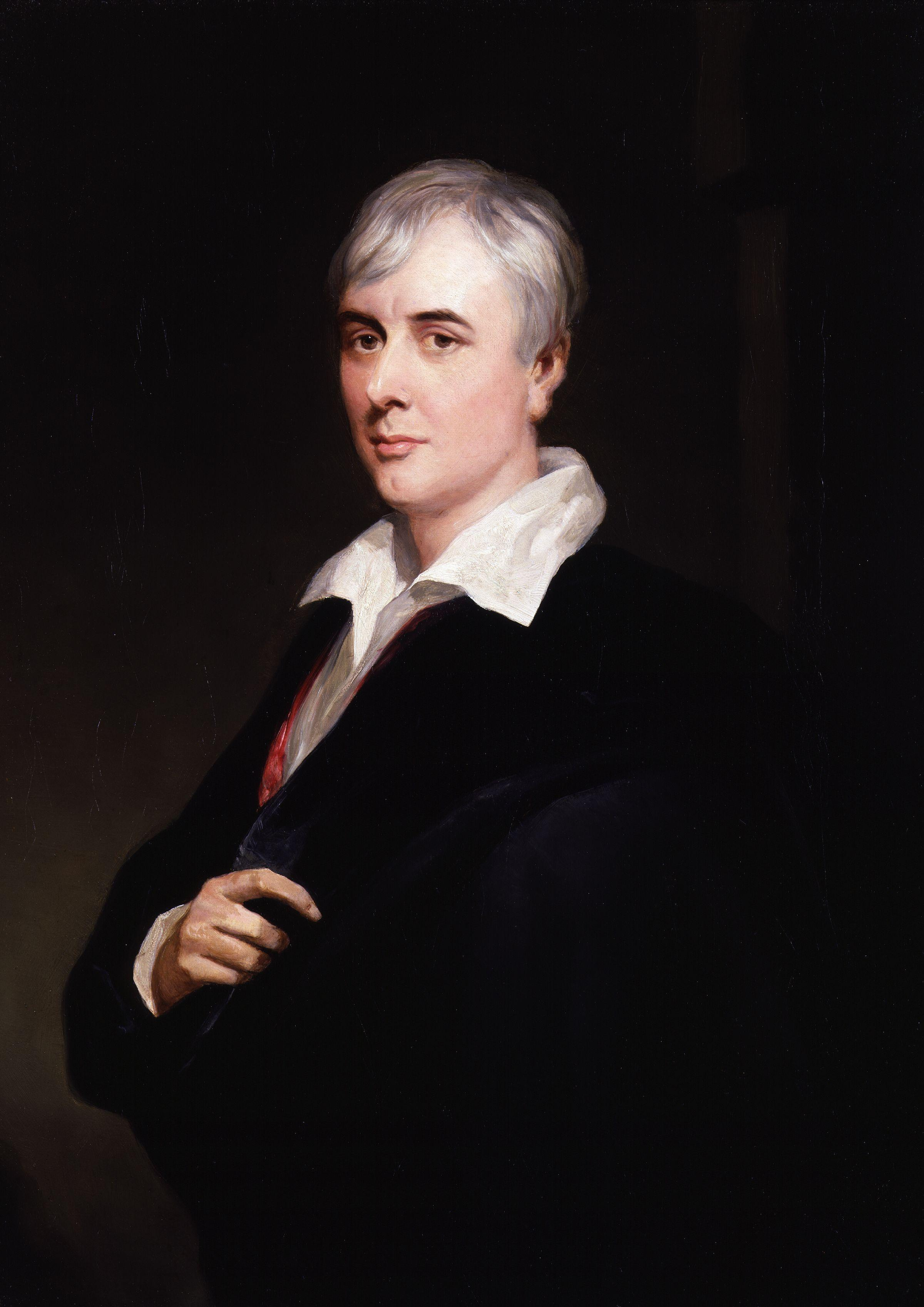
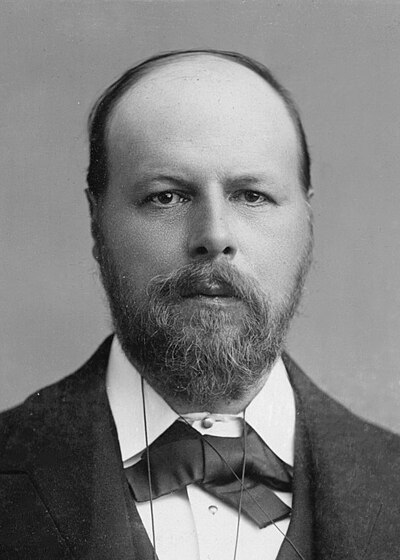
John Keats was an English poet who emerged as a leading figure of the second generation of Romantic poets, alongside contemporaries such as Lord Byron and Percy Bysshe Shelley. Despite his brief life, cut short by tuberculosis at the age of 25, Keats produced a remarkable body of work that included celebrated poems like "Ode to a Nightingale," "Ode on a Grecian Urn," and the sonnet "On First Looking into Chapman's Homer." His poetry, characterized by rich sensual imagery and profound emotional depth, was not widely appreciated during his lifetime, but posthumously, he gained significant acclaim and became a cornerstone of English literature. His exploration of beauty, mortality, and nature resonated deeply with later generations, solidifying his status as a master of lyrical expression. Keats's influence extended well beyond his own era, particularly impacting the Pre-Raphaelite Brotherhood in the Victorian age. His medievalist works, such as "La Belle Dame Sans Merci" and "The Eve of St. Agnes," inspired a wave of poets and artists who sought to capture the same emotional intensity and vivid imagery found in his verses. By the end of the 19th century, Keats was recognized as one of the greats of English poetry, with his letters and poems remaining subjects of extensive analysis and admiration. His legacy endures, as his works continue to be celebrated for their beauty and depth, marking him as a pivotal figure in the Romantic literary tradition.
Famous Quotes
View all 19 quotes“Heard melodies are sweet, but those unheard, are sweeter””
“Do you not see how necessary a world of pains and troubles is to school an intelligence and make it a soul?””
“I almost wish we were butterflies and liv'd but three summer days - three such days with you I could fill with more delight than fifty common years could ever contain.””
Books from the author
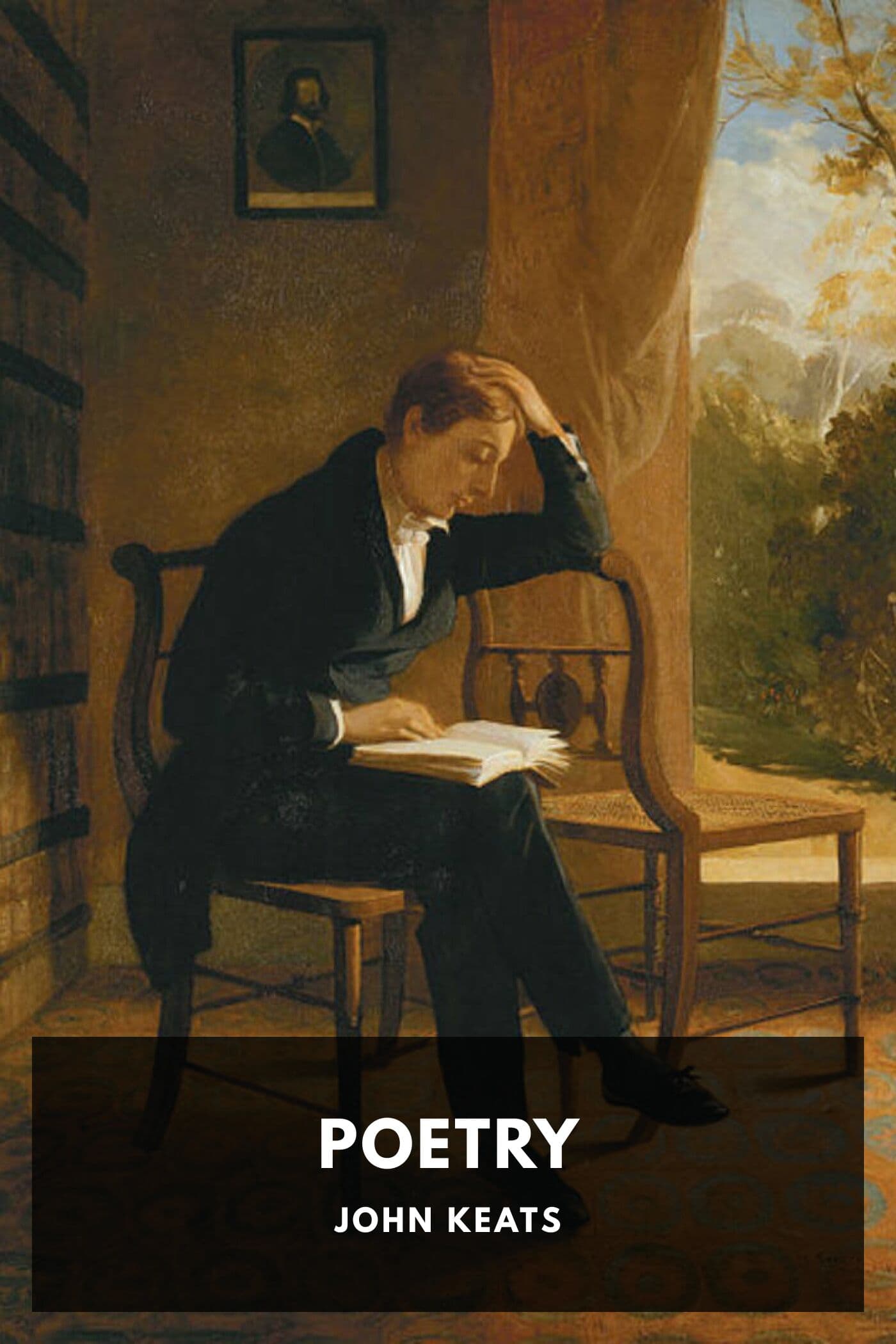
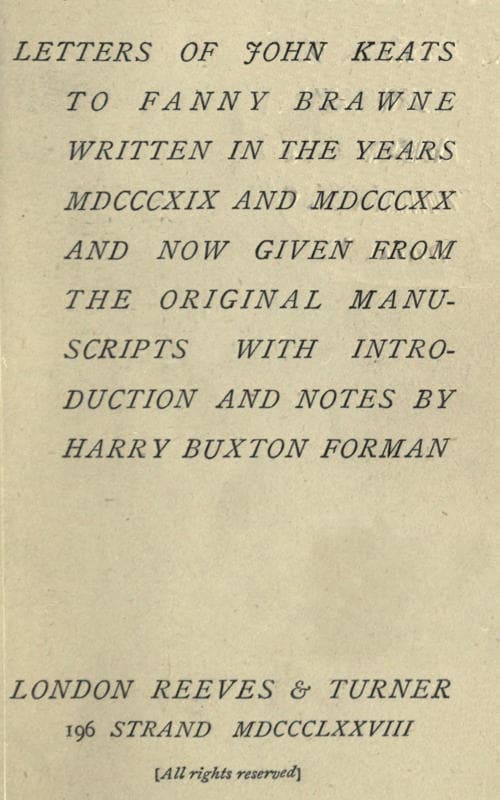
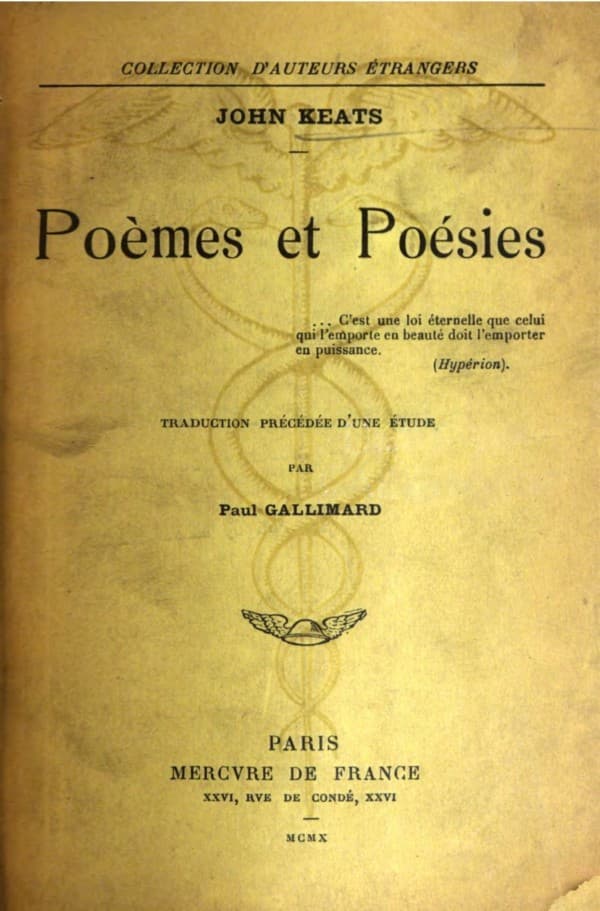


Link to this page
Add a free, dofollow link to Lex on your blog, forum, syllabus, or reading list.

<a href="https://lex-books.com/author/john-keats"><img src="https://lex-books.com/badges/read-on-lex.svg" alt="John Keats on Lex" width="160" height="40"></a>[](https://lex-books.com/author/john-keats)[url=https://lex-books.com/author/john-keats][img]https://lex-books.com/badges/read-on-lex.svg[/img][/url]John Keats on Lex: https://lex-books.com/author/john-keats