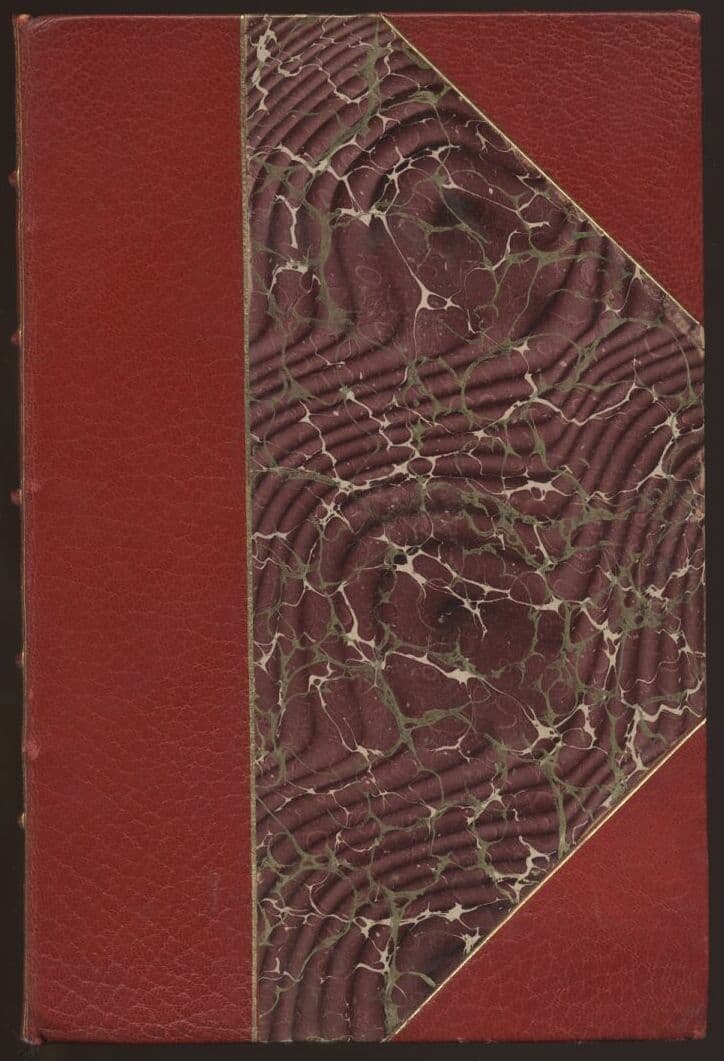
Endymion: A Poetic Romance
1818
A thing of beauty is a joy for ever. So begins Keats' ambitious narrative poem, a lush meditation on longing, transcendence, and the unbearable distance between mortal desire and divine perfection. Endymion, a shepherd prince of ancient Greece, has spent his nights gazing at the moon until he falls hopelessly in love with Cynthia, the moon goddess herself. His yearning drives him beneath the earth, into the depths of the ocean, through realms of myth and memory, all in pursuit of a love that may be impossible. What unfolds is both a fantastical odyssey and a profound allegory for the poet's own struggle with art, beauty, and the insufficiency of language to capture what the heart adores. Book Three, particularly the encounter with the sorceress Glaucus, offers some of Keats' most piercing reflections on the relationship between suffering and wisdom, between the lover and the beloved. The poem that made Keats himself tremble with doubt has become one of the most beloved works of English Romanticism, a testament to the grandeur of yearning itself.
Editions
X-Ray
“A thing of beauty is a joy forever.””
— John Keats
“Yes, in spite of all, Some shape of beauty moves away the pall From out dark spirits.””
— John Keats
“I have clung To nothing, lov’d a nothing, nothing seen Or felt but a great dream!””
— John Keats
“What is there in thee, Moon! That thou should'st move my heart so potently?””
— John Keats
“That men, who might have tower'd in the vanOf all the congregated world, to fanAnd winnow from the coming step of timeAll chaff of custom, wipe away all slimeLeft by men-slugs and human serpentry,Have been content to let occasion die,Whilst they did sleep in love's Elysium.””
— John Keats
“Wide sea, that one continuous murmur breedsAlong the pebbled shore of memory!Many old rotten-timber'd boats there beUpon thy vaporous bosom, magnifiedTo goodly vessels; many a sail of pride,And golden keel'd, is left unlaunch'd and dry.””
— John Keats
“A thing of beauty is a joy for ever:Its loveliness increases; it will neverPass into nothingness; but still will keepA bower quiet for us, and a sleepFull of sweet dreams, and health, and quiet breathing.””
— John Keats
“Love doth scatheThe gentle heart, as northern blasts do roses.””
— John Keats
“My restless spirit never could endureTo brood so long upon one luxury,Unless it did, though fearfully espyA hope beyond the shadow of a dream.””
— John Keats
Link to this book
Add a free, dofollow link to Lex on your blog, forum, syllabus, or reading list.

<a href="https://lex-books.com/book/endymion-a-poetic-romance-165e16d8-4ffe-4621-91ad-6c3590420e00"><img src="https://lex-books.com/badges/read-on-lex.svg" alt="Read Endymion: A Poetic Romance by John Keats free on Lex" width="160" height="40"></a>[](https://lex-books.com/book/endymion-a-poetic-romance-165e16d8-4ffe-4621-91ad-6c3590420e00)[url=https://lex-books.com/book/endymion-a-poetic-romance-165e16d8-4ffe-4621-91ad-6c3590420e00][img]https://lex-books.com/badges/read-on-lex.svg[/img][/url]Read Endymion: A Poetic Romance by John Keats free on Lex: https://lex-books.com/book/endymion-a-poetic-romance-165e16d8-4ffe-4621-91ad-6c3590420e00Cite this book
Reading this edition for a paper or guide? Copy a citation.
Keats, John. Endymion: A Poetic Romance. Lex, lex-books.com/book/endymion-a-poetic-romance-165e16d8-4ffe-4621-91ad-6c3590420e00.Keats, J. (1818). Endymion: A Poetic Romance. Lex. https://lex-books.com/book/endymion-a-poetic-romance-165e16d8-4ffe-4621-91ad-6c3590420e00Keats, John. Endymion: A Poetic Romance. Lex. https://lex-books.com/book/endymion-a-poetic-romance-165e16d8-4ffe-4621-91ad-6c3590420e00.