Letters of John Keats to His Family and Friends
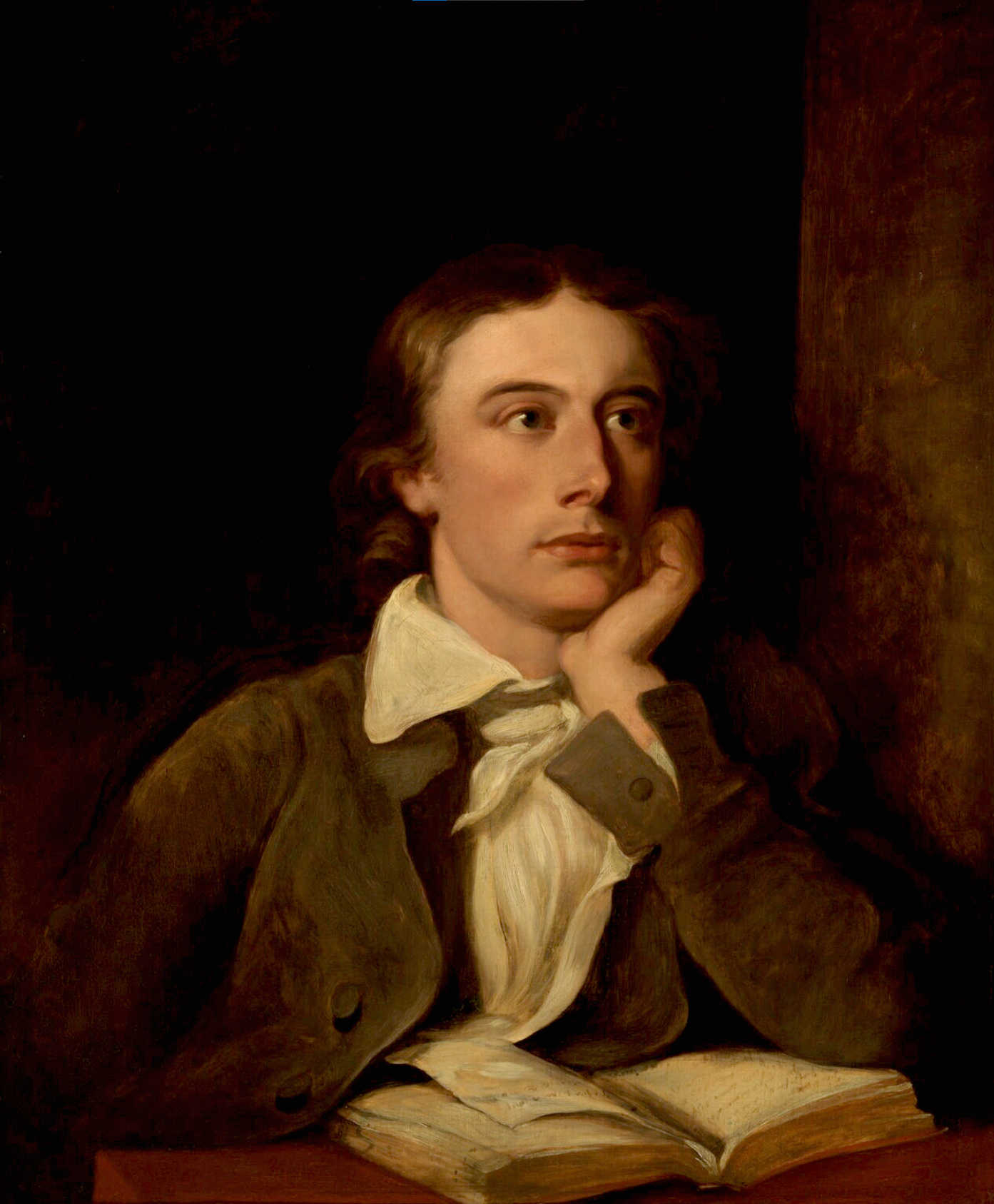
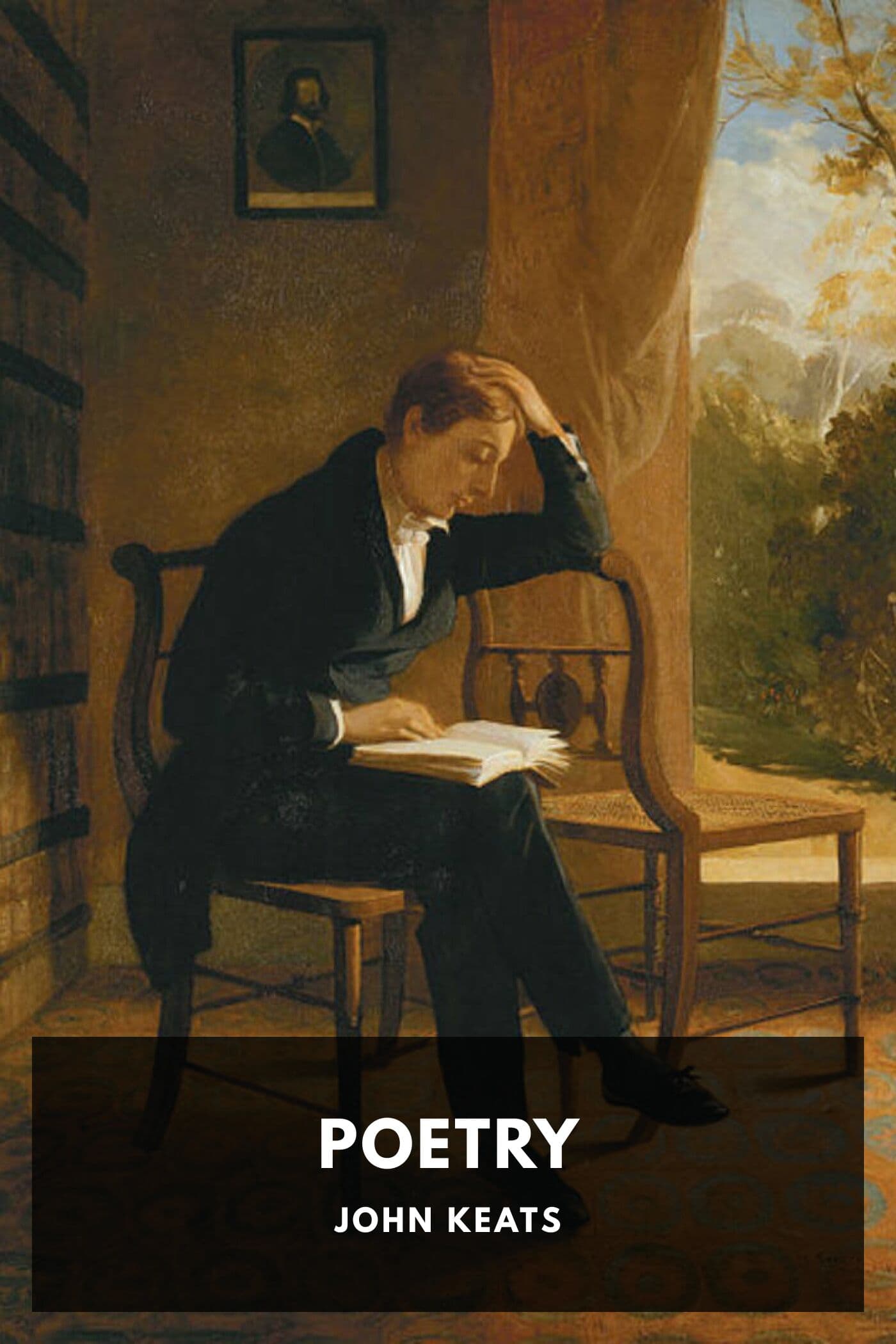
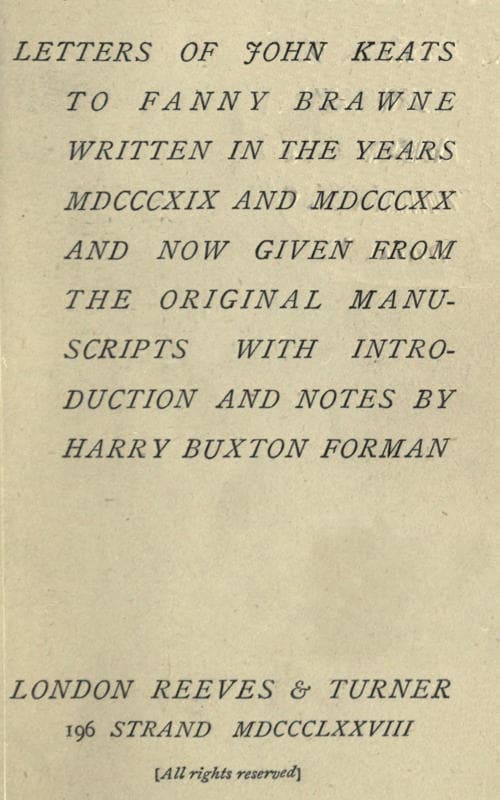
Among the most intimate portraits of artistic genius in English literature, Keats's letters reveal the man behind the odes. Written between 1816 and 1820, these correspondence pieces trace a young poet's desperate race against time - his tuberculosis diagnosis at 24, his consuming love for Fanny Brawne, his ferocious arguments about poetry with friends, and his philosophical wrestling with death and beauty. The letters capture what his poems only suggest: the trembling uncertainty behind "Ode to a Nightingale," the anguish of creative poverty, the electric debates with painters and writers who would shape the Romantic movement. Here Keats coins "Negative Capability," theorizes beauty as truth, and watches his own brief life burn with ferocious intensity. What emerges is not a marble monument but a living voice - ambitious, anxious, hilarious, heartbroken, writing brilliantly to friends while knowing the consumption killing his brother Tom will likely claim him next. These are the letters of a young man who refused to accept that genius has an expiration date.
Editions
X-Ray
“I will clamber through the clouds and exist.””
— John Keats
“I find I cannot exist without Poetry””
— John Keats
“O that our dreamings all, of sleep or wake,Would all their colours from the sunset take:From something of material sublime,Rather than shadow our own soul's day-timeIn the dark void of night. For in the worldWe jostle, - but my flag is not unfurl'd...””
— John Keats
“There is an old saying "well begun is half done" - 'tis a bad one. I would use instead, "Not begun at all till half done;" so according to that I have not begun my Poem and consequently (a priori) can say nothing about it.””
— John Keats
“Health and spirits can only belong unalloyed to the selfish man”
— John Keats
Link to this book
Add a free, dofollow link to Lex on your blog, forum, syllabus, or reading list.

<a href="https://lex-books.com/book/letters-of-john-keats-to-his-family-and-friends-4bf1c0f8-e6be-45b0-a402-85a842d33935"><img src="https://lex-books.com/badges/read-on-lex.svg" alt="Read Letters of John Keats to His Family and Friends by John Keats free on Lex" width="160" height="40"></a>[](https://lex-books.com/book/letters-of-john-keats-to-his-family-and-friends-4bf1c0f8-e6be-45b0-a402-85a842d33935)[url=https://lex-books.com/book/letters-of-john-keats-to-his-family-and-friends-4bf1c0f8-e6be-45b0-a402-85a842d33935][img]https://lex-books.com/badges/read-on-lex.svg[/img][/url]Read Letters of John Keats to His Family and Friends by John Keats free on Lex: https://lex-books.com/book/letters-of-john-keats-to-his-family-and-friends-4bf1c0f8-e6be-45b0-a402-85a842d33935Cite this book
Reading this edition for a paper or guide? Copy a citation.
Keats, John. Letters of John Keats to His Family and Friends. Lex, lex-books.com/book/letters-of-john-keats-to-his-family-and-friends-4bf1c0f8-e6be-45b0-a402-85a842d33935.Keats, J. (n.d.). Letters of John Keats to His Family and Friends. Lex. https://lex-books.com/book/letters-of-john-keats-to-his-family-and-friends-4bf1c0f8-e6be-45b0-a402-85a842d33935Keats, John. Letters of John Keats to His Family and Friends. Lex. https://lex-books.com/book/letters-of-john-keats-to-his-family-and-friends-4bf1c0f8-e6be-45b0-a402-85a842d33935.