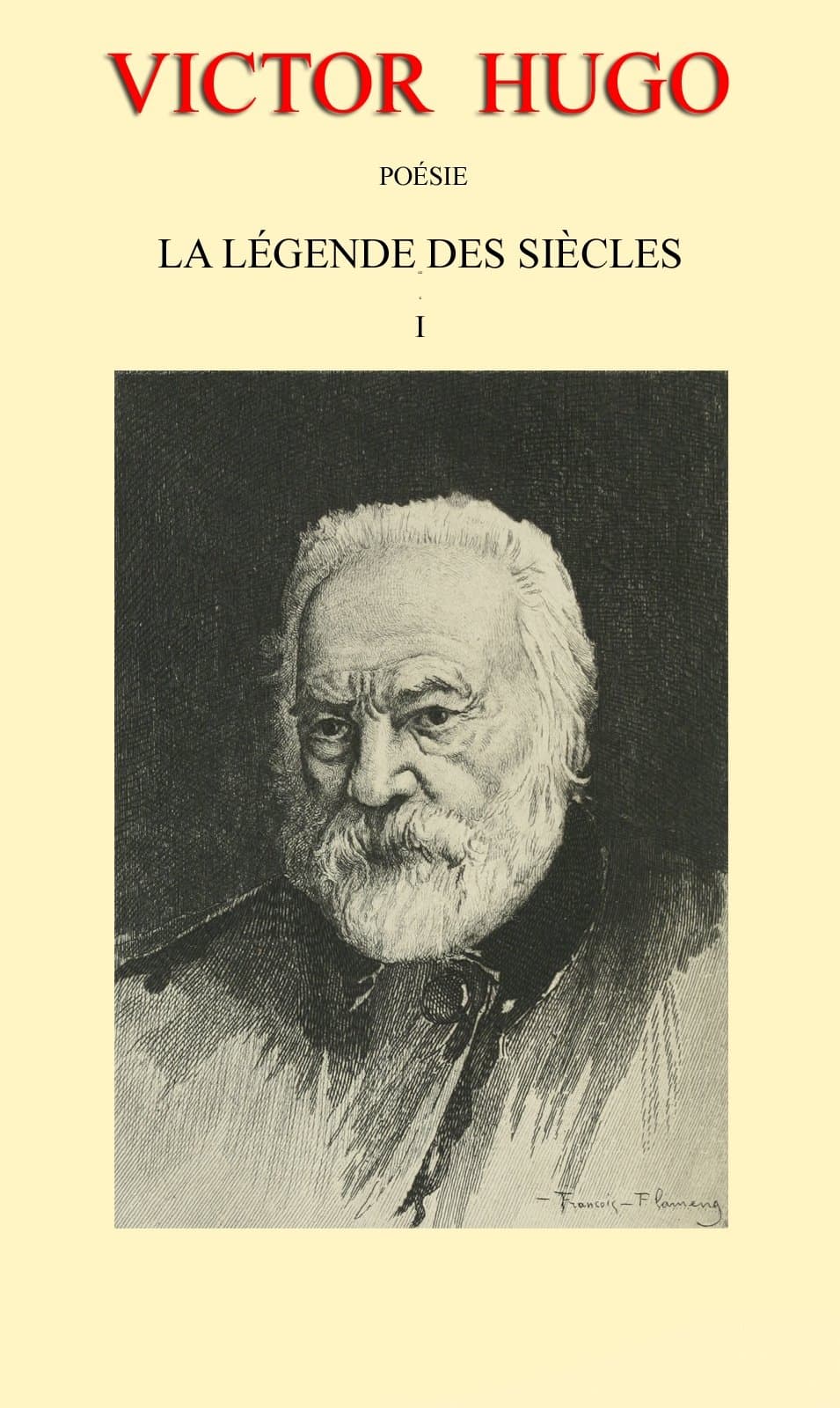
La Légende Des Siècles Tome II
1877
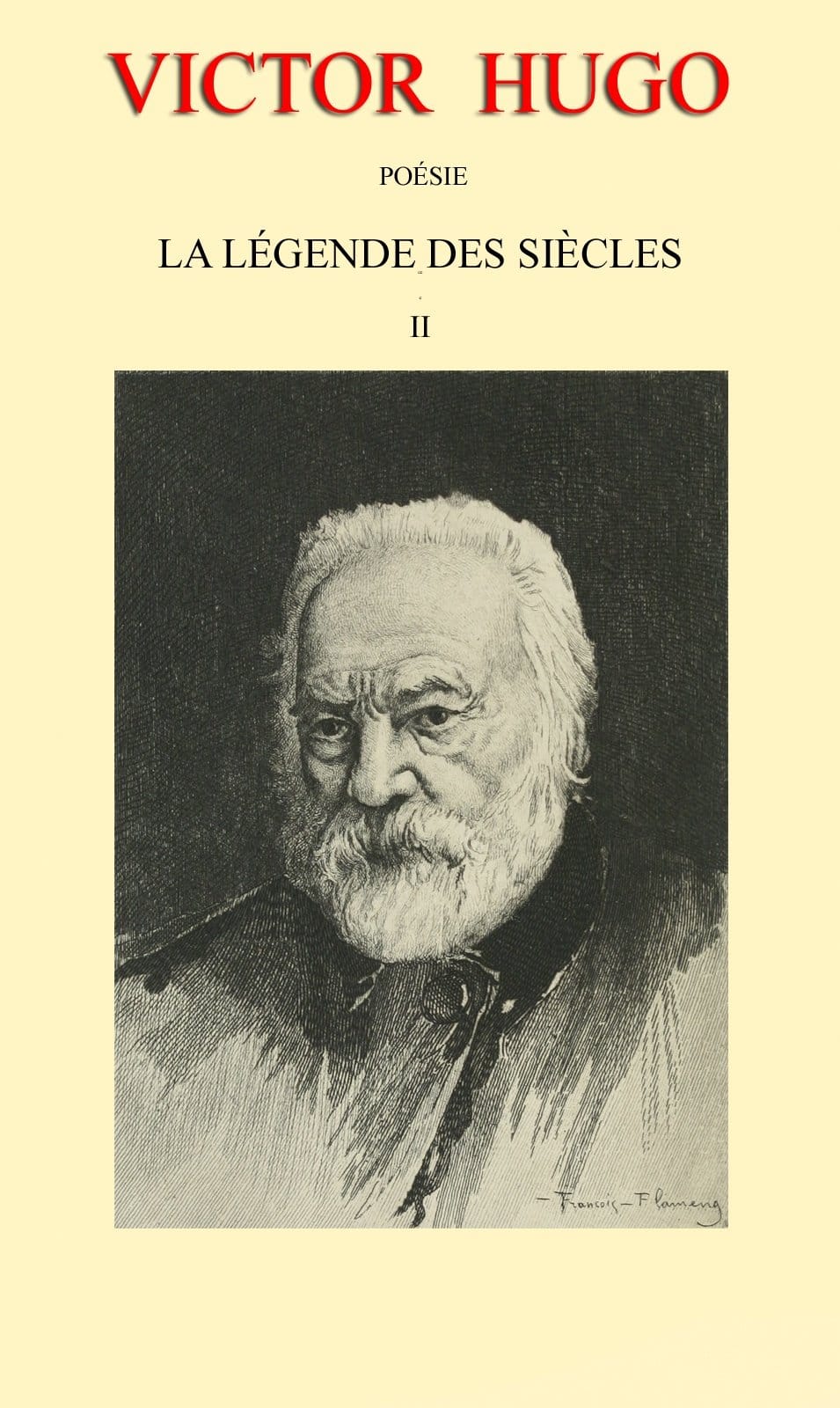
Victor Hugo's second volume of La Légende des siècles stands as one of literature's most audacious attempts to compress the entire moral history of humanity into verse. Written by an aging master who had already reshaped the novel, this collection ranges across myth, medieval legend, and philosophical meditation to stage an eternal drama: the confrontation between annihilation and hope, between the Worm that devours empires and the poet who insists on the soul's inviolability. The poems populate a vast moral panorama with towering figures: saints, tyrants, wandering knights who defend right in ages of fear. The Petit Roi de Galice follows the child-king Nuño endangered by his own uncles, saved by the legendary Roland who holds a mountain pass alone against treachery. Eviradnus, the Alsatian knight, hears dark plots and mounts to intervene, champion of the oppressed in a storm-ravaged world. These are not mere historical tableaux but allegories of conscience, where every battle is fought on the terrain of the soul. For readers who seek poetry that thinks in centuries and speaks in archetypes, Hugo offers something increasingly rare: a vision of literature as moral architecture, built to outlast the ages that inspire it.
Editions
X-Ray
“And we see flame in the eyes of the young, But, in the eye of the old, we see light.””
— Victor Hugo
Link to this book
Add a free, dofollow link to Lex on your blog, forum, syllabus, or reading list.

<a href="https://lex-books.com/book/la-l-gende-des-si-cles-tome-ii-3f7d13ab-539a-452b-ac06-13289d5b99dd"><img src="https://lex-books.com/badges/read-on-lex.svg" alt="Read La Légende Des Siècles Tome II by Victor Hugo free on Lex" width="160" height="40"></a>[](https://lex-books.com/book/la-l-gende-des-si-cles-tome-ii-3f7d13ab-539a-452b-ac06-13289d5b99dd)[url=https://lex-books.com/book/la-l-gende-des-si-cles-tome-ii-3f7d13ab-539a-452b-ac06-13289d5b99dd][img]https://lex-books.com/badges/read-on-lex.svg[/img][/url]Read La Légende Des Siècles Tome II by Victor Hugo free on Lex: https://lex-books.com/book/la-l-gende-des-si-cles-tome-ii-3f7d13ab-539a-452b-ac06-13289d5b99ddCite this book
Reading this edition for a paper or guide? Copy a citation.
Hugo, Victor. La Légende Des Siècles Tome II. Lex, lex-books.com/book/la-l-gende-des-si-cles-tome-ii-3f7d13ab-539a-452b-ac06-13289d5b99dd.Hugo, V. (1877). La Légende Des Siècles Tome II. Lex. https://lex-books.com/book/la-l-gende-des-si-cles-tome-ii-3f7d13ab-539a-452b-ac06-13289d5b99ddHugo, Victor. La Légende Des Siècles Tome II. Lex. https://lex-books.com/book/la-l-gende-des-si-cles-tome-ii-3f7d13ab-539a-452b-ac06-13289d5b99dd.