
Victor Hugo
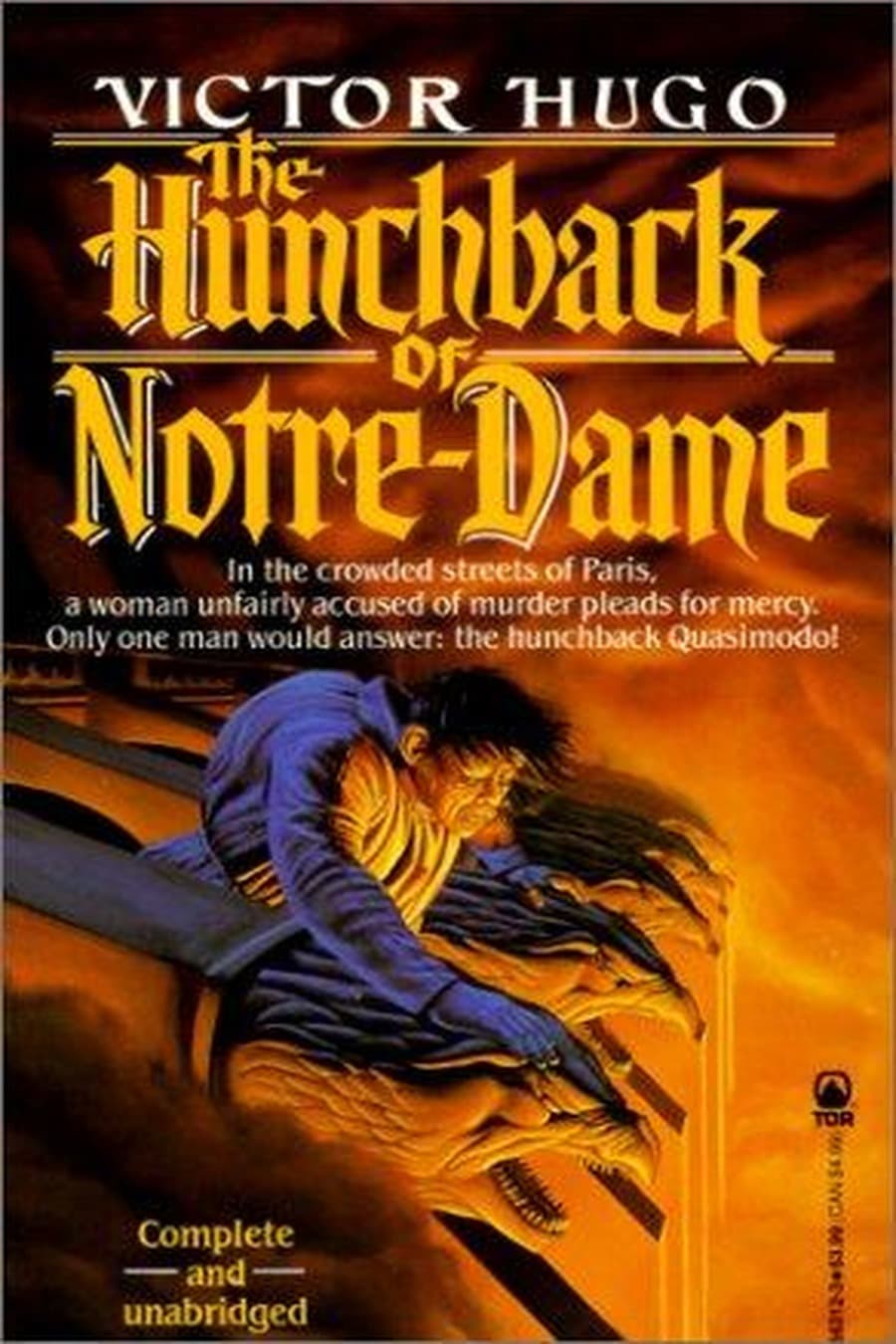
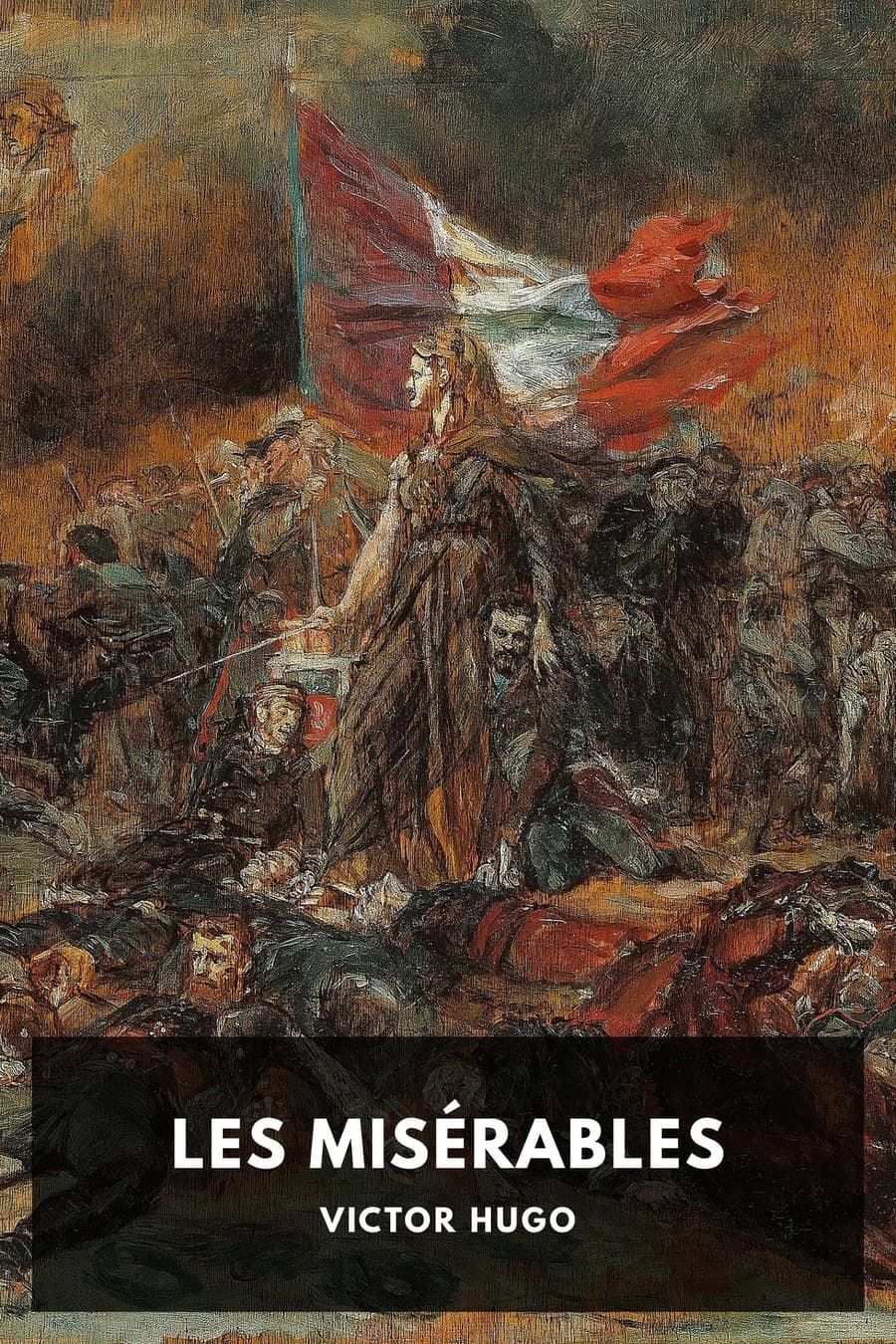
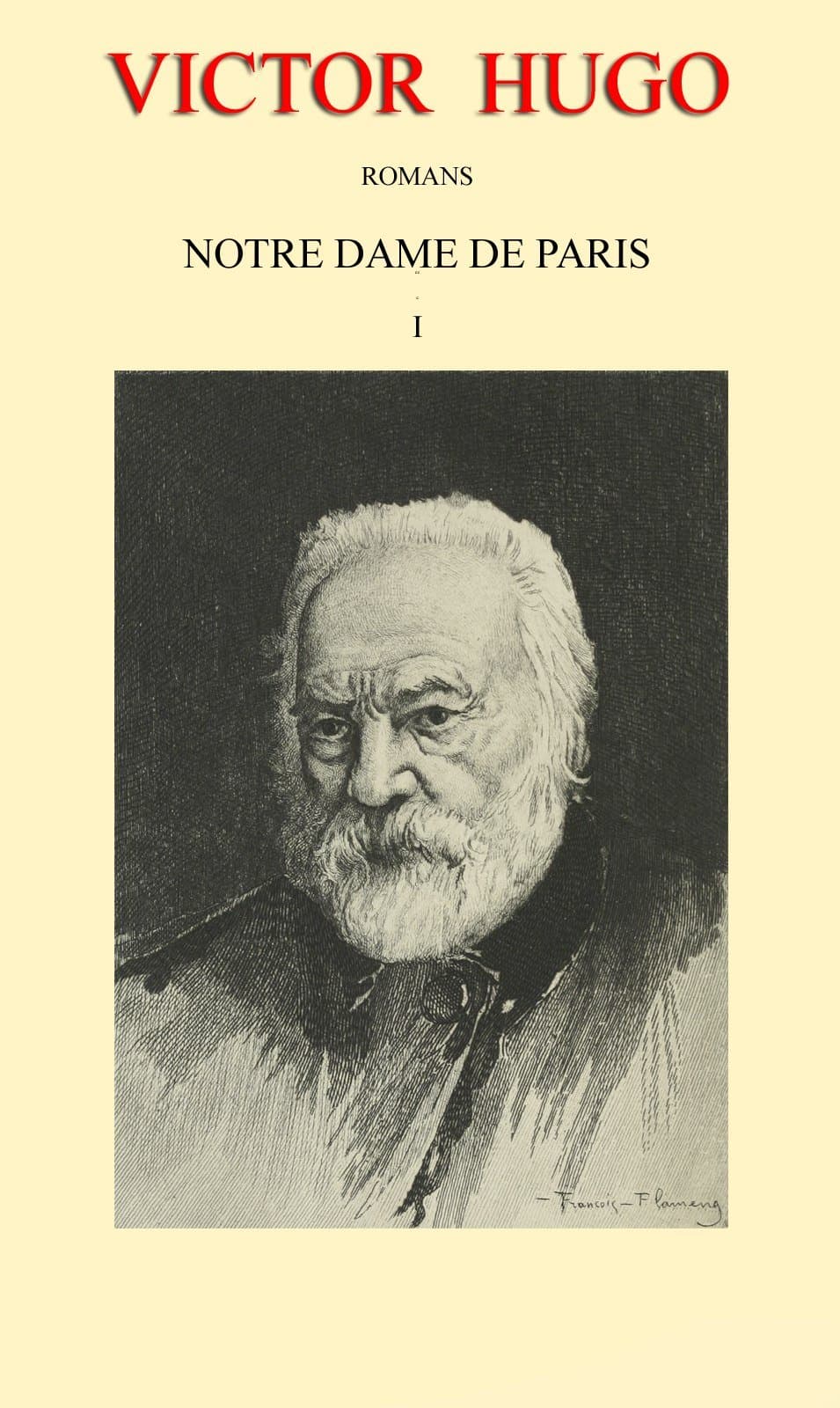
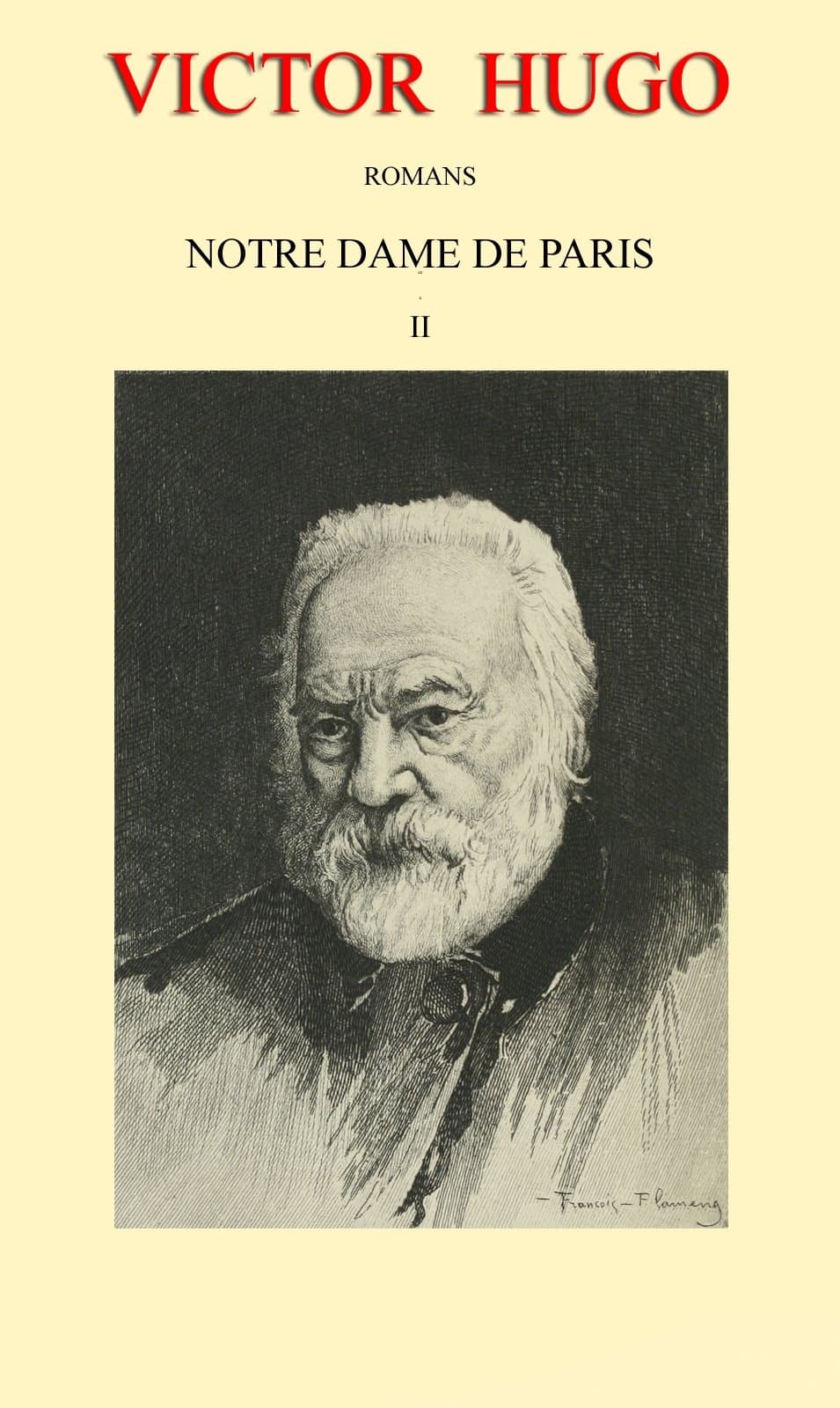
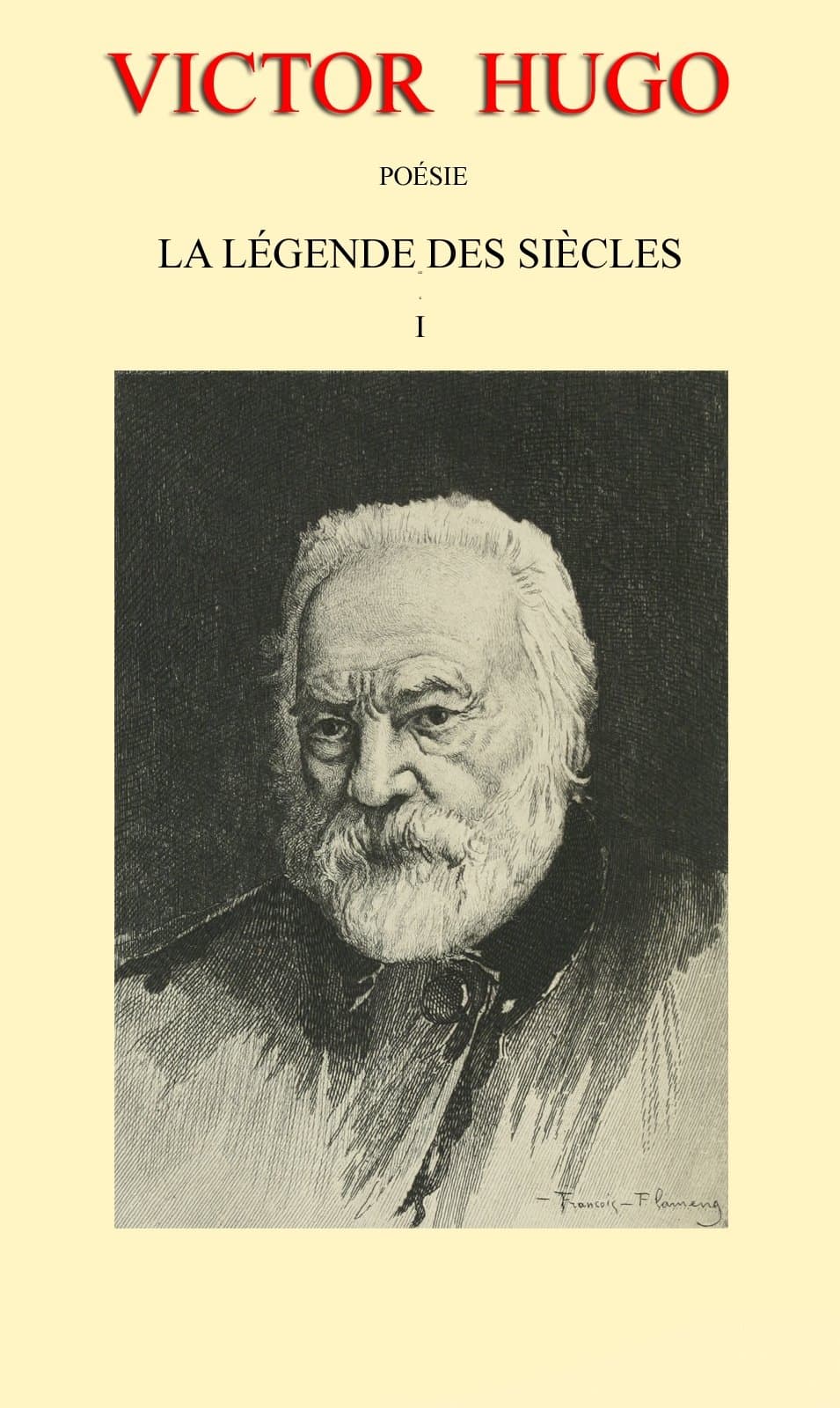
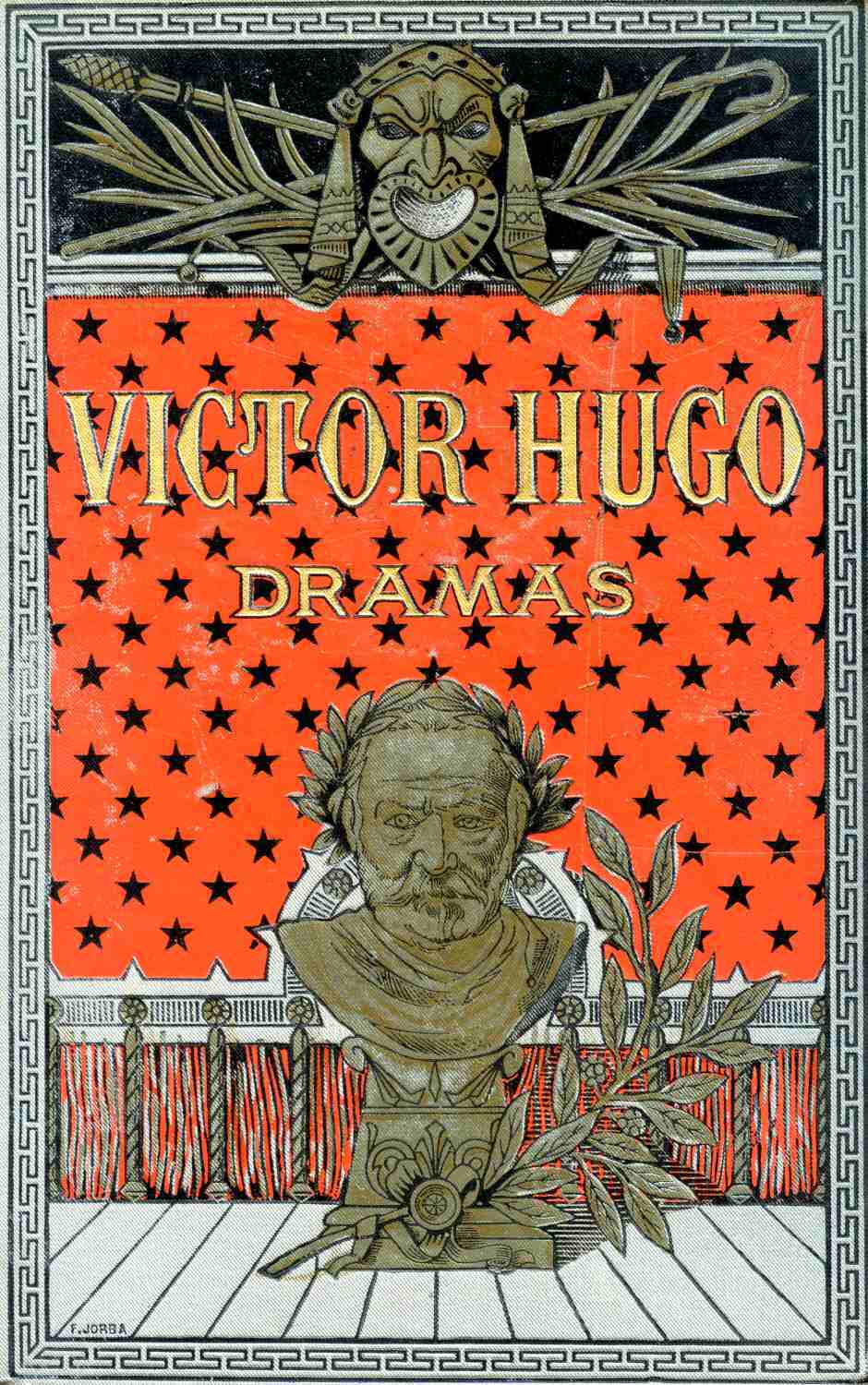
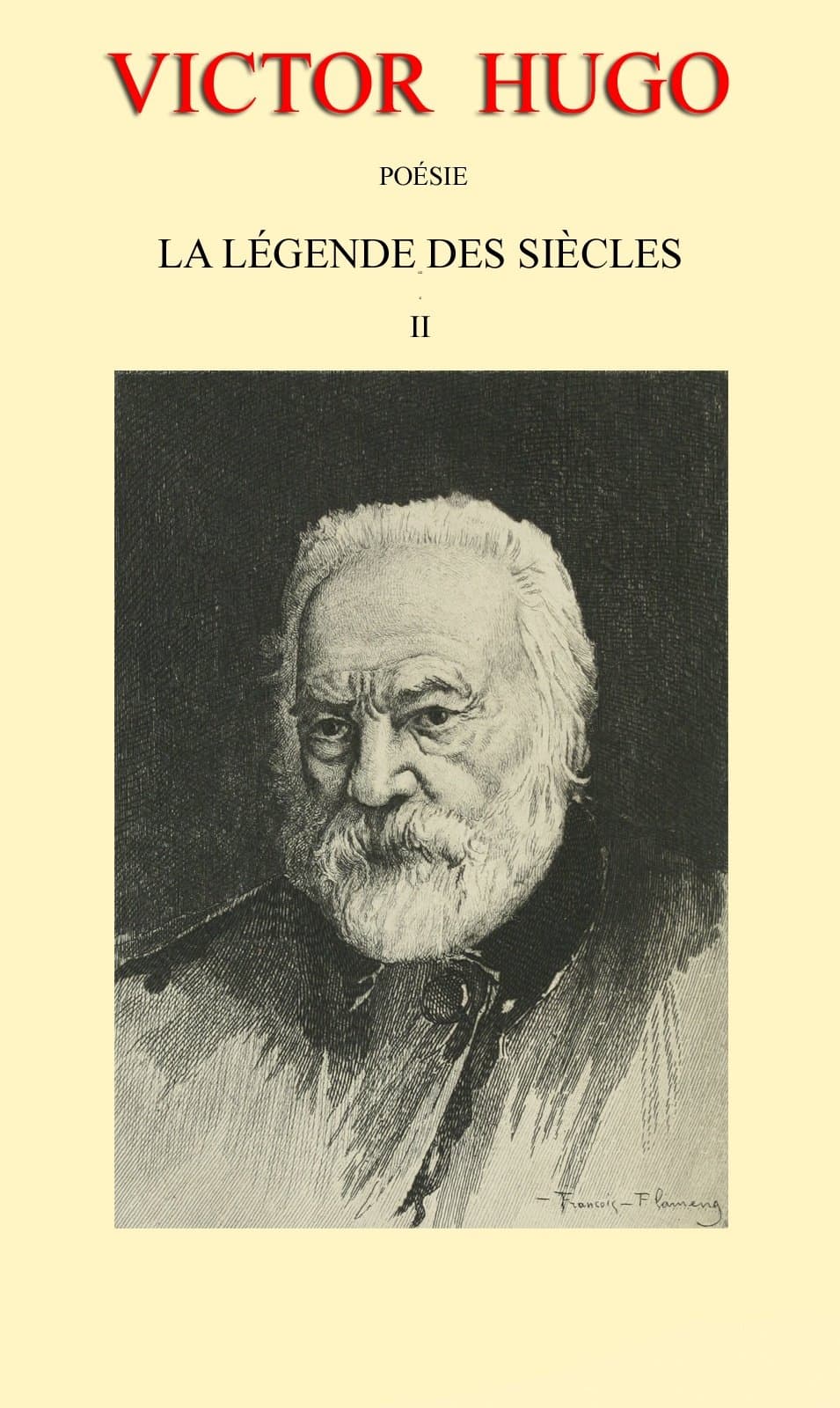
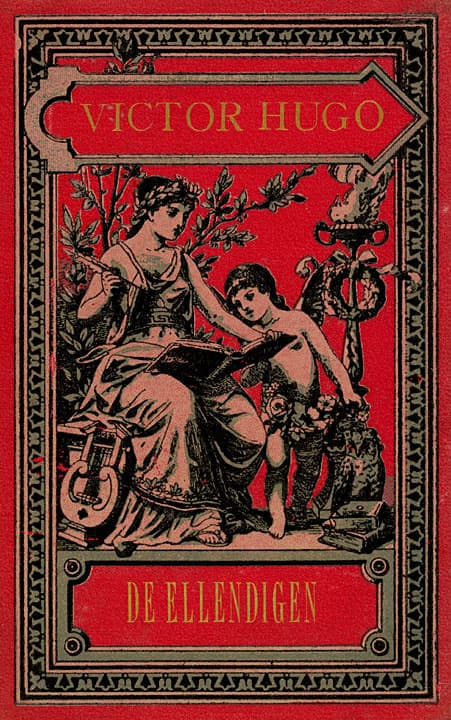
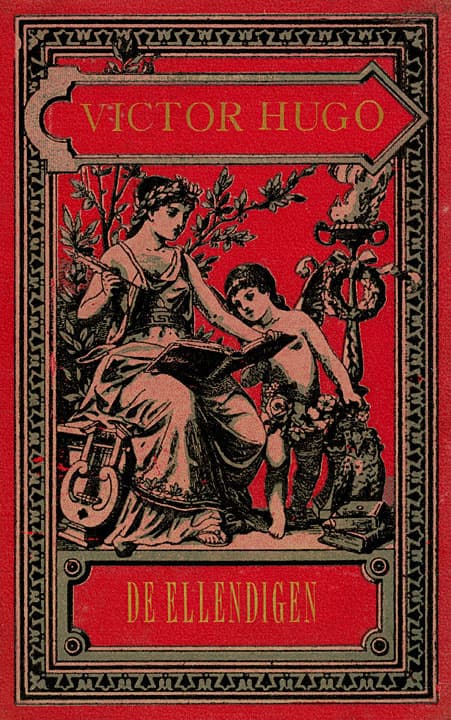
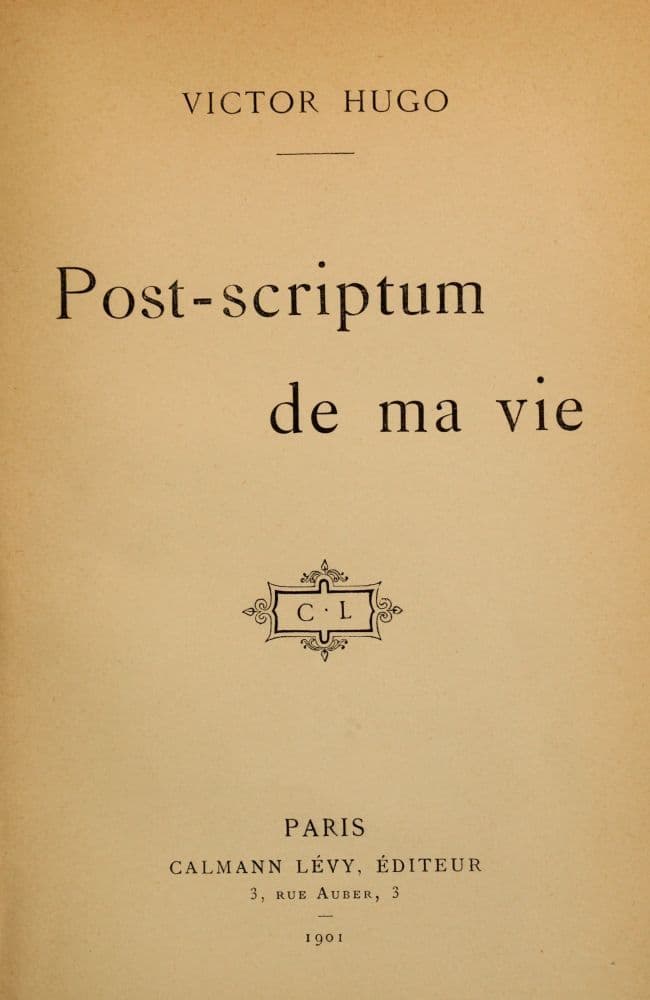
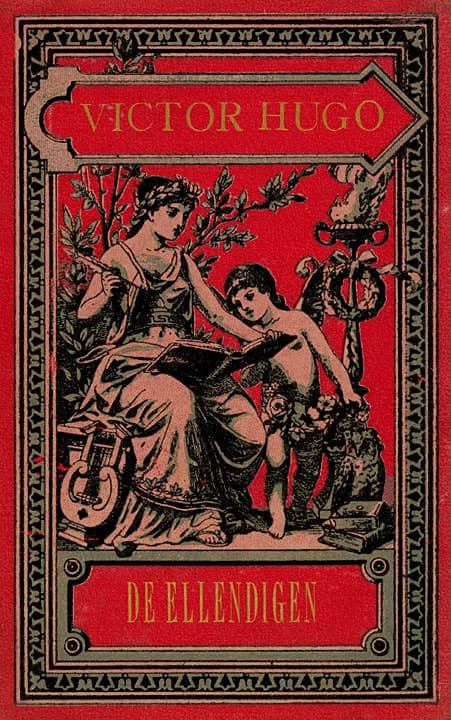
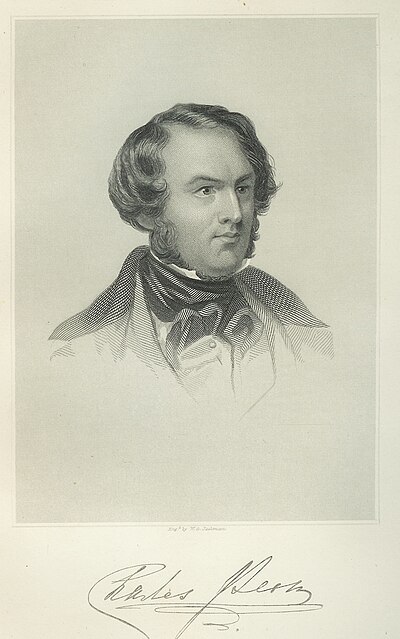
Victor Hugo was a towering figure in French literature and a leading voice of the Romantic movement. Born in 1802, he emerged as a prolific author, poet, playwright, and political activist, with his most celebrated works including the novels 'The Hunchback of Notre-Dame' and 'Les Misérables.' These narratives not only captivated readers with their rich characterizations and emotional depth but also addressed pressing social issues such as poverty, justice, and human rights. Hugo's poetry collections, such as 'Les Contemplations' and 'La Légende des siècles,' further showcased his lyrical prowess and philosophical reflections on life and existence. Throughout his life, Hugo was deeply engaged in political and social causes, advocating for the abolition of capital punishment and slavery. His early royalist views evolved into a passionate commitment to republicanism, leading him to serve as both a deputy and senator. His literary contributions and activism made him a national hero in France, and his works have inspired countless adaptations in music and theater, including operas and musicals. Upon his death in 1885, Hugo was honored with a state funeral attended by over two million people, a testament to his profound impact on French culture and society, solidifying his legacy as one of the most significant literary figures of the 19th century.
Famous Quotes
View all 20 quotes“Music expresses that which cannot be put into words and that which cannot remain silent””
Books from the author







Link to this page
Add a free, dofollow link to Lex on your blog, forum, syllabus, or reading list.

<a href="https://lex-books.com/author/victor-hugo"><img src="https://lex-books.com/badges/read-on-lex.svg" alt="Victor Hugo on Lex" width="160" height="40"></a>[](https://lex-books.com/author/victor-hugo)[url=https://lex-books.com/author/victor-hugo][img]https://lex-books.com/badges/read-on-lex.svg[/img][/url]Victor Hugo on Lex: https://lex-books.com/author/victor-hugo