Le Dernier Jour D'UN Condamné
1829
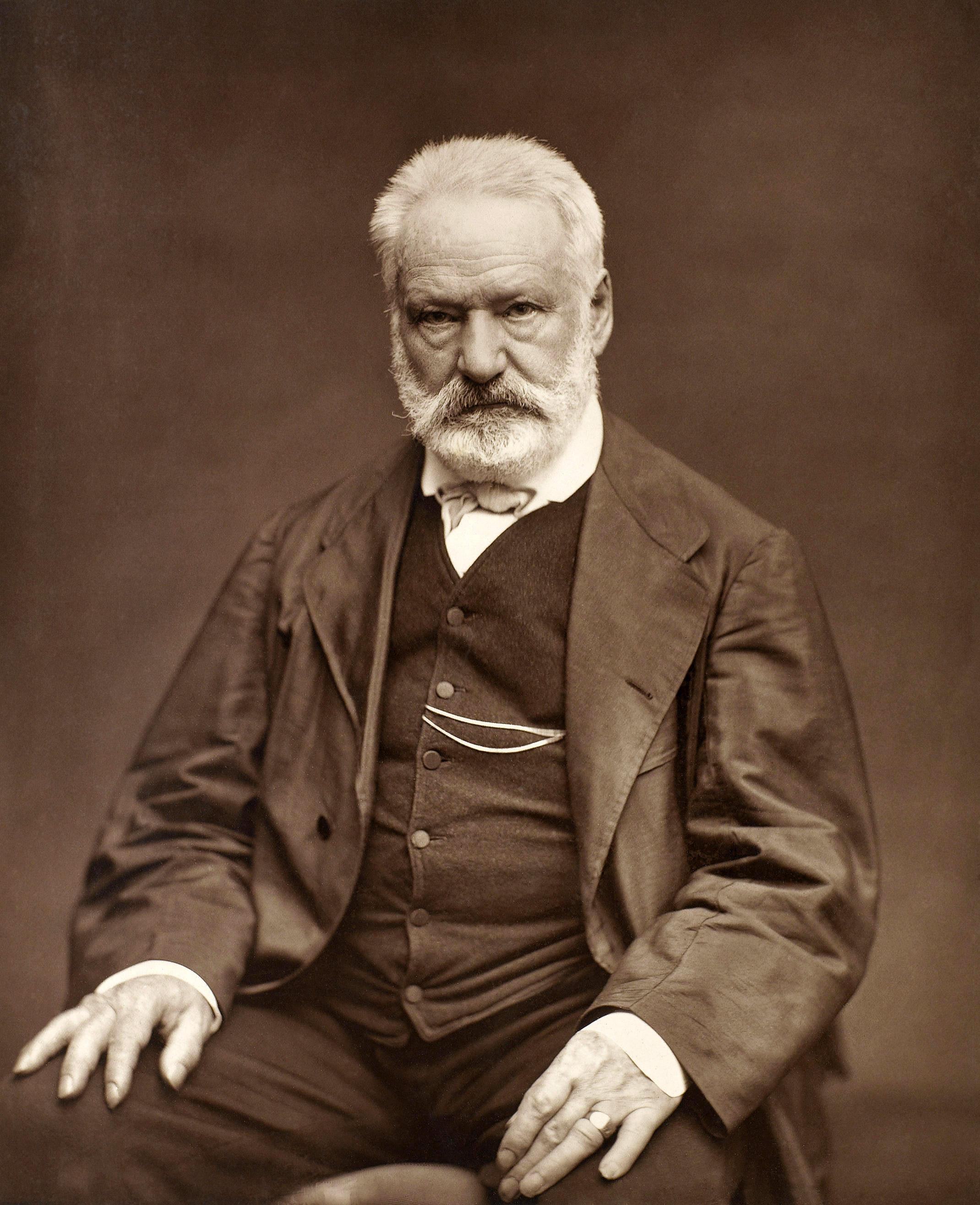
Le Dernier Jour D'UN Condamné, published in 1829 by Victor Hugo, is a poignant novel that explores the psychological torment of a man awaiting execution. Through the protagonist's internal monologue, the narrative delves into themes of despair, isolation, and the moral complexities surrounding capital punishment. Hugo's work serves as a powerful critique of the death penalty and reflects on the human condition, making it a significant contribution to 19th-century literature.
Editions
Ebooks
Le Dernier Jour D'UN Condamné
Le Dernier Jour D'UN CondamnéCurrent
Project Gutenberg · 144 pages (French)
Link to this book
Add a free, dofollow link to Lex on your blog, forum, syllabus, or reading list.

HTML
<a href="https://lex-books.com/book/le-dernier-jour-d-un-condamn-8f0bd502-b91a-4f4b-98ac-9f017f7964e2"><img src="https://lex-books.com/badges/read-on-lex.svg" alt="Read Le Dernier Jour D'UN Condamné by Victor Hugo free on Lex" width="160" height="40"></a>Markdown
[](https://lex-books.com/book/le-dernier-jour-d-un-condamn-8f0bd502-b91a-4f4b-98ac-9f017f7964e2)BBCode
[url=https://lex-books.com/book/le-dernier-jour-d-un-condamn-8f0bd502-b91a-4f4b-98ac-9f017f7964e2][img]https://lex-books.com/badges/read-on-lex.svg[/img][/url]Plain link
Read Le Dernier Jour D'UN Condamné by Victor Hugo free on Lex: https://lex-books.com/book/le-dernier-jour-d-un-condamn-8f0bd502-b91a-4f4b-98ac-9f017f7964e2Cite this book
Reading this edition for a paper or guide? Copy a citation.
MLA
Hugo, Victor. Le Dernier Jour D'UN Condamné. Lex, lex-books.com/book/le-dernier-jour-d-un-condamn-8f0bd502-b91a-4f4b-98ac-9f017f7964e2.APA
Hugo, V. (1829). Le Dernier Jour D'UN Condamné. Lex. https://lex-books.com/book/le-dernier-jour-d-un-condamn-8f0bd502-b91a-4f4b-98ac-9f017f7964e2Chicago
Hugo, Victor. Le Dernier Jour D'UN Condamné. Lex. https://lex-books.com/book/le-dernier-jour-d-un-condamn-8f0bd502-b91a-4f4b-98ac-9f017f7964e2.