Kurjat I: Fantine
1862
Kurjat I: Fantine
1862
Translated by J. V. (Johannes Vihtori) Lehtonen
A novel written in the mid-19th century. This work serves as the first part of the larger epic ''Les Misérables,'' exploring themes of social injustice, love, and sacrifice. The story introduces key characters such as the compassionate Bishop Myriel and hints at the plight of the impoverished, particularly focusing on the character Fantine and her struggles. At the start of the novel, we are introduced to Charle-François-Bienvenu Myriel, the Bishop of Digne. The narrative delves into his past, his humble beginnings, and his commitment to charity and compassion for the poor, illustrating how he abandoned his previous life of comfort to serve those in need. The opening sets a tone that is both reflective and poignant, emphasizing the bishop's gentle spirit and moral integrity as he conducts his duties within a town rife with hardship. The bishop's life is portrayed as an embodiment of the deep spiritual and ethical dilemmas faced in a society marked by inequality, framing the larger narrative that will unfold throughout the rest of the novel.
Editions
X-Ray
“He never went out without a book under his arm, and he often came back with two.””
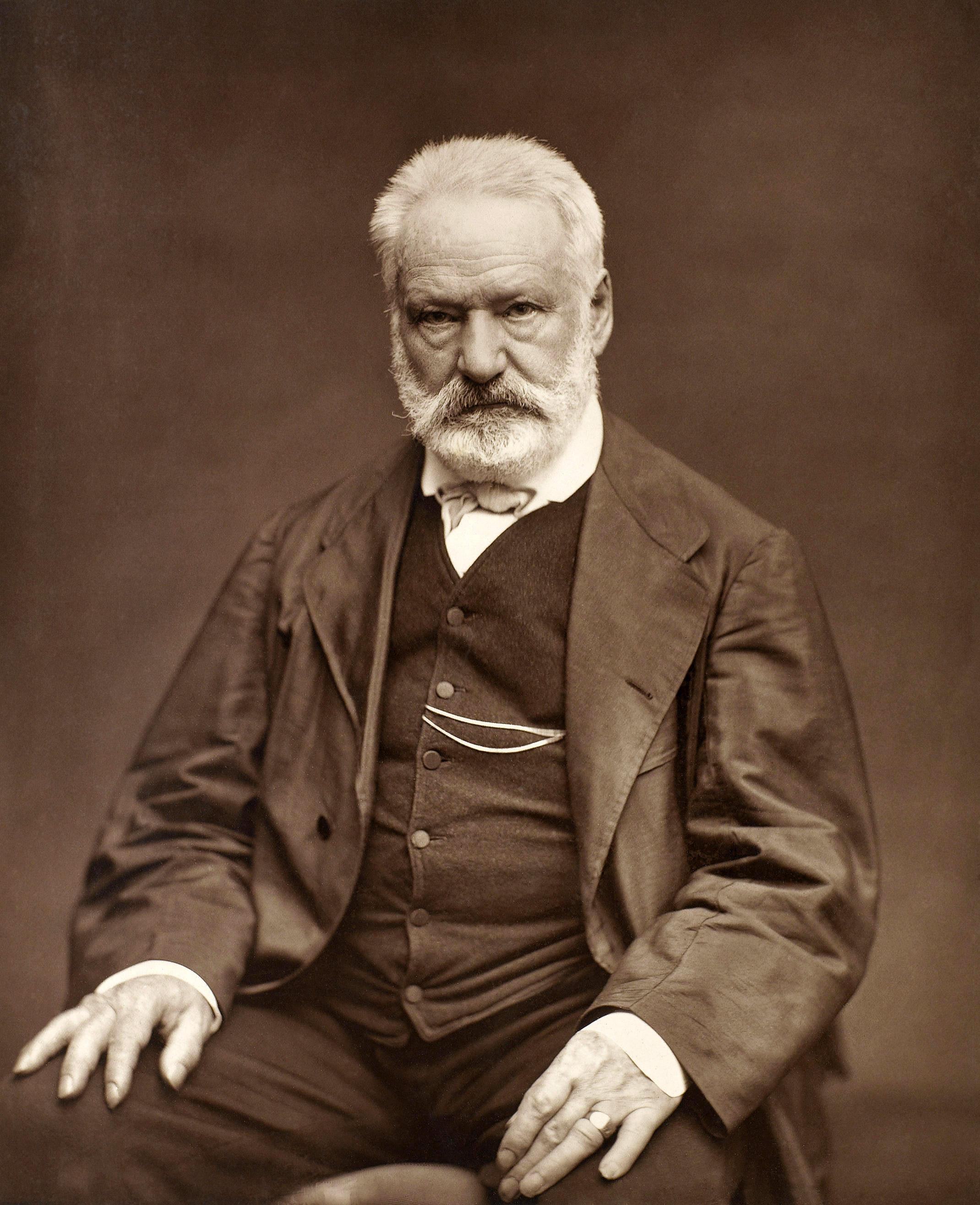
— Victor Hugo
“Even the darkest night will end and the sun will rise.””
— Victor Hugo
“What Is Love? I have met in the streets a very poor young man who was in love. His hat was old, his coat worn, the water passed through his shoes and the stars through his soul””
— Victor Hugo
“To love another person is to see the face of God.””
— Victor Hugo
“The power of a glance has been so much abused in love stories, that it has come to be disbelieved in. Few people dare now to say that two beings have fallen in love because they have looked at each other. Yet it is in this way that love begins, and in this way only.””
— Victor Hugo
“It is nothing to die. It is frightful not to live.””
— Victor Hugo
“Not being heard is no reason for silence.””
— Victor Hugo
“Laughter is sunshine, it chases winter from the human face.””
— Victor Hugo
“To love or have loved, that is enough. Ask nothing further. There is no other pearl to be found in the dark folds of life.””
— Victor Hugo
Link to this book
Add a free, dofollow link to Lex on your blog, forum, syllabus, or reading list.

<a href="https://lex-books.com/book/kurjat-i-fantine-fff3c54d-9746-42f7-8718-01041ab22223"><img src="https://lex-books.com/badges/read-on-lex.svg" alt="Read Kurjat I: Fantine by Victor Hugo free on Lex" width="160" height="40"></a>[](https://lex-books.com/book/kurjat-i-fantine-fff3c54d-9746-42f7-8718-01041ab22223)[url=https://lex-books.com/book/kurjat-i-fantine-fff3c54d-9746-42f7-8718-01041ab22223][img]https://lex-books.com/badges/read-on-lex.svg[/img][/url]Read Kurjat I: Fantine by Victor Hugo free on Lex: https://lex-books.com/book/kurjat-i-fantine-fff3c54d-9746-42f7-8718-01041ab22223Cite this book
Reading this edition for a paper or guide? Copy a citation.
Hugo, Victor. Kurjat I: Fantine. Lex, lex-books.com/book/kurjat-i-fantine-fff3c54d-9746-42f7-8718-01041ab22223.Hugo, V. (1862). Kurjat I: Fantine. Lex. https://lex-books.com/book/kurjat-i-fantine-fff3c54d-9746-42f7-8718-01041ab22223Hugo, Victor. Kurjat I: Fantine. Lex. https://lex-books.com/book/kurjat-i-fantine-fff3c54d-9746-42f7-8718-01041ab22223.