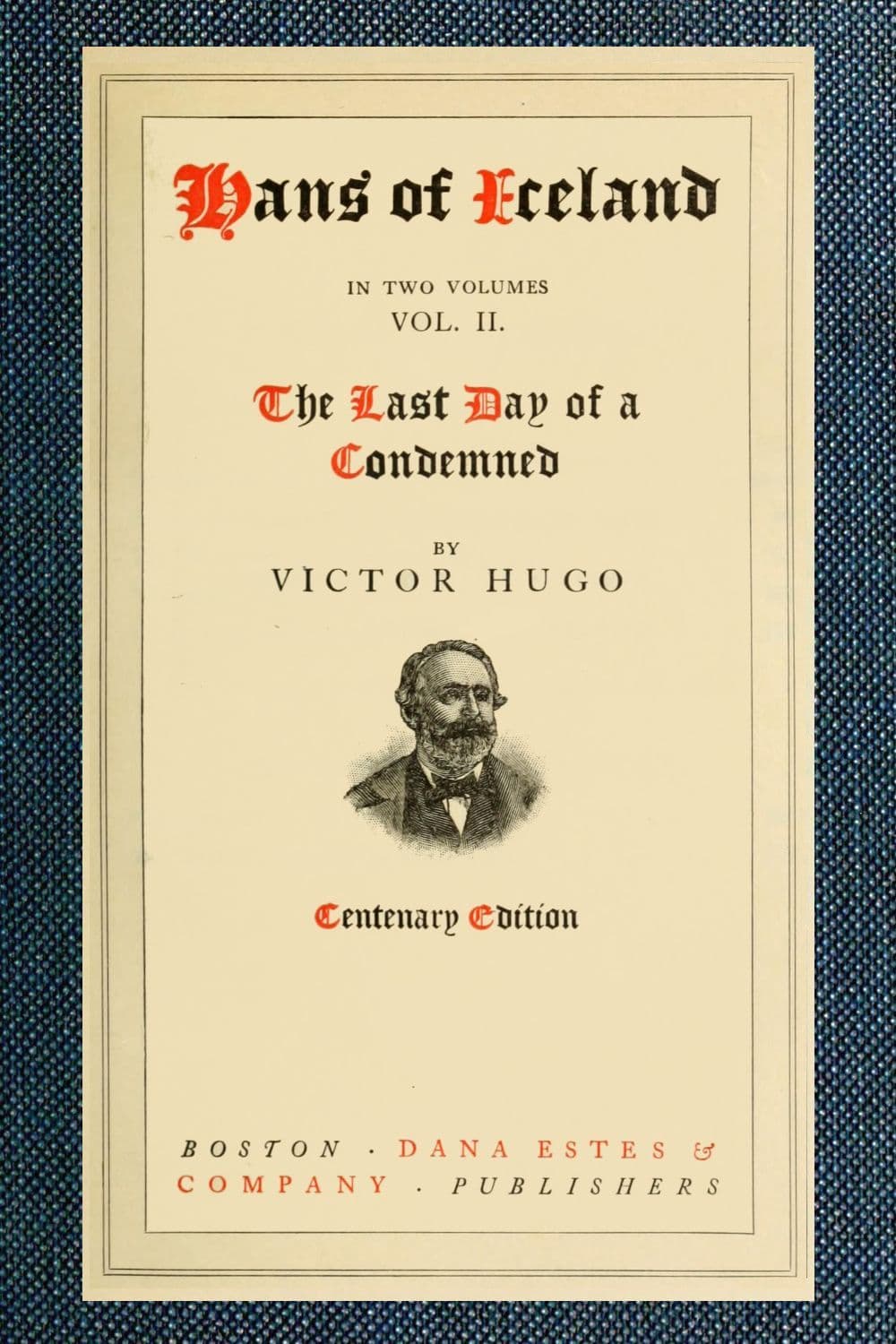
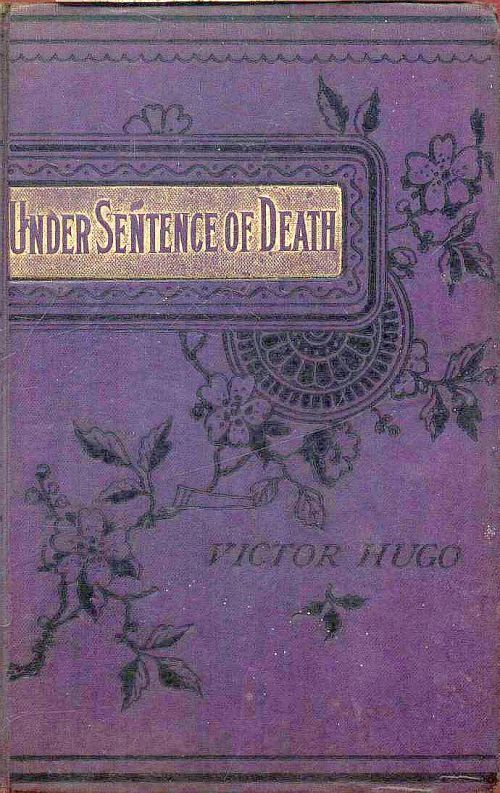
Under Sentence of Death; Or, a Criminal's Last Hours
1829
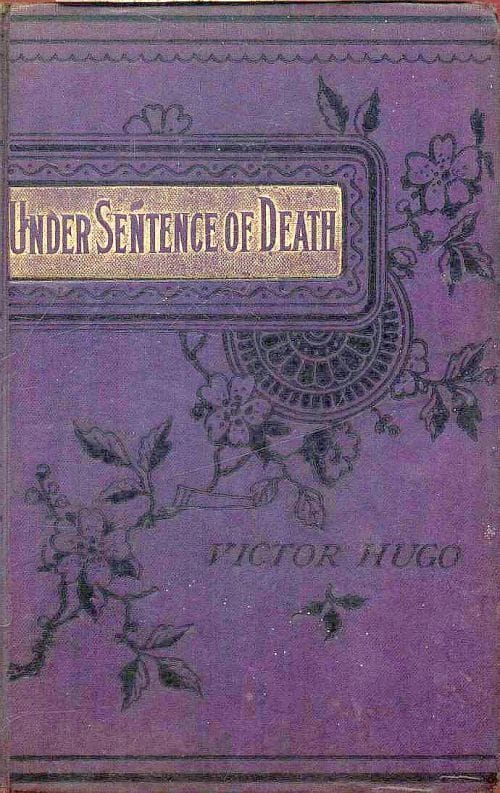
Under Sentence of Death; Or, a Criminal's Last Hours
1829
Translated by Gilbert, Sir Campbell
Written when Victor Hugo was just twenty-seven, this紧凑 work immerses the reader in the mind of a man who has been sentenced to death. We never learn his name. We never learn his crime. What we experience instead is the unbearable weight of time now measured in last things: the last night, the last dawn, the last hour before the blade falls. Through five weeks of imprisonment, Hugo traces the condemned man's thoughts as they oscillate between vivid memories of freedom, the terrible routine of the dungeon, and the phantom hope of a reprieve that never comes. The novel is both a fierce polemic against capital punishment and an intimate exploration of what it means to be human when humanity has already pronounced you less than human. Hugo's genius lies in his refusal to sentimentalize or condemn his protagonist; instead, he simply asks us to sit with a man as he waits to die, and in doing so, renders the reader complicit in the act of witnessing.
Editions
X-Ray
“But secondly you say 'society must exact vengeance, and society must punish'. Wrong on both counts. Vengeance comes from the individual and punishment from God.””
— Victor Hugo
“The merciful precepts of Christ will at last suffuse the Code and it will glow with their radiance. Crime will be considered an illness with its own doctors to replace your judges and its hospitals to replace your prisons. Liberty shall be equated with health. Ointments and oil shall be applied to limbs that were once shackled and branded. Infirmities that once were scourged with anger shall now be bathed with love. The cross in place of the gallows: sublime and yet so simple.””
— Victor Hugo
“The slightest contact with logic makes all false arguments disintegrate.””
— Victor Hugo
“Not ill? No truly, I am young, healthful, and strong; the blood flows freely in my veins; my limbs obey my will; I am robust in mind and body, constituted for a long life. Yes, all this is true; and yet, nevertheless, I have an illness, a fatal illness,--an illness given by the hand of man!””
— Victor Hugo
“كنت قادراً على التفكير في كل ما يسرني ، لأني كنتُ حراً””
— Victor Hugo
“Yok ettikleri insanın bir zekası, hayata güvenen bir aklı, ölüme hazır olmayan bir ruhu olduğunu hiç düşünmemişler midir?””
— Victor Hugo
“Oh ! qu'on m'aille donc, au lieu de cela, chercher quelque jeune vicaire, quelque vieux curé, au hasard, dans la première paroisse venue, qu'on le prenne au coin de son feu, lisant son livre et ne s'attendant à rien, et qu'on lui dise :– Il y a un homme qui va mourir, et il faut que ce soit vous qui le consoliez. Il faut que vous soyez là quand on lui liera les mains, là quand on lui coupera les cheveux; que vous montiez dans sa charrette avec votre crucifix pour lui cacher le bourreau; que vous soyez cahoté avec lui par le pavé jusqu'à la Grève : que vous traversiez avec lui l'horrible foule buveuse de sang; que vous l'embrassiez au pied de l'échafaud, et que vous restiez jusqu'à ce que la tête soit ici et le corps là.Alors, qu'on me l'amène, tout palpitant, tout frissonnant de la tête aux pieds; qu'on me jette entre ses bras, à ses genoux; et il pleurera, et nous pleurerons, et il sera éloquent, et je serais consolé, et mon cœur se dégonflera dans le sien, et il prendra mon âme, et je prendrais son Dieu.””
— Victor Hugo
“So how do magistrates understand the word civilization? Where do we stand with it? Justice reduced to subterfuge and trickery! The law to machinations! Appalling!””
— Victor Hugo
“İnsan içinde bulunduğu umutsuz koşullarda bazen bir zinciri bir saç teliyle koparabileceğini sanır. (s. 55)””
— Victor Hugo
Link to this book
Add a free, dofollow link to Lex on your blog, forum, syllabus, or reading list.

<a href="https://lex-books.com/book/under-sentence-of-death-or-a-criminal-s-last-hours-c4e1e5dc-c0c5-4be2-bba0-661b970a82f2"><img src="https://lex-books.com/badges/read-on-lex.svg" alt="Read Under Sentence of Death; Or, a Criminal's Last Hours by Victor Hugo free on Lex" width="160" height="40"></a>[](https://lex-books.com/book/under-sentence-of-death-or-a-criminal-s-last-hours-c4e1e5dc-c0c5-4be2-bba0-661b970a82f2)[url=https://lex-books.com/book/under-sentence-of-death-or-a-criminal-s-last-hours-c4e1e5dc-c0c5-4be2-bba0-661b970a82f2][img]https://lex-books.com/badges/read-on-lex.svg[/img][/url]Read Under Sentence of Death; Or, a Criminal's Last Hours by Victor Hugo free on Lex: https://lex-books.com/book/under-sentence-of-death-or-a-criminal-s-last-hours-c4e1e5dc-c0c5-4be2-bba0-661b970a82f2Cite this book
Reading this edition for a paper or guide? Copy a citation.
Hugo, Victor. Under Sentence of Death; Or, a Criminal's Last Hours. Lex, lex-books.com/book/under-sentence-of-death-or-a-criminal-s-last-hours-c4e1e5dc-c0c5-4be2-bba0-661b970a82f2.Hugo, V. (1829). Under Sentence of Death; Or, a Criminal's Last Hours. Lex. https://lex-books.com/book/under-sentence-of-death-or-a-criminal-s-last-hours-c4e1e5dc-c0c5-4be2-bba0-661b970a82f2Hugo, Victor. Under Sentence of Death; Or, a Criminal's Last Hours. Lex. https://lex-books.com/book/under-sentence-of-death-or-a-criminal-s-last-hours-c4e1e5dc-c0c5-4be2-bba0-661b970a82f2.