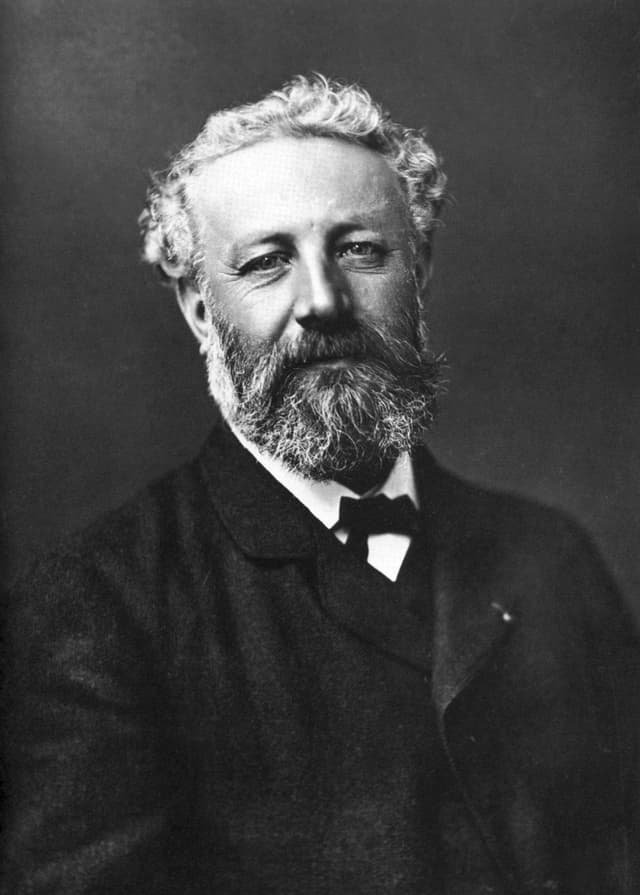
Jules Verne
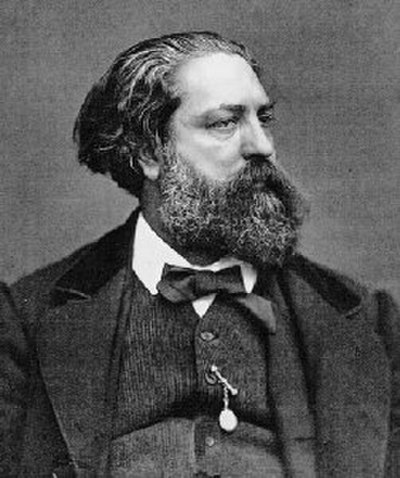
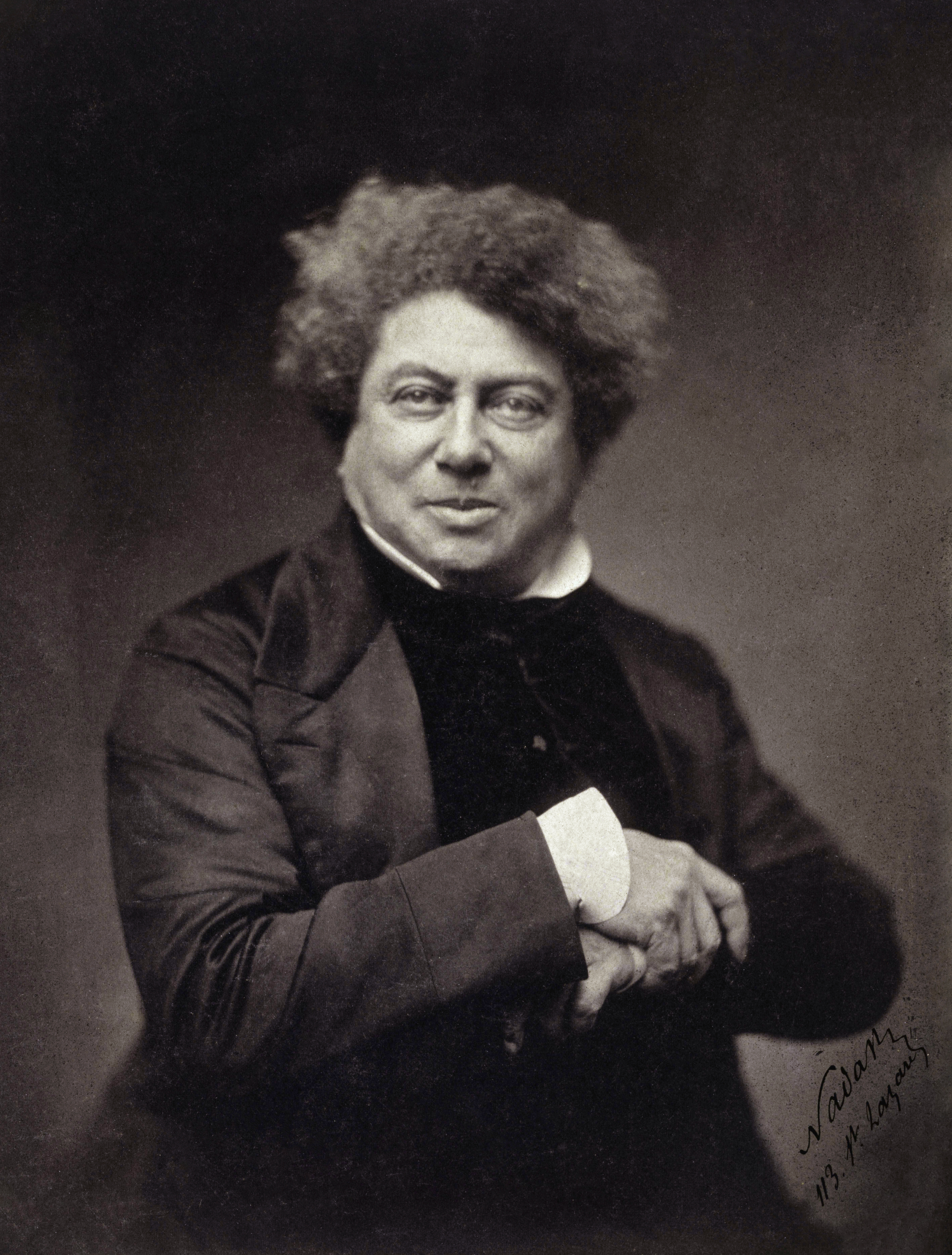
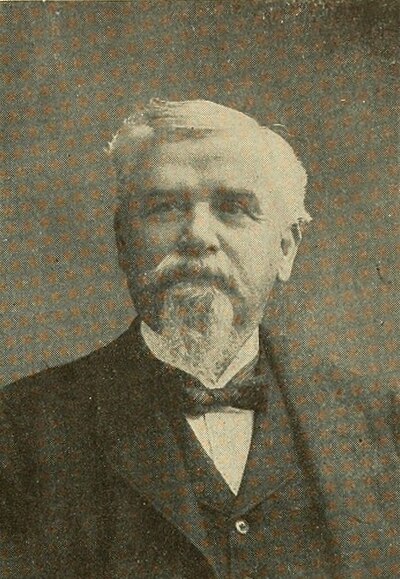
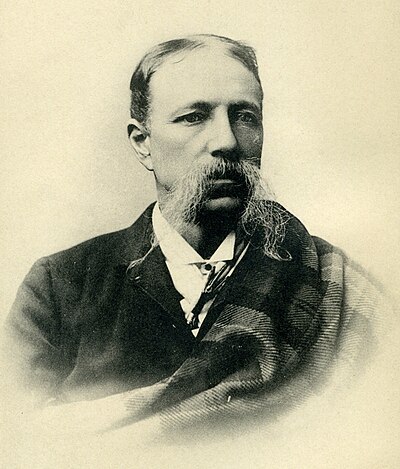
Jules Verne was a pioneering French novelist and playwright, renowned for his imaginative adventure stories that often blended scientific knowledge with thrilling narratives. His collaboration with publisher Pierre-Jules Hetzel led to the creation of the 'Voyages extraordinaires' series, which included landmark works such as 'Journey to the Center of the Earth' (1864), 'Twenty Thousand Leagues Under the Seas' (1870), and 'Around the World in Eighty Days' (1872). These novels not only captivated readers with their adventurous plots but also reflected the technological advancements and scientific curiosity of the 19th century, making Verne a forerunner in the science fiction genre. Verne's influence extended beyond literature; his works have been adapted into numerous films, television shows, and other media, showcasing their enduring appeal. His ability to weave together elements of adventure, science, and exploration has inspired generations of writers and creators. Verne's legacy as a visionary storyteller is evident in the way he opened the door to speculative fiction, paving the way for future authors to explore the realms of science and imagination in their own narratives.
Famous Quotes
View all 19 quotes“We are of opinion that instead of letting books grow moldy behind an iron grating, far from the vulgar gaze, it is better to let them wear out by being read.””
“Science, my lad, is made up of mistakes, but they are mistakes which it is useful to make, because they lead little by little to the truth.””
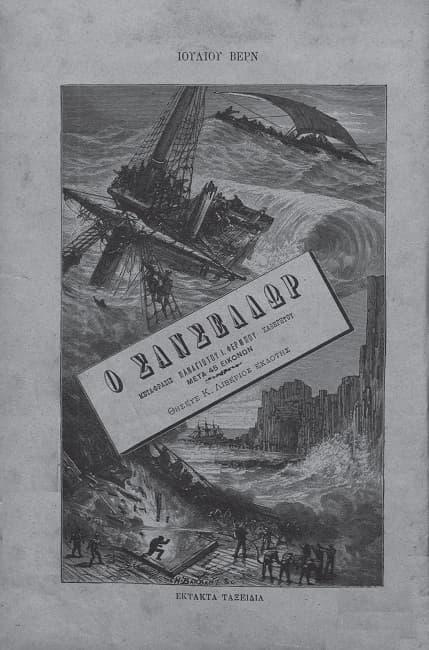
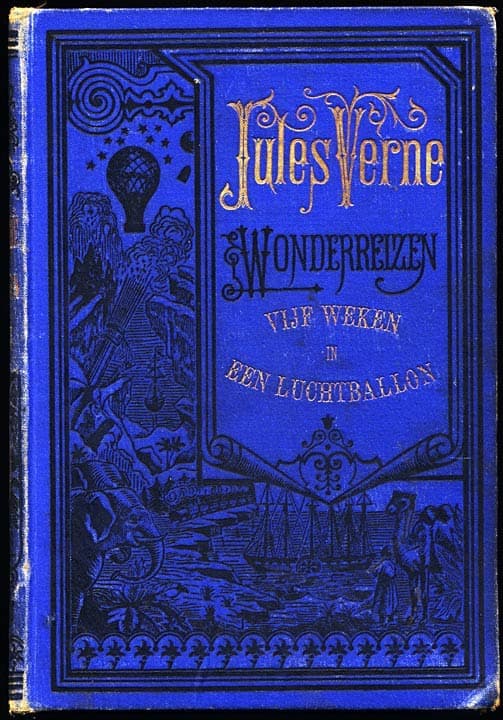
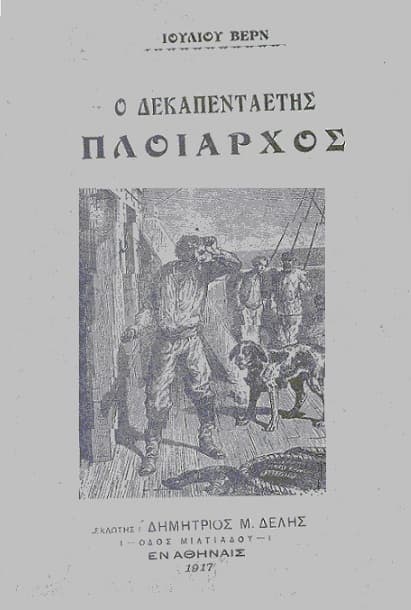
Books from the author











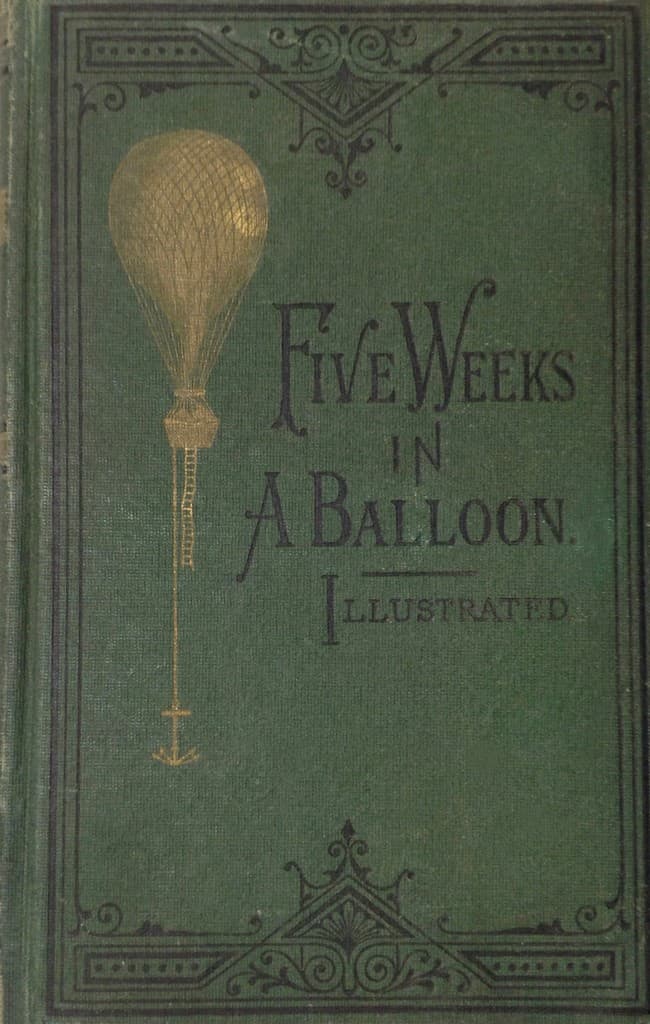
![Mathias Sandorf [3]: Een Model-Volksplanting](/_next/image?url=https%3A%2F%2Fd3b2n8gj62qnwr.cloudfront.net%2FCOVERS%2Fgutenberg_covers75k%2Febook-22908.png&w=3840&q=75)
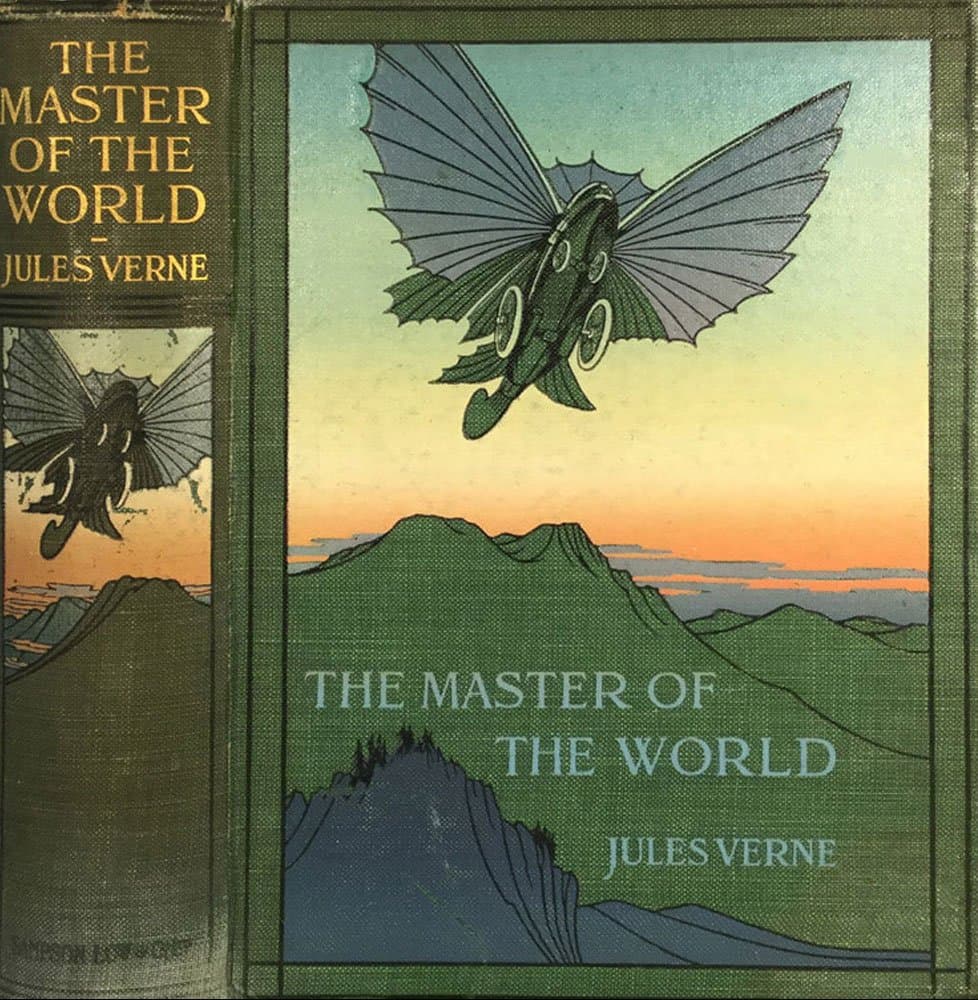
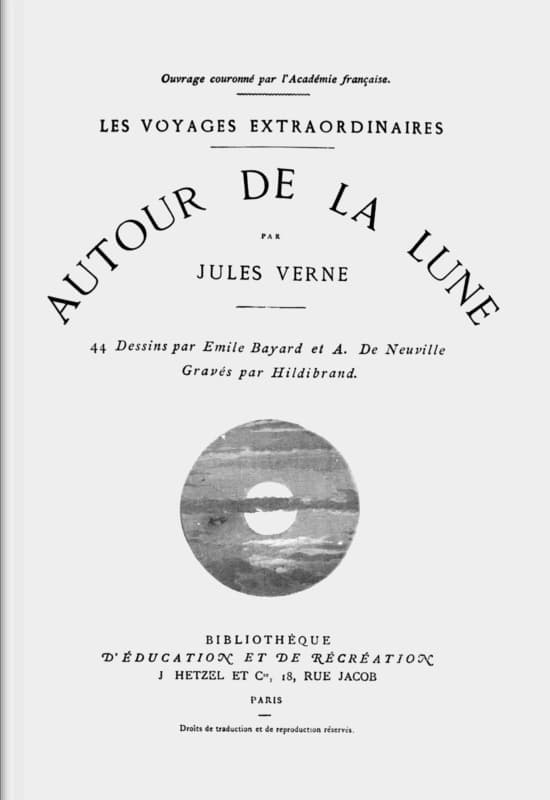



![Mathias Sandorf [2]: De Middellandsche Zee](/_next/image?url=https%3A%2F%2Fd3b2n8gj62qnwr.cloudfront.net%2FCOVERS%2Fgutenberg_covers75k%2Febook-69576.png&w=3840&q=75)


![Mathias Sandorf [1]: Een Verijdelde Samenzwering; Dokter Antekirrt](/_next/image?url=https%3A%2F%2Fd3b2n8gj62qnwr.cloudfront.net%2FCOVERS%2Fgutenberg_covers75k%2Febook-76280.png&w=3840&q=75)





Link to this page
Add a free, dofollow link to Lex on your blog, forum, syllabus, or reading list.

<a href="https://lex-books.com/author/jules-verne"><img src="https://lex-books.com/badges/read-on-lex.svg" alt="Jules Verne on Lex" width="160" height="40"></a>[](https://lex-books.com/author/jules-verne)[url=https://lex-books.com/author/jules-verne][img]https://lex-books.com/badges/read-on-lex.svg[/img][/url]Jules Verne on Lex: https://lex-books.com/author/jules-verne